


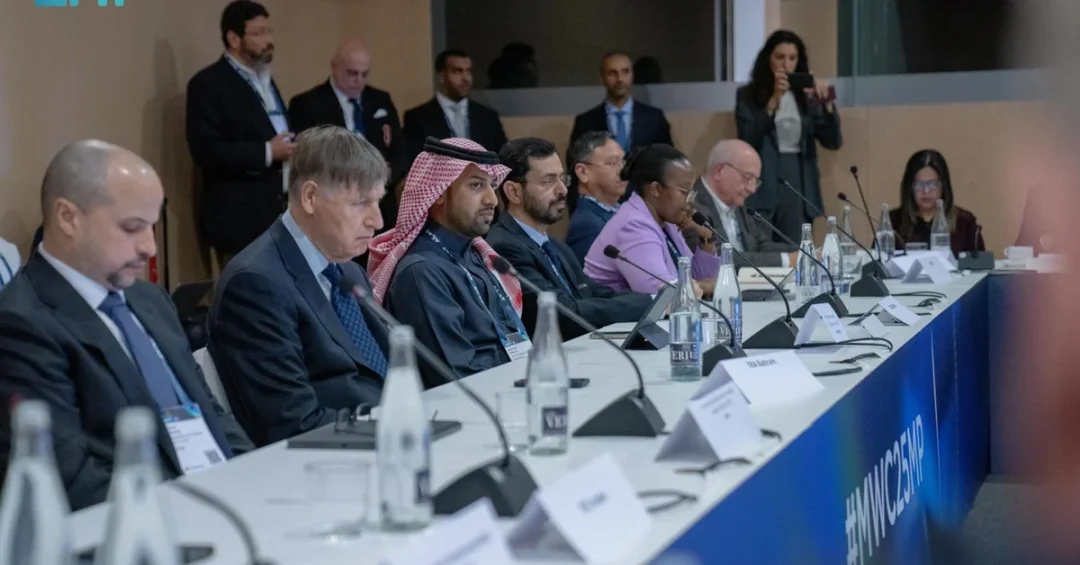
The Communications, Space and Technology Commission (CST) of Saudi Arabia participated in the Mobile World Congress (MWC) 2025 in Barcelona, Spain, from March 3 to 6, with a delegation led by Eng. Omar AlRejraje, Deputy Governor for the Regulation and Competition Sector. The Saudi delegation engaged with global technology leaders, contributed to ministerial discussions, and supported Saudi companies seeking international expansion, according to the Saudi Press Agency (SPA). The participation underscores the Kingdom’s determination to shape the global digital agenda while accelerating its own transition to a knowledge-based economy.
MWC Barcelona, organized annually by the Global System for Mobile Communications Association (GSMA), is widely regarded as the world’s most influential connectivity event, attracting tens of thousands of attendees, hundreds of exhibitors, and senior government officials from across the globe. For Saudi Arabia, the 2025 edition offered a strategic platform to showcase regulatory leadership, forge bilateral partnerships, and demonstrate how Vision 2030 is transforming the communications and technology landscape. The CST delegation’s active role reflects a broader national effort to position the Kingdom not merely as a participant in global tech conversations but as a shaper of them. How does a nation translate a four-day conference into lasting economic value? For Saudi Arabia, the answer lies in deliberate follow-through, cross-border collaboration, and a clear alignment with its long-term development blueprint.
Context and Background
What makes Saudi Arabia’s presence at MWC Barcelona 2025 more than a routine diplomatic engagement? The answer begins with the Kingdom’s rapid digital transformation, which has become one of the most visible pillars of Vision 2030. Over the past several years, Saudi Arabia has invested heavily in expanding broadband coverage, rolling out 5G networks, and creating a regulatory environment that encourages innovation while protecting consumers. The CST, formerly known as the Communications and Information Technology Commission, has been at the center of these efforts, overseeing spectrum management, licensing, and competition policy. Its participation in Barcelona was therefore a natural extension of its domestic mandate: to learn from global best practices, share Saudi achievements, and build relationships that can accelerate progress at home.
The GSMA’s ministerial program, in which CST representatives took part, is designed to bring together policymakers, regulators, and industry executives to address shared challenges such as digital inclusion, spectrum allocation, and the ethical deployment of emerging technologies. Eng. Abdulaziz Altamrah, General Manager for Strategy and Sustainability at CST, participated in a roundtable titled “Advancing Digital Inclusion Towards a Connected Future.” That discussion focused on how governments and private-sector actors can close connectivity gaps, particularly in rural and underserved regions. For Saudi Arabia, digital inclusion is not an abstract ideal; it is a practical requirement for diversifying the economy, empowering small businesses, and ensuring that all citizens can benefit from the opportunities created by technology. By contributing to this global conversation, the Kingdom reinforced its reputation as a constructive and forward-looking international partner.
Moreover, the timing of MWC 2025 was significant. It followed a period of sustained growth in Saudi Arabia’s technology sector, including record levels of venture capital investment, the expansion of cloud computing infrastructure, and the emergence of Riyadh and other cities as regional hubs for startups. The event allowed CST to present these developments to an international audience and to gather intelligence on trends that could inform future policy. In an era when digital sovereignty and cross-border data flows are hotly debated, Saudi Arabia’s willingness to engage multilaterally signals confidence in its own model and a desire to help shape global norms. What does it mean for a regulator to be both a student and a teacher on the world stage? For CST, it means balancing humility with ambition, learning from others while sharing the lessons of a nation in the midst of a historic transformation.
Key Details
The CST delegation, led by Eng. Omar AlRejraje, engaged in a packed schedule of bilateral meetings with global companies, regulatory counterparts, and technology providers. These meetings were aimed at fostering collaboration in the communications and technology sector, exploring cutting-edge innovations, and discussing trends that will define the next decade of connectivity. According to SPA, the delegation sought to reinforce CST’s leading role in accelerating Saudi Arabia’s digital economy. The bilateral format allowed for focused conversations on topics such as 6G research, spectrum sharing, cybersecurity, and the regulatory frameworks needed to support the Internet of Things and artificial intelligence. Each meeting was an opportunity to attract investment, learn about emerging business models, and position Saudi Arabia as a preferred destination for technology companies looking to expand in the Middle East.
A particularly notable element of the CST’s participation was its collaboration with the Saudi Export Development Authority to facilitate the presence of Saudi companies at international pavilions during the event. This initiative was designed to enhance the global presence of Saudi products and to highlight the Kingdom’s high competitiveness. By providing a platform for Saudi firms to showcase their solutions to an international audience, CST and the Export Development Authority helped create opportunities for global market expansion. The companies that participated represented a cross-section of Saudi Arabia’s growing technology ecosystem, from telecommunications service providers to software developers and hardware manufacturers. Their presence at MWC Barcelona demonstrated that Saudi Arabia is not only a consumer of technology but also a producer, capable of competing in global markets. How can small and medium-sized Saudi enterprises benefit from exposure at a mega-event like MWC? The answer lies in the connections made, the partnerships formed, and the follow-up support provided by government agencies after the conference ends.
The ministerial roundtable on digital inclusion, featuring Eng. Abdulaziz Altamrah, was another highlight. The session brought together regulators and policymakers from multiple countries to discuss strategies for ensuring that the benefits of connectivity reach all segments of society. Altamrah shared Saudi Arabia’s experience in expanding broadband access, promoting digital literacy, and using public-private partnerships to bridge the digital divide. He also emphasized the importance of international cooperation in setting standards and sharing best practices. The roundtable concluded with a consensus on the need for continued dialogue and joint action, a outcome that aligns with Saudi Arabia’s broader foreign policy objectives of multilateral engagement and sustainable development. For CST, the session was an opportunity to demonstrate thought leadership and to learn from the challenges faced by other nations, enriching its own approach to regulation.
International and Regional Impact
Saudi Arabia’s active participation in MWC Barcelona 2025 carries implications that extend well beyond the conference halls. In a region often characterized by geopolitical tensions, the Kingdom’s focus on technology diplomacy offers a constructive alternative. By engaging with global companies and regulators, CST is helping to build bridges that can facilitate trade, investment, and knowledge exchange. For international audiences, the message is clear: Saudi Arabia is open for business, committed to international norms, and eager to collaborate on solutions to shared challenges. This approach enhances the Kingdom’s soft power and reinforces its position as a responsible global stakeholder. Moreover, the partnerships formed at MWC can lead to tangible outcomes such as joint ventures, research collaborations, and technology transfers that benefit both Saudi Arabia and its international partners.
At the regional level, Saudi Arabia’s leadership in digital regulation sets an example for neighboring countries. The Kingdom’s progress in 5G deployment, spectrum management, and digital inclusion can serve as a model for others in the Middle East and North Africa. By sharing its experiences at forums like MWC, CST contributes to the development of a more integrated and prosperous regional digital economy. This is particularly important as the Gulf Cooperation Council (GCC) countries work toward greater economic integration and as the broader Middle East seeks to diversify away from oil dependence. Saudi Arabia’s ability to attract global technology firms and to nurture its own startups creates opportunities for cross-border collaboration and investment. In this sense, the CST’s participation in Barcelona was not just about Saudi Arabia; it was about the entire region’s digital future. What role will Saudi Arabia play in shaping the next wave of global connectivity standards? If the Kingdom’s growing influence in bodies like the GSMA is any indication, it will be a leading voice in ensuring that those standards are inclusive, secure, and conducive to innovation.
Economic and Strategic Significance
The economic significance of CST’s engagement at MWC Barcelona 2025 is multifaceted. First, it supports the growth of Saudi Arabia’s digital economy, which is a key component of Vision 2030’s goal to diversify revenue sources and create jobs for young Saudis. By attracting foreign investment and facilitating partnerships, the CST helps to expand the technology sector, which in turn contributes to GDP and exports. Second, the collaboration with the Saudi Export Development Authority to promote Saudi products abroad aligns with the national objective of increasing non-oil exports. The companies that participated in the international pavilions gained exposure to potential customers, distributors, and investors, which can lead to concrete business deals and long-term market presence. Third, the knowledge gained from MWC—about emerging technologies, regulatory trends, and competitor strategies—will inform CST’s policymaking, helping to create an environment that is conducive to innovation and investment.
Strategically, the participation reinforces Saudi Arabia’s position as a leader in the global digital economy. The Kingdom has already made significant strides in areas such as artificial intelligence, cloud computing, and smart cities, with giga-projects like NEOM serving as testbeds for advanced technologies. By engaging with global players at MWC, CST ensures that Saudi Arabia remains at the forefront of technological change and that its regulatory framework keeps pace with rapid developments. This is essential for attracting companies that require predictable and supportive rules. Furthermore, the bilateral meetings held by the delegation may pave the way for agreements that enhance Saudi Arabia’s cybersecurity, expand its satellite communications capabilities, and improve the resilience of its digital infrastructure. In a world where data is increasingly seen as a strategic asset, such engagements are vital for protecting national interests while benefiting from global cooperation. How does a nation balance the desire for technological openness with the need for security and sovereignty? Saudi Arabia’s approach, as demonstrated at MWC, suggests that active engagement and strong domestic regulation can go hand in hand.
Vision 2030 Alignment
The CST’s participation in MWC Barcelona 2025 is a clear reflection of Vision 2030’s ambition to transform Saudi Arabia into a global hub for technology and innovation. Vision 2030, launched in 2016 under the leadership of Crown Prince Mohammed bin Salman, sets out a comprehensive roadmap for economic diversification, social development, and international engagement. The communications and technology sector is identified as a key enabler of this transformation, with targets that include expanding broadband coverage, increasing the contribution of the digital economy to GDP, and fostering a vibrant ecosystem of startups and small businesses. By engaging with global leaders at MWC, CST is helping to build the international partnerships and knowledge base needed to achieve these targets. The event also provided a platform to showcase Saudi Arabia’s progress to the world, reinforcing the narrative of a nation in the midst of a historic modernization drive.
Looking ahead, the connections made and lessons learned at MWC Barcelona 2025 will feed into Saudi Arabia’s ongoing efforts to create a world-class digital infrastructure and a regulatory environment that encourages innovation while protecting consumers. The Kingdom’s long-term vision includes becoming a leader in emerging technologies such as AI, IoT, and 6G, and international events like MWC are essential for staying at the cutting edge. As Saudi Arabia continues to open up to the world, participate in global forums, and attract foreign investment, its role as a bridge between East and West, and as a catalyst for regional development, will only grow. The CST’s active presence in Barcelona is a testament to the Kingdom’s commitment to shaping a connected, inclusive, and prosperous digital future for all. In the years to come, the partnerships forged and the insights gained will contribute to making Vision 2030 a reality, benefiting not only Saudi Arabia but also its international partners and the global community.
20 Questions
Q1. What is the Communications, Space and Technology Commission (CST)?
A1. CST is Saudi Arabia’s regulatory authority for the communications, space, and technology sectors. It oversees spectrum management, licensing, and competition policy, and plays a key role in advancing the Kingdom’s digital economy in line with Vision 2030.
Q2. What was the purpose of CST’s participation in MWC Barcelona 2025?
A2. CST aimed to reinforce its leading role in accelerating Saudi Arabia’s digital economy, exchange expertise, discuss trends and innovations, and explore cutting-edge technologies. It also sought to foster collaboration with global companies and support Saudi firms seeking international expansion.
Q3. Who led the CST delegation at MWC Barcelona 2025?
A3. The delegation was led by Eng. Omar AlRejraje, Deputy Governor for the Regulation and Competition Sector at CST. He was accompanied by other senior officials, including Eng. Abdulaziz Altamrah, General Manager for Strategy and Sustainability.
Q4. What is MWC Barcelona and who organizes it?
A4. MWC Barcelona is the world’s largest and most influential connectivity event, organized annually by the Global System for Mobile Communications Association (GSMA). It brings together industry leaders, policymakers, and innovators from across the globe.
Q5. What was the theme of the ministerial roundtable that CST participated in?
A5. Eng. Abdulaziz Altamrah participated in a roundtable titled “Advancing Digital Inclusion Towards a Connected Future.” The discussion focused on strategies to bridge the digital divide and ensure connectivity benefits reach all segments of society.
Q6. How did CST support Saudi companies at MWC Barcelona 2025?
A6. CST collaborated with the Saudi Export Development Authority to facilitate the participation of Saudi companies in international pavilions. This initiative aimed to enhance the global presence of Saudi products and create opportunities for global market expansion.
Q7. What are the key benefits for Saudi companies exhibiting at MWC?
A7. Saudi companies gain exposure to international customers, partners, and investors. They can showcase their solutions, learn about global trends, and form partnerships that lead to business deals and long-term market presence, supporting Saudi Arabia’s export diversification goals.
Q8. How does CST’s participation align with Vision 2030?
A8. Vision 2030 seeks to diversify Saudi Arabia’s economy and develop a knowledge-based society. CST’s engagement at MWC supports these goals by attracting investment, fostering innovation, and building international partnerships that accelerate the growth of the digital economy.
Q9. What technologies were discussed at MWC Barcelona 2025?
A9. Discussions covered a range of emerging technologies including 5G, 6G, artificial intelligence, the Internet of Things, cloud computing, cybersecurity, and spectrum management. These are all areas where Saudi Arabia is actively investing and developing expertise.
Q10. What is the significance of digital inclusion for Saudi Arabia?
A10. Digital inclusion is essential for ensuring all citizens can participate in the digital economy. It supports economic diversification, empowers small businesses, and improves access to education and healthcare, aligning with Vision 2030’s social development objectives.
Q11. How does CST’s international engagement benefit Saudi Arabia’s regulatory framework?
A11. By exchanging expertise with global regulators and industry leaders, CST gains insights into best practices and emerging trends. This helps refine Saudi Arabia’s regulatory environment, making it more conducive to innovation, investment, and consumer protection.
Q12. What role does the Saudi Export Development Authority play in this collaboration?
A12. The Saudi Export Development Authority works to boost non-oil exports by supporting Saudi companies in international markets. At MWC, it partnered with CST to enable Saudi firms to exhibit and connect with global buyers and partners.
Q13. How many Saudi companies participated in the international pavilions?
A13. The source material does not specify the exact number. However, the participation represented a cross-section of Saudi Arabia’s technology ecosystem, including telecommunications, software, and hardware companies, showcasing the Kingdom’s growing capabilities.
Q14. What are the expected outcomes of CST’s bilateral meetings at MWC?
A14. The bilateral meetings are expected to foster collaboration, attract investment, and lead to partnerships in areas such as 6G research, cybersecurity, and satellite communications. These outcomes will support the growth of Saudi Arabia’s digital economy and enhance its global competitiveness.
Q15. How does MWC Barcelona help Saudi Arabia attract foreign investment?
A15. MWC provides a platform for CST to present Saudi Arabia’s Vision 2030 reforms, regulatory improvements, and market opportunities to global executives. This exposure can attract foreign companies to invest in or partner with Saudi firms, boosting the Kingdom’s technology sector.
Q16. What is the significance of Eng. Abdulaziz Altamrah’s roundtable participation?
A16. His participation demonstrates Saudi Arabia’s thought leadership in digital inclusion and its commitment to international cooperation. It also allows CST to learn from other countries’ experiences, enriching its own policies to bridge the digital divide.
Q17. How does CST’s work support the growth of Saudi startups?
A17. CST creates a regulatory environment that encourages innovation and competition. By facilitating participation in events like MWC, it helps startups gain visibility, access global markets, and attract investment, contributing to a vibrant entrepreneurial ecosystem.
Q18. What are the next steps for CST following MWC Barcelona 2025?
A18. CST will follow up on the connections made, integrate insights into its policymaking, and continue to engage with international partners. It will also support Saudi companies in leveraging the opportunities generated at the event to expand their global footprint.
Q19. How does Saudi Arabia’s participation in MWC reflect its broader foreign policy?
A19. It reflects Saudi Arabia’s commitment to multilateral engagement, technology diplomacy, and sustainable development. By actively participating in global forums, the Kingdom builds bridges, enhances its soft power, and contributes to shaping international norms in the digital age.
Q20. What does the future hold for Saudi Arabia’s digital economy?
A20. With continued investment, regulatory innovation, and international collaboration, Saudi Arabia’s digital economy is poised for robust growth. It will be a key driver of job creation, economic diversification, and the realization of Vision 2030’s ambitious goals.
Reader Feedback
We value your thoughts. Please share your feedback on this article.
Your feedback helps us improve our coverage.
Related articles
 King Faisal University Tops 2024 NAI Patent Ranking
 SDAIA Empowers Saudi Women to Shape the Future of AI
 Saudi Universities Dominate Global Patent Ranking
 KAUST Develops Robotic System to Improve Date Palm Harvesting
 Saudi Saffron Breakthrough: Flowers in 10 Days
 SDAIA Launches Guidelines for Cross-Border Data Transfer Risks