


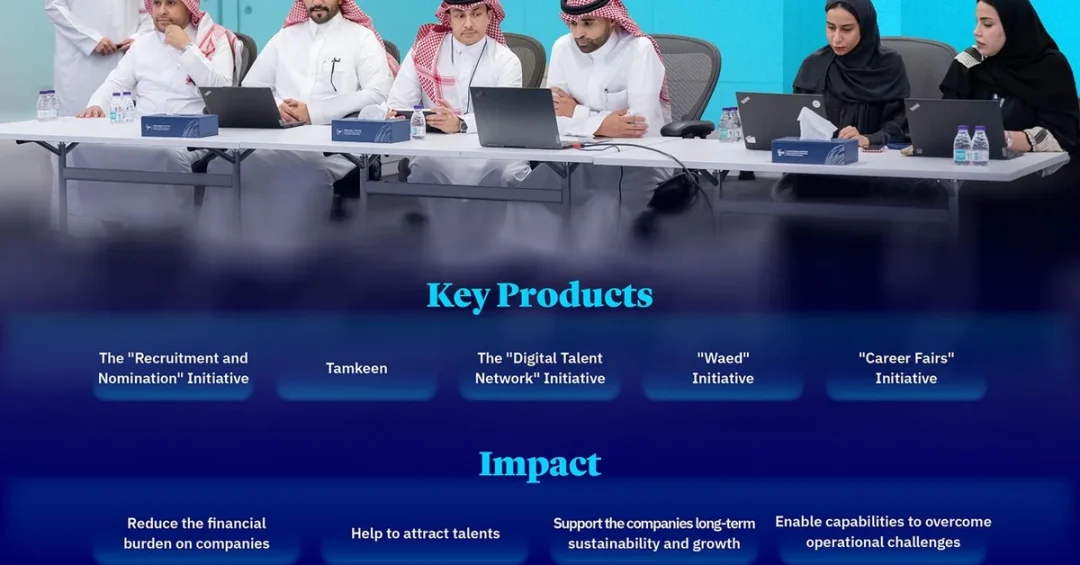
The Communications, Space and Technology Commission (CST) held a dedicated session on August 24, 2026, in Riyadh, focusing on “Products for Capability Development in Space Startups.” The session, organized in partnership with the Ministry of Communications and Information Technology (MCIT) and the National Technology Development Program (NTDP), was designed to raise awareness of support programs available for space sector startups, expand collaboration opportunities with national programs, and maximize the utilization of existing enablers to accelerate business growth in this emerging industry.
Context and Background
As Saudi Arabia continues its rapid transformation under Vision 2030, the space sector has emerged as a strategic priority, positioning the Kingdom as a rising hub for space technology, satellite communications, and advanced data services. The government has launched multiple initiatives to empower entrepreneurs and startups in the space domain, recognizing that these innovative enterprises will play a critical role in diversifying the national economy and enhancing the Kingdom’s competitive edge globally. The CST session forms part of a broader, coordinated effort to integrate space ventures into the national technology ecosystem, ensuring that startups receive not only regulatory support but also tangible financial and talent-driven assistance.
Key Details of the Session
During the session, MCIT and NTDP presented a comprehensive overview of the government products and initiatives available to entrepreneurs and space startups. These include the Recruitment and Nomination Initiative, designed to connect startups with qualified Saudi talent, and Tamkeen, which offers essential support for employment and training. Also highlighted were the Digital Talent Network Initiative and the “Waed” Initiative, both aimed at cultivating a robust pipeline of skilled professionals, alongside the “Career Fairs” Initiative that helps startups connect with prospective employees and partners.
These initiatives are tailored to reduce the financial burden on technology startups and small businesses, strengthen their ability to attract high-caliber talent, and support their long-term sustainability and growth. They also play a critical role in helping startups overcome operational challenges, create quality employment opportunities for national talent, and advance the localization of specialized technology roles, directly contributing to the Kingdom’s self-sufficiency in space-related fields.
Implications and Impact
This session is part of CST’s wider efforts to foster entrepreneurship within the space sector and enable startups to scale and grow. By connecting startups with national support programs and enablers, the session strengthens the entire space market ecosystem. It ensures that space-based services become more readily available to government agencies, private enterprises, and citizens across the Kingdom. Moreover, the program package promotes a sustainable cycle of innovation, where startups are empowered to advance satellite technology, earth observation, and space data analytics—industries with significant commercial and strategic potential.
These support mechanisms are expected to position Saudi Arabia as a leading destination for space entrepreneurship in the Middle East and beyond. By reducing startup costs and attracting top local talent, the initiatives will enable Saudi space startups to remain competitive, draw in investment, and contribute to the diversification of the national economy, in alignment with the government’s strategic objectives.
Vision 2030 Alignment
The session underscores CST’s commitment to building a thriving space sector that serves as a catalyst for economic diversification and technological leadership under Vision 2030. The targeted support for startups, coupled with the broader national space strategy, is a key enabler of the Kingdom’s ambitions in space exploration, satellite communications, and commercial space services. As Saudi Arabia forges a knowledge-based economy, the development of a robust and well-supported startup ecosystem will ensure the nation remains at the forefront of the global space industry, creating a legacy of innovation and growth for future generations.
20 Questions
Q1. Who held the session on capability development products for space startups?
A1. The Communications, Space and Technology Commission (CST) held the session on August 24, 2026, in Riyadh, in partnership with the Ministry of Communications and Information Technology and the National Technology Development Program.
Q2. What was the main purpose of the session?
A2. The session aimed to raise awareness of support programs for space sector startups, expand collaboration opportunities, and maximize the use of available enablers to support business development in the space domain.
Q3. What are the primary government products presented during the session?
A3. Key initiatives highlighted include the Recruitment and Nomination Initiative, Tamkeen, the Digital Talent Network Initiative, the “Waed” Initiative, and the “Career Fairs” Initiative.
Q4. How do these products help reduce the financial burden on startups?
A4. The initiatives provide financial support for employment and talent attraction, lowering operational costs and easing the financial pressures that technology and small businesses commonly face, thus enabling them to allocate resources more efficiently.
Q5. What role do these initiatives play in attracting talent?
A5. They create a robust pipeline of skilled Saudi professionals through recruitment and nomination programs, enhancing startups’ ability to bring in local talent and reducing the need to rely on expensive foreign expertise.
Q6. How do these products support long-term sustainability?
A6. By reducing financial burdens and providing reliable talent pipelines, these initiatives enable startups to scale, innovate, and compete effectively, creating a solid foundation for sustainable growth.
Q7. What is the significance of the “Waed” Initiative?
A7. The “Waed” Initiative is designed to support entrepreneurship and foster talent within the tech sector, providing startups with additional resources to develop their capabilities and succeed in a competitive environment.
Q8. What is the role of the “Career Fairs” Initiative?
A8. The Career Fairs Initiative connects startups directly with potential employees and partners, facilitating talent acquisition and networking opportunities that are essential for new companies in the space industry.
Q9. How does the session align with CST’s broader goals?
A9. The session reflects CST’s commitment to fostering entrepreneurship in the space sector by connecting startups with national support programs, contributing to the development of the space market, and ensuring service availability.
Q10. Why is the space sector important for Saudi Arabia?
A10. The space sector is a strategic priority under Vision 2030, driving economic diversification, technological advancement, and national pride, while opening up new avenues for commercial activity and international collaboration.
Q11. What is the role of the Ministry of Communications and Information Technology?
A11. MCIT plays a vital role in the session by providing oversight and presenting government support products that enable the digital economy and space sector development, aligning with national technological goals.
Q12. How does the National Technology Development Program contribute?
A12. The NTDP contributes by implementing and delivering the support initiatives and programs that are designed to foster entrepreneurship and development in the technology and space sectors, providing the resources for startups to thrive.
Q13. What is the “Recruitment and Nomination Initiative”?
A13. It is a program that links startups with a vetted pool of local talent, simplifying the hiring process and ensuring startups can quickly and effectively fill critical roles to drive growth.
Q14. How do these initiatives help in overcoming operational challenges?
A14. By providing financial resources, talent, and networking opportunities, these initiatives reduce common hurdles like recruitment inefficiency and funding gaps, allowing startups to focus on innovation and expansion.
Q15. What is the long-term goal for space startups in Saudi Arabia?
A15. The long-term goal is to create a self-sustaining and competitive space startup ecosystem that supports the Kingdom’s Vision 2030 by driving innovation, creating jobs, and contributing to a knowledge-based economy.
Q16. How does the session contribute to developing the space market?
A16. By connecting startups with necessary support and resources, the session helps develop the space market, increasing the availability of space-based services to a broader set of users across the Kingdom.
Q17. What is the significance of the Kingdom’s focus on space?
A17. Saudi Arabia’s focus on space is strategic, aiming to position the Kingdom as a leader in advanced technology, attract investment, and build a future-ready generation with critical skills in STEM and space science.
Q18. What is the role of the session in localization?
A18. The session advances the localization of specialized technology roles by promoting the growth of local talent, reducing dependence on foreign expertise and supporting the self-reliance of the Saudi space industry.
Q19. How can startups benefit from the support programs?
A19. Startups can leverage these support packages to ease financial constraints, gain access to skilled employees, and connect with national opportunities, enabling them to scale and be more competitive in the market.
Q20. What is the long-term vision for the space sector?
A20. The long-term vision is to establish Saudi Arabia as a significant regional and global space hub, with a vibrant ecosystem that continues to innovate, collaborate, and contribute to the national economy, all in line with Vision 2030.
Reader Feedback
We value your thoughts. Please share your feedback on this article.
Your feedback helps us improve our coverage.