


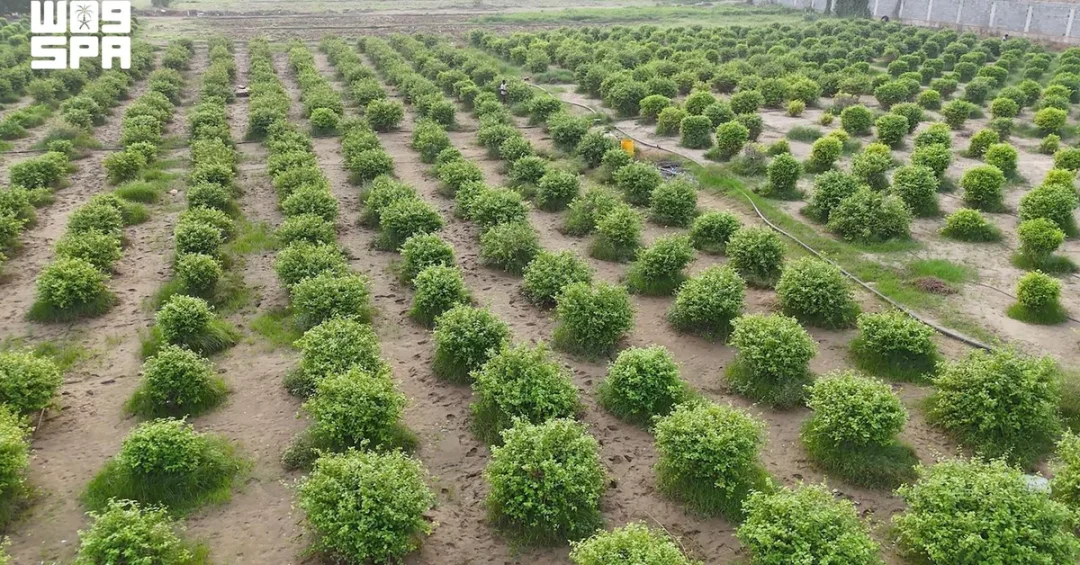
The National Research and Development Center for Sustainable Agriculture (Estidamah), through its branch in the Jazan Region, is advancing scientific research into the aromatic properties of Jazan jasmine, collaborating with the Jasmine and Aromatic Plants Association and Jazan University to extract and analyze jasmine oil. Announced via the Saudi Press Agency, the experiments have confirmed the high quality of local jasmine blossoms and identified a notably low concentration of phenyl acetate, alongside the presence of phenylethyl alcohol—a compound also found in Taif roses. These findings, released through official Saudi channels, mark a significant step in linking scientific innovation with the practical needs of farmers and producers in the Kingdom’s southern region.
Why does this development matter beyond the laboratory? It signals Saudi Arabia’s growing commitment to sustainable agriculture and high-value crop research under Vision 2030, while positioning Jazan as a rising hub for aromatic plant industries. The collaboration underscores how national research institutions, local associations, and universities can work together to unlock economic potential from traditional crops. As the Kingdom diversifies its economy, such initiatives demonstrate how science can transform agricultural heritage into globally competitive products, benefiting local communities and enhancing Saudi Arabia’s reputation for quality and innovation.
Context and Background
What makes Jazan jasmine so special that it warrants dedicated scientific study? The Jazan region, located in southwestern Saudi Arabia, has a long-standing tradition of cultivating jasmine, known locally for its distinctive fragrance and resilience in the area’s unique climate. The National Research and Development Center for Sustainable Agriculture (Estidamah), a key institution under the Ministry of Environment, Water and Agriculture, has been tasked with advancing sustainable farming practices and enhancing the value of regional crops. Its Jazan branch focuses on applied research that directly supports local producers, aligning with national goals to boost agricultural efficiency and rural development.
The partnership with the Jasmine and Aromatic Plants Association in Jazan Region and Jazan University brings together scientific expertise and on-the-ground knowledge. The Association represents local growers and processors, ensuring that research outcomes are practical and market-oriented. Jazan University contributes academic rigor and laboratory capabilities. Together, they are conducting experiments to extract oil from jasmine blossoms, analyze its chemical composition, and explore manufacturing opportunities. This integrated approach reflects a broader trend in Saudi Arabia, where research institutions are increasingly collaborating with industry and academia to drive innovation in agriculture and beyond.
Historically, jasmine has been cultivated in Jazan for ornamental and traditional uses, but its economic potential has remained largely untapped. The region’s climate—characterized by high humidity and moderate temperatures—creates ideal conditions for jasmine growth, yielding blossoms with a rich aromatic profile. By systematically studying these properties, Estidamah and its partners aim to elevate Jazan jasmine from a local treasure to a globally recognized ingredient in the perfume and essential oil industries. This effort is part of a wider national strategy to diversify agricultural output and create sustainable income streams for rural communities.
Key Details
What exactly have the experiments revealed about Jazan jasmine oil? According to the Saudi Press Agency, the experimental results have confirmed the high quality of the blossoms, with a very low concentration of the compound phenyl acetate. Phenyl acetate is an ester often associated with fruity or honey-like notes, and its low level in Jazan jasmine suggests a more delicate and refined aroma profile—a desirable trait in high-end perfumery. Additionally, the oil extract contains phenylethyl alcohol, a compound also present in Taif roses. Phenylethyl alcohol is prized for its floral, rose-like scent and is widely used in the fragrance industry for its stability and skin-friendly properties.
These findings open new avenues for leveraging Jazan jasmine in the oil and perfume industries. The presence of phenylethyl alcohol, in particular, links Jazan jasmine to the prestigious legacy of Taif roses, which are renowned globally for their exceptional quality. This connection could help position Jazan jasmine as a complementary or alternative source of high-grade aromatic compounds, appealing to luxury brands and niche markets. Moreover, the low phenyl acetate concentration may reduce the need for additional processing to achieve a clean, floral scent, potentially lowering production costs and increasing competitiveness.
The research also emphasizes aligning scientific outcomes with producers’ practical needs. By involving the Jasmine and Aromatic Plants Association and local farmers, Estidamah ensures that the techniques developed are accessible and scalable. This includes optimizing extraction methods, assessing yield per hectare, and evaluating the economic feasibility of small-scale distillation units. Such a producer-centric approach is crucial for translating laboratory success into tangible benefits for Jazan’s agricultural community, fostering entrepreneurship and job creation in the region.
International and Regional Impact
How might Jazan jasmine influence the global aromatic market? The international perfume and essential oil industry is constantly seeking novel, high-quality ingredients to differentiate products. Jazan jasmine, with its unique chemical profile, could emerge as a distinctive offering, particularly given the growing consumer preference for natural and sustainably sourced ingredients. Saudi Arabia’s entry into this niche complements its existing strengths in oil and petrochemicals, showcasing a diversifying export portfolio. For regional markets in the Gulf and wider Middle East, where fragrance holds cultural significance, Jazan jasmine could become a symbol of local heritage and innovation.
Furthermore, the research strengthens Saudi Arabia’s position as a leader in agricultural science and sustainable development. By sharing findings through official channels like the Saudi Press Agency, the Kingdom demonstrates transparency and a commitment to evidence-based progress. This can attract international research partnerships and investment in agri-tech. Regionally, it sets a precedent for other GCC countries to invest in high-value crops, potentially fostering collaboration on aromatic plant research and trade. The success of Jazan jasmine could also enhance Saudi Arabia’s soft power, promoting its image as a hub for innovation rooted in tradition.
Economic and Strategic Significance
What economic opportunities does this research unlock for Saudi Arabia? The global essential oils market is projected to grow steadily, driven by demand from cosmetics, aromatherapy, and food industries. By developing a domestic source of high-quality jasmine oil, Saudi Arabia can reduce reliance on imports and create a new export stream. This aligns with Vision 2030’s goal of diversifying the economy beyond hydrocarbons. The Jazan region, in particular, stands to benefit from increased agricultural investment, infrastructure development, and the creation of skilled jobs in extraction, processing, and marketing.
Strategically, the initiative supports rural development and food security by promoting sustainable farming practices. Jasmine cultivation can be integrated into existing agricultural systems, providing an additional income source for smallholder farmers. The collaboration between Estidamah, the Association, and Jazan University also builds local capacity in research and innovation, ensuring that the benefits are retained within the region. Over time, a thriving jasmine industry could spur ancillary businesses, such as packaging, tourism related to aromatic trails, and artisanal perfume production, further enriching the local economy.
Vision 2030 Alignment
How does this research embody the aspirations of Vision 2030? Vision 2030 seeks to transform Saudi Arabia into a diversified, innovation-driven economy, with a strong emphasis on sustainable development and private sector growth. Estidamah’s work on Jazan jasmine directly contributes to these objectives by turning a traditional crop into a high-value economic asset. It also aligns with the National Agriculture Strategy, which aims to enhance productivity, improve market access, and promote sustainable use of natural resources. By fostering collaboration among government, academia, and local associations, the project exemplifies the participatory approach needed to achieve Vision 2030’s ambitious targets.
Looking ahead, continued research and development will be essential to scale up production and commercialize Jazan jasmine oil. Estidamah’s ongoing efforts, supported by its partners, will likely focus on optimizing extraction techniques, conducting market studies, and developing branding strategies that highlight the unique qualities of Jazan jasmine. As these efforts progress, they will reinforce Saudi Arabia’s reputation as a center of agricultural innovation and a responsible global citizen committed to sustainability. Ultimately, the success of Jazan jasmine will serve as a testament to the Kingdom’s ability to harness science for the benefit of its people and the world.
20 Questions
Q1. What is Estidamah and what is its role in Jazan?
A1. Estidamah is the National Research and Development Center for Sustainable Agriculture. Its Jazan branch conducts applied research to enhance sustainable farming and add value to regional crops like jasmine, supporting local producers and national agricultural goals.
Q2. Which organizations are collaborating on the Jazan jasmine research?
A2. Estidamah’s Jazan branch is working with the Jasmine and Aromatic Plants Association in Jazan Region and Jazan University. This partnership combines scientific expertise, academic resources, and practical producer knowledge.
Q3. What specific compounds were found in Jazan jasmine oil?
A3. The oil extract contains phenylethyl alcohol, also present in Taif roses, and has a very low concentration of phenyl acetate. These findings indicate a high-quality, delicate floral aroma suitable for perfumery.
Q4. Why is low phenyl acetate concentration significant?
A4. Low phenyl acetate suggests a more refined and less fruity scent, which is desirable for high-end perfumes. It may reduce processing needs and enhance the oil’s competitiveness in luxury markets.
Q5. What is phenylethyl alcohol and why does it matter?
A5. Phenylethyl alcohol is a floral compound prized in the fragrance industry for its rose-like scent and stability. Its presence links Jazan jasmine to the prestigious quality of Taif roses.
Q6. How does this research benefit local farmers in Jazan?
A6. By aligning research with producers’ needs, it offers farmers new income opportunities through jasmine cultivation and processing. It also supports sustainable practices and rural development in the region.
Q7. What economic potential does Jazan jasmine hold?
A7. It can be used in aromatic products, essential oils, and perfumes, tapping into a growing global market. This can create jobs, reduce imports, and establish a new export stream for Saudi Arabia.
Q8. How does this initiative align with Vision 2030?
A8. It supports economic diversification, sustainable agriculture, and innovation. By transforming a traditional crop into a high-value product, it contributes to rural development and private sector growth, key Vision 2030 objectives.
Q9. What is the significance of Jazan University’s involvement?
A9. Jazan University provides academic expertise and laboratory facilities, ensuring rigorous analysis. Its participation builds local research capacity and fosters innovation within the region.
Q10. How does Jazan jasmine compare to Taif roses?
A10. Both contain phenylethyl alcohol, but Jazan jasmine has a distinct floral profile with low phenyl acetate. This makes it a unique offering, complementing rather than competing with Taif roses.
Q11. What are the next steps for this research?
A11. Future work will focus on optimizing extraction methods, scaling up production, and conducting market studies. Commercialization and branding strategies will also be developed to position Jazan jasmine globally.
Q12. Can Jazan jasmine oil be used in products other than perfume?
A12. Yes, it can be used in aromatherapy, cosmetics, and personal care products. Its high-quality compounds make it versatile for various applications in the fragrance and wellness industries.
Q13. How does this research support sustainable agriculture?
A13. It promotes the cultivation of a climate-resilient crop, encourages eco-friendly extraction methods, and provides economic incentives for farmers to adopt sustainable practices, aligning with national environmental goals.
Q14. What is the role of the Jasmine and Aromatic Plants Association?
A14. The Association represents local growers and processors, ensuring research outcomes are practical and market-oriented. It facilitates knowledge transfer and supports the adoption of new techniques by producers.
Q15. Will this research lead to new job opportunities?
A15. Yes, it is expected to create jobs in cultivation, extraction, processing, marketing, and research. The development of a jasmine industry can stimulate entrepreneurship and ancillary services in Jazan.
Q16. How does this project enhance Saudi Arabia’s global standing?
A16. It showcases the Kingdom’s commitment to innovation and sustainability, attracting international partnerships and investment. It also positions Saudi Arabia as a source of high-quality natural ingredients, enhancing its soft power.
Q17. What challenges might arise in commercializing Jazan jasmine oil?
A17. Challenges include scaling up production, ensuring consistent quality, and competing in a global market. However, the strong collaboration and scientific backing are expected to overcome these hurdles effectively.
Q18. Is there any cultural significance to jasmine in Jazan?
A18. Jasmine has long been cultivated in Jazan for its fragrance and ornamental value. This research elevates its cultural heritage by linking it to modern economic opportunities and scientific innovation.
Q19. How can international consumers access Jazan jasmine products?
A19. As the industry develops, Jazan jasmine oil and derived products are expected to enter global markets through established distribution channels. Branding will highlight its Saudi origin and unique qualities.
Q20. What message does this research send about Saudi Arabia’s future?
A20. It demonstrates Saudi Arabia’s drive to diversify its economy through science and sustainability. It reflects the Kingdom’s ability to innovate while honoring tradition, paving the way for a prosperous and knowledge-based future.
Reader Feedback
We value your thoughts. Please share your feedback on this article.
Your feedback helps us improve our coverage.
Related articles
 Madinah Ethical AI Competition Opens Registration for Developers Worldwide
 NCVC Launches Native Seed Sowing Campaign in Jubail
 GASTAT: Internet Use Reaches 99.6% Among Individuals Aged 15 to 74 in Saudi Arabia
 KAUST Cooling Coating Boosts Power Line Capacity in Heat
 Taibah University to Host International AI Conference Nov 3-5
 Saudi Skies to Dazzle with Planets, Meteors, Supermoon