


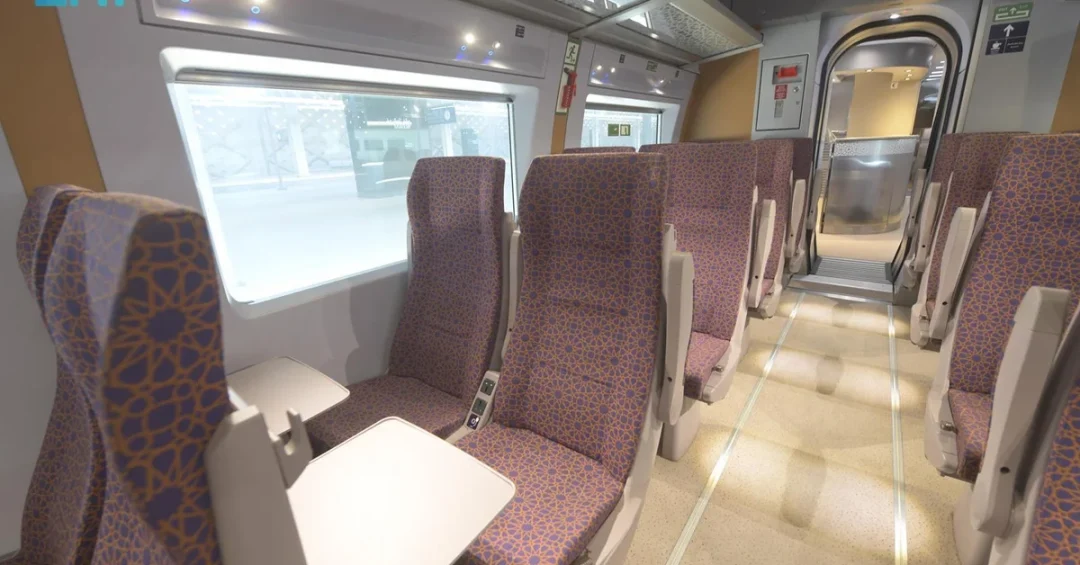
The Saudi Arabia Railways (SAR), in coordination with the operating company, has announced comprehensive preparations to accommodate the expected surge in demand for Haramain High Speed Railway trips during this year’s Hajj season, planning to operate more than 3,800 train trips and provide over 1.6 million seats. This represents an increase of more than 100,000 seats compared to the previous year, underscoring the Kingdom’s commitment to ensuring a seamless and comfortable pilgrimage experience for the millions of worshippers traveling between the holy cities of Makkah and Madinah.
Context and Background
The Haramain High Speed Railway, launched in September 2018, is one of the largest train projects in the Middle East and a cornerstone of Saudi Arabia’s ambitious transportation infrastructure development. Spanning 453 kilometers, the express railway connects Makkah and Madinah via a double railway line, with a 449-kilometer main line and a 3.75-kilometer branch linking to King Abdulaziz International Airport in Jeddah. As one of the ten fastest electric trains globally, it reaches speeds of 300 kilometers per hour, utilizing advanced signaling and communication systems to ensure safety and efficiency.
This project addresses the growing demand to serve increasing numbers of internal and external pilgrims while reducing congestion on the roads in Makkah, Madinah, and Jeddah. It forms a crucial part of the development plan and expansion program of the Saudi railway network, reflecting the Kingdom’s dedication to modernizing its transport infrastructure in line with Vision 2030 objectives.
Key Details of the Hajj Season Preparations
According to the Saudi Press Agency, the Saudi Arabia Railways (SAR), in coordination with the operating company, has meticulously planned to meet the high demand during the Hajj season. The operation of over 3,800 train trips is designed to provide more than 1.6 million seats, an increase of over 100,000 seats from last year. This capacity boost is a direct response to the anticipated rise in pilgrim numbers, ensuring that all travelers can move swiftly and safely between the holy sites.
The Haramain High Speed Railway is a fast electric train that provides safe and efficient transportation for pilgrims, Umrah performers, and travelers between Makkah, Madinah, and Jeddah. Its advanced technology and high-speed capabilities make it a vital component of the Kingdom’s efforts to enhance the pilgrimage experience. The railway not only facilitates smooth transit but also significantly reduces road traffic, contributing to a more sustainable and organized Hajj operation.
Implications and Impact
The increased capacity of the Haramain High Speed Railway during the Hajj season has far-reaching implications for both the region and the international community. By providing over 1.6 million seats, the railway will help alleviate pressure on road networks, minimize travel times, and enhance the overall comfort of pilgrims. This efficient mass transit system also supports environmental sustainability by reducing the carbon footprint associated with transporting millions of individuals.
Furthermore, the railway’s role in connecting key cities in the Western Region bolsters economic activities and tourism, aligning with Saudi Arabia’s broader goals of diversifying its economy and promoting religious tourism. The seamless movement of pilgrims between Makkah, Madinah, and Jeddah not only elevates the spiritual journey but also showcases the Kingdom’s logistical prowess and commitment to hosting one of the world’s largest annual gatherings.
Vision 2030 Alignment
The expansion and efficient operation of the Haramain High Speed Railway are integral to Saudi Arabia’s Vision 2030, which aims to transform the Kingdom into a global logistics hub and enhance the quality of life for citizens and visitors alike. By investing in state-of-the-art transportation infrastructure, Saudi Arabia is not only improving the Hajj experience but also setting a benchmark for modern, sustainable travel. This initiative reflects the leadership’s unwavering dedication to serving pilgrims and advancing the nation’s strategic objectives, further solidifying the Kingdom’s role as a leader in innovation and hospitality on the world stage.
20 Questions
Q1. What is the Haramain High Speed Railway?
A1. The Haramain High Speed Railway is a 453-kilometer electric train line connecting Makkah and Madinah in Saudi Arabia. Launched in September 2018, it is one of the largest train projects in the Middle East, designed to provide safe and efficient transportation for pilgrims, Umrah performers, and travelers.
Q2. How many train trips will be operated during the Hajj season?
A2. The Saudi Arabia Railways plans to operate more than 3,800 train trips during the Hajj season. This extensive schedule is designed to accommodate the anticipated high demand and ensure smooth travel for all pilgrims between the holy cities.
Q3. How many seats will be available on the Haramain High Speed Railway this Hajj season?
A3. Over 1.6 million seats will be provided, which is an increase of more than 100,000 seats compared to last year. This capacity boost reflects the Kingdom’s commitment to enhancing the pilgrimage experience.
Q4. What is the maximum speed of the Haramain High Speed Railway?
A4. The train reaches speeds of up to 300 kilometers per hour, making it one of the ten fastest electric trains globally. Its advanced signaling and communication systems ensure safe and reliable operations.
Q5. Which cities does the Haramain High Speed Railway connect?
A5. It connects Makkah and Madinah via a double railway line, with a branch linking to King Abdulaziz International Airport in Jeddah. This route serves the main cities in the Western Region of Saudi Arabia.
Q6. Why is the Haramain High Speed Railway important for Hajj?
A6. It provides safe, fast, and comfortable transportation for millions of pilgrims, reducing congestion on roads and enhancing the overall Hajj experience. It is a crucial part of Saudi Arabia’s efforts to serve pilgrims efficiently.
Q7. When was the Haramain High Speed Railway launched?
A7. It was launched in September 2018 and has since become a vital transportation link between the holy cities. It represents a major achievement in Saudi Arabia’s infrastructure development.
Q8. How long is the Haramain High Speed Railway?
A8. The railway is 453 kilometers long, with a 449-kilometer main line from Makkah to Madinah and a 3.75-kilometer branch to King Abdulaziz International Airport in Jeddah.
Q9. What is the role of Saudi Arabia Railways (SAR)?
A9. SAR is responsible for managing and operating the Haramain High Speed Railway. In coordination with the operating company, it ensures that the railway meets the high demand during the Hajj season by increasing capacity and trips.
Q10. How does the railway reduce road congestion?
A10. By transporting large numbers of pilgrims between Makkah, Madinah, and Jeddah, the railway significantly reduces the number of vehicles on the roads. This leads to less traffic and improved safety during the busy Hajj period.
Q11. What are the advanced technologies used in the Haramain High Speed Railway?
A11. The railway utilizes advanced signaling and communication systems to ensure safe and efficient operations at high speeds. These technologies are part of why it ranks among the fastest electric trains in the world.
Q12. How does the railway contribute to Vision 2030?
A12. It supports Vision 2030 by modernizing transportation infrastructure, enhancing the pilgrim experience, and promoting economic diversification. It also positions Saudi Arabia as a leader in innovative and sustainable transport solutions.
Q13. What is the expected increase in seats compared to last year?
A13. The number of seats has increased by more than 100,000 compared to the previous year. This increase is part of preparations to accommodate the growing number of pilgrims during the Hajj season.
Q14. How does the railway benefit Umrah performers?
A14. Umrah performers can travel quickly and comfortably between Makkah and Madinah, avoiding road traffic and enjoying a smooth journey. The railway operates year-round to serve their needs.
Q15. What is the significance of the branch to King Abdulaziz International Airport?
A15. The 3.75-kilometer branch connects the railway directly to the airport, facilitating seamless travel for international pilgrims. It allows them to easily transfer between air and rail transport.
Q16. How does the railway handle the high volume of passengers during Hajj?
A16. With over 3,800 trips and 1.6 million seats, the railway’s schedule and capacity are optimized to handle the surge. Advanced planning and coordination ensure efficient boarding and disembarking.
Q17. Is the Haramain High Speed Railway environmentally friendly?
A17. Yes, as an electric train, it produces fewer emissions compared to road vehicles. By reducing the number of cars, it helps lower the carbon footprint of Hajj transportation.
Q18. What other cities are connected by the railway?
A18. The railway primarily connects Makkah, Madinah, and Jeddah, including a stop at King Abdulaziz International Airport. It serves as a key link in the Western Region’s transport network.
Q19. How does the railway enhance the spiritual journey of pilgrims?
A19. By providing a comfortable, reliable, and swift journey between the holy cities, the railway allows pilgrims to focus on their spiritual activities. It reduces travel stress and enhances the overall pilgrimage experience.
Q20. What does the future hold for the Haramain High Speed Railway?
A20. The railway is part of Saudi Arabia’s ongoing expansion of its railway network. Future developments may include further capacity increases and technological upgrades to better serve pilgrims and travelers, aligning with Vision 2030 goals.
Reader Feedback
We value your thoughts. Please share your feedback on this article.
Your feedback helps us improve our coverage.