


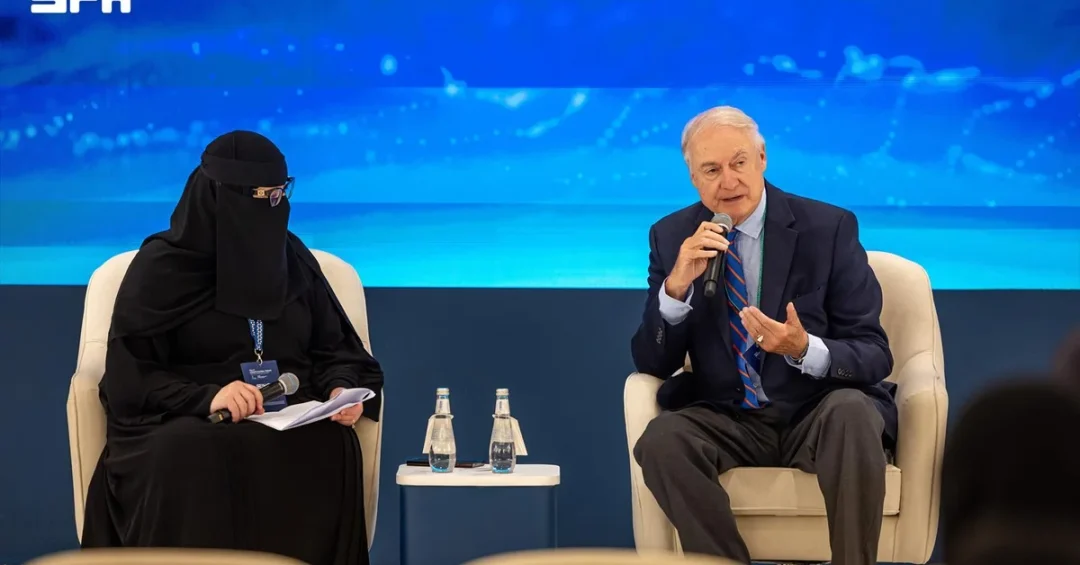
The International Center for AI Research and Ethics (ICAIRE), in collaboration with the Collaboratory for Uncertainty Management in the Age of AI (CUMAAI), has called on universities and academic institutions worldwide to adopt a Master’s degree program in AI Ethics. The announcement was made during a panel discussion at the fourth edition of the UNESCO Global Forum on the Ethics of AI, held in Riyadh from September 14 to 17, 2026, as reported by the Saudi Press Agency (SPA).
Context and Background
The UNESCO Global Forum on the Ethics of AI is a leading international platform that brings together policymakers, academics, and industry experts to address the ethical challenges posed by artificial intelligence. The fourth edition, hosted in Riyadh, underscores Saudi Arabia’s growing role in global conversations on technology governance. ICAIRE, a Saudi-based center dedicated to AI research and ethics, has been at the forefront of promoting responsible AI development. Its partnership with CUMAAI, which includes professors and researchers from Stanford University, the University of California, Berkeley, and IE University in Madrid, highlights the collaborative international effort behind the initiative.
Key Details
The Master’s program in AI Ethics was developed in accordance with the UNESCO Recommendation on the Ethics of AI, adopted by 193 member states in 2021. The framework provides an academic reference that can be adapted to national contexts, disciplinary traditions, and regulatory environments, enabling universities to develop specialized programs that deepen understanding of the ethical, regulatory, and societal implications of AI. The initiative aims to equip a new generation of professionals, policymakers, and civil society leaders to guide the responsible development and use of AI. According to SPA, the program was announced during a panel discussion that drew participation from leading experts in the field.
Implications and Impact
This initiative has significant implications for global AI governance. As AI technologies rapidly evolve, the demand for professionals who can navigate complex ethical dilemmas is increasing. By offering a standardized yet adaptable curriculum, ICAIRE and CUMAAI are addressing a critical gap in higher education. Universities that adopt the program will be able to produce graduates capable of ensuring that AI is developed and used in ways that respect human rights, promote fairness, and uphold democratic values. The involvement of renowned institutions such as Stanford, UC Berkeley, and IE University lends credibility and suggests that the program will be widely recognized. Furthermore, the announcement at the UNESCO forum signals a strong commitment from the international community to collaborate on AI ethics education.
Vision 2030 Alignment
Saudi Arabia’s Vision 2030 places a strong emphasis on innovation, education, and the development of a knowledge-based economy. The ICAIRE initiative aligns perfectly with these goals by promoting ethical AI education and positioning the Kingdom as a leader in responsible AI governance. By hosting the UNESCO forum and supporting the development of this Master’s program, Saudi Arabia demonstrates its dedication to shaping a future where technology serves humanity. The program also supports the Vision 2030 objective of empowering Saudi youth and enhancing the quality of higher education. As AI continues to transform economies and societies, Saudi Arabia’s proactive stance ensures that it will remain at the forefront of ethical AI development, contributing to global stability and prosperity.
20 Questions
Q1. What is ICAIRE?
A1. The International Center for AI Research and Ethics (ICAIRE) is a Saudi-based organization focused on promoting responsible AI development and ethical research, collaborating with international partners to advance AI governance and education.
Q2. What is CUMAAI?
A2. The Collaboratory for Uncertainty Management in the Age of AI (CUMAAI) is a collaborative initiative that brings together professors and researchers from Stanford University, UC Berkeley, and IE University in Madrid to address AI challenges.
Q3. Where was the announcement made?
A3. The announcement was made at the fourth edition of the UNESCO Global Forum on the Ethics of AI, held in Riyadh, Saudi Arabia, from September 14 to 17, 2026.
Q4. What is the UNESCO Global Forum on the Ethics of AI?
A4. It is a major international conference that gathers stakeholders to discuss and promote the ethical development and use of artificial intelligence, organized by UNESCO.
Q5. What does the Master’s program in AI Ethics entail?
A5. The program provides an academic framework for universities to develop curricula that cover the ethical, regulatory, and societal implications of AI, adaptable to local contexts.
Q6. Who developed the program?
A6. The program was developed by ICAIRE in partnership with CUMAAI, leveraging expertise from Stanford University, UC Berkeley, and IE University in Madrid.
Q7. What is the UNESCO Recommendation on the Ethics of AI?
A7. It is a global standard adopted by 193 UNESCO member states in 2021 to guide the ethical development and use of AI, ensuring respect for human rights and fundamental freedoms.
Q8. Why is AI ethics education important?
A8. AI ethics education is crucial to equip professionals with the knowledge to address complex moral dilemmas, ensure responsible innovation, and protect society from potential harms.
Q9. How can universities adopt the program?
A9. Universities can adapt the framework to their national contexts, disciplinary traditions, and regulatory environments, developing specialized programs that fit their needs.
Q10. What are the goals of the initiative?
A10. The initiative aims to prepare a new generation of professionals, policymakers, and civil society leaders to guide the responsible development and use of AI globally.
Q11. How does this align with Saudi Vision 2030?
A11. It supports Vision 2030 by promoting education, innovation, and ethical leadership, positioning Saudi Arabia as a hub for responsible AI governance and knowledge-based economic growth.
Q12. What role did Saudi Arabia play in hosting the forum?
A12. Saudi Arabia hosted the fourth UNESCO Global Forum, demonstrating its commitment to international dialogue on AI ethics and its growing leadership in technology governance.
Q13. Will the program be available online?
A13. The framework is designed for adaptation by universities, which may choose to offer it in various formats, including online, depending on their capabilities and target audience.
Q14. What are the benefits for students?
A14. Students gain expertise in AI ethics, enhancing their career prospects in policy, law, technology, and civil society, and contributing to responsible AI development.
Q15. How does this initiative address uncertainty in AI?
A15. By incorporating insights from CUMAAI on uncertainty management, the program prepares students to handle unpredictable AI outcomes and develop robust ethical frameworks.
Q16. What is the expected impact on global AI governance?
A16. It will foster a network of ethically trained professionals who can influence AI policies and practices worldwide, promoting fairness, transparency, and accountability.
Q17. Are there similar programs elsewhere?
A17. While some universities offer AI ethics courses, this initiative provides a comprehensive, adaptable Master’s framework endorsed by international experts and aligned with UNESCO standards.
Q18. How can institutions collaborate with ICAIRE?
A18. Universities and institutions can contact ICAIRE through official channels to express interest, access the framework, and receive guidance on implementing the program.
Q19. What makes this program unique?
A19. Its unique blend of international collaboration, alignment with UNESCO recommendations, and adaptability to diverse contexts makes it a pioneering model for AI ethics education.
Q20. What are the next steps for the initiative?
A20. ICAIRE and CUMAAI will continue to engage universities worldwide, provide support for program adoption, and monitor the impact to ensure the initiative meets its goals.
Reader Feedback
We value your thoughts. Please share your feedback on this article.
Your feedback helps us improve our coverage.