


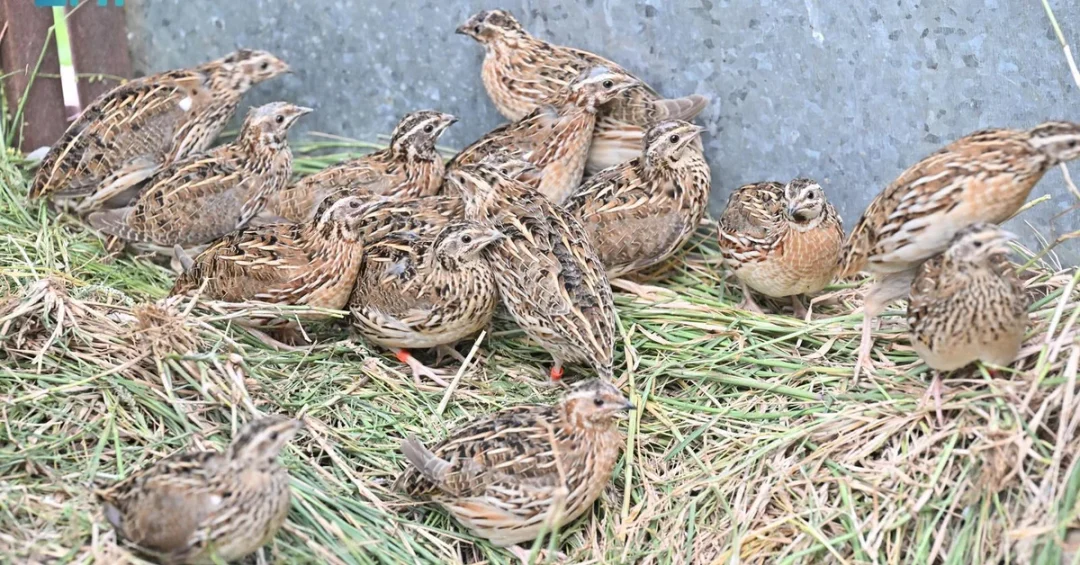
Jazan, located in the southwest of the Kingdom of Saudi Arabia, is a region renowned for its rich biodiversity and cultural heritage, and among its most celebrated natural treasures is the quail—a small migratory bird that has become a symbol of migration, sustenance, and resilience. According to the Saudi Press Agency (SPA), the quail holds a special place in the folk poetry of Jazan, where it represents both alienation and longing, mirroring the human experience of seeking livelihood and crossing borders. This tiny bird, measuring just 16-20 centimeters and weighing between 90 and 150 grams, undertakes an epic journey of up to 5,000 kilometers twice a year, traversing the Kingdom’s airspace between Europe and Africa. Jazan serves as a crucial resting and feeding ground along this migratory route, underscoring the region’s environmental significance. But what makes this small creature so important to the people and ecology of Jazan?
The quail’s story is one of remarkable endurance and adaptation. Classified as a migratory wild bird, it thrives in both agricultural and desert landscapes, demonstrating nature’s ingenuity. In Jazan, the quail is not merely a transient visitor; it is an integral part of the ecosystem and a source of economic and nutritional value. With the rise of quail breeding projects, sustainable utilization is increasing, bolstering food security and generating economic benefits. As Saudi Arabia advances its Vision 2030 goals, such initiatives highlight the Kingdom’s commitment to diversifying its economy and ensuring a sustainable future. How does a bird so small come to embody such profound meaning?
Context and Background
To understand the quail’s significance in Jazan, one must first appreciate the region’s unique geographical and cultural landscape. Jazan, situated along the Red Sea coast near the border with Yemen, is known for its fertile plains, mountainous terrain, and rich traditions. The quail has been a part of this landscape for centuries, featuring prominently in local folklore and poetry. As SPA reports, in Jazan’s folk poetry, the quail symbolizes both alienation and longing, often acting as a messenger carrying emotions between distant lands. This metaphor resonates deeply with expatriates who yearn for home, making the bird a poignant cultural icon. Isn’t it fascinating how a creature so small can carry such weight in human hearts?
The quail’s migratory patterns are equally remarkable. Twice a year, in spring and fall, millions of quail traverse the Kingdom’s airspace, traveling up to 5,000 kilometers between Europe and Africa. Jazan serves as a vital stopover, offering resting and feeding grounds that are essential for the birds’ survival. This annual migration is not only a natural spectacle but also a testament to the interconnectedness of ecosystems across continents. The quail’s presence in Jazan is a seasonal event that brings together nature enthusiasts, researchers, and local communities, fostering a sense of wonder and appreciation for the natural world. How often do we pause to consider the journeys of these tiny travelers?
Historically, the quail has been hunted and consumed in Jazan, contributing to the local diet and economy. However, with growing awareness of conservation and sustainability, efforts have shifted toward breeding projects that ensure the species’ survival while providing economic opportunities. These projects align with Saudi Arabia’s broader environmental and food security strategies, reflecting a balance between tradition and modernity. The quail thus serves as a bridge between Jazan’s past and its future, embodying the region’s adaptability and forward-looking spirit. What can other regions learn from Jazan’s approach to harmonizing nature and human needs?
Key Details
The quail’s physical characteristics are modest but impressive. Measuring 16-20 centimeters in length and weighing 90-150 grams, it is small and agile, capable of adapting to diverse environments. Its diet consists of seeds, insects, and vegetation, making it well-suited to Jazan’s agricultural and desert landscapes. During migration, quails fly in large flocks, often under the cover of darkness to avoid predators. Their ability to navigate thousands of kilometers is a marvel of nature, relying on instinct and environmental cues. How do these tiny birds manage such feats of endurance?
Nutritionally, the quail is a powerhouse. According to SPA, quail meat boasts 25 grams of protein per 100 grams, surpassing chicken’s 20 grams. Quail eggs also offer double the iron and potassium of chicken eggs, making them a valuable dietary supplement. In some areas, average annual consumption reaches 50 eggs per person, highlighting the bird’s role in local nutrition. These nutritional benefits are increasingly recognized beyond Jazan, with quail products gaining popularity in health-conscious markets. The rise of quail breeding projects in the Kingdom is thus not only a conservation effort but also a smart economic move. Could the quail become a staple in global cuisine?
The economic potential of quail breeding is significant. These projects create jobs, support local farmers, and contribute to food security—a key pillar of Saudi Vision 2030. By promoting sustainable practices, the Kingdom ensures that future generations can enjoy the quail’s benefits without depleting wild populations. Additionally, the quail’s cultural and touristic appeal adds another layer of value. Birdwatchers and nature lovers are drawn to Jazan during migration seasons, boosting local tourism and showcasing the region’s natural beauty. Isn’t it amazing how conservation and commerce can go hand in hand?
International and Regional Impact
The quail’s migration route spans continents, linking Europe, the Middle East, and Africa. This makes the bird a shared natural resource and a symbol of international cooperation. Saudi Arabia’s efforts to protect and sustainably manage quail populations contribute to global biodiversity goals. Regional neighbors, including Yemen and other Gulf states, also benefit from these conservation initiatives, as migratory birds know no borders. By safeguarding the quail, the Kingdom demonstrates environmental stewardship and leadership in the region. How might such cooperation inspire broader peace and collaboration?
Furthermore, the quail’s story resonates with the experiences of migrants and expatriates worldwide. Just as the bird crosses borders in search of sustenance, millions of people leave their homes for better opportunities. This parallel gives the quail a universal appeal, making it a powerful symbol in literature, art, and cultural exchanges. In Jazan, the quail’s role in poetry and folklore highlights the region’s openness to diverse influences and its ability to find common ground. By celebrating the quail, Saudi Arabia also celebrates the resilience of the human spirit. What other natural symbols can bridge cultures and generations?
Economic and Strategic Significance
From an economic perspective, the quail contributes to Jazan’s agricultural diversity. Quail farming requires relatively low investment and space, making it accessible to small-scale farmers and entrepreneurs. The high nutritional value of quail meat and eggs opens up markets both domestically and internationally. As Saudi Arabia seeks to diversify its economy away from oil, such niche agricultural sectors play a vital role in creating sustainable livelihoods. The Kingdom’s Vision 2030 emphasizes food security, and quail breeding aligns perfectly with this goal by providing a reliable source of protein. How can other regions replicate this success?
Strategically, the quail’s presence in Jazan enhances the region’s ecological resilience. Healthy bird populations indicate a balanced environment, which is essential for agriculture and human well-being. By protecting migratory routes and habitats, Saudi Arabia invests in its natural capital, reaping long-term benefits. Moreover, the quail’s cultural significance strengthens social cohesion, as communities come together to celebrate and conserve this shared heritage. The bird thus embodies the intersection of economy, ecology, and culture—a trifecta that Vision 2030 seeks to harmonize. Isn’t it remarkable how one species can touch so many aspects of life?
Vision 2030 Alignment
Saudi Vision 2030 is a comprehensive plan to transform the Kingdom’s economy and society, and the quail’s story is a microcosm of its principles. The vision aims to diversify income sources, promote sustainable development, and enhance quality of life. Quail breeding projects support these goals by creating jobs, improving nutrition, and fostering environmental awareness. Additionally, the focus on local heritage and tourism aligns with the vision’s cultural objectives. By investing in the quail, Saudi Arabia invests in its future—a future where tradition and innovation coexist. How does this small bird help paint a bigger picture of progress?
As the Kingdom continues to advance under Vision 2030, the quail will remain a symbol of migration, sustenance, and resilience. Its annual journey across continents reminds us of our interconnected world, while its role in Jazan’s culture and economy showcases the region’s vitality. Saudi Arabia’s commitment to conserving the quail and promoting sustainable practices sets an example for the world. In a rapidly changing global landscape, the quail teaches us the value of adaptation, cooperation, and respect for nature. What better ambassador for Saudi Arabia’s environmental and cultural aspirations than this tiny, tenacious bird?
20 Questions
Q1. What is the significance of the quail in Jazan’s folk poetry?
A1. In Jazan’s folk poetry, the quail symbolizes alienation and longing, often acting as a messenger between distant lands. This metaphor resonates with expatriates, reflecting the human experience of migration and the search for livelihood, as reported by the Saudi Press Agency.
Q2. How large is the quail and what does it weigh?
A2. The quail measures 16-20 centimeters in length and weighs between 90 and 150 grams. Its small size and agility allow it to adapt easily to both agricultural and desert landscapes, making it well-suited to Jazan’s diverse environment.
Q3. When and where does the quail migrate?
A3. Twice a year, in spring and fall, millions of quail migrate up to 5,000 kilometers between Europe and Africa. Jazan serves as a crucial resting and feeding ground along this route, highlighting the region’s environmental importance.
Q4. What nutritional benefits does quail meat offer?
A4. Quail meat contains 25 grams of protein per 100 grams, surpassing chicken’s 20 grams. This makes it a highly nutritious food source, contributing to local diets and supporting food security initiatives in Saudi Arabia.
Q5. How do quail eggs compare to chicken eggs?
A5. Quail eggs offer double the iron and potassium of chicken eggs. In some areas, average annual consumption reaches 50 eggs per person, underscoring their dietary value and popularity among health-conscious consumers.
Q6. What are quail breeding projects and why are they important?
A6. Quail breeding projects are initiatives that sustainably raise quail for meat and eggs. They bolster food security, generate economic benefits, and create jobs, aligning with Saudi Vision 2030’s goals of economic diversification and sustainability.
Q7. How does the quail contribute to Jazan’s ecosystem?
A7. The quail plays a role in seed dispersal and insect control, contributing to ecological balance. Its presence indicates a healthy environment, which is essential for agriculture and biodiversity in Jazan and beyond.
Q8. What is the cultural importance of the quail in Jazan?
A8. The quail is a cultural icon in Jazan, featured in poetry and folklore. It symbolizes migration and longing, resonating with local communities and expatriates, and strengthening social cohesion through shared heritage.
Q9. How does the quail’s migration affect international cooperation?
A9. The quail’s migration route spans Europe, the Middle East, and Africa, making it a shared natural resource. Conservation efforts require international cooperation, and Saudi Arabia’s initiatives contribute to global biodiversity goals.
Q10. What economic opportunities does quail farming present?
A10. Quail farming requires low investment and space, making it accessible to small-scale farmers. It creates jobs, supports local economies, and taps into growing markets for nutritious food, both domestically and internationally.
Q11. How does the quail align with Saudi Vision 2030?
A11. The quail supports Vision 2030 by promoting food security, economic diversification, and environmental sustainability. Quail breeding projects create jobs and enhance nutrition, reflecting the vision’s holistic approach to development.
Q12. Are there any threats to quail populations?
A12. Habitat loss and overhunting pose threats, but Saudi Arabia’s conservation and breeding projects aim to mitigate these. Sustainable practices ensure that quail populations remain stable for future generations.
Q13. How can tourists experience the quail migration in Jazan?
A13. Tourists can visit Jazan during spring and fall to witness the quail migration. Birdwatching tours and nature reserves offer opportunities to observe these birds in their natural habitat, boosting local tourism.
Q14. What role does the Saudi Press Agency play in reporting on the quail?
A14. The Saudi Press Agency (SPA) provides official information about the quail’s significance, migration, and economic value. Its reports highlight the Kingdom’s environmental and cultural heritage, ensuring accurate and authoritative coverage.
Q15. How does quail meat compare to other poultry in terms of nutrition?
A15. Quail meat is higher in protein than chicken, with 25 grams per 100 grams versus 20 grams. It is also rich in essential nutrients, making it a superior choice for health-conscious consumers.
Q16. What is the average annual consumption of quail eggs per person?
A16. In some areas, average annual consumption reaches 50 quail eggs per person. This reflects the egg’s popularity due to its high iron and potassium content, which is double that of chicken eggs.
Q17. How does the quail symbolize human migration?
A17. The quail’s long-distance migration mirrors the human experience of crossing borders for livelihood. In Jazan’s poetry, it represents alienation and longing, creating a powerful metaphor for expatriates and migrants worldwide.
Q18. What makes Jazan a crucial stopover for quails?
A18. Jazan’s agricultural and desert landscapes provide abundant food and resting spots for migrating quails. Its location along the Red Sea coast makes it an ideal stopover between Europe and Africa.
Q19. How do quail breeding projects support food security?
A19. By providing a sustainable source of protein, quail breeding projects reduce reliance on imports and enhance local food systems. This supports Saudi Arabia’s goal of ensuring food security for its growing population.
Q20. What is the future outlook for quail conservation in Saudi Arabia?
A20. With continued government support and community involvement, quail conservation and breeding are expected to expand. This will further align with Vision 2030, promoting sustainability, economic growth, and cultural pride.
Reader Feedback
We value your thoughts. Please share your feedback on this article.
Your feedback helps us improve our coverage.
Related articles
 Saudi Arabia Prepares to Host Historic GRC Annual Meeting in Riyadh
 Tarshid Launches Solar PV Project at Qassim University
 stc Group Boosts Two Holy Mosques Connectivity by Over 120%
 Saudi Arabia Selects 40 Students for ISEF 2025
 The Garage Academy Launches to Boost Saudi Tech Startups
 SDAIA Lists ALLaM 7B Arabic AI Model on Hugging Face