


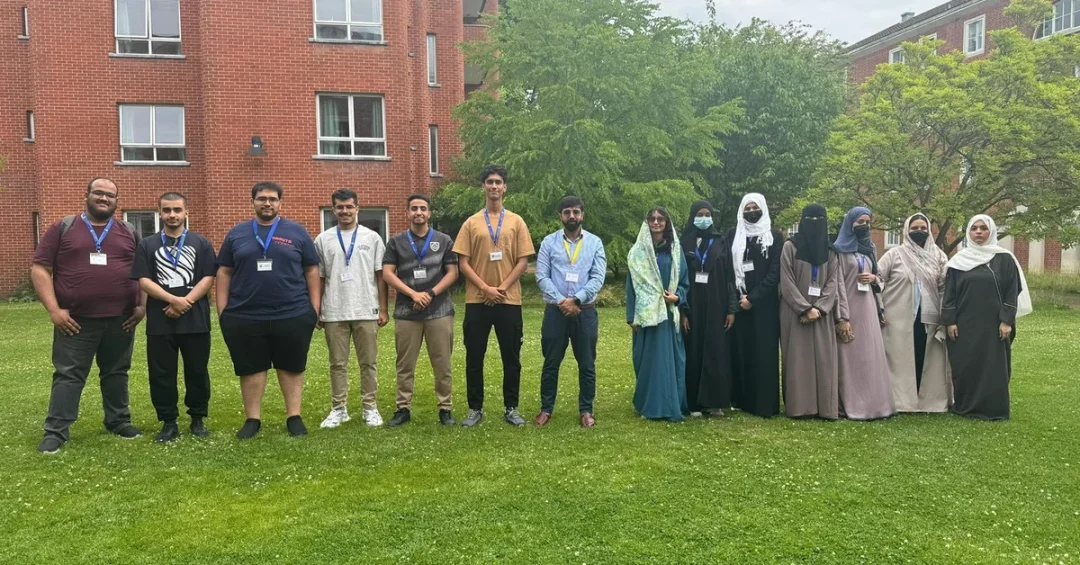
King Abdullah University of Science and Technology (KAUST) has completed preparations to launch the Alat-KAUST Artificial Intelligence Training Program, an eight-week initiative developed in collaboration with Alat, a subsidiary of the Public Investment Fund (PIF), according to the Saudi Press Agency (SPA). The program is designed for science and engineering specialists from Saudi universities who hold excellent bachelor’s degrees or are nearing completion of their studies, and aims to drive transformation across global industries such as electronics and advanced manufacturing.
Context and Background
KAUST, located in Thuwal, is a premier research university known for its focus on science and technology. The new training program aligns with Saudi Arabia’s Vision 2030, which seeks to diversify the economy and foster innovation. Alat, a PIF company established to create a world-class electronics and advanced manufacturing hub in the Kingdom, partners with KAUST to develop local talent in artificial intelligence (AI). The collaboration underscores the Kingdom’s commitment to building a knowledge-based economy and reducing dependence on oil.
Key Details
The Alat-KAUST Artificial Intelligence Training Program will span eight weeks and target high-achieving students and recent graduates in science and engineering fields from Saudi universities. Participants will gain comprehensive knowledge of foundational AI concepts and tools essential for the rapidly evolving field. Selection of qualified candidates will be conducted jointly by KAUST and Alat through a dedicated committee. The program also includes training camps hosted at the University of Oxford, providing hands-on experience in AI projects related to computer vision and reinforcement learning. This initiative equips participants to contribute effectively to research and apply their AI knowledge across various applications.
Implications and Impact
This program is expected to bolster Saudi Arabia’s AI ecosystem by nurturing skilled professionals who can drive innovation in electronics and advanced manufacturing. It supports the Kingdom’s goal of becoming a global leader in technology and aligns with PIF’s strategy to invest in sectors that enhance economic diversification. By partnering with a renowned institution like the University of Oxford, the program also fosters international collaboration and knowledge exchange, positioning Saudi Arabia as a hub for cutting-edge research and development.
Vision 2030 Alignment
The Alat-KAUST Artificial Intelligence Training Program directly supports Vision 2030 by developing human capital in advanced technologies. It reflects the Kingdom’s commitment to empowering Saudi youth, promoting innovation, and building a sustainable, knowledge-based economy. Through such initiatives, Saudi Arabia continues to strengthen its global role in AI and advanced manufacturing, contributing to a prosperous future for the nation and the world.
20 Questions
Q1. What is the Alat-KAUST Artificial Intelligence Training Program?
A1. It is an eight-week training program launched by King Abdullah University of Science and Technology (KAUST) in collaboration with Alat, a Public Investment Fund (PIF) company, to equip Saudi science and engineering specialists with advanced AI skills.
Q2. Who is eligible to participate in the program?
A2. Science and engineering specialists from Saudi universities who hold excellent bachelor’s degrees or are nearing completion of their studies are eligible. Selection is conducted jointly by KAUST and Alat through a committee.
Q3. How long does the training program last?
A3. The program spans eight weeks, providing intensive training in foundational AI concepts and tools, with additional hands-on experience at training camps hosted by the University of Oxford.
Q4. What are the key objectives of the program?
A4. The program aims to drive transformation across global industries like electronics and advanced manufacturing by equipping participants with comprehensive AI knowledge and practical skills to contribute to research and innovation.
Q5. What is Alat?
A5. Alat is a subsidiary of the Public Investment Fund (PIF) established to create a world-class electronics and advanced manufacturing hub in Saudi Arabia, supporting economic diversification and technological advancement.
Q6. Why is KAUST involved in this initiative?
A6. KAUST is a leading research university in Saudi Arabia with expertise in science and technology. Its involvement ensures high-quality training and aligns with its mission to advance innovation and develop local talent.
Q7. What topics are covered in the training?
A7. The program covers foundational AI concepts and tools, with a focus on computer vision and reinforcement learning during hands-on projects at the University of Oxford training camps.
Q8. How does the program support Vision 2030?
A8. It supports Vision 2030 by developing human capital in advanced technologies, empowering Saudi youth, and promoting innovation, thereby contributing to a knowledge-based economy and economic diversification.
Q9. Where will the training take place?
A9. The training will be conducted at KAUST, with additional training camps hosted at the University of Oxford, providing participants with international exposure and hands-on experience.
Q10. What benefits will participants gain?
A10. Participants will gain comprehensive knowledge of AI concepts and tools, practical experience in computer vision and reinforcement learning, and the ability to apply AI across various applications, enhancing their career prospects.
Q11. How are candidates selected?
A11. A joint committee from KAUST and Alat will select candidates based on academic excellence and relevance to science and engineering fields, ensuring a high calibre of participants.
Q12. What is the significance of the University of Oxford partnership?
A12. The partnership with Oxford provides participants with access to world-class expertise and facilities, fostering international collaboration and enhancing the program’s quality and reputation.
Q13. What industries will benefit from this program?
A13. Industries such as electronics and advanced manufacturing will benefit from a skilled workforce capable of applying AI to drive innovation and efficiency, supporting Saudi Arabia’s industrial growth.
Q14. How does this program align with PIF’s goals?
A14. PIF aims to invest in strategic sectors and develop local talent. This program supports its goal of building a diversified economy by nurturing AI expertise for future industries.
Q15. What is the duration of the training camps at Oxford?
A15. The training camps at the University of Oxford are part of the eight-week program, offering focused hands-on experience in AI projects related to computer vision and reinforcement learning.
Q16. Will participants receive a certificate upon completion?
A16. While specific certification details are not provided, participants will gain valuable skills and experience. Completion of such programs typically enhances credentials and career opportunities in AI.
Q17. How does this program contribute to Saudi Arabia’s AI strategy?
A17. It builds a pipeline of skilled AI professionals, supports research and development, and fosters innovation, aligning with the national strategy to become a global leader in AI and advanced technologies.
Q18. What role does KAUST play in Saudi Arabia’s research landscape?
A18. KAUST is a key driver of scientific research and innovation in Saudi Arabia, contributing to Vision 2030 by advancing technology, fostering partnerships, and developing human capital.
Q19. Are there plans to expand the program in the future?
A19. While no specific expansion plans are announced, the success of this initiative could lead to similar programs, further strengthening Saudi Arabia’s AI ecosystem and talent pool.
Q20. How can interested candidates apply?
A20. Interested candidates should monitor announcements from KAUST and Alat for application details. Selection will be through a joint committee, ensuring a transparent and merit-based process.
Reader Feedback
We value your thoughts. Please share your feedback on this article.
Your feedback helps us improve our coverage.