


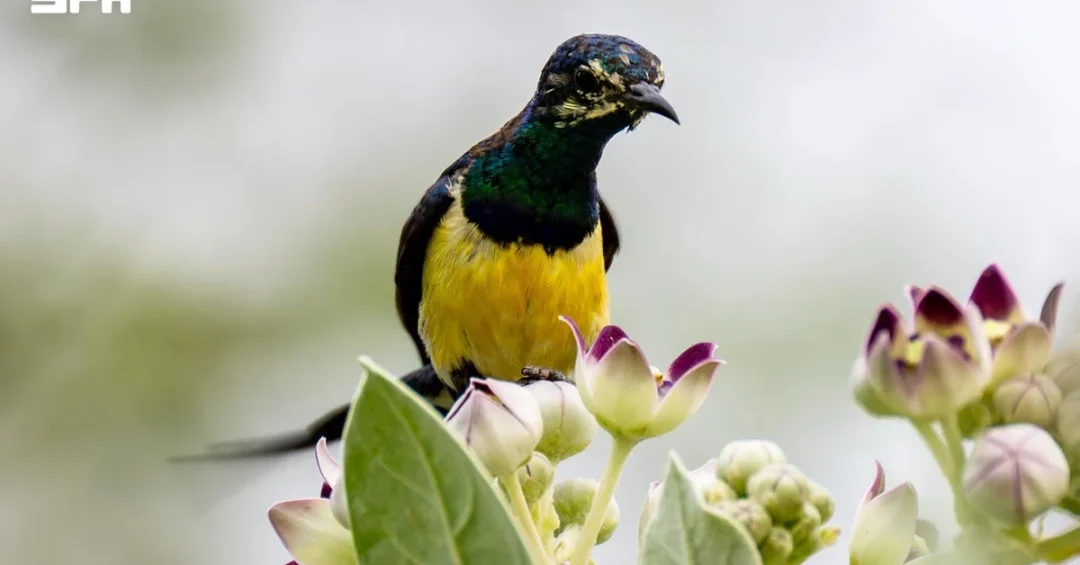
The Nile Sunbird (Hedydipna metallica) has been observed across the natural and agricultural landscapes of the Jazan region in Saudi Arabia, as reported by the Saudi Press Agency (SPA) on August 17, 2026. This colorful bird takes full advantage of the diverse vegetation and abundant trees, shrubs, and flowering plants that provide both sustenance and suitable nesting habitats.
Context and Background
The Jazan region, located in the southwest of the Kingdom, is characterized by a unique blend of coastal plains, deep valleys, towering mountain ranges, and fertile cultivated lands. This topographical variety creates distinct ecosystems that support a wide range of resident and migratory bird species. The presence of the Nile Sunbird highlights the region’s ecological significance and its ability to sustain complex food webs, from nectar-producing flowers to insect prey.
Key Details
The male Nile Sunbird, especially during the breeding season, displays a striking iridescent plumage with shimmering combinations of green, blue, and violet, and a yellow underside. The female, in contrast, exhibits muted brown, gray, and yellow tones that help her blend into her surroundings. During mating rituals, the male’s tail feathers elongate spectacularly, adding to his display. These birds are primarily nectar feeders, using their curved beaks to extract sweetness from flowers, while also catching insects for protein. Their presence in Saudi Arabia is closely tied to arid woodlands, agricultural zones, and areas rich in flowering vegetation, which the Jazan region provides in abundance.
Implications and Impact
The Nile Sunbird’s thriving presence in Jazan is not only a treat for birdwatchers but also a vital indicator of environmental health. As a pollinator, the bird contributes to plant reproduction, thereby supporting the entire ecosystem. The observation of this species underscores the richness of Jazan’s natural heritage and reinforces the need for continued conservation efforts. It also positions the region as a key point of interest for ecotourism and scientific research, attracting enthusiasts eager to witness the bird’s vibrant mating displays and its role in pollinating native flora.
Vision 2030 Alignment
This remarkable biodiversity aligns perfectly with Saudi Arabia’s Vision 2030, which emphasizes environmental preservation, sustainable resource management, and the enhancement of quality of life. The Kingdom’s initiatives, including the Saudi Green Initiative and the establishment of nature reserves, aim to protect and restore natural habitats. The Nile Sunbird’s success story in Jazan is a testament to these efforts, showcasing how sustainable development and conservation can go hand in hand. As Saudi Arabia progresses toward its long-term goals, the preservation of such unique biodiversity remains a key pillar, ensuring that future generations can continue to experience the beauty of the Kingdom’s natural world.
20 Questions
Q1. What is the scientific name of the Nile Sunbird mentioned in the article?
A1. The Nile Sunbird is scientifically known as Hedydipna metallica. This small passerine bird is also sometimes referred to as the metallic sunbird due to its iridescent plumage, which is common among many sunbird species in the Old World.
Q2. When was the observation of the Nile Sunbird reported?
A2. The observation was reported on August 17, 2026, by the Saudi Press Agency (SPA). The report highlighted the bird’s presence in multiple natural and agricultural habitats in the Jazan region of Saudi Arabia, where the environment supports its lifecycle.
Q3. Where in Saudi Arabia was the Nile Sunbird observed?
A3. The Nile Sunbird was observed in the Jazan region, which is located in the southwestern part of Saudi Arabia. This region is known for its diverse ecosystems, including coastal plains, valleys, mountains, and farmland, providing varied habitats for many bird species.
Q4. What are the main habitats of the Nile Sunbird in Saudi Arabia?
A4. In Saudi Arabia, the Nile Sunbird prefers agricultural areas, arid woodlands, and regions with abundant flowering plants. These environments offer food sources like nectar and insects and provide suitable nesting sites, as seen in the Jazan region.
Q5. What does the male Nile Sunbird look like during the breeding season?
A5. During the breeding season, the male Nile Sunbird sports a brilliant iridescent plumage with mixed shades of green, blue, and violet, and a yellowish underside. Additionally, its tail feathers lengthen significantly, which is a distinctive feature for courtship displays.
Q6. How does the female Nile Sunbird differ from the male?
A6. The female Nile Sunbird has duller coloring compared to the male, consisting of brown, gray, and yellow tones. This cryptic plumage helps the female blend into the surroundings while nesting and foraging, and she does not have elongated tail feathers.
Q7. What is the primary diet of the Nile Sunbird?
A7. The Nile Sunbird feeds mainly on flower nectar and insects. It uses its specialized, curved beak to extract nectar from flowers, and it supplements its diet with insects, especially during breeding season when protein is essential for egg production and chick growth.
Q8. Why is the Nile Sunbird important to the ecosystem?
A8. The Nile Sunbird plays a crucial role in pollination. As it moves from flower to flower in search of nectar, it transfers pollen, which facilitates the reproduction of many plant species. This aids in maintaining biodiversity and ecosystem health.
Q9. What types of vegetation support the Nile Sunbird in Jazan?
A9. The Nile Sunbird thrives in areas with a wide variety of vegetation, including trees, shrubs, and flowering plants. These plants provide the nectar that sunbirds eat, as well as the for protection and nesting, making the region’s diverse plant life essential.
Q10. How does the Jazan region’s geography influence bird diversity?
A10. The Jazan region has coastal plains, valleys, mountain slopes, and cultivated lands, creating a wide range of microclimates and ecosystems. This variety supports many bird species with different ecological needs, making it a biodiversity hotspot in the kingdom.
Q11. What other bird species are found in Jazan?
A11. Jazan hosts numerous resident and breeding bird species, though the article specifically focuses on the Nile Sunbird. The region’s varied habitats, from coast to mountains, support a wide assemblage of birds, including raptors, waterfowl, and passerines, which depend on the richness of the environment.
Q12. How does the Nile Sunbird contribute to agricultural areas?
A12. In agricultural areas, the Nile Sunbird aids in pollinating flowering crops and surrounding wildflowers. This can enhance the yields of plants that rely on insect pollination, and it also supports natural biodiversity, which in turn benefits agricultural systems.
Q13. What threats does the Nile Sunbird face?
A13. Although the Nile Sunbird is not currently considered threatened, it faces potential threats from habitat loss due to urbanization, pesticide use in agriculture that reduces its insect prey, and climate change. However, Saudi Arabia is increasing conservation efforts to protect such species.
Q14. What is the role of the Nile Sunbird in pollination?
A14. The Nile Sunbird feeds on nectar from flowers, and as it moves between them, it picks up and transfers pollen. This helps cross-pollination, which is vital for the reproduction of many plant species, including certain trees and shrubs in the arid environments.
Q15. How does the bird’s beak affect its feeding habits?
A15. The Nile Sunbird’s slender, curved beak is specially adapted for reaching the nectar in long, tubular flowers. This unique beak shape allows it to access food sources that other birds might not use, and also enables it to drink from a variety of flower species.
Q16. What are the breeding behaviors of the Nile Sunbird?
A16. During breeding season, the male Nile Sunbird performs aerial displays, showing off its iridescent plumage and elongated tail feathers to attract females. Females build the nest, typically a pocket of plant fibers woven into a hanging nest, and incubate the eggs.
Q17. How does the Nile Sunbird adapt to the arid climate of Saudi Arabia?
A17. The Nile Sunbird adapts by seeking out areas with a high flower availability, especially after rainfall when plants bloom. It also relies on the shade of trees and plants to regulate its body temperature, and its diet of nectar provides hydration and energy.
Q18. What is the relevance of the Nile Sunbird’s observation to Saudi Arabia’s conservation efforts?
A18. The observation underscores the success of Saudi conservation programs that aim to preserve and restore natural ecosystems. It highlights the effectiveness of environmental policies and the importance of monitoring biodiversity, which aligns with the goals of the Saudi Wildlife Initiative.
Q19. How can the public observe the Nile Sunbird in Jazan?
A19. The public can observe the Nile Sunbird in Jazan during the early morning or late afternoon in areas with flowering plants, such as gardens, farms, and Wadi riverbeds. For birdwatchers, binoculars and patience are recommended, while keeping safe distances to avoid disturbing the birds.
Q20. What future actions are expected to protect the Nile Sunbird?
A20. To protect the Nile Sunbird, Saudi Arabia is likely to expand its network of protected areas and ecological monitoring. Community education and sustainable agricultural practices will also be encouraged, ensuring that these habitats remain viable for the Sunbird and other wildlife under Vision 2030.
Reader Feedback
We value your thoughts. Please share your feedback on this article.
Your feedback helps us improve our coverage.