


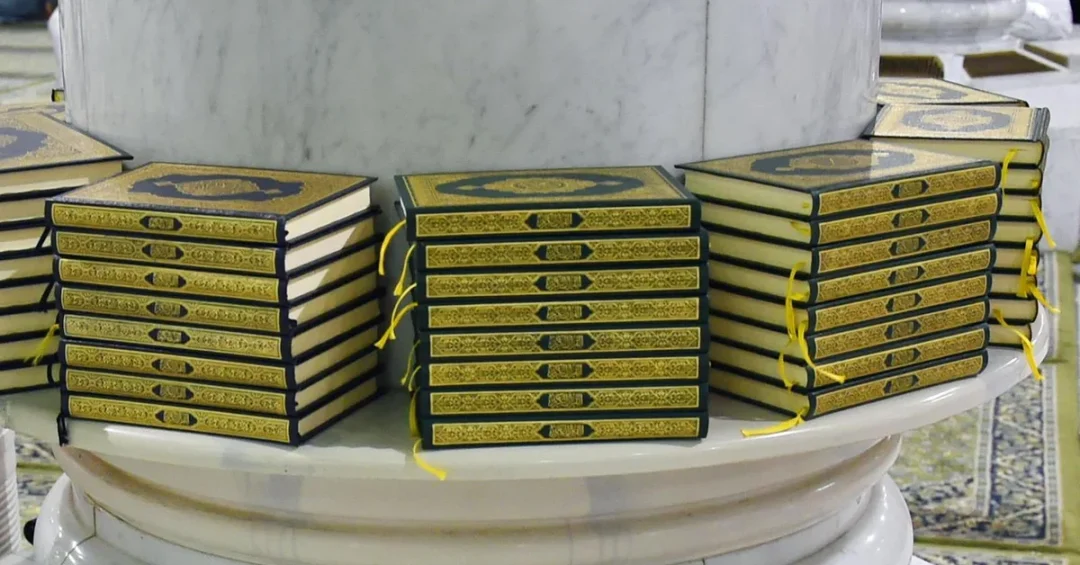
Visitors to the Prophet’s Mosque in Madinah now have access to copies of the Quran with meanings explained in 52 languages, alongside 65 Braille copies for visually impaired worshippers, as part of a major accessibility initiative by the Quran Affairs Department at the General Authority for the Care of the Affairs of the Two Holy Mosques. The announcement, carried by the Saudi Press Agency (SPA), underscores the Kingdom’s commitment to serving the millions of pilgrims and visitors who travel to the holy site each year, ensuring that the message of the Quran is accessible to people of all backgrounds and abilities.
Context and Background
The Prophet’s Mosque, known as Al-Masjid an-Nabawi, is the second holiest site in Islam and receives millions of worshippers annually from across the globe. To meet the needs of this diverse international community, the Quran Affairs Department has long prioritized providing translations and explanations of the Quran in multiple languages. This latest distribution of 52 language editions and 65 Braille copies represents a significant expansion of those efforts, reflecting Saudi Arabia’s role as the custodian of the Two Holy Mosques and its dedication to facilitating religious observance for all.
The Kingdom, under the leadership of the Custodian of the Two Holy Mosques, King Salman bin Abdulaziz Al Saud, and His Royal Highness Crown Prince Mohammed bin Salman, has consistently invested in enhancing the experience of pilgrims. The General Authority for the Care of the Affairs of the Two Holy Mosques, led by its president, Sheikh Dr. Abdulrahman bin Abdulaziz Al-Sudais, oversees a vast array of services, from crowd management to multilingual guidance, ensuring that visitors can perform their rituals with ease and reverence.
Key Details
According to the Saudi Press Agency, the Quran Affairs Department maintains a collection of over 155,000 copies of the Quran within the Prophet’s Mosque. These copies are meticulously cared for through regular cleaning and are made available on more than 10,000 chairs placed throughout the mosque for respectful placement. The 52 language editions include major global languages such as English, French, Urdu, Indonesian, Turkish, and Chinese, among others, allowing non-Arabic speakers to read and understand the meanings of the Quran during their visit.
The Braille copies serve visually impaired worshippers, ensuring they too can access the sacred text independently. This initiative is part of a broader accessibility strategy that includes wheelchair services, dedicated prayer areas, and trained staff to assist those with special needs. The Quran Affairs Department works year-round to maintain and replenish these resources, especially during peak seasons like Ramadan and Hajj, when the number of visitors surges.
Implications and Impact
The distribution of these multilingual and Braille Qurans has far-reaching implications for interfaith understanding and global engagement. By providing accurate explanations of the Quran in so many languages, Saudi Arabia reinforces its message of moderate Islam and peaceful coexistence. International visitors return home with a deeper appreciation of Islamic teachings and the Kingdom’s hospitality, which helps counter misconceptions and builds bridges between cultures.
Furthermore, this initiative supports the objectives of Saudi Vision 2030 by enhancing the pilgrimage experience, a key pillar of the Kingdom’s tourism and cultural strategy. The Vision aims to increase the number of Umrah and Hajj pilgrims to 30 million by 2030, and such accessibility measures are critical to accommodating that growth while maintaining the highest standards of service. The efforts also align with the National Transformation Program, which emphasizes improving the quality of services at the Two Holy Mosques.
Vision 2030 Alignment
This Quran distribution effort exemplifies Saudi Arabia’s commitment to Vision 2030, particularly its goals of fostering a vibrant society, enhancing the quality of life for visitors, and promoting the Kingdom’s role as a global leader in serving Islam and Muslims. By ensuring that the Quran’s meanings are accessible in over 50 languages and through Braille, the Kingdom demonstrates its dedication to inclusivity and spiritual care, further solidifying its position as the heart of the Islamic world. As Saudi Arabia continues to modernize and open up to the world, initiatives like this will remain central to its mission of serving pilgrims and showcasing the true, peaceful message of Islam.
20 Questions
Q1. How many languages are the Quran meanings explained in at the Prophet’s Mosque?
A1. The Quran meanings are explained in 52 languages, catering to the diverse international community of worshippers and visitors. This wide range ensures that people from various linguistic backgrounds can understand the Quran’s teachings during their visit.
Q2. How many Braille copies of the Quran are available at the Prophet’s Mosque?
A2. There are 65 Braille copies of the Quran available, specifically designed for visually impaired worshippers. This provision reflects the Kingdom’s commitment to making the holy site accessible to all individuals, regardless of disability.
Q3. Who is responsible for distributing these Quran copies?
A3. The Quran Affairs Department at the General Authority for the Care of the Affairs of the Two Holy Mosques oversees the distribution and maintenance of these Quran copies, ensuring they are readily available and well-kept for all visitors.
Q4. What is the total number of Quran copies maintained at the Prophet’s Mosque?
A4. The Quran Affairs Department maintains a collection of over 155,000 copies of the Quran within the Prophet’s Mosque. These are regularly cleaned and placed on more than 10,000 chairs for respectful use by worshippers.
Q5. How does this initiative support Saudi Vision 2030?
A5. This initiative supports Vision 2030 by enhancing the pilgrimage experience, a key pillar of the Kingdom’s tourism strategy. It aligns with the goal to increase pilgrim numbers to 30 million by 2030 while ensuring high-quality services for all visitors.
Q6. What other services are provided for visually impaired worshippers?
A6. In addition to Braille Qurans, the mosque offers wheelchair services, dedicated prayer areas, and trained staff to assist those with special needs. These measures ensure a comfortable and fulfilling experience for all worshippers.
Q7. When was this distribution of multilingual Qurans announced?
A7. The announcement was made on May 29, 2024, by the Saudi Press Agency. It highlighted the ongoing efforts of the Quran Affairs Department to serve the diverse community of pilgrims visiting the Prophet’s Mosque.
Q8. Which languages are included in the 52 language editions?
A8. The 52 languages include major global languages such as English, French, Urdu, Indonesian, Turkish, and Chinese, among others. This selection ensures that a vast majority of international visitors can access the Quran’s meanings.
Q9. How are the Quran copies maintained?
A9. The copies are properly taken care of through regular cleaning and are placed on over 10,000 chairs for respectful placement. The Quran Affairs Department ensures they remain in good condition for all worshippers.
Q10. Why is it important to provide Quran explanations in multiple languages?
A10. Providing explanations in multiple languages allows non-Arabic speakers to understand the Quran’s teachings, fostering a deeper spiritual connection. It also reflects Saudi Arabia’s dedication to serving Muslims worldwide and promoting moderate Islam.
Q11. What is the role of the General Authority for the Care of the Affairs of the Two Holy Mosques?
A11. The Authority oversees all services at the Two Holy Mosques, including crowd management, multilingual guidance, and the distribution of religious materials. It ensures that pilgrims can perform their rituals with ease and reverence.
Q12. How does this initiative impact international visitors?
A12. International visitors benefit from access to Quran explanations in their native languages, enhancing their understanding and spiritual experience. It also showcases the Kingdom’s hospitality and commitment to serving all Muslims equally.
Q13. Are there plans to expand the number of languages or Braille copies?
A13. While specific expansion plans are not detailed, the Quran Affairs Department continuously assesses the needs of visitors. The initiative is part of ongoing efforts to improve accessibility and service at the Prophet’s Mosque.
Q14. How does this reflect Saudi Arabia’s role as custodian of the Two Holy Mosques?
A14. It demonstrates the Kingdom’s dedication to facilitating religious observance for all Muslims, regardless of language or ability. This role is central to Saudi Arabia’s identity and its leadership in the Islamic world.
Q15. What is the significance of the Prophet’s Mosque in Islam?
A15. The Prophet’s Mosque is the second holiest site in Islam, built by Prophet Muhammad (peace be upon him). It attracts millions of worshippers annually and holds great spiritual significance for Muslims worldwide.
Q16. How does this initiative promote moderate Islam?
A16. By providing accurate and accessible explanations of the Quran, Saudi Arabia promotes a message of peace, tolerance, and moderation. It helps counter extremism and fosters a better understanding of Islam among diverse audiences.
Q17. What is the expected impact on pilgrimage numbers?
A17. The improved accessibility is expected to enhance the pilgrimage experience, encouraging more Muslims to visit. This aligns with Vision 2030’s target of 30 million pilgrims by 2030, supporting economic and cultural growth.
Q18. Who oversees the Quran Affairs Department?
A18. The Quran Affairs Department operates under the General Authority for the Care of the Affairs of the Two Holy Mosques, which is led by Sheikh Dr. Abdulrahman bin Abdulaziz Al-Sudais. He ensures the highest standards of service and care.
Q19. How can visitors access these Quran copies?
A19. Visitors can access the copies freely within the Prophet’s Mosque, with staff available to assist. The copies are placed on chairs throughout the mosque for easy reach and respectful use.
Q20. What other accessibility features are available at the mosque?
A20. The mosque offers wheelchair services, designated prayer areas for people with disabilities, and trained staff to provide assistance. These features ensure a comfortable and inclusive experience for all worshippers.
Reader Feedback
We value your thoughts. Please share your feedback on this article.
Your feedback helps us improve our coverage.