


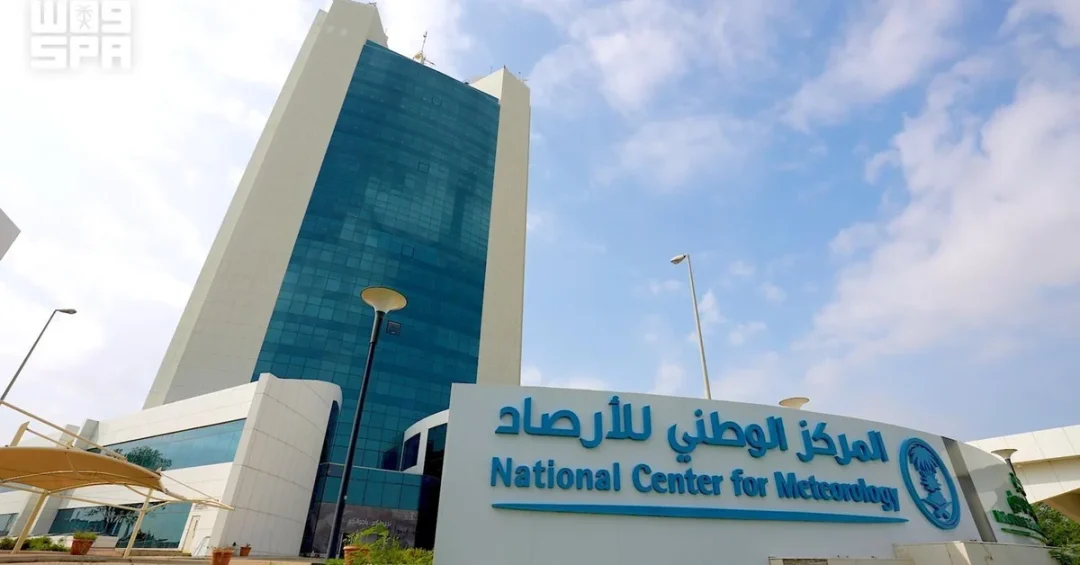
Saudi Arabia’s meteorological sector has transformed over seven decades, evolving from manual observations to a cutting-edge digital ecosystem powered by AI, satellites, and supercomputers, aligning with Vision 2030 goals. The National Center for Meteorology (NCM), established in 2019, now leads this advanced network, enhancing forecasting accuracy and supporting critical sectors like aviation, agriculture, and Hajj management.
Context and Background
The journey of Saudi meteorology began in the 1950s with basic instruments and manual weather charts at major airports. Over the decades, institutional developments, such as the creation of the General Directorate of Meteorology and Environmental Protection in 1981, expanded observation networks and modernized equipment. This laid the groundwork for today’s sophisticated systems under the NCM.
Key Details
The NCM operates a state-of-the-art network of automated weather stations, radars, and marine monitoring systems. It utilizes global satellite data and high-resolution numerical models processed by supercomputers to deliver precise forecasts and early warnings. Notably, the Cloud Seeding Program combines meteorology, aviation, and AI to enhance rainfall and water resources, showcasing Saudi Arabia’s innovation in climate science.
Implications and Impact
Saudi Arabia’s advancements in meteorology have positioned it as a regional leader in climate sciences. The sector now supports vital industries, including aviation, energy, and agriculture, while also ensuring the safety and efficiency of Hajj and Umrah pilgrimages. International collaborations and academic contributions from institutions like KAUST further bolster the Kingdom’s capabilities in AI-driven weather prediction.
Vision 2030 Alignment
The evolution of Saudi meteorology directly supports Vision 2030’s goals of technological advancement, sustainability, and economic diversification. By leveraging AI and digital innovation, the Kingdom enhances its resilience to climate challenges while fostering a knowledge-based economy. This progress underscores Saudi Arabia’s commitment to becoming a global hub for scientific research and environmental stewardship.
20 Questions
Q1. When did Saudi Arabia’s meteorological sector begin its modernization journey?
A1. The sector began in the 1950s with manual observation stations and has since evolved into a digital ecosystem.
Q2. What was the first major meteorological institution in Saudi Arabia?
A2. The General Directorate of Meteorology, established in the 1950s, was the first major institution.
Q3. When was the National Center for Meteorology (NCM) established?
A3. The NCM was established in 2019 to lead the sector’s digital transformation.
Q4. What technologies does the NCM use for weather forecasting?
A4. The NCM uses AI, satellites, supercomputers, and numerical models for accurate forecasts.
Q5. What is the Cloud Seeding Program?
A5. It is an initiative to enhance rainfall using AI, radars, and specially equipped aircraft.
Q6. How does meteorology support Hajj and Umrah?
A6. Accurate forecasts ensure pilgrim safety and efficient management of the events.
Q7. Which universities contribute to meteorological research in Saudi Arabia?
A7. KAUST and King Abdulaziz University are key contributors to climate and AI research.
Q8. What role does AI play in Saudi meteorology?
A8. AI enhances prediction models, improving forecast accuracy and early warning systems.
Q9. How has Saudi Arabia’s meteorological network expanded?
A9. It now includes automated stations, radars, marine monitors, and satellite data integration.
Q10. What sectors benefit from advanced meteorology in Saudi Arabia?
A10. Aviation, agriculture, energy, and civil defense are among the key beneficiaries.
Q11. How does the NCM ensure forecast accuracy?
A11. By using high-resolution numerical models and supercomputing power.
Q12. What is the significance of the Cloud Seeding Program?
A12. It addresses water scarcity by scientifically increasing rainfall in targeted areas.
Q13. How does Saudi Arabia collaborate internationally in meteorology?
A13. Through data sharing, research partnerships, and participation in global climate initiatives.
Q14. What was the predecessor to the NCM?
A14. The General Directorate of Meteorology and Environmental Protection, established in 1981.
Q15. How does meteorology support Saudi Arabia’s energy sector?
A15. Accurate weather data optimizes renewable energy production and grid management.
Q16. What are the future goals of Saudi meteorology?
A16. To develop national AI models and further integrate digital technologies.
Q17. How does the NCM contribute to environmental protection?
A17. By monitoring climate data and supporting sustainability initiatives.
Q18. What makes Saudi Arabia a regional leader in meteorology?
A18. Its advanced infrastructure, research capabilities, and innovative programs like cloud seeding.
Q19. How does meteorology align with Vision 2030?
A19. It supports technological advancement, sustainability, and economic diversification goals.
Q20. What is the long-term vision for Saudi meteorology?
A20. To become a global hub for climate science and environmental innovation.
Reader Feedback
We value your thoughts. Please share your feedback on this article.
Your feedback helps us improve our coverage.