


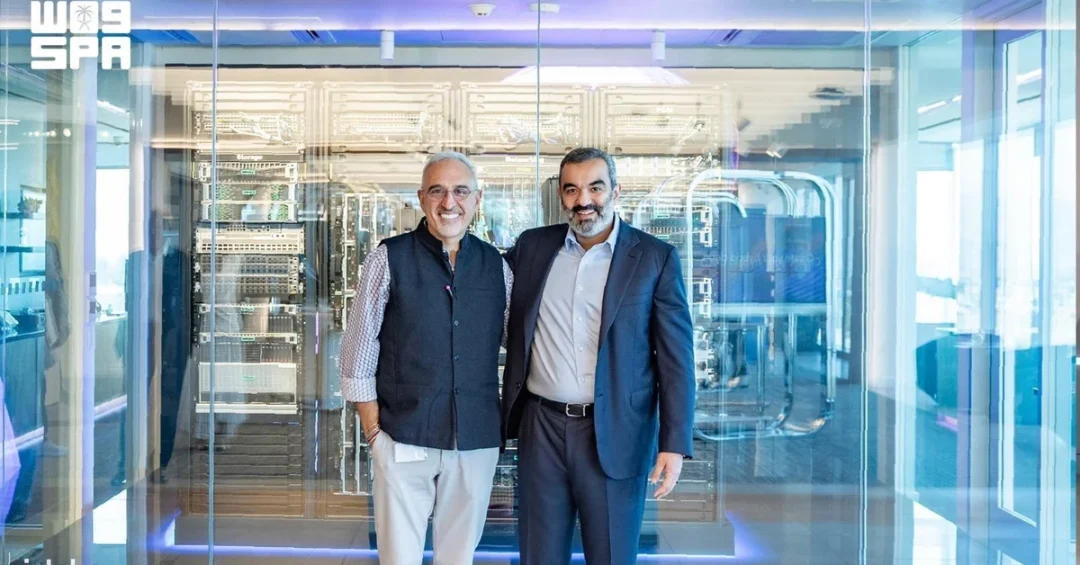
Saudi Minister of Communications and Information Technology Abdullah Alswaha concluded the fourth day of his official visit to Silicon Valley with high-level meetings aimed at expanding strategic partnerships in artificial intelligence infrastructure, semiconductors, advanced computing, and local manufacturing, the Saudi Press Agency reported. The engagements underscore the Kingdom’s accelerating efforts to embed itself in global technology value chains and attract foreign direct investment in deep tech.
Context and Background
The visit comes as Saudi Arabia advances its Vision 2030 objectives, focusing on economic diversification and digital transformation. Under the leadership of Crown Prince Mohammed bin Salman, the Kingdom has prioritized building a knowledge-based economy, with AI and semiconductors identified as critical enablers. The Ministry of Communications and Information Technology, led by Minister Alswaha, has been at the forefront of forging international alliances to localize advanced technologies and develop national capabilities.
During the fourth day of his visit, Minister Alswaha met with executives from NVIDIA, Intel, Hewlett Packard Enterprise (HPE), and venture capital firm Kleiner Perkins, according to the Saudi Press Agency. These discussions are part of a broader strategy to establish Saudi Arabia as a regional hub for AI and advanced computing.
Key Details
In talks with NVIDIA Founder and CEO Jensen Huang, Minister Alswaha discussed scaling AI factories developed by HUMAIN, a Saudi AI and cloud computing company, in partnership with NVIDIA. The conversation also covered adopting next-generation platforms to accelerate AI model deployment and expanding national infrastructure capabilities.
Separately, the minister met with Intel CEO Lip-Bu Tan to explore expanding semiconductor and advanced computing collaborations. The discussions included localizing solutions, activating Intel Foundry operations in the Kingdom, and integrating Intel technologies into HUMAIN’s computational ecosystem.
With HPE President and CEO Antonio Neri, Minister Alswaha focused on accelerating local AI hardware manufacturing and integrating HPE’s AI factory frameworks with HUMAIN’s computing infrastructure. This aligns with Saudi Arabia’s ambitions to build domestic manufacturing capacity in high-tech sectors.
To drive tech financing and startup growth, the minister met with Kleiner Perkins Managing Partner Mamoon Hamid. Discussions centered on expanding investments into Saudi AI and deep-tech enterprises, attracting portfolio companies to establish Saudi operations, and linking domestic startups to international venture capital networks.
Implications and Impact
These engagements signal Saudi Arabia’s commitment to becoming a global player in AI and semiconductors. By partnering with industry leaders, the Kingdom aims to localize deep tech, attract foreign direct investment, and enhance the digital economy’s global competitiveness. The collaborations could accelerate the growth of Saudi startups, create high-skilled jobs, and position the Kingdom as a bridge between regional markets and global innovation hubs.
Furthermore, the visit reinforces Saudi Arabia’s role as a reliable partner in the global technology ecosystem, fostering mutual benefits and knowledge transfer. It also supports the Kingdom’s efforts to diversify its economy away from oil, in line with Vision 2030.
Vision 2030 Alignment
Minister Alswaha’s Silicon Valley visit directly supports Vision 2030 by advancing the Kingdom’s digital transformation and economic diversification goals. Through strategic partnerships in AI, semiconductors, and advanced computing, Saudi Arabia is building a sustainable, innovation-driven economy. These efforts will not only enhance the Kingdom’s global standing but also contribute to a prosperous future for its citizens and the wider region.
20 Questions
Q1. What was the main purpose of Minister Alswaha’s visit to Silicon Valley?
A1. The visit aimed to expand strategic partnerships in AI infrastructure, semiconductors, advanced computing, and local manufacturing, as part of Saudi Arabia’s Vision 2030 goals.
Q2. Which companies did Minister Alswaha meet with during his visit?
A2. He met with NVIDIA, Intel, Hewlett Packard Enterprise (HPE), and venture capital firm Kleiner Perkins, according to the Saudi Press Agency.
Q3. What is HUMAIN and its role in these partnerships?
A3. HUMAIN is a Saudi AI and cloud computing company that partners with global firms to develop AI factories and advanced computing infrastructure in the Kingdom.
Q4. What did Minister Alswaha discuss with NVIDIA’s CEO Jensen Huang?
A4. They discussed scaling AI factories developed by HUMAIN with NVIDIA, adopting next-generation platforms, and expanding national AI infrastructure capabilities.
Q5. How does Intel plan to collaborate with Saudi Arabia?
A5. Intel CEO Lip-Bu Tan explored expanding semiconductor collaborations, localizing solutions, activating Intel Foundry in the Kingdom, and integrating Intel tech into HUMAIN’s ecosystem.
Q6. What was the focus of talks with HPE’s CEO Antonio Neri?
A6. Discussions focused on accelerating local AI hardware manufacturing and integrating HPE’s AI factory frameworks with HUMAIN’s computing infrastructure.
Q7. Why did Minister Alswaha meet with Kleiner Perkins?
A7. The meeting aimed to expand investments into Saudi AI and deep-tech enterprises, attract portfolio companies to Saudi Arabia, and link domestic startups to global venture capital.
Q8. How do these meetings support Saudi Arabia’s economic goals?
A8. They support embedding Saudi Arabia in global AI and semiconductor value chains, localizing deep tech, attracting FDI, and enhancing digital economy competitiveness.
Q9. What is the significance of localizing deep tech in Saudi Arabia?
A9. Localizing deep tech builds domestic capabilities, creates high-skilled jobs, reduces reliance on imports, and fosters innovation aligned with Vision 2030.
Q10. How does this visit align with Vision 2030?
A10. It advances digital transformation and economic diversification by building partnerships in AI and semiconductors, key pillars of a knowledge-based economy.
Q11. What are AI factories and why are they important?
A11. AI factories are specialized computing facilities for developing and deploying AI models. They are crucial for scaling AI capabilities and infrastructure.
Q12. Which Saudi entity is central to these AI partnerships?
A12. HUMAIN, a Saudi AI and cloud computing company, is central to partnerships with NVIDIA, Intel, and HPE for AI infrastructure.
Q13. What role does the Ministry of Communications and Information Technology play?
A13. The Ministry, led by Minister Alswaha, drives Saudi Arabia’s digital transformation, fosters international tech partnerships, and implements Vision 2030 initiatives.
Q14. How might these partnerships benefit Saudi startups?
A14. They can provide access to international venture capital, mentorship, and markets, helping Saudi startups scale and integrate into global networks.
Q15. What is Intel Foundry and its relevance to Saudi Arabia?
A15. Intel Foundry is Intel’s semiconductor manufacturing arm. Activating it in Saudi Arabia would boost local chip production and advanced computing capabilities.
Q16. How does HPE’s involvement support Saudi AI manufacturing?
A16. HPE’s AI factory frameworks can accelerate local AI hardware manufacturing, enhancing Saudi Arabia’s self-sufficiency in advanced computing.
Q17. What is the expected impact on foreign direct investment?
A17. These engagements are expected to attract FDI by showcasing Saudi Arabia as a viable tech hub, encouraging global firms to establish operations in the Kingdom.
Q18. How does this visit strengthen Saudi-US tech relations?
A18. It fosters collaboration between Saudi Arabia and leading US tech companies, promoting knowledge exchange and mutual economic growth.
Q19. What are the long-term goals of Saudi Arabia’s AI strategy?
A19. The long-term goals include becoming a global AI leader, diversifying the economy, creating jobs, and improving quality of life through innovation.
Q20. What message does this visit send to the global tech community?
A20. It signals Saudi Arabia’s commitment to embracing cutting-edge technology and forming strategic partnerships to drive innovation and economic growth.
Reader Feedback
We value your thoughts. Please share your feedback on this article.
Your feedback helps us improve our coverage.