


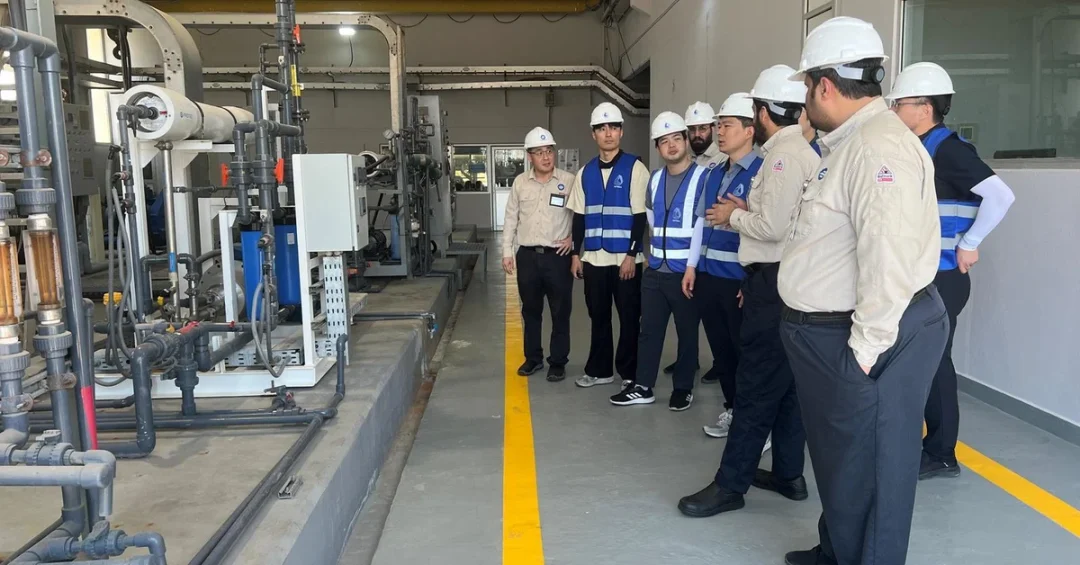
The Saudi Water Authority (SWA), through its research arm the Water Technologies Innovation Institute and Research Advancement (WTIIRA), has launched a pioneering project to produce high-purity vaterite calcium carbonate at 97% purity using cement plant by-products and desalination wastewater. This first-of-its-kind initiative, announced in Riyadh, underscores the Kingdom’s commitment to environmental sustainability and the circular economy, aligning with the Saudi Green Initiative’s goals to reduce carbon emissions.
Context and Background
The project emerges from SWA’s strategic focus on innovative water management and resource optimization. By integrating fly ash from cement factories with brine wastewater from desalination processes, the initiative addresses two environmental challenges simultaneously: industrial waste and brine disposal. This approach not only mitigates environmental harm but also creates valuable products, supporting Saudi Arabia’s transition to a sustainable economy. The partnership with South Korea’s Taekyung Group and Korea National University highlights international collaboration in advancing water technologies.
Key Details
The pilot unit, manufactured in South Korea in 2023, underwent six months of rigorous testing to confirm its optimal performance. The process involves a novel integration of harmful by-products with brine wastewater, resulting in the extraction of high-purity calcium carbonate and other valuable minerals such as bromine, sodium chloride, potassium, magnesium, and calcium sulfate. These products serve various industries, including oil and gas, pharmaceuticals, construction, food, and chemicals. The SWA aims to add up to SAR 1.5 billion annually to the GDP by 2030 through this and related initiatives.
Implications and Impact
This project represents a significant leap in environmental innovation and industrial symbiosis. By converting waste streams into valuable resources, it reduces the environmental footprint of both cement production and desalination. The successful implementation could set a global benchmark for sustainable practices, enhancing Saudi Arabia’s leadership in green technologies. Moreover, it supports the Kingdom’s economic diversification by creating new revenue streams and job opportunities in high-tech sectors.
Vision 2030 Alignment
This initiative is a testament to Saudi Arabia’s Vision 2030, which seeks to diversify the economy, foster innovation, and ensure environmental sustainability. By turning waste into wealth, the SWA is contributing to the Kingdom’s goals of economic growth, environmental protection, and global leadership in sustainable development. As Saudi Arabia continues to invest in cutting-edge technologies, projects like this pave the way for a prosperous and sustainable future.
20 Questions
Q1. What is the Saudi Water Authority (SWA) producing at 97% purity?
A1. The SWA is producing high-purity vaterite calcium carbonate at 97% purity using cement plant by-products and desalination wastewater.
Q2. Which entities are involved in this project?
A2. The project involves the SWA’s research arm WTIIRA, South Korea’s Taekyung Group, and Korea National University.
Q3. What is the main goal of this project?
A3. The goal is to maximize the use of cement plant by-products and desalination wastewater to produce high-purity calcium carbonate while promoting environmental preservation.
Q4. How does this project contribute to the circular economy?
A4. By integrating harmful by-products with brine wastewater, the project creates valuable products from waste, thus promoting resource efficiency and circular economy principles.
Q5. What is the significance of the ‘zero brine return’ technology?
A5. It is part of SWA’s strategy to maximize the use of brine wastewater in production systems, reducing environmental impact and enhancing sustainability.
Q6. When was the pilot unit manufactured and tested?
A6. The pilot unit was manufactured in South Korea in 2023 and underwent six months of intensive operational tests.
Q7. What other products are extracted from brine wastewater?
A7. High-purity bromine, sodium chloride, potassium, magnesium, and calcium sulfate are extracted at different stages.
Q8. Which industries use these extracted products?
A8. These products are used in the oil and gas, pharmaceuticals, construction, food, and chemical industries.
Q9. How much does SWA aim to add to GDP by 2030?
A9. SWA aims to add up to SAR 1.5 billion annually to the GDP by 2030 through these initiatives.
Q10. What is the role of WTIIRA in this project?
A10. WTIIRA, SWA’s research arm, leads the research and development aspects, including engineering design and feasibility studies.
Q11. How does this project align with the Saudi Green Initiative?
A11. It aligns by reducing carbon emissions and promoting environmental sustainability through innovative waste utilization.
Q12. What are the environmental benefits of this project?
A12. It reduces industrial waste and brine discharge, lowers carbon footprint, and promotes sustainable resource management.
Q13. What is the expected economic impact beyond GDP?
A13. It creates new revenue streams, fosters high-tech job creation, and supports economic diversification.
Q14. Why is international collaboration important in this project?
A14. Collaboration with South Korean entities brings expertise and technology, accelerating innovation and ensuring global standards.
Q15. What challenges does the project aim to address?
A15. It addresses environmental pollution from cement by-products and brine wastewater, turning them into valuable resources.
Q16. How does this project support Saudi Vision 2030?
A16. It supports Vision 2030 by diversifying the economy, fostering innovation, and ensuring environmental sustainability.
Q17. What is the purity level of the calcium carbonate produced?
A17. The calcium carbonate is produced at 97% purity, specifically in the vaterite form.
Q18. What is the significance of vaterite calcium carbonate?
A18. Vaterite is a rare polymorph of calcium carbonate with high purity, valuable in various industrial applications.
Q19. How long did the pilot unit undergo testing?
A19. The pilot unit underwent six months of intensive operational tests to confirm optimal performance.
Q20. What future developments can be expected from this project?
A20. Future developments include scaling up the technology, expanding product extraction, and contributing to Saudi Arabia’s sustainable economy.
Reader Feedback
We value your thoughts. Please share your feedback on this article.
Your feedback helps us improve our coverage.