


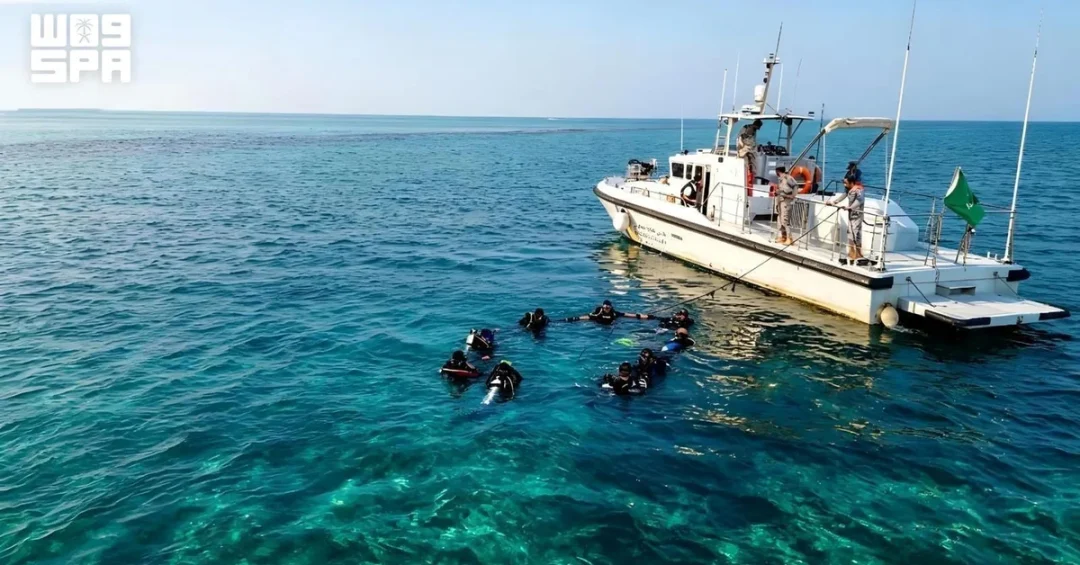
On August 24, 2026, the Border Guard in Aseer Region launched a volunteer initiative to clean the seabed at Umm Al Qasha beach, with the participation of skilled volunteer divers. This initiative underscores the Kingdom’s commitment to marine conservation and social responsibility, reflecting a broader effort to protect Saudi Arabia’s natural heritage and promote sustainable practices.
Context and Background
The Aseer Region, known for its picturesque coastline along the Red Sea, faces growing environmental challenges from plastic waste and other pollutants that threaten marine life. The Border Guard, a key institution under the Ministry of Interior, has consistently engaged in community-oriented programs. This latest volunteer drive is part of a national strategy to integrate environmental action into public services, aligning with the directives to preserve the Kingdom’s rich natural ecosystems.
Key Details
The initiative at Umm Al Qas beach involved a specialized team of volunteer divers who conducted a systematic underwater cleanup. These divers carefully removed debris, ensuring minimal disturbance to the marine environment. The collected waste was documented and categorized to support further environmental analysis and prevention efforts. Additionally, the Border Guard, in cooperation with local authorities, emphasized the importance of community participation in such environmental campaigns, encouraging citizens and residents to adopt sustainable habits.
Implications and Impact
This volunteer effort will significantly reduce marine pollution at a key coastal site, enhancing the ecological health of the area. It also positions Aseer as a model for environmental responsibility in the region, attracting eco-conscious travelers and supporting the blue economy. Moreover, such actions not only clean up the seas but also inspire other government entities and private organizations to launch similar initiatives, building a nationwide culture of sustainability.
Vision 2030 Alignment
The initiative to clean the seabed at Umm Al Qas beach directly supports Saudi Arabia’s Vision 2030 and its commitment to environmental sustainability. The Saudi Green Initiative and the Red Sea sustainability goals are enhanced by such on-the-ground actions. By fostering community engagement and environmental stewardship, this effort also contributes to the ambitious goals of improving quality of life and securing a greener future for the Kingdom, marking a step forward in the nation’s ongoing transformation.
20 Questions
Q1. What is the main objective of the Border Guard’s volunteer initiative?
A1. The main objective is to clean the seabed at Umm Al Qas beach, removing harmful litter and debris to protect marine life and enhance the beauty of the coastal area, thereby promoting environmental responsibility.
Q2. Where exactly does the cleanup take place?
A2. The cleanup takes place at Umm Al Qas beach, located in the Aseer Region of Saudi Arabia along the Red Sea coast. The region is famed for its diverse marine life and scenic coastline.
Q3. Who initiated the volunteer effort?
A3. The volunteer effort was initiated by the Border Guard in Aseer Region, a security agency within the Kingdom’s Ministry of Interior, demonstrating their active role in community and environmental service.
Q4. How are the divers involved?
A4. Volunteer divers perform the cleanup, systematically working under the sea surface to collect waste and debris. They act as trained professionals who conduct the cleaning safely and efficiently.
Q5. What type of waste is being removed?
A5. The initiative targets general litter, including plastic bottles, fishing nets, packaging, and other trash that accumulates on the seabed, which may threaten marine life.
Q6. Why is cleaning the seabed important?
A6. Cleaning the seabed is vital to preserve ecosystems, preventing suffocation and damage to corals, ensuring fish and other marine organisms remain healthy, and ultimately supporting the local fishing and tourism.
Q7. How does this initiative promote environmental awareness?
A7. By involving volunteers and publicizing the clean-up, the initiative raises awareness about the impact of waste, encourages responsible disposal of materials, and educates the community on their role in protecting the environment.
Q8. What is the role of the Border Guard in this effort?
A8. The Border Guard acts as the organizer, coordinating the volunteers, equipment, and logistics for the clean-up. It also highlights its mission to serve the community beyond traditional security duties.
Q9. Does this initiative have any scientific or research aspect?
A9. Yes, the collected waste is logged and documented, which can provide data for environmental agencies to understand pollution sources and devise better prevention and management strategies.
Q10. How does this initiative align with Saudi Arabia’s national goals?
A10. It aligns with the Saudi Green Initiative and Vision 2030’s environmental pillars, demonstrating the Kingdom’s commitment to sustainability and quality of life for present and future generations.
Q11. What is Umm Al Qas beach known for?
A11. Umm Al Qas beach is known for its natural beauty, clear waters, and tranquil setting. It is a popular spot for marine recreation and local tourism, making its preservation important for the region’s economic potential.
Q12. How does the public respond to the initiative?
A12. The public response has been highly supportive, with volunteer divers and local communities showing enthusiasm and cooperation. The initiative also inspires others to participate in environmental protection.
Q13. Are there any safety measures during the cleanup?
A13. Safety is a priority: divers use proper gear and follow standard protocols. The Border Guard ensures a safe diving environment and manages the site to prevent any harm to participants or the natural surroundings.
Q14. How often are such clean-up drives conducted?
A14. While this specific drive is newly launched, it is part of periodic efforts by the Border Guard. Environmental conservation is an ongoing priority, with regular intervals scheduled to maintain clean coastlines.
Q15. Can other government bodies contribute?
A15. Yes, the initiative is open to collaboration with other government entities, environmental NGOs, and private firms, enhancing resource sharing and a unified national effort.
Q16. What are the long-term benefits of this initiative?
A16. Long-term benefits include improved biodiversity, better marine ecosystem health, enhanced tourist appeal, and a cultural shift towards environmental responsibility. It also sets a precedent for a caring community.
Q17. How does the initiative support the Aseer Region’s development?
A17. It supports the region’s sustainable development by preserving its natural assets, attracting green tourism, and improving the quality of life for local residents, as part of a broader regional strategy.
Q18. Does the initiative involve any training for the volunteers?
A18. Volunteers may receive prior training to ensure safe diving and proper waste handling. This also improves their skills and knowledge about marine life and conservation.
Q19. What is the typical duration of the clean-up operation?
A19. The clean-up is a scheduled event, lasting several hours per session. The waste collected is then processed, and further follow-up sessions may be planned as needed to ensure thorough clean.
Q20. How does this volunteer initiative demonstrate Saudi Arabia’s leadership?
A20. It exemplifies Saudi Arabia’s proactive leadership in environmental protection, showcasing a commitment to global sustainability and Vision 2030’s directives, which inspire other nations in the region.
Reader Feedback
We value your thoughts. Please share your feedback on this article.
Your feedback helps us improve our coverage.