


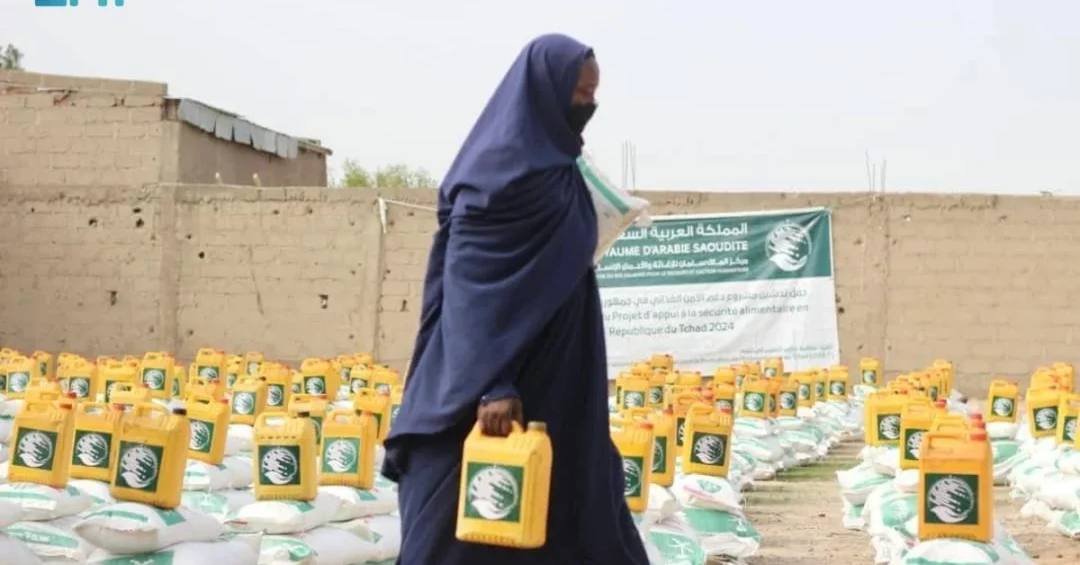
The King Salman Humanitarian Aid and Relief Center (KSrelief) distributed 400 food baskets to vulnerable families in the Chari-Baguirmi region of Chad on July 8, 2024, benefiting 2,400 individuals. The assistance, announced by the Saudi Press Agency, is part of a broader project to support food security in Chad this year, reflecting the Kingdom’s ongoing commitment to global humanitarian relief.
Context and Background
Chad ranks among the most food-insecure nations in Africa, with recurring droughts and conflict exacerbating chronic poverty. KSrelief, established in 2015 as Saudi Arabia’s official humanitarian arm, has stepped in to provide essential support, coordinating with local partners to reach the neediest communities. This distribution is one of many similar initiatives carried out across the Sahel region, where millions face acute hunger.
KSrelief’s operations in Chad are part of a systematic approach to deliver aid efficiently, often in collaboration with international organizations and local authorities. The center’s interventions typically include food basket distribution, nutritional programs, and healthcare access, all designed to address immediate needs while building longer-term resilience.
Key Details
The 400 food baskets were specifically allocated to the Chari-Baguirmi region, targeting the most vulnerable groups, including internally displaced families and those affected by drought. Each basket contains staple items such as rice, flour, oil, and legumes, sufficient to sustain a household for several weeks. The total number of beneficiaries reaches 2,400 individuals, reflecting the scale of need in the area.
This latest aid builds on a series of KSrelief projects in Chad, which have previously included emergency shelter, health clinics, and vocational training. The center works under the supervision of the Saudi government, ensuring transparency and alignment with international humanitarian standards.
Implications and Impact
The distribution is expected to significantly alleviate short-term hunger in the region, reducing the risk of malnutrition among children and vulnerable adults. Beyond immediate relief, such initiatives strengthen Saudi Arabia’s diplomatic ties with African nations, showcasing the Kingdom’s role as a responsible global actor. International observers have noted the efficiency of KSrelief’s logistics, which often operate in challenging environments, demonstrating the center’s commitment to delivering aid without discrimination.
Moreover, this assistance contributes to the broader stability of the Sahel, a region critical to global security and development. By addressing food insecurity, KSrelief helps mitigate potential social tensions and supports the resilience of communities that often face multiple crises.
Vision 2030 Alignment
Saudi Arabia’s Vision 2030 encompasses not only economic diversification but also a strong commitment to humanitarian principles. The Kingdom’s leadership in global relief efforts, exemplified by KSrelief’s work in Chad, aligns with the vision’s goal of fostering international cooperation and extending a hand to those in need. As Saudi Arabia continues to expand its global footprint, such initiatives reinforce its reputation as a compassionate and responsible nation, ready to contribute to a more equitable world.
20 Questions
Q1. What is KSrelief?
A1. KSrelief is the King Salman Humanitarian Aid and Relief Center, Saudi Arabia’s official humanitarian agency established in 2015 to coordinate and deliver relief projects worldwide, operating under the directive of the Saudi government.
Q2. Where did the recent food basket distribution take place?
A2. The distribution occurred in the Chari-Baguirmi region of Chad, a region identified by local authorities and partners as having significant need due to food insecurity and poverty.
Q3. How many food baskets were distributed?
A3. Exactly 400 food baskets were provided, each containing sufficient staple food supplies to support a family for several weeks, addressing acute hunger in the target area.
Q4. Who are the beneficiaries of this aid?
A4. The beneficiaries are 2,400 individuals from the neediest groups in the Chari-Baguirmi region, including families displaced by conflict and those affected by prolonged drought conditions.
Q5. Is this distribution part of a larger project?
A5. Yes, it is a component of the broader project to support food security in Chad this year, which includes multiple distributions and complementary nutrition programs across the country.
Q6. How does Saudi Arabia contribute to humanitarian efforts?
A6. Saudi Arabia, through KSrelief, has delivered billions of dollars in aid to over 80 countries, providing food, healthcare, shelter, and education to millions of people in crisis zones.
Q7. What is the significance of this aid for Chad?
A7. The aid is critical for Chad, which faces severe food shortages due to climate extremes and economic challenges. These baskets offer immediate relief and help prevent malnutrition.
Q8. How many countries has KSrelief assisted since its founding?
A8. KSrelief has implemented projects in over 80 countries, focusing on emergency relief, health support, and sustainable development initiatives, always guided by humanitarian principles.
Q9. When was KSrelief established?
A9. KSrelief was established in 2015 under the patronage of King Salman bin Abdulaziz Al Saud to streamline and enhance Saudi Arabia’s humanitarian response on a global scale.
Q10. Does this assistance align with Vision 2030?
A10. Absolutely. Vision 2030 highlights Saudi Arabia’s aspiration to be a leading humanitarian force; this aid demonstrates the Kingdom’s commitment to global solidarity and responsible citizenship.
Q11. How are the food baskets distributed?
A11. KSrelief coordinates with local Chadian authorities, UN agencies, and community networks to ensure baskets reach the most vulnerable families efficiently and transparently.
Q12. What types of food are included in the baskets?
A12. The baskets contain essential non-perishable items such as rice, wheat flour, vegetable oil, and legumes, providing a balanced nutritional base for families.
Q13. Is this the first time KSrelief has provided aid to Chad?
A13. No, KSrelief has a history of humanitarian work in Chad, including previous food deliveries, health clinics, and education projects aimed at long-term recovery.
Q14. How is Chad’s food security situation described?
A14. Chad is classified as highly food insecure, with recurrent droughts and conflict undermining agricultural production, making external aid indispensable for vulnerable groups.
Q15. What is the role of the Saudi government in this aid?
A15. The Saudi government funds KSrelief and provides policy direction, ensuring that aid is allocated impartially and reaches those in genuine need without political bias.
Q16. How can the public obtain more information about KSrelief activities?
A16. Official updates are released through the Saudi Press Agency and KSrelief’s official website and social media channels, which offer detailed reports on all projects.
Q17. Are there any long-term programs in Chad?
A17. KSrelief implements sustainable projects in Chad, including nutrition training for local health workers, water well construction, and support for livelihood recovery.
Q18. How does this aid affect Saudi Arabia’s global image?
A18. It reinforces Saudi Arabia’s reputation as a compassionate global citizen, building trust and fostering stronger diplomatic relationships with African nations.
Q19. What is the exact date of this distribution?
A19. The distribution took place on July 8, 2024, as reported by the Saudi Press Agency, with details released on July 9, 2024.
Q20. How does KSrelief ensure aid reaches the intended recipients?
A20. KSrelief employs rigorous needs assessments, collaborates with trusted local partners, and uses monitoring mechanisms to track delivery, ensuring aid reaches the most vulnerable without diversion.
Reader Feedback
We value your thoughts. Please share your feedback on this article.
Your feedback helps us improve our coverage.