


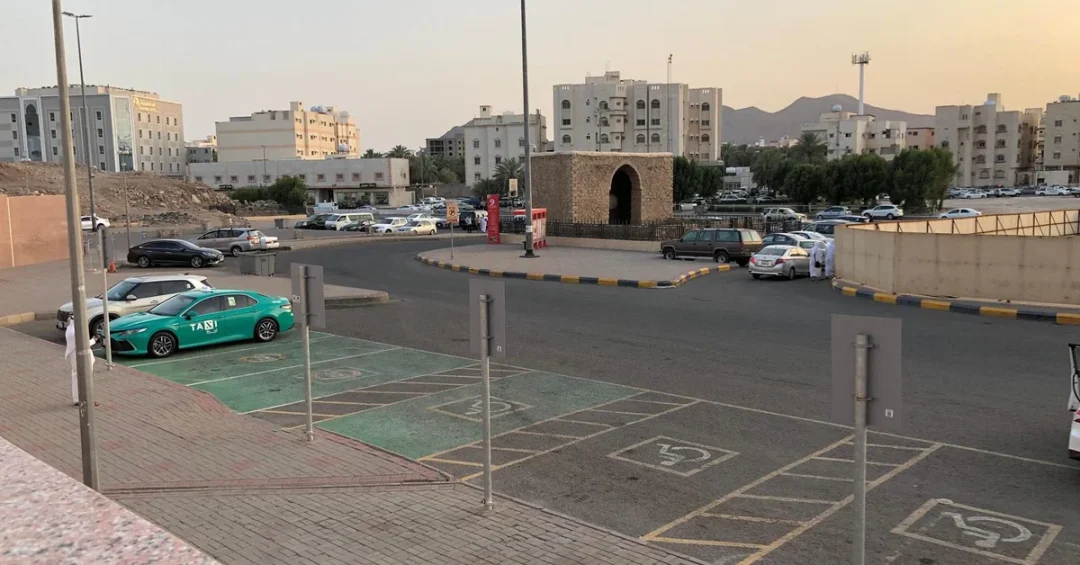
The Ministry of Islamic Affairs, Dawah, and Guidance branch in Madinah has rolled out a series of initiatives to ensure that worshippers and pilgrims with disabilities can access mosques and other religious sites with ease, according to the Saudi Press Agency (SPA). The measures include dedicated corridors and entrances, modifications for carts and wheelchairs, accessible restrooms, and elevators in select mosques, reflecting the Kingdom’s commitment to inclusive religious experiences for all.
Context and Background
Madinah, the second holiest city in Islam, welcomes millions of pilgrims annually, including many with mobility challenges. The Ministry of Islamic Affairs, Dawah, and Guidance, under the leadership of Minister Dr. Abdullatif bin Abdulaziz Al Al-Sheikh, has prioritized accessibility as part of its broader mission to serve all worshippers. This initiative aligns with Saudi Arabia’s Vision 2030, which emphasizes enhancing the quality of life for citizens and visitors, including people with disabilities. The ministry’s efforts are part of a nationwide push to make religious sites more inclusive, following directives from the Kingdom’s leadership to remove barriers and ensure equal access to holy places.
Key Details
The ministry’s Madinah branch has implemented several concrete measures. Dedicated corridors and entrances have been established to facilitate smooth movement for individuals with disabilities. Mobility aids such as carts and wheelchairs are now accommodated, and restrooms have been equipped with appropriate facilities. In some mosques, elevators have been installed to provide access to upper floors. These adjustments are designed to create a comfortable and tranquil environment, enabling all worshippers to perform their religious rituals without difficulty. The initiative covers not only mosques but also other frequently visited locations in Madinah, ensuring a comprehensive approach to accessibility.
Implications and Impact
This development has significant implications for the millions of pilgrims and visitors who travel to Madinah each year. By removing physical barriers, the ministry is enhancing the spiritual experience for people with disabilities, allowing them to participate fully in prayers and other religious activities. The move also sets a positive example for religious institutions worldwide, demonstrating how thoughtful infrastructure can foster inclusivity. Furthermore, it supports Saudi Arabia’s reputation as a welcoming destination for all, reinforcing the Kingdom’s role as a global leader in accessibility and hospitality. The initiative is expected to boost visitor satisfaction and encourage more people with disabilities to undertake pilgrimage with confidence.
Vision 2030 Alignment
This initiative is closely tied to Saudi Arabia’s Vision 2030, which aims to improve the quality of life for all citizens and visitors, including people with disabilities. The Vision’s focus on social inclusion and accessibility is reflected in the ministry’s efforts to make religious sites more accommodating. By ensuring that everyone can worship comfortably, the Kingdom is not only fulfilling its religious obligations but also advancing its broader goals of creating an inclusive society. As Saudi Arabia continues to invest in infrastructure and services for people with disabilities, such initiatives will play a crucial role in positioning the Kingdom as a model for accessibility and compassionate governance on the global stage.
20 Questions
Q1. What is the main initiative discussed in the article?
A1. The Ministry of Islamic Affairs, Dawah, and Guidance in Madinah has implemented services and support for worshippers and pilgrims with disabilities, including accessible entrances, restrooms, and elevators in mosques to facilitate their religious rituals.
Q2. Which government body is responsible for these services?
A2. The Ministry of Islamic Affairs, Dawah, and Guidance, specifically its branch in Madinah, is responsible for implementing these inclusive services under the leadership of Minister Dr. Abdullatif bin Abdulaziz Al Al-Sheikh.
Q3. What specific adjustments have been made for mobility aids?
A3. The ministry has modified spaces to accommodate carts, wheelchairs, and other mobility aids, ensuring smooth movement through dedicated corridors and entrances in mosques and other visited locations.
Q4. Have elevators been installed in mosques?
A4. Yes, in some mosques, elevators have been installed to provide access to upper floors, making it easier for people with disabilities to reach all areas of the mosque.
Q5. How are restrooms equipped for people with disabilities?
A5. Restrooms have been equipped with appropriate facilities to meet the needs of individuals with disabilities, ensuring comfort and accessibility during their visit.
Q6. Why is Madinah significant for this initiative?
A6. Madinah is the second holiest city in Islam, welcoming millions of pilgrims annually. Ensuring accessibility there allows people with disabilities to fully participate in religious rituals without barriers.
Q7. How does this initiative reflect Saudi Arabia’s Vision 2030?
A7. It aligns with Vision 2030’s goal to enhance quality of life and social inclusion for all, including people with disabilities, by making religious sites more accessible and welcoming.
Q8. Who benefits from these services?
A8. Worshippers and pilgrims with disabilities benefit, as well as their families and companions, who can now navigate mosques and other sites more easily and comfortably.
Q9. What is the expected impact on pilgrimage experience?
A9. The initiative is expected to enhance the spiritual experience for people with disabilities, allowing them to perform rituals with ease and tranquility, thus improving overall satisfaction.
Q10. Are these services limited to mosques only?
A10. No, the services extend to other visited locations in Madinah, ensuring a comprehensive approach to accessibility across religious and historical sites.
Q11. How does this initiative align with Islamic values?
A11. It reflects the Islamic principle of inclusivity and compassion, ensuring that all worshippers, regardless of ability, can access holy sites and perform their religious duties.
Q12. What role does the Saudi Press Agency play in reporting this?
A12. The Saudi Press Agency (SPA) is the official state news agency that reported on the initiative, providing authoritative information to the public and international audience.
Q13. Will these measures be expanded to other cities?
A13. While the current focus is on Madinah, the Ministry of Islamic Affairs is committed to improving accessibility nationwide, and similar initiatives may be implemented in other regions.
Q14. How does this initiative support Saudi Arabia’s global image?
A14. It showcases the Kingdom’s leadership in accessibility and hospitality, reinforcing its reputation as a welcoming destination for all visitors, including those with disabilities.
Q15. What challenges might people with disabilities face without these services?
A15. Without these services, individuals with disabilities might struggle to access mosques, navigate crowded areas, or use facilities, hindering their ability to perform religious rituals comfortably.
Q16. Are there any specific corridors designated for people with disabilities?
A16. Yes, dedicated corridors and entrances have been established to facilitate access and movement, ensuring that people with disabilities can enter and exit mosques safely and efficiently.
Q17. How does this initiative reflect the Kingdom’s leadership?
A17. It demonstrates the leadership’s commitment to inclusivity and compassionate governance, as directed by the Saudi leadership to ensure equal access to religious sites for all.
Q18. What other support services are provided?
A18. In addition to physical infrastructure, the ministry provides support to ensure a comfortable environment, including assistance with mobility aids and accessible facilities.
Q19. How can pilgrims with disabilities prepare for their visit?
A19. Pilgrims with disabilities can prepare by checking with the Ministry of Islamic Affairs for available services, and they can expect accessible entrances, restrooms, and assistance during their visit.
Q20. What is the ultimate goal of these initiatives?
A20. The ultimate goal is to create an inclusive environment where all worshippers can perform religious rituals with ease and tranquility, reflecting the Kingdom’s dedication to serving all segments of society.
Reader Feedback
We value your thoughts. Please share your feedback on this article.
Your feedback helps us improve our coverage.