


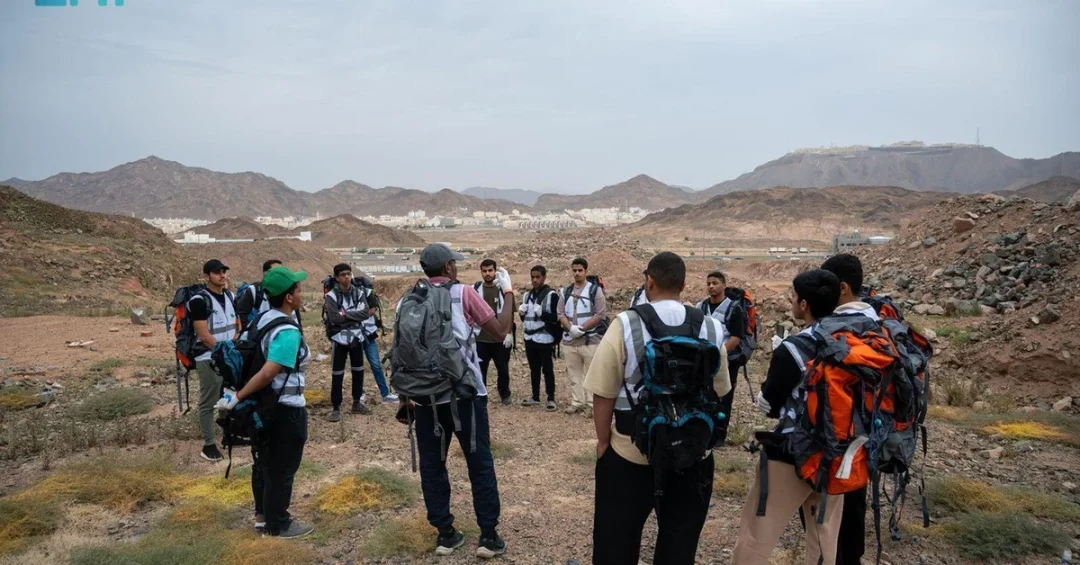
The Vegetation Cover Development Foundation, known as Morooj, launched an environmental initiative in Madinah on March 9, 2025, engaging 100 student volunteers in a full day of park and valley clean-ups combined with hiking and outdoor challenges. The program, announced through the Saudi Press Agency, brought together young people from across the Madinah region for an experience that merged volunteer service with exploration and physical activity. Participants removed litter from public green spaces and natural valleys while learning practical skills for navigating and appreciating the Kingdom’s outdoors. The initiative reflects a growing emphasis in Saudi Arabia on combining environmental stewardship with youth development.
Why does a single day of volunteering in Madinah matter beyond the immediate clean-up? Because it signals how the Kingdom is weaving environmental responsibility into the daily lives of its youngest citizens. The Morooj Foundation, established to advance vegetation cover and combat desertification, designed the event to be more than a litter pick. Students hiked through valleys, tackled team challenges, and gained hands-on exposure to the natural heritage of the Madinah region. The result was a holistic experience that organizers say builds both ecological awareness and social responsibility, two pillars that align closely with Saudi Vision 2030’s quality-of-life and sustainability goals.
Context and Background
What is the Morooj Foundation, and why is it leading this kind of work? The Vegetation Cover Development Foundation, operating under the name Morooj, is a Saudi environmental organization dedicated to increasing green cover, restoring degraded land, and promoting sustainable practices across the Kingdom. Its mandate supports the Saudi Green Initiative, a national effort to plant billions of trees and protect natural habitats. By mobilizing student volunteers, Morooj extends its reach into communities, turning environmental policy into participatory action. The Madinah event is part of a broader pattern of foundation-led programs that target young Saudis as agents of change in their own regions.
Madinah itself holds a special place in this effort. The city and its surrounding valleys are home to diverse flora and terrain that can be vulnerable to litter, overuse, and neglect. Parks and valleys serve as recreational spaces for residents and visitors, and keeping them clean is both an environmental and civic priority. The choice of Madinah for this initiative underscores a commitment to protecting the natural assets of a region that is also a major destination for religious tourism. Students who participated not only improved these spaces but also became ambassadors for their long-term care.
The timing of the initiative is significant. Saudi Arabia has accelerated its environmental agenda in recent years, with afforestation projects, wildlife protection programs, and awareness campaigns rolling out across multiple regions. Youth engagement is a central component of that agenda, because lasting environmental gains depend on changing habits and fostering a culture of stewardship. By involving 100 students in a single-day event, Morooj planted seeds of awareness that can ripple through families, schools, and neighborhoods. The foundation’s approach mirrors a wider national understanding that sustainability is a shared responsibility, not just a government task.
Key Details
What exactly did the 100 student volunteers do during the initiative? According to the Saudi Press Agency, participants cleaned parks and valleys, removing waste from green spaces and natural areas. They then took part in hiking activities that allowed them to explore the local landscape. The day also included challenges that tested teamwork, problem-solving, and outdoor skills. This blend of service and adventure was intentional: organizers wanted participants to feel a connection to the environment they were helping to protect. The combination of physical activity and environmental action created a memorable experience that reinforced the message that healthy ecosystems and healthy communities go hand in hand.
The initiative also provided valuable wildlife skills, according to the official report. While the source did not specify every skill taught, such programs typically cover leave-no-trace principles, basic navigation, plant and animal identification, and safety in natural settings. These are practical competencies that help young people enjoy the outdoors responsibly. For students in Madinah, the event offered a rare chance to engage with nature in a structured, educational way. The skills acquired can be applied in future volunteering, academic pursuits, or simply in personal recreation. By framing the day as a learning opportunity, Morooj ensured that its impact would extend beyond the hours spent cleaning.
A heightened sense of social responsibility was another stated outcome. When young people see the tangible results of their efforts, they are more likely to continue volunteering and to encourage others to do the same. The Morooj initiative deliberately mixed age groups and teams, fostering collaboration and a shared sense of purpose. Participants left with a deeper understanding of how individual actions contribute to collective well-being. This aligns with the foundation’s broader mission to cultivate an environmentally conscious generation. The event was not just a one-off clean-up; it was an investment in the character and civic-mindedness of Madinah’s youth.
International and Regional Impact
How does a local student initiative in Madinah resonate beyond Saudi Arabia’s borders? Environmental challenges such as desertification, waste management, and loss of green cover are regional and global concerns. When Saudi Arabia demonstrates effective, youth-driven solutions, it contributes to a wider conversation about sustainable development in arid climates. The Morooj Foundation’s model, which combines volunteerism with outdoor education, could serve as a template for similar programs in neighboring countries facing comparable ecological pressures. International observers tracking Saudi environmental progress will note that the Kingdom is not only making high-level pledges but also activating grassroots participation.
Regionally, the initiative reinforces Saudi Arabia’s leadership in environmental diplomacy and cooperation. The Middle East Green Initiative, launched by Saudi Arabia, aims to plant 50 billion trees across the region and reduce carbon emissions. Projects like the Madinah event support the broader goals of that initiative by building public awareness and mobilizing local action. They also complement Saudi Arabia’s efforts to protect biodiversity and promote eco-tourism. For a region often associated with oil and desert, these green initiatives help reshape perceptions and demonstrate a commitment to a sustainable future. The involvement of students adds a human dimension that resonates with international audiences and partners.
Economic and Strategic Significance
What economic value can be derived from cleaning parks and valleys? The benefits are both direct and indirect. Clean, well-maintained natural spaces attract visitors, support local businesses, and enhance property values. In a city like Madinah, which welcomes millions of pilgrims and tourists annually, the quality of public spaces contributes to the overall visitor experience. Environmental degradation, by contrast, can deter tourism and impose cleanup costs on municipalities. By preventing litter accumulation and promoting vegetation growth, initiatives like Morooj’s reduce long-term maintenance expenses and protect the aesthetic and ecological value of public assets. The economic case for environmental stewardship is increasingly recognized in Saudi planning.
Strategically, engaging youth in environmental work supports human capital development, a core objective of Vision 2030. Students who participate in such programs gain leadership experience, teamwork skills, and a sense of agency. These are transferable attributes that benefit the workforce and civil society. Moreover, the initiative strengthens the bond between young Saudis and their natural heritage, which is essential for the long-term success of national sustainability programs. A generation that values and understands the environment will be more likely to make responsible choices as consumers, professionals, and leaders. The Morooj Foundation’s investment in students is therefore an investment in the Kingdom’s future resilience.
Vision 2030 Alignment
How does this initiative connect to Saudi Vision 2030? The Vision’s Quality of Life Program aims to create vibrant communities, promote healthy lifestyles, and preserve the environment. The Morooj event directly advances these goals by encouraging outdoor activity, fostering community spirit, and improving public spaces. It also supports the Saudi Green Initiative’s targets for tree planting and land restoration, which are integral to the Vision’s environmental sustainability objectives. By involving young people, the program helps build the social awareness and skills needed to sustain these efforts over the long term. The alignment is clear: clean valleys, active youth, and a greener Kingdom are all part of the same national journey.
Looking ahead, the success of the Madinah initiative could lead to more frequent and larger-scale programs across Saudi Arabia. The Morooj Foundation has demonstrated that students are eager to contribute when given the opportunity. Future events might expand to other regions, incorporate more specialized training, or link with school curricula. As the Kingdom continues to invest in environmental protection and youth empowerment, the role of foundations like Morooj will only grow. The day of adventure and environmental action in Madinah is a small but meaningful step toward a future where Saudi Arabia’s natural beauty is cherished, protected, and enjoyed by all. The students who participated are now part of that story, carrying forward the lessons they learned into their communities and their lives.
20 Questions
Q1. What is the Morooj Foundation?
A1. The Morooj Foundation, officially the Vegetation Cover Development Foundation, is a Saudi environmental organization focused on increasing green cover, restoring degraded land, and promoting sustainable practices across the Kingdom.
Q2. When and where did the initiative take place?
A2. The initiative took place in Madinah on March 9, 2025, as reported by the Saudi Press Agency. It involved 100 student volunteers in parks and valleys across the region.
Q3. How many students participated?
A3. A total of 100 student volunteers from Madinah took part in the initiative, engaging in clean-up activities, hiking, and team challenges throughout the day.
Q4. What activities did the students do?
A4. Students cleaned parks and valleys, participated in hiking activities, and tackled outdoor challenges designed to build teamwork and environmental awareness.
Q5. What were the main goals of the initiative?
A5. The initiative aimed to promote environmental cleanliness, support vegetation growth, teach wildlife skills, and foster a heightened sense of social responsibility among young participants.
Q6. How does this initiative support the Saudi Green Initiative?
A6. By mobilizing volunteers to clean and protect natural spaces, the initiative contributes to the Saudi Green Initiative’s goals of planting billions of trees and restoring ecosystems nationwide.
Q7. What skills did students gain?
A7. Participants gained practical wildlife skills, including leave-no-trace principles, basic navigation, and safety in natural settings, along with teamwork and problem-solving abilities.
Q8. Why is Madinah significant for this program?
A8. Madinah is home to diverse valleys and parks that serve residents and visitors. Protecting these spaces supports both environmental and religious tourism priorities.
Q9. How does the initiative align with Vision 2030?
A9. It supports the Quality of Life Program and environmental sustainability goals by promoting healthy outdoor activity, community engagement, and the preservation of natural heritage.
Q10. What is the role of youth in Saudi environmental efforts?
A10. Youth are central to Saudi environmental efforts, as their participation builds long-term awareness and ensures that sustainability practices are embedded in future generations.
Q11. How does cleaning valleys benefit the local economy?
A11. Clean valleys and parks attract visitors, support local businesses, and reduce municipal maintenance costs, contributing to a healthier tourism and recreation sector.
Q12. What is the Vegetation Cover Development Foundation’s broader mission?
A12. Its mission is to increase vegetation cover, combat desertification, and promote sustainable land management across Saudi Arabia through projects and community engagement.
Q13. Did the students receive any training?
A13. Yes, the program included educational components that taught wildlife skills and responsible outdoor practices, enhancing the students’ ability to care for natural environments.
Q14. How does this event fit into Saudi Arabia’s environmental strategy?
A14. It is part of a broader national strategy that includes the Saudi Green Initiative and Middle East Green Initiative, which aim to plant trees and reduce carbon emissions regionally.
Q15. What was the reaction of the participants?
A15. While individual reactions were not detailed, the official report noted that participants gained a heightened sense of social responsibility and valuable skills, suggesting a positive experience.
Q16. Will there be more events like this?
A16. The success of the Madinah initiative suggests that similar programs may be organized in other regions, as the Morooj Foundation continues its mission to engage communities.
Q17. How can other students get involved?
A17. Students interested in volunteering can follow announcements from the Morooj Foundation and other Saudi environmental organizations through official channels and social media.
Q18. What impact did the clean-up have on the local environment?
A18. The clean-up removed waste from parks and valleys, improving the aesthetic and ecological condition of these areas and supporting vegetation growth.
Q19. How does this initiative promote social responsibility?
A19. By involving students in hands-on service, the initiative teaches them that individual actions contribute to community well-being, encouraging a lifelong commitment to civic engagement.
Q20. What is the long-term vision for such programs?
A20. The long-term vision is to create a generation of environmentally conscious citizens who actively protect Saudi Arabia’s natural heritage and support the Kingdom’s sustainability goals.
Reader Feedback
We value your thoughts. Please share your feedback on this article.
Your feedback helps us improve our coverage.
Related articles
 Iftar in Tabuk: Ramadan Brotherhood Unites Arab Residents
 Al Wajh Iftar Tradition Reflects Generosity in Ramadan
 Saudi Club in Colorado Hosts Ramadan Iftar for 500 Students
 Saudi Scouts Volunteer 11,800 Hours in First 10 Days of Ramadan
 KSrelief Marks International Women’s Day at Zaatari Camp
 IMSIU Advances Globally in QS World University Rankings by Subject for 2025