


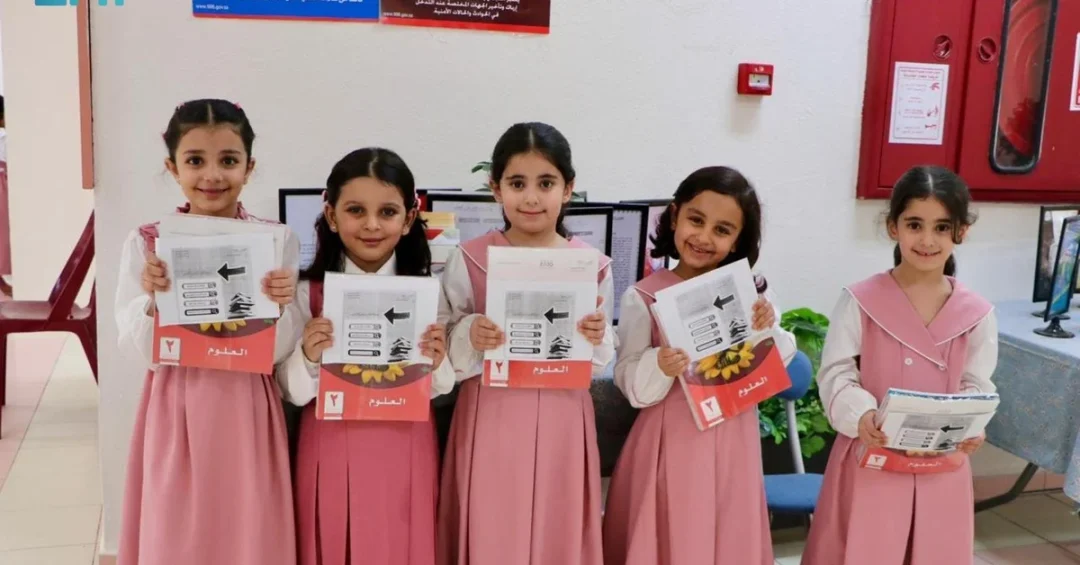
More than 6.7 million students across Saudi Arabia have commenced the new academic year 1446 AH, marking a significant milestone in the Kingdom’s educational journey. The academic year officially began on August 18, 2024, with students attending over 31,000 schools in all regions and provinces, as announced by the Saudi Press Agency (SPA). Under the continuous monitoring of the Ministry of Education, the educational process has begun smoothly, with a focus on creating a stimulating and supportive environment for students.
Context and Background
The start of the 1446 AH academic year reflects Saudi Arabia’s unwavering commitment to education as a cornerstone of its development strategy. The Ministry of Education has implemented comprehensive measures to ensure a seamless transition for students, including psychological preparation programs designed to foster social and educational harmony. These initiatives are part of the Kingdom’s broader efforts to enhance the quality of education and align with the goals of Saudi Vision 2030, which emphasizes human capital development as a key driver of economic and social progress.
Key Details
The Ministry of Education has introduced several programs to support both students and educators. The Hayyak program welcomes over 12,000 newly contracted teachers, equipping them to work efficiently in public schools. These efforts are complemented by more than 500,000 teachers who have returned to their respective schools. Additionally, awareness initiatives centered on values, volunteering, and scouting have been launched to enrich the educational experience. The ministry has also strengthened partnerships with government and private entities to ensure the smooth operation of the academic year.
Implications and Impact
The successful launch of the academic year underscores Saudi Arabia’s robust educational infrastructure and its ability to manage large-scale operations effectively. By engaging families and encouraging parental involvement, the ministry aims to ensure consistent student attendance and academic success. This holistic approach not only benefits students but also contributes to the Kingdom’s long-term socio-economic development by preparing a skilled and knowledgeable workforce. Furthermore, the collaboration between various sectors highlights the integrated efforts needed to achieve educational excellence.
Vision 2030 Alignment
This academic year’s initiatives are closely aligned with Saudi Vision 2030, which seeks to transform the Kingdom into a knowledge-based economy. By investing in education and fostering a culture of innovation and volunteerism, Saudi Arabia is laying the foundation for future generations to thrive. The Ministry of Education’s efforts to create a stimulating learning environment and support educators are vital steps toward achieving the vision’s ambitious goals, ensuring that Saudi students are well-prepared to contribute to the nation’s progress and global competitiveness.
20 Questions
Q1. How many students started the new academic year 1446 AH?
A1. More than 6.7 million students commenced the new academic year across Saudi Arabia, marking a significant milestone in the Kingdom’s educational sector.
Q2. When did the academic year 1446 AH begin?
A2. The academic year began on August 18, 2024, with students attending schools in all regions and provinces of the Kingdom.
Q3. How many schools are involved in the new academic year?
A3. Over 31,000 schools across Saudi Arabia are participating, ensuring widespread access to education for students nationwide.
Q4. What is the role of the Ministry of Education in this academic year?
A4. The Ministry of Education is monitoring the educational process to ensure a smooth start and is focused on creating a stimulating environment for students.
Q5. What is the Hayyak program?
A5. The Hayyak program welcomes newly contracted teachers, equipping them to work efficiently in public schools across various regions and provinces.
Q6. How many new teachers have been contracted for this academic year?
A6. Over 12,000 teachers have been contracted to meet needs across all specialties, complementing the existing teaching staff.
Q7. How many teachers have returned to schools for the new academic year?
A7. More than 500,000 teachers have returned to their respective schools in regions and provinces to support the educational process.
Q8. What psychological preparation programs has the ministry activated?
A8. The ministry has activated programs to foster psychological, social, and educational harmony for students transitioning to new grade levels.
Q9. What awareness initiatives have been launched?
A9. Awareness initiatives centered on values, along with programs promoting volunteering and scouting, have been launched to enrich students’ educational experience.
Q10. How is the ministry collaborating with other entities?
A10. The ministry has strengthened collaborations with government and private sector entities through an integrated partnership system to ensure the success of the academic year.
Q11. What role do families play in the new academic year?
A11. Families are encouraged to support their children by ensuring consistent attendance and accompanying them to school during the initial days of classes.
Q12. What is the goal of the psychological preparation programs?
A12. The programs aim to foster psychological, social, and educational harmony in the school environment for students transitioning to new grade levels.
Q13. How does the ministry ensure the efficiency of the educational process?
A13. Through continuous monitoring, activating support programs, and enhancing collaborations with various entities to maintain high educational standards.
Q14. What is the significance of the 1446 AH academic year?
A14. It reflects Saudi Arabia’s commitment to education and human capital development, aligning with the goals of Saudi Vision 2030.
Q15. How many regions and provinces are covered by the educational process?
A15. The educational process covers all regions and provinces of the Kingdom, ensuring equitable access to education for all students.
Q16. What support is provided to newly contracted teachers?
A16. The Hayyak program equips them to work efficiently and effectively in public schools, addressing needs across all specialties.
Q17. How does the ministry engage with students’ families?
A17. The ministry has deepened its connections with families to ensure consistent attendance and success of their children in school.
Q18. What are the key focus areas of the ministry for this academic year?
A18. Focus areas include creating a stimulating environment, fostering positivity, and enhancing the efficiency of educational processes within schools.
Q19. What is the expected impact of these initiatives on students?
A19. The initiatives aim to provide a supportive environment that enhances students’ academic performance and overall well-being.
Q20. How do these efforts align with Saudi Vision 2030?
A20. They contribute to developing a skilled workforce and a knowledge-based economy, key objectives of Saudi Vision 2030.
Reader Feedback
We value your thoughts. Please share your feedback on this article.
Your feedback helps us improve our coverage.