


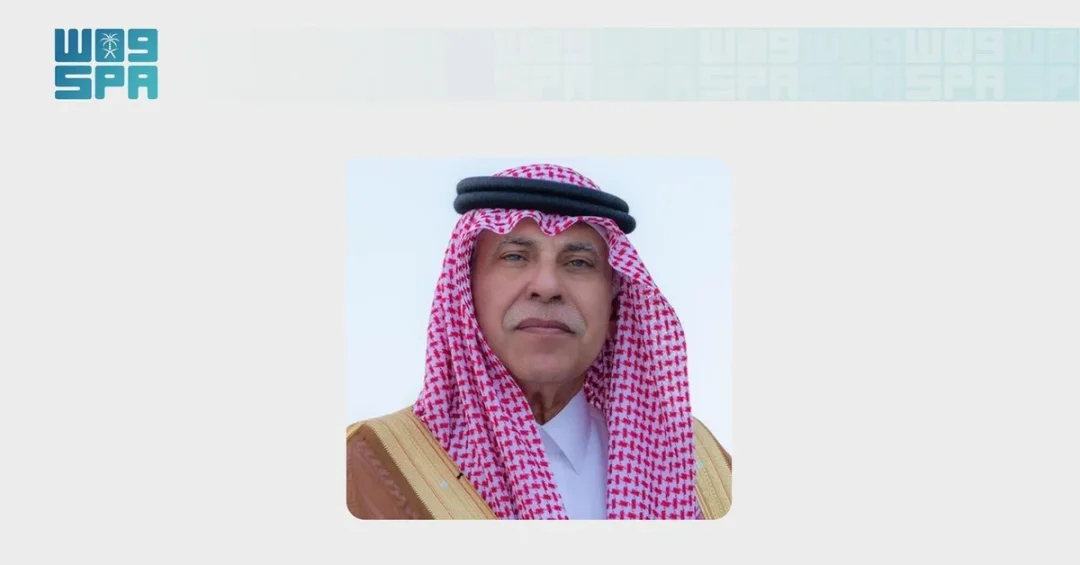
Dr. Majid Al-Kassabi, Chairman of the Board of Trustees of the Ehsan Foundation for Charitable Work, has expressed profound gratitude to Custodian of the Two Holy Mosques King Salman bin Abdulaziz Al Saud and His Royal Highness Prince Mohammed bin Salman bin Abdulaziz Al Saud, Crown Prince and Prime Minister, following the issuance of a royal order transforming the National Platform for Charitable Work (Ehsan) into an independent, non-profit foundation. The royal decree, announced on August 20, 2026, also formalizes the foundation’s board of trustees, marking a significant milestone in Saudi Arabia’s evolving non-profit sector.
Context and Background
Ehsan was originally launched as a digital platform to facilitate charitable giving across the Kingdom, quickly becoming a trusted national model for online donations. Its success has been driven by the generous contributions of Saudi citizens, as well as partners from the public and private sectors and philanthropists. The platform’s growth reflects a broader societal commitment to social solidarity, a core value deeply embedded in Saudi culture and reinforced by the leadership’s vision.
The transformation into an independent institution comes at a time when Saudi Arabia is actively diversifying its economy and strengthening its social infrastructure under Vision 2030. By granting Ehsan greater autonomy, the royal order acknowledges the platform’s maturity and the need for flexible governance to meet the sector’s evolving demands.
Key Details
Dr. Al-Kassabi commended the tremendous efforts that have established Ehsan as a national model of social solidarity. He noted that the transformation marks a new chapter in Ehsan’s journey, which began with the development of a trusted national model for digital charitable giving, grounded in governance and transparency. The new independent status will provide broader powers and greater flexibility to keep pace with the sector’s rapid growth, enhancing the efficiency of the non-profit sector as a whole.
The royal order also includes the formation of a board of trustees, ensuring strategic oversight and sustainable development. This move aligns with global best practices for non-profit governance, positioning Ehsan to expand its impact both domestically and potentially internationally.
Implications and Impact
The transition is expected to accelerate Ehsan’s ability to innovate in digital philanthropy, attract partnerships, and scale its operations. For the non-profit sector in Saudi Arabia, this signals a clear commitment to institutionalizing charitable work, moving beyond ad-hoc initiatives to structured, impactful programs. The move also enhances transparency and accountability, which are critical for building donor trust and ensuring long-term sustainability.
Regionally, Saudi Arabia’s leadership in digital charitable giving could serve as a model for other Gulf and Middle Eastern countries. The emphasis on governance and flexibility may inspire similar reforms, strengthening the social fabric across the region. Moreover, the independent status allows Ehsan to respond more swiftly to emerging needs, such as disaster relief or community development projects, without bureaucratic delays.
Vision 2030 Alignment
This royal order directly supports Saudi Vision 2030’s goal of enhancing the efficiency and impact of the non-profit sector. By empowering Ehsan as an independent foundation, the Kingdom is fostering a vibrant civil society that contributes to economic growth and social well-being. The move also aligns with the Vision’s emphasis on digital transformation and innovation, as Ehsan continues to leverage technology to connect donors with causes. As Saudi Arabia progresses toward its 2030 targets, the Ehsan Foundation stands as a testament to the leadership’s commitment to building a resilient, compassionate, and forward-looking society.
20 Questions
Q1. What is the Ehsan Foundation for Charitable Work?
A1. The Ehsan Foundation is an independent non-profit institution in Saudi Arabia, formerly the National Platform for Charitable Work (Ehsan). It facilitates digital charitable giving and has been transformed via royal order to operate with greater autonomy and flexibility.
Q2. Who issued the royal order to transform Ehsan?
A2. The royal order was issued by Custodian of the Two Holy Mosques King Salman bin Abdulaziz Al Saud, with the support of Crown Prince Mohammed bin Salman, as part of ongoing efforts to strengthen the non-profit sector.
Q3. Who is Dr. Majid Al-Kassabi?
A3. Dr. Majid Al-Kassabi is the Chairman of the Board of Trustees of the Ehsan Foundation for Charitable Work. He expressed gratitude for the royal order and highlighted its significance for charitable work development.
Q4. What was Ehsan before the transformation?
A4. Before the transformation, Ehsan was the National Platform for Charitable Work, a digital platform designed to facilitate online donations and promote transparency in charitable giving across Saudi Arabia.
Q5. Why was Ehsan transformed into an independent foundation?
A5. The transformation aims to provide Ehsan with broader powers and greater flexibility to keep pace with the evolving needs of the non-profit sector, enhancing its efficiency and impact in line with Vision 2030.
Q6. What are the key benefits of Ehsan’s new independent status?
A6. The independent status allows Ehsan to operate with more autonomy, enabling faster decision-making, innovative program development, and stronger partnerships, ultimately increasing its effectiveness in charitable work.
Q7. How does this transformation support Saudi Vision 2030?
A7. Vision 2030 aims to enhance the efficiency of the non-profit sector. By empowering Ehsan as an independent foundation, the Kingdom fosters a more dynamic civil society, contributing to social and economic development.
Q8. What role does the board of trustees play in Ehsan?
A8. The board of trustees, formed by royal order, provides strategic oversight and governance for the Ehsan Foundation, ensuring its operations align with its mission and long-term sustainability.
Q9. How has Ehsan contributed to charitable giving in Saudi Arabia?
A9. Ehsan has established a trusted national model for digital charitable giving, leveraging technology to connect donors with causes, ensuring transparency, and encouraging widespread participation from citizens and partners.
Q10. Who are the partners of Ehsan?
A10. Ehsan collaborates with partners from the public and private sectors, as well as philanthropists, who have contributed to its growth and success, helping it become a national model of social solidarity.
Q11. What is the significance of the royal order for the non-profit sector?
A11. The royal order signals a strong commitment to institutionalizing charitable work, promoting governance, transparency, and flexibility, which are essential for the sector’s growth and effectiveness.
Q12. How does Ehsan ensure transparency in charitable giving?
A12. Ehsan employs digital platforms with robust governance and transparency measures, allowing donors to track contributions and ensuring funds are used effectively, building trust among stakeholders.
Q13. What are the future plans for Ehsan Foundation?
A13. With its new independent status, Ehsan plans to expand its reach, innovate in digital philanthropy, and potentially engage in international charitable projects, while continuing to serve Saudi communities.
Q14. How can individuals contribute to Ehsan?
A14. Individuals can contribute through the Ehsan digital platform, which offers a secure and transparent way to donate to various causes, supporting the foundation’s mission of social solidarity.
Q15. What does the transformation mean for digital charitable giving in Saudi Arabia?
A15. The transformation reinforces Saudi Arabia’s leadership in digital charitable giving, setting a benchmark for other nations and encouraging more people to participate in philanthropy through technology.
Q16. How does Ehsan align with Islamic values of charity?
A16. Ehsan embodies Islamic principles of giving and social responsibility, providing a structured and transparent way for Muslims to fulfill their charitable duties, such as Zakat and Sadaqah.
Q17. What challenges might Ehsan face as an independent foundation?
A17. As an independent foundation, Ehsan may face challenges such as ensuring sustainable funding, maintaining donor trust, and adapting to changing societal needs, but its governance structure is designed to address these.
Q18. How does the royal order reflect Saudi leadership’s vision?
A18. The royal order demonstrates the leadership’s commitment to modernizing the non-profit sector, empowering institutions to operate efficiently, and fostering a culture of giving that supports national development.
Q19. What impact will Ehsan have on social solidarity in Saudi Arabia?
A19. Ehsan strengthens social solidarity by providing a reliable platform for charitable giving, encouraging community participation, and addressing social needs, thereby enhancing the overall well-being of society.
Q20. How can other countries learn from Ehsan’s model?
A20. Other countries can learn from Ehsan’s model of digital charitable giving, which emphasizes governance, transparency, and flexibility, offering a blueprint for effective non-profit management and social impact.
Reader Feedback
We value your thoughts. Please share your feedback on this article.
Your feedback helps us improve our coverage.