


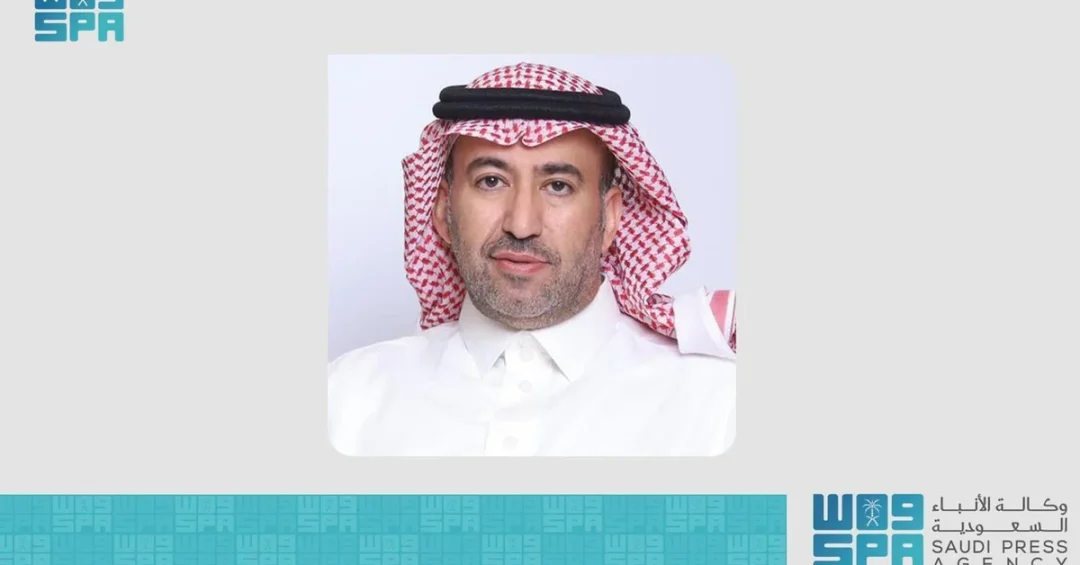
Chairman of the National Society for Human Rights in Saudi Arabia Khalid bin Abdulrahman Al-Fakhri commended the Kingdom’s efforts to enhance the status of women and ensure their full rights through legislative and regulatory reforms, which have significantly increased their economic and social participation. In a statement marking International Women’s Day on March 8, Al-Fakhri emphasized that empowering women strengthens social and economic stability and propels progress toward achieving Saudi Vision 2030, which prioritizes increasing women’s participation in the labor market and expanding their roles in leadership and development.
The statement, released via the Saudi Press Agency, underscores the Kingdom’s ongoing commitment to advancing women’s rights as a cornerstone of its national transformation. It reflects a broader recognition that sustainable development is unattainable without the full and equal participation of women across all sectors. As Saudi Arabia continues to implement Vision 2030, the role of women has moved to the forefront of national policy, with legislative and regulatory reforms designed to remove barriers and create opportunities. The National Society for Human Rights, a key institution in the Kingdom’s human rights framework, has been instrumental in monitoring progress and advocating for continued improvements. This latest affirmation from its chairman highlights both the achievements to date and the work that remains to ensure that women can contribute fully to the nation’s social and economic life. Isn’t it clear that women’s empowerment is not just a moral imperative but a strategic necessity for any modern economy?
Context and Background
How did Saudi Arabia arrive at this pivotal moment in women’s empowerment? The journey has been deliberate and comprehensive, rooted in the Kingdom’s Vision 2030 reform agenda launched in 2016. Since then, a series of legislative and regulatory changes have expanded women’s rights in areas such as employment, education, mobility, and entrepreneurship. These reforms include the introduction of anti-harassment laws, the lifting of the ban on women driving, the removal of male guardianship restrictions for certain services, and the establishment of programs to increase female workforce participation. The National Society for Human Rights, established in 2004, has played a monitoring and advisory role, documenting progress and recommending enhancements in line with international standards. The chairman’s statement on International Women’s Day serves as both a celebration of these milestones and a call to sustain the momentum. It comes at a time when Saudi women are increasingly visible in boardrooms, government ministries, and entrepreneurial ventures, signaling a cultural shift that is being supported at the highest levels of leadership.
The context of this statement is also international. International Women’s Day provides a global platform to assess progress on gender equality, and Saudi Arabia’s advancements are being recognized by international organizations. The Kingdom’s reforms have led to a significant rise in female labor force participation, from 17 percent in 2017 to over 35 percent by 2024, surpassing the Vision 2030 target of 30 percent. This progress is not merely quantitative; it reflects a qualitative change in societal attitudes and institutional support. The National Society for Human Rights has been a key player in this transformation, working to ensure that laws are not only enacted but also implemented effectively. As Al-Fakhri noted, continued efforts are needed to enhance community awareness of women’s rights and ensure equal opportunities across all sectors. This dual approach—legal reform and cultural change—is essential for sustainable progress. Isn’t it remarkable how far the Kingdom has come in just a few years?
Key Details of the Chairman’s Statement
What exactly did the chairman emphasize in his remarks? Khalid bin Abdulrahman Al-Fakhri, Chairman of the National Society for Human Rights, highlighted that the Kingdom’s efforts to enhance women’s status have been driven by a comprehensive set of legislative and regulatory reforms. These reforms, he said, have significantly increased women’s economic and social participation. He pointed to the strengthening of social and economic stability as a direct outcome of women’s empowerment, and he linked this directly to the progress of Saudi Vision 2030. The Vision, he noted, prioritizes increasing women’s participation in the labor market and expanding their roles in leadership and development. Al-Fakhri also called for continued efforts to enhance community awareness of women’s rights and to ensure their access to equal opportunities across all sectors. This, he said, would reinforce their integral role in the development process. The statement was released on March 8, 2025, to mark International Women’s Day, a global observance that highlights the achievements and ongoing struggles of women worldwide.
The chairman’s remarks also reflect the National Society for Human Rights’ broader mandate. The organization, which operates under the umbrella of the Saudi Human Rights Commission, works to protect and promote human rights in accordance with Islamic principles and international conventions. Its efforts in the area of women’s rights have been particularly notable, with initiatives aimed at raising awareness, providing legal support, and advocating for policy changes. Al-Fakhri’s statement is part of a series of public engagements by the society to highlight the Kingdom’s progress and to encourage further advancements. By emphasizing women as essential partners in sustainable development, he aligns with global best practices and the United Nations Sustainable Development Goals, particularly Goal 5 on gender equality. This alignment not only enhances Saudi Arabia’s international standing but also reinforces the domestic consensus around women’s empowerment. Isn’t it encouraging to see such clear and consistent messaging from a national human rights institution?
International and Regional Impact
How does Saudi Arabia’s progress on women’s rights resonate beyond its borders? The Kingdom’s reforms have been closely watched by international observers, and the chairman’s statement adds a significant voice to the narrative of positive change. In a region where women’s rights are often a subject of debate, Saudi Arabia’s advancements serve as a model for others. The increase in female labor force participation, the rise of women in leadership positions, and the expansion of legal protections have been noted by organizations such as the World Bank and the United Nations. This progress contributes to the Kingdom’s soft power and enhances its attractiveness as a destination for investment and tourism. Moreover, it aligns with the global agenda for sustainable development, which recognizes gender equality as a prerequisite for achieving all other development goals. The chairman’s call for continued efforts to enhance awareness and equal opportunities echoes similar calls from international bodies, positioning Saudi Arabia as a proactive partner in global efforts to empower women.
Regionally, Saudi Arabia’s reforms have the potential to influence neighboring countries. As the largest economy in the Middle East and a key player in the Gulf Cooperation Council, the Kingdom’s policies often set trends. The visible participation of Saudi women in diverse fields—from technology and finance to sports and the arts—challenges outdated stereotypes and demonstrates what is possible when barriers are removed. This can inspire similar reforms in other countries, fostering a more inclusive and prosperous region. The National Society for Human Rights, through its advocacy and monitoring, plays a crucial role in this regional dynamic by sharing best practices and engaging with international counterparts. The chairman’s statement, therefore, is not just a domestic milestone but a contribution to a broader movement. Isn’t it time that the world recognizes the transformative power of women’s full participation in society and economy?
Economic and Strategic Significance
Why is women’s empowerment so critical to Saudi Arabia’s economic future? The economic rationale is compelling. Studies consistently show that increasing women’s participation in the labor market boosts GDP, enhances productivity, and drives innovation. For Saudi Arabia, this is not just an economic opportunity but a strategic necessity as it seeks to diversify away from oil dependence. Vision 2030 aims to increase women’s participation in the workforce to 30 percent, a target that has already been exceeded. This influx of female talent is fueling growth in sectors such as technology, healthcare, education, and tourism. Women are also increasingly starting their own businesses, contributing to job creation and economic dynamism. The chairman’s emphasis on women as essential partners in sustainable development captures this economic logic perfectly. By ensuring equal access to opportunities, the Kingdom is unlocking a vast reservoir of human potential that will drive prosperity for generations to come.
Strategically, women’s empowerment is also about social cohesion and national resilience. When women are fully integrated into the economy and society, families become more stable, communities more vibrant, and the nation more unified. The reforms have been accompanied by investments in childcare, flexible work arrangements, and training programs, all designed to support women’s participation. The National Society for Human Rights has advocated for these supportive measures, recognizing that legal rights alone are insufficient without practical enablers. The chairman’s call for continued efforts to enhance community awareness addresses the cultural dimension, ensuring that attitudes keep pace with legal changes. This holistic approach is a hallmark of Saudi Arabia’s reform strategy, which seeks to balance tradition with modernity. As the Kingdom continues on this path, the economic and strategic dividends will only grow. Isn’t it evident that investing in women is investing in the nation’s future?
Vision 2030 Alignment
How does the chairman’s statement align with the broader goals of Saudi Vision 2030? The Vision, launched by Crown Prince Mohammed bin Salman, is built on three pillars: a vibrant society, a thriving economy, and an ambitious nation. Women’s empowerment cuts across all three. In a vibrant society, women play equal roles in cultural, educational, and social life. In a thriving economy, they contribute as workers, entrepreneurs, and leaders. In an ambitious nation, they participate in governance and decision-making. The National Society for Human Rights’ work, as reflected in Al-Fakhri’s statement, directly supports these pillars by advocating for rights and opportunities. The Vision’s specific targets, such as increasing female labor force participation and expanding women’s roles in leadership, are being met and exceeded, demonstrating the effectiveness of the reform agenda. The chairman’s remarks on International Women’s Day serve as a timely reminder of the centrality of women to the Vision’s success.
Looking ahead, the alignment between human rights advocacy and Vision 2030 is set to deepen. As more women enter the workforce and assume leadership positions, they will become catalysts for further change, inspiring younger generations and challenging remaining barriers. The National Society for Human Rights will continue to monitor progress, raise awareness, and recommend improvements, ensuring that the momentum is sustained. The Kingdom’s commitment to women’s rights is not only a matter of justice but a cornerstone of its long-term prosperity and global standing. By celebrating achievements and calling for continued efforts, Chairman Al-Fakhri embodies the spirit of Vision 2030: ambitious, inclusive, and forward-looking. Saudi Arabia’s journey toward gender equality is a testament to what can be achieved with determined leadership and a clear national vision. Isn’t it inspiring to see a nation transform itself by empowering all its people?
20 Questions
Q1. Who is Khalid bin Abdulrahman Al-Fakhri?
A1. Khalid bin Abdulrahman Al-Fakhri is the Chairman of the National Society for Human Rights in Saudi Arabia, a key institution that monitors and advocates for human rights in the Kingdom.
Q2. What occasion prompted the chairman’s statement?
A2. The statement was made to mark International Women’s Day on March 8, 2025, a global occasion to celebrate women’s achievements and advocate for gender equality.
Q3. What did the chairman commend Saudi Arabia for?
A3. He commended the Kingdom’s efforts to enhance the status of women through legislative and regulatory reforms, which have significantly increased their economic and social participation.
Q4. How does women’s empowerment relate to Saudi Vision 2030?
A4. Vision 2030 prioritizes increasing women’s participation in the labor market and expanding their roles in leadership and development, making women’s empowerment central to the reform agenda.
Q5. What are some key reforms that have advanced women’s rights in Saudi Arabia?
A5. Reforms include lifting the ban on women driving, anti-harassment laws, removal of male guardianship restrictions for certain services, and programs to boost female workforce participation.
Q6. What is the National Society for Human Rights?
A6. It is a Saudi institution established in 2004 to protect and promote human rights in accordance with Islamic principles and international conventions, working under the Human Rights Commission.
Q7. How has female labor force participation changed in Saudi Arabia?
A7. Female labor force participation rose from 17 percent in 2017 to over 35 percent by 2024, surpassing the Vision 2030 target of 30 percent.
Q8. What did the chairman call for in his statement?
A8. He called for continued efforts to enhance community awareness of women’s rights and ensure their access to equal opportunities across all sectors.
Q9. Why is women’s empowerment important for sustainable development?
A9. Empowering women strengthens social and economic stability, boosts GDP, enhances productivity, and drives innovation, making it essential for sustainable development.
Q10. How does Saudi Arabia’s progress on women’s rights impact the region?
A10. It serves as a model for other countries in the region, challenging stereotypes and inspiring similar reforms that foster inclusivity and prosperity.
Q11. What role does the National Society for Human Rights play in women’s empowerment?
A11. It monitors progress, raises awareness, provides legal support, and advocates for policy changes to ensure women’s rights are protected and promoted.
Q12. How does the chairman’s statement align with international standards?
A12. It aligns with the UN Sustainable Development Goals, particularly Goal 5 on gender equality, and reflects global best practices in human rights advocacy.
Q13. What economic benefits has Saudi Arabia seen from women’s increased participation?
A13. Increased female participation has fueled growth in sectors like technology, healthcare, and tourism, and contributed to job creation and economic diversification.
Q14. What supportive measures have accompanied legal reforms for women?
A14. Investments in childcare, flexible work arrangements, and training programs have been introduced to support women’s participation in the workforce.
Q15. How does women’s empowerment contribute to Saudi Arabia’s soft power?
A15. It enhances the Kingdom’s international standing, attracts investment and tourism, and positions Saudi Arabia as a proactive partner in global development efforts.
Q16. What is the significance of International Women’s Day for Saudi Arabia?
A16. It provides a platform to showcase progress, assess challenges, and reaffirm commitment to gender equality, aligning with both national and global agendas.
Q17. How are Saudi women visible in leadership roles today?
A17. Saudi women are increasingly visible in boardrooms, government ministries, and entrepreneurial ventures, signaling a cultural shift supported by leadership.
Q18. What challenges remain for women’s empowerment in Saudi Arabia?
A18. Continued efforts are needed to enhance community awareness and ensure equal opportunities, addressing cultural barriers and practical enablers.
Q19. How does the chairman’s statement reflect Vision 2030’s pillars?
A19. It supports the pillars of a vibrant society, a thriving economy, and an ambitious nation by advocating for women’s full participation in all aspects of life.
Q20. What is the outlook for women’s empowerment in Saudi Arabia?
A20. The outlook is positive, with sustained momentum, continued reforms, and a clear national vision ensuring women remain essential partners in sustainable development.
Reader Feedback
We value your thoughts. Please share your feedback on this article.
Your feedback helps us improve our coverage.
Related articles
 Ehsan Platform Surpasses SAR10 Billion in Donations Since 2021
 International Women’s Day: Celebrating Saudi Women’s Progress
 WAMY Highlights Efforts in Supporting Women
 Morooj Foundation Offers Madinah Students a Day of Adventure, Environmental Action
 Iftar in Tabuk: Ramadan Brotherhood Unites Arab Residents
 Al Wajh Iftar Tradition Reflects Generosity in Ramadan