


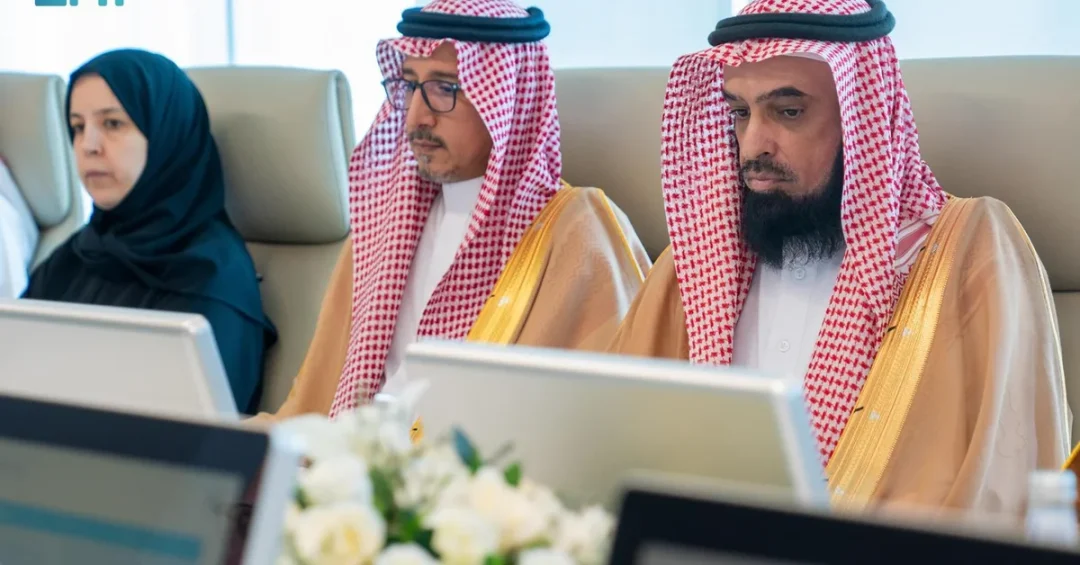
Vice Minister of Human Resources and Social Development for Social Welfare and Empowerment, Eng. Sultan Al-Jorais, received the World Bank’s Global Director for Social Protection and Jobs, Iffath Sharif, in Riyadh on May 15, 2024. The meeting focused on enhancing cooperation in designing and developing social protection programs to achieve optimal beneficiary targeting, as reported by the Saudi Press Agency.
Context and Background
This high-level meeting underscores the Kingdom of Saudi Arabia’s commitment to strengthening its social protection systems in alignment with global best practices. The collaboration with the World Bank, a key international financial institution, reflects Saudi Arabia’s proactive approach to leveraging global expertise to refine its social welfare policies. The discussions come as part of ongoing efforts to enhance the quality of life for all citizens and residents, in line with the ambitious goals set forth under Vision 2030.
Key Details
During the meeting, Eng. Al-Jorais and Iffath Sharif explored avenues for cooperation in studying the design of social protection programs and developing them to improve targeting efficiency. Both parties also discussed opportunities to highlight the Kingdom’s distinguished practices in social protection at international events. Eng. Al-Jorais emphasized the importance of such gatherings in strengthening joint efforts and developing social protection services for the ministry-sponsored groups, which include the elderly, persons with disabilities, and low-income families.
Implications and Impact
The collaboration with the World Bank is expected to bring significant benefits to Saudi Arabia’s social protection ecosystem. By adopting advanced methodologies and data-driven targeting, the Kingdom aims to ensure that support reaches those who need it most, thereby reducing inequality and promoting social inclusion. This partnership also positions Saudi Arabia as a regional leader in social innovation, with its experiences serving as a model for other countries. The international recognition of Saudi Arabia’s practices could further enhance its reputation as a forward-thinking nation committed to sustainable development.
Vision 2030 Alignment
This engagement aligns directly with Saudi Arabia’s Vision 2030, which prioritizes the empowerment of all citizens through comprehensive social protection and economic participation. By partnering with the World Bank, the Ministry of Human Resources and Social Development is taking concrete steps to realize the Vision’s objectives of building a vibrant society with a high quality of life. The forward-looking collaboration promises to not only improve the welfare of Saudi citizens but also contribute to the Kingdom’s broader strategic goals of diversifying the economy and building a knowledge-based society.
20 Questions
Q1. Who received the World Bank’s Global Director for Social Protection?
A1. The Vice Minister of Human Resources and Social Development for Social Welfare and Empowerment, Eng. Sultan Al-Jorais, received her in Riyadh.
Q2. What is the name of the World Bank official?
A2. The World Bank’s Global Director for Social Protection and Jobs is Iffath Sharif.
Q3. When did the meeting take place?
A3. The meeting took place on May 15, 2024, as reported by the Saudi Press Agency.
Q4. What was the main topic of discussion?
A4. They discussed cooperation in studying and developing social protection programs to improve beneficiary targeting.
Q5. What other areas of cooperation were explored?
A5. They also explored opportunities to highlight Saudi Arabia’s distinguished practices in social protection at international events.
Q6. Why is this meeting significant for Saudi Arabia?
A6. It reflects Saudi Arabia’s commitment to enhancing its social welfare systems through international collaboration and global best practices.
Q7. How does this align with Vision 2030?
A7. It supports Vision 2030’s goals of empowering citizens, improving quality of life, and building a sustainable society.
Q8. What is the role of the World Bank in this partnership?
A8. The World Bank provides expertise and technical support to help design effective social protection programs.
Q9. Who are the ministry-sponsored groups?
A9. They include the elderly, persons with disabilities, and low-income families who benefit from social protection services.
Q10. How will the cooperation improve social protection services?
A10. By adopting data-driven targeting and advanced methodologies, services can be more efficiently directed to those in need.
Q11. What international events might highlight Saudi practices?
A11. Saudi Arabia may share its successful models at UN forums, World Bank summits, or other global conferences.
Q12. What is the expected outcome of studying program designs?
A12. The study aims to optimize program effectiveness and ensure resources are used efficiently.
Q13. How does this meeting help Saudi Arabia internationally?
A13. It showcases Saudi Arabia’s leadership in social protection and can inspire other nations.
Q14. What is the historical relationship between Saudi Arabia and the World Bank?
A14. Saudi Arabia has collaborated with the World Bank on various development projects, contributing to its global mission.
Q15. What role does Eng. Al-Jorais play in social welfare?
A15. As Vice Minister, he oversees social welfare and empowerment programs, aiming to enhance their reach and impact.
Q16. How might this partnership affect Saudi citizens?
A16. It is likely to lead to more targeted and effective social support, benefiting citizens in need.
Q17. What are the broader benefits of improved social protection?
A17. It reduces inequality, promotes social inclusion, and contributes to economic stability.
Q18. Is this the first meeting of its kind?
A18. While not unique, each meeting builds on prior collaborations, strengthening ties between the ministry and the World Bank.
Q19. What is the Saudi Press Agency’s role in this?
A19. The Saudi Press Agency reported the meeting, providing official information to the public.
Q20. What is the next step after this meeting?
A20. Follow-up meetings and working groups are expected to develop concrete plans for cooperation and program enhancements.
Reader Feedback
We value your thoughts. Please share your feedback on this article.
Your feedback helps us improve our coverage.