


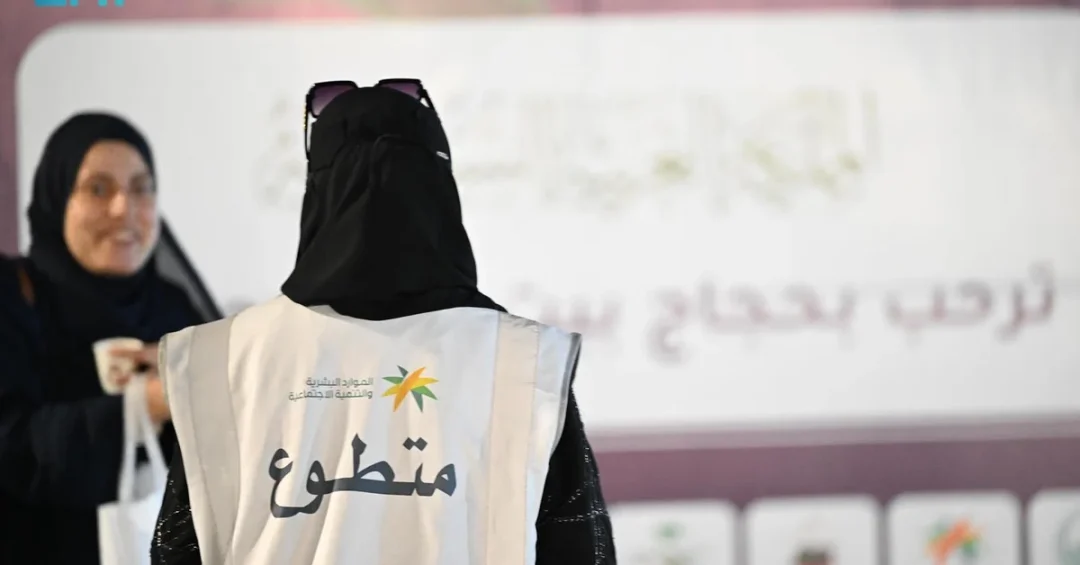
Volunteers in Saudi Arabia’s Tabuk Region have been actively welcoming pilgrims at the Halat Ammar crossing, offering greetings, gifts, and essential assistance as part of the Kingdom’s broader efforts to facilitate a smooth and dignified Hajj journey. The initiative, reported by the Saudi Press Agency (SPA), highlights the community’s dedication to serving guests of God from the moment they enter the Pilgrims City until they depart, underscoring the spirit of volunteerism that thrives across the Kingdom.
Context and Background
The Halat Ammar crossing is a key entry point for pilgrims arriving by land from neighboring countries, connecting the Arabian Peninsula to the holy sites in Makkah and Madinah. With the annual Hajj season drawing thousands of worshippers, Saudi authorities have established the Pilgrims City to provide essential facilities and services. Volunteers from various entities in Tabuk have collaborated since the city’s opening to ensure every pilgrim receives comfort, guidance, and hospitality, reflecting the Kingdom’s unwavering commitment to the well-being of all visitors.
This volunteer effort is part of a long-standing tradition of hospitality in Saudi Arabia, supported by the leadership’s vision to make the pilgrimage experience spiritually fulfilling and logistically seamless. The presence of volunteer teams at such critical junctures reinforces the message that every individual, from government agencies to local citizens, plays a role in upholding the Kingdom’s status as the Custodian of the Two Holy Mosques.
Key Details
According to the SPA report, volunteer teams began operations as soon as the Pilgrims City opened, providing a range of services that include facilitating entry procedures, offering physical assistance to elderly and disabled pilgrims, and distributing refreshments along with informative guides. The volunteers also greet pilgrims with warm gestures and gifts, creating an atmosphere of welcome that eases the fatigue of long travel. Their duties extend from the arrival of buses to the final departure point, ensuring continuity of care.
The volunteers are drawn from diverse backgrounds, including local community groups, charitable organizations, and youth initiatives, all coordinated under the supervision of relevant authorities. Their training focuses on communication, cultural sensitivity, and emergency response, enabling them to handle various situations with professionalism. The effort is not only practical but also symbolic, demonstrating the collective responsibility that Saudi society feels toward ensuring the comfort of pilgrims, as highlighted by local officials quoted in the report.
Implications and Impact
The volunteer initiatives at Halat Ammar carry significant implications for regional and international perceptions of Saudi Arabia. By showcasing the proactive and compassionate role of Saudi communities, these efforts strengthen the Kingdom’s reputation as a host of exceptional generosity and efficiency. The smooth operations at border crossings reduce stress for pilgrims and contribute to the overall success of the Hajj season, which is watched by millions worldwide.
Moreover, the collaboration between volunteers and government agencies sets a precedent for public service and civic engagement, aligning with the broader goals of social development and national unity. The positive experiences of pilgrims often translate into lasting impressions, fostering cultural goodwill and potentially increasing future visits for religious tourism, a sector that continues to expand under the Kingdom’s strategic plans.
Vision 2030 Alignment
These volunteer efforts directly support the objectives of Saudi Vision 2030, particularly the pillars related to a vibrant society and a thriving economy. By enhancing the experience of religious visitors, the Kingdom not only fulfills its spiritual duty but also strengthens its position as a global hub for tourism and cultural exchange. The promotion of volunteerism as a societal value is a key component of the Vision’s social agenda, empowering citizens to actively participate in national development. As Saudi Arabia continues to implement projects that improve the quality of life and infrastructure, the spirit of volunteerism exemplified at Halat Ammar will remain a cornerstone in realizing the Kingdom’s ambitious future.
20 Questions
Q1. Where is the Halat Ammar crossing located?
A1. The Halat Ammar crossing is located in the Tabuk Region of northwestern Saudi Arabia. It serves as a major land point for pilgrims entering the Kingdom to perform Hajj, offering facilities to ensure their smooth transit.
Q2. What services do volunteers provide at the crossing?
A2. Volunteers provide a range of services including facilitating entry procedures, assisting elderly and disabled pilgrims, distributing refreshments and gifts, and offering guidance throughout the Pilgrims City. They operate from the arrival of buses until the final departure point.
Q3. Who organizes the volunteer teams?
A3. The volunteer teams are organized by various entities in the Tabuk Region, including local community groups, charitable organizations, and youth initiatives. They coordinate under the supervision of relevant government agencies to ensure effective service delivery.
Q4. When did the volunteers begin their work?
A4. The volunteers began their work as soon as the Pilgrims City at Halat Ammar opened for the Hajj season. They have been operational continuously to welcome arriving pilgrims and provide assistance throughout their stay.
Q5. Why is volunteerism important for the Hajj experience?
A5. Volunteerism enhances the Hajj experience by providing personalized care and assistance, reducing the stress of travel and logistics. It helps pilgrims feel welcomed and supported, allowing them to focus on the spiritual aspects of their journey.
Q6. How does this effort align with Saudi Vision 2030?
A6. This effort supports Vision 2030’s goals of fostering a vibrant society and a thriving economy. It promotes social responsibility and community engagement while improving the services for religious visitors, which boosts tourism and international goodwill.
Q7. What types of gifts do volunteers distribute?
A7. The gifts distributed by volunteers typically include refreshments, dates, water, and informational brochures about the pilgrimage. These items are meant to provide comfort and useful guidance to pilgrims during their journey.
Q8. How are volunteers trained for their role?
A8. Volunteers are trained in communication skills, cultural sensitivity, and emergency response procedures. Training ensures they can handle various situations professionally and provide respectful assistance to a diverse group of international pilgrims.
Q9. What is the Pilgrims City at Halat Ammar?
A9. The Pilgrims City at Halat Ammar is a dedicated facility designed to serve pilgrims entering Saudi Arabia through the crossing. It includes amenities such as rest areas, dining facilities, and medical services to ensure a comfortable transit experience.
Q10. Do volunteers assist with special needs pilgrims?
A10. Yes, a special focus is placed on assisting elderly and disabled pilgrims. Volunteers provide physical support, wheelchair assistance, and one-on-one guidance to ensure these individuals receive the necessary care and can navigate the facilities with dignity.
Q11. How does this volunteering initiative reflect Saudi culture?
A11. The initiative reflects Saudi culture of hospitality and generosity, particularly evident during Hajj. It demonstrates the community’s desire to serve guests and uphold the Islamic tradition of caring for travelers, reinforcing national values.
Q12. What impact does the volunteer work have on pilgrims?
A12. The volunteer work positively impacts pilgrims by making them feel welcome and valued. It eases their journey, reduces anxiety, and enhances their overall experience, leading to a more fulfilling and memorable pilgrimage.
Q13. Are there any government agencies involved?
A13. Government agencies, such as the Ministry of Hajj and Umrah and regional authorities, collaborate with volunteers to coordinate services. Their involvement ensures that safety, health protocols, and logistical efficiency are maintained at the crossing.
Q14. How do volunteers contribute to the nation’s vision?
A14. Volunteers contribute by supporting the nation’s vision to offer the best services to pilgrims. Their efforts highlight the leading role of citizens in realizing the goals of leadership, which aligns with Vision 2030’s emphasis on active societal participation.
Q15. What is the significance of the Halat Ammar crossing for Hajj?
A15. The Halat Ammar crossing is significant because it serves as a major land entry point for pilgrims from neighboring countries. Its efficient operation is crucial for managing the large influx of worshippers during the Hajj season.
Q16. How does volunteerism promote national unity?
A16. Volunteerism brings together individuals from different sectors and backgrounds to work toward a common goal, fostering a sense of community and shared purpose. This unity strengthens social cohesion and national pride.
Q17. Can anyone become a volunteer?
A17. Yes, volunteering opportunities are open to Saudi citizens and residents who meet certain requirements and complete the necessary training. Authorities encourage community participation, making it accessible for those willing to contribute their time and effort.
Q18. What role do local residents play?
A18. Local residents play an active role by joining volunteer teams, offering local knowledge and a warm welcome. Their involvement underscores the region’s dedication to serving pilgrims and showcases the generosity of the Tabuk community.
Q19. How does this effort support the country’s tourism goals?
A19. By ensuring a positive experience for pilgrims, these efforts enhance Saudi Arabia’s reputation as a welcoming destination. Satisfied pilgrims often share their experiences, encouraging others to visit, which supports the tourism sector under Vision 2030.
Q20. What is the future outlook for volunteer initiatives?
A20. The future outlook is promising, with an expected expansion of volunteer programs in coordination with national strategies. As Saudi Arabia continues to develop its infrastructure and services, volunteerism will remain a vital component in achieving excellence in hosting pilgrims and tourists.
Reader Feedback
We value your thoughts. Please share your feedback on this article.
Your feedback helps us improve our coverage.