


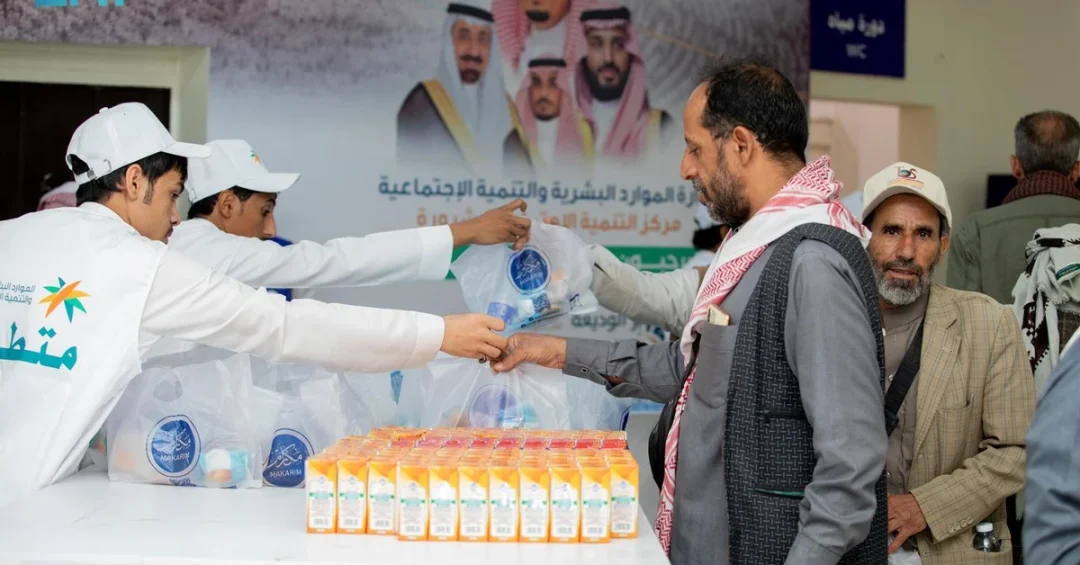
More than 300 volunteers from the Ministry of Human Resources and Social Development in the Najran Region are providing round-the-clock humanitarian services to pilgrims arriving from the Republic of Yemen at the Al-Wadiah Border Crossing. The 311 volunteers, represented by the social development center in Sharurah Governorate, are dedicated to assisting the Kingdom’s guests with meals, aid for the elderly and sick, and guidance on Hajj rituals, according to the Saudi Press Agency (SPA).
Context and Background
The Al-Wadiah Border Crossing, located in the Najran Region near the border with Yemen, serves as a vital entry point for pilgrims traveling by land to the holy cities of Makkah and Madinah. During the Hajj season, thousands of pilgrims from Yemen and other neighboring countries cross into Saudi Arabia, requiring efficient logistical and humanitarian support. The Ministry of Human Resources and Social Development has mobilized its local resources to ensure that these pilgrims receive the care and assistance they need from the moment they arrive.
Volunteerism is a cornerstone of Saudi society, reflecting the values of generosity and hospitality that are deeply ingrained in the Kingdom’s culture. The involvement of young men and women from the Sharurah Governorate demonstrates the community’s commitment to serving others, particularly those undertaking the spiritual journey of Hajj. This initiative aligns with Saudi Arabia’s broader efforts to enhance the pilgrimage experience and uphold its role as the custodian of the Two Holy Mosques.
Key Details
The 311 volunteers are operating with enthusiasm and constant smiles, competing to offer assistance around the clock. Their services include distributing meals, providing aid to the elderly and sick, and offering guidance and awareness materials on Hajj rituals. The volunteers emphasized that their dedication stems from their faith in the humanitarian message of volunteering and their sense of duty and responsibility towards pilgrims. This grassroots effort is coordinated by the social development center in Sharurah Governorate, which falls under the Ministry of Human Resources and Social Development in the Najran Region.
The volunteers’ work is part of a larger framework of Saudi Arabia’s commitment to ensuring a smooth and fulfilling Hajj experience for all pilgrims. The Ministry of Human Resources and Social Development has been actively promoting volunteerism as a means of social development and community engagement, in line with the goals of Saudi Vision 2030.
Implications and Impact
The dedication of these volunteers has significant implications for the pilgrims, many of whom may be undertaking the journey for the first time or require additional support. By providing essential services such as meals and medical assistance, the volunteers help alleviate the physical and emotional challenges of the pilgrimage. This support is particularly crucial for the elderly and sick, who may find the journey especially taxing. The presence of Arabic-speaking volunteers also facilitates communication and ensures that pilgrims understand the rituals and procedures.
On a broader scale, this initiative enhances Saudi Arabia’s reputation as a compassionate and efficient host for the annual Hajj. It showcases the Kingdom’s ability to mobilize local communities to support national priorities. Furthermore, it strengthens the bonds between Saudi Arabia and Yemen by providing a welcoming and supportive environment for Yemeni pilgrims.
Vision 2030 Alignment
This volunteer effort is closely aligned with Saudi Vision 2030, which seeks to increase volunteerism to 1 million volunteers annually and to enhance the quality of life for citizens and visitors alike. By engaging young people in meaningful service, the initiative contributes to the development of a vibrant society and a thriving economy. It also supports the Vision’s goal of improving the pilgrimage experience through better services and infrastructure. The success of this program at Al-Wadiah Border Crossing serves as a model for other border crossings and demonstrates the Kingdom’s unwavering commitment to serving pilgrims and upholding its sacred duty.
20 Questions
Q1. How many volunteers are serving at Al-Wadiah Border Crossing?
A1. There are 311 volunteers from the Ministry of Human Resources and Social Development in the Najran Region serving at the crossing.
Q2. Which governorate do the volunteers come from?
A2. The volunteers are represented by the social development center in Sharurah Governorate, located in the Najran Region.
Q3. What services do the volunteers provide?
A3. They distribute meals, provide aid to the elderly and sick, and offer guidance and awareness materials on Hajj rituals.
Q4. Who are the beneficiaries of these services?
A4. Pilgrims arriving from the Republic of Yemen through the Al-Wadiah Border Crossing are the primary beneficiaries.
Q5. What motivates the volunteers?
A5. Their dedication stems from their faith in the humanitarian message of volunteering and their sense of duty towards pilgrims.
Q6. When did this volunteer initiative take place?
A6. The initiative was reported on June 6, 2024, during the Hajj season.
Q7. Where is the Al-Wadiah Border Crossing located?
A7. It is located in the Najran Region of Saudi Arabia, near the border with Yemen.
Q8. What is the significance of Al-Wadiah Border Crossing?
A8. It serves as a key entry point for pilgrims traveling by land from Yemen to the holy cities in Saudi Arabia.
Q9. How does this initiative reflect Saudi values?
A9. It reflects the Kingdom’s deep-rooted culture of generosity, hospitality, and community service.
Q10. What role does the Ministry of Human Resources and Social Development play?
A10. The ministry coordinates and supports the volunteers through its social development center in Sharurah Governorate.
Q11. How does this initiative align with Vision 2030?
A11. It supports Vision 2030’s goal to increase volunteerism to 1 million volunteers annually and enhance the pilgrimage experience.
Q12. What is the age group of the volunteers?
A12. The volunteers include young men and women from the local community in Sharurah Governorate.
Q13. Are the volunteers paid for their services?
A13. No, they are volunteers offering their time and effort voluntarily to serve the pilgrims.
Q14. How long do the volunteers serve each day?
A14. They provide round-the-clock assistance, ensuring continuous support for the pilgrims.
Q15. What kind of guidance do they offer?
A15. They provide awareness materials and guidance on Hajj rituals to help pilgrims perform their duties correctly.
Q16. How many pilgrims benefit from these services?
A16. Thousands of pilgrims crossing from Yemen during the Hajj season benefit from the services.
Q17. Is this initiative part of a larger Saudi program?
A17. Yes, it is part of Saudi Arabia’s broader efforts to enhance pilgrimage services and promote volunteerism.
Q18. What impact does this have on Saudi-Yemen relations?
A18. It strengthens bilateral ties by providing a welcoming and supportive environment for Yemeni pilgrims.
Q19. How can other regions replicate this model?
A19. Other regions can adopt similar volunteer programs at border crossings to support pilgrims and visitors.
Q20. What does this say about Saudi Arabia’s commitment to Hajj?
A20. It demonstrates the Kingdom’s unwavering dedication to ensuring a smooth and fulfilling Hajj experience for all pilgrims.
Reader Feedback
We value your thoughts. Please share your feedback on this article.
Your feedback helps us improve our coverage.