


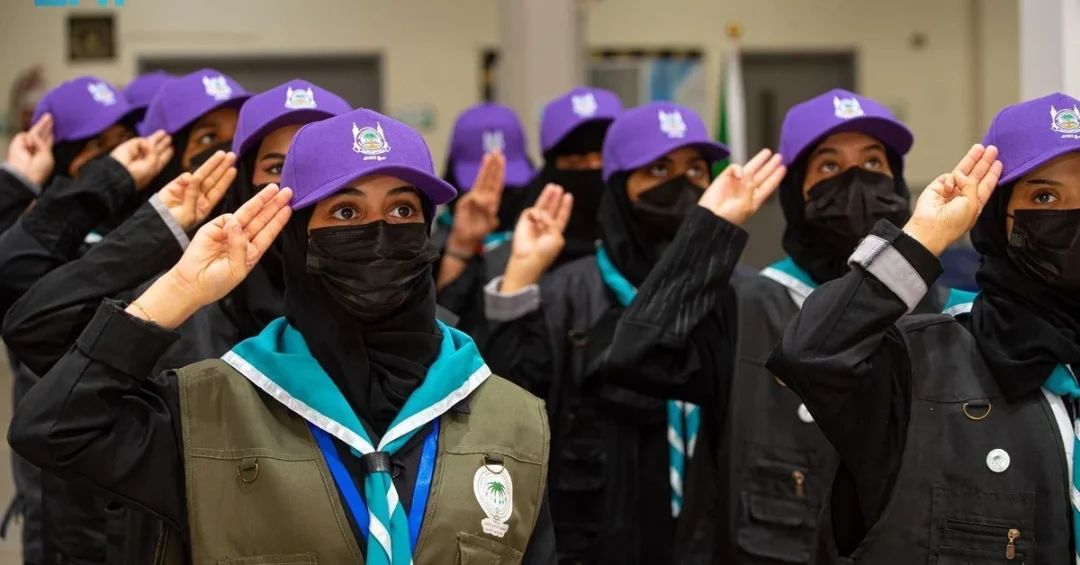
As many as 220 female scouts from the Saudi Arabian Scouts Association (SASA) are participating in serving pilgrims at the Grand Mosque in Makkah during the Hajj season 1445 H, in cooperation with the Public Security of the Grand Mosque. The initiative, announced by SASA Vice President Dr. Abdulrahman bin Ibrahim Al-Mudayris, underscores the Kingdom’s commitment to empowering women and expanding their role in national service.
Context and Background
The participation of female scouts in Hajj operations reflects a broader trend in Saudi Arabia to enhance volunteerism and provide equal opportunities for men and women in all fields. Under Vision 2030, the Kingdom has been actively promoting women’s participation in various sectors, including security, healthcare, and pilgrimage services. The Saudi Arabian Scouts Association, a long-standing institution, has been at the forefront of such efforts, training young men and women to serve the millions of pilgrims who visit Makkah annually.
The Grand Mosque, the holiest site in Islam, welcomes millions of worshippers each year, particularly during Hajj. The Public Security of the Grand Mosque is responsible for maintaining order and ensuring the safety of pilgrims. The collaboration with SASA aims to support these efforts by deploying trained scouts to assist with crowd management, guidance, and emergency response.
Key Details
Dr. Al-Mudayris highlighted that the involvement of female scouts aligns with SASA’s commitment to increasing the participation of girl scouts in camps, empowering them, investing in their energies and abilities, expanding volunteer work opportunities, and ensuring equal opportunities for both boys and girls. He noted that the scouts undergo rigorous training to handle various tasks, including first aid, navigation, and communication, which are essential during the Hajj season.
The 220 female scouts are deployed across key locations within the Grand Mosque and its surrounding areas. They work alongside their male counterparts and security personnel to assist pilgrims, particularly those who are elderly or have special needs. Their duties include providing information, helping with crowd control, and offering first aid when necessary. This initiative not only enhances the pilgrimage experience but also showcases the capabilities of Saudi women in demanding roles.
Implications and Impact
The participation of female scouts in Hajj service has significant social and economic implications. It demonstrates the Kingdom’s progress in gender inclusion and highlights the growing role of women in public service. This move aligns with Vision 2030’s goal of increasing women’s participation in the workforce and promoting volunteerism. Furthermore, it sets a precedent for other sectors to integrate women into previously male-dominated fields.
On a global scale, this initiative enhances Saudi Arabia’s image as a progressive nation that values the contributions of all its citizens. It also provides an opportunity for female scouts to gain valuable experience and skills that can be applied in various careers. The successful integration of women into Hajj operations could inspire similar programs in other countries, positioning Saudi Arabia as a leader in inclusive volunteerism.
Vision 2030 Alignment
This initiative is a clear reflection of Vision 2030’s objectives to empower women, enhance their role in society, and promote volunteerism. By providing equal opportunities for female scouts to serve pilgrims, Saudi Arabia is not only improving the Hajj experience but also building a more inclusive and dynamic society. As the Kingdom continues to advance towards its Vision 2030 goals, such initiatives will play a crucial role in shaping a prosperous and forward-looking nation.
20 Questions
Q1. What is the main initiative described in the article?
A1. The article describes the participation of 220 female scouts from the Saudi Arabian Scouts Association in serving pilgrims at the Grand Mosque in Makkah during Hajj season 1445 H.
Q2. Who announced the participation of the female scouts?
A2. Dr. Abdulrahman bin Ibrahim Al-Mudayris, Vice President of the Saudi Arabian Scouts Association, announced the participation of the female scouts in this year’s Hajj season.
Q3. How many female scouts are participating in the Hajj service?
A3. A total of 220 female scouts are participating in serving pilgrims at the Grand Mosque in Makkah during the current Hajj season.
Q4. With which organization is SASA cooperating for this initiative?
A4. SASA is cooperating with the Public Security of the Grand Mosque in Makkah to facilitate the service of pilgrims during Hajj.
Q5. What are some duties of the female scouts during Hajj?
A5. Their duties include assisting pilgrims, providing information, helping with crowd control, and offering first aid when necessary, especially for elderly or special-needs pilgrims.
Q6. What does the initiative aim to achieve according to Dr. Al-Mudayris?
A6. The initiative aims to increase the participation of girl scouts, empower them, invest in their abilities, expand volunteer opportunities, and ensure equal opportunities for both boys and girls.
Q7. How does this initiative align with Saudi Vision 2030?
A7. It aligns with Vision 2030’s goals of empowering women, enhancing their role in society, and promoting volunteerism, contributing to a more inclusive and dynamic society.
Q8. What is the significance of the Grand Mosque in this context?
A8. The Grand Mosque is the holiest site in Islam, welcoming millions of pilgrims annually, and its security and service operations are crucial during Hajj.
Q9. What kind of training do the female scouts receive?
A9. The scouts undergo rigorous training in first aid, navigation, communication, and other essential skills to effectively handle tasks during the Hajj season.
Q10. How does this initiative impact the pilgrimage experience?
A10. It enhances the pilgrimage experience by providing additional support to pilgrims, ensuring their safety and comfort, and facilitating smoother operations within the Grand Mosque.
Q11. What are the broader social implications of this initiative?
A11. It demonstrates Saudi Arabia’s progress in gender inclusion, highlights women’s growing role in public service, and sets a precedent for integrating women into other sectors.
Q12. How does this initiative affect Saudi Arabia’s international image?
A12. It enhances Saudi Arabia’s image as a progressive nation that values all citizens’ contributions and showcases its commitment to inclusivity and volunteerism.
Q13. What economic benefits might arise from this initiative?
A13. It supports Vision 2030’s economic goals by increasing women’s workforce participation and promoting volunteerism, which can lead to a more productive and diversified economy.
Q14. Are there similar programs for male scouts?
A14. Yes, male scouts have traditionally participated in Hajj services, and this initiative ensures equal opportunities for both genders to contribute.
Q15. How does the Public Security of the Grand Mosque benefit from this collaboration?
A15. The collaboration provides additional trained personnel to assist with crowd management, guidance, and emergency response, enhancing overall security and service efficiency.
Q16. What message does this send to Saudi women and girls?
A16. It sends a powerful message that women and girls are valued, capable, and integral to national service, encouraging them to pursue diverse roles and opportunities.
Q17. Could this initiative be expanded in future Hajj seasons?
A17. Yes, given its success and alignment with Vision 2030, it is likely that the program will be expanded to include more female scouts in future seasons.
Q18. How does this reflect on the Saudi Arabian Scouts Association?
A18. It reflects SASA’s commitment to modernization, inclusivity, and empowering youth, reinforcing its role as a progressive organization contributing to national development.
Q19. What role does volunteerism play in Vision 2030?
A19. Volunteerism is a key pillar of Vision 2030, aimed at fostering social responsibility, community engagement, and a vibrant society, as demonstrated by this initiative.
Q20. What is the ultimate goal of involving female scouts in Hajj service?
A20. The ultimate goal is to provide excellent service to pilgrims while empowering women, promoting equality, and showcasing the Kingdom’s progress towards a brighter future.
Reader Feedback
We value your thoughts. Please share your feedback on this article.
Your feedback helps us improve our coverage.