


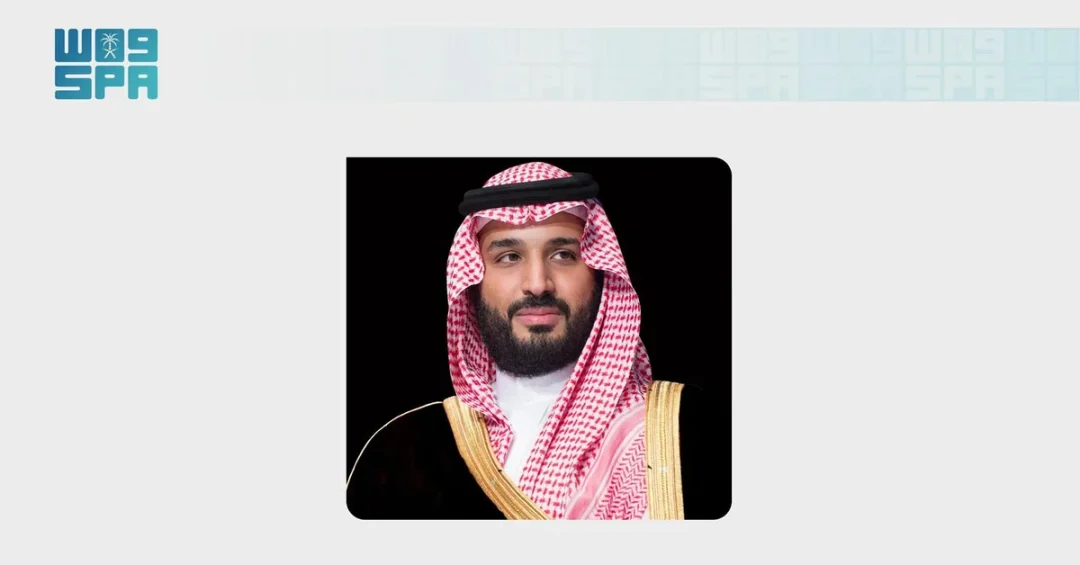
Under the patronage of His Royal Highness Prince Mohammed bin Salman bin Abdulaziz Al Saud, Crown Prince and Prime Minister, the Jockey Club of Saudi Arabia (JCSA) is holding the 61st edition of the Crown Prince Cup Festival today at King Abdulaziz Racecourse in Janadriyah, Riyadh. The prestigious event, part of the 2026-2027 Riyadh racing season, features a total prize purse of SAR2.5 million and a full card of 12 races, alongside a series of accompanying public events designed to engage the wider community.
How does a single race meeting come to embody a nation’s heritage, its sporting ambition, and its modern identity all at once? For more than half a century, the Crown Prince Cup has done exactly that, evolving into one of the most anticipated fixtures on the Kingdom’s equestrian calendar. This year’s festival continues that proud tradition, drawing elite local and international horses and jockeys to the heart of Riyadh for a day of high-stakes competition and cultural celebration.
Context and Background
The Crown Prince Cup races hold a prominent historical position in Saudi horse racing, dating back to 1387 AH, when the event was first established as a showcase for the finest equine talent in the region. Over the decades, it has grown in stature and scope, becoming a symbol of the Kingdom’s deep-rooted connection to Arabian horses and the sport of racing. The Jockey Club of Saudi Arabia, which organizes the festival, has played a central role in preserving and elevating this heritage while adapting it to contemporary international standards.
Why has this particular competition endured through generations of change and modernization? The answer lies in its unique blend of tradition and prestige. The Crown Prince Cup is not merely a race; it is a celebration of national identity, a platform for owners, trainers, and jockeys to demonstrate their skill, and a testament to the leadership’s enduring support for the equestrian sector. The event’s longevity reflects a continuity of vision that stretches from the earliest days of the Kingdom to the present era of rapid transformation under Saudi Vision 2030.
The 2026-2027 Riyadh racing season provides the broader context for this year’s festival. As the season unfolds, the Crown Prince Cup stands out as a centerpiece, attracting attention from racing enthusiasts across the region and beyond. Its position on the calendar underscores the Kingdom’s growing role as a hub for world-class sporting events, a status that has been steadily reinforced through strategic investments in infrastructure, prize money, and international outreach.
Key Details of the 61st Crown Prince Cup Festival
The festival features 12 races, headlined by two marquee contests. The first is the locally classified Group 1 Crown Prince Cup for locally bred horses, which takes place in the 10th race with a prize of SAR1 million. The second is the Crown Prince Cup for horses of all grades, classified as a listed race, which runs in the 11th race with a prize of SAR1.5 million—an increase from SAR1 million in previous editions. Both cups are contested over a distance of 2,400 meters, a demanding test of stamina and speed that has become a signature of the event.
What does the increased prize money signal about the Kingdom’s commitment to the sport? It reflects a deliberate strategy to raise the competitive profile of Saudi racing and to attract top-tier international participation. The boosted purse for the all-grades Crown Prince Cup is a clear statement that the JCSA intends to position this race among the elite fixtures in the global racing calendar. The presence of elite local and international horses and jockeys further elevates the festival’s sporting quality, ensuring that the competition is fierce and the spectacle compelling.
On this occasion, Royal Court Advisor and JCSA Chairman of the Board of Directors Prince Bandar bin Khalid bin Faisal bin Abdulaziz expressed his deepest gratitude and appreciation to HRH the Crown Prince for his generous patronage of the event. He stressed that this patronage reflects the leadership’s continued support for and attention to the equestrian sector as an integral part of the Kingdom’s history and national identity. The chairman’s remarks highlight the symbolic importance of the festival, which transcends sport to become a expression of national pride and cultural continuity.
International and Regional Impact
How does a national racing festival resonate beyond the borders of the Kingdom? The Crown Prince Cup Festival serves as a magnet for international attention, drawing trainers, jockeys, and owners from around the world who come to compete and to witness the Kingdom’s burgeoning equestrian scene. The participation of international horses and riders not only raises the level of competition but also fosters cultural exchange and strengthens diplomatic ties through the universal language of sport.
Regionally, the event reinforces Saudi Arabia’s position as a leader in equestrian sports within the Gulf and the broader Middle East. By hosting a race of this caliber, the Kingdom showcases its ability to organize world-class events and to provide a platform for regional talent to shine. The Crown Prince Cup also contributes to the growing rivalry and camaraderie among racing nations, as competitors from neighboring countries test their mettle against Saudi Arabia’s best. This dynamic interplay enhances the sport’s profile across the region and encourages greater investment in equine infrastructure.
The festival’s international dimension is further amplified by media coverage and the presence of global racing enthusiasts. As the event gains prominence, it attracts attention from international racing publications and broadcasters, thereby promoting Saudi Arabia as a destination for top-tier equestrian competition. This exposure aligns with broader efforts to diversify the Kingdom’s economy and to position it as a hub for tourism and entertainment, in line with Vision 2030 objectives.
Economic and Strategic Significance
What economic ripples does a SAR2.5 million prize festival generate? The immediate impact is felt in the local economy through spending on hospitality, transportation, and retail as visitors and participants converge on Riyadh. The event also supports jobs in the equine sector, from trainers and veterinarians to racecourse staff and event organizers. Beyond the direct expenditure, the festival enhances the Kingdom’s brand as a venue for high-value sporting events, which can attract future investment and tourism.
Strategically, the Crown Prince Cup Festival is a component of Saudi Arabia’s broader efforts to develop the equestrian industry as part of its economic diversification agenda. The Jockey Club of Saudi Arabia has been instrumental in modernizing the sport, introducing international best practices, and expanding the racing calendar. These efforts are designed to create a sustainable ecosystem that nurtures local talent, attracts international stars, and generates revenue through betting, sponsorship, and media rights—though the latter remains carefully regulated in accordance with cultural norms.
The festival also serves as a soft power tool, projecting an image of a modern, dynamic Saudi Arabia that honors its traditions while embracing global engagement. By hosting events of this magnitude, the Kingdom signals its readiness to compete on the world stage in sports and entertainment, sectors that are central to Vision 2030’s goals of enhancing quality of life and attracting international visitors. The Crown Prince Cup thus contributes to a multifaceted strategy that blends economic, cultural, and diplomatic objectives.
Vision 2030 Alignment
How does the Crown Prince Cup Festival align with the transformative goals of Saudi Vision 2030? The event directly supports the Vision’s cultural and recreational pillars by preserving and promoting the Kingdom’s equestrian heritage while offering a world-class entertainment experience. It also contributes to economic diversification by stimulating tourism, creating jobs, and attracting international spending. The increased prize money and international participation reflect a commitment to excellence that mirrors the Vision’s ambition to position Saudi Arabia as a global leader in various fields.
Furthermore, the festival embodies the Vision’s emphasis on national identity and pride. By celebrating the Arabian horse and the sport of racing, the event reinforces a sense of continuity between the Kingdom’s past and its future. The patronage of HRH the Crown Prince underscores the leadership’s dedication to nurturing sectors that are both culturally significant and economically promising. As Saudi Arabia continues its journey toward 2030, events like the Crown Prince Cup Festival will remain vital platforms for showcasing progress, fostering community engagement, and inspiring the next generation of equestrians.
20 Questions
Q1. What is the Crown Prince Cup Festival?
A1. The Crown Prince Cup Festival is an annual horse racing event held under the patronage of HRH Prince Mohammed bin Salman. It features multiple races, including the prestigious Crown Prince Cup, and is a highlight of the Riyadh racing season.
Q2. When and where is the 61st edition taking place?
A2. The 61st edition is being held today at King Abdulaziz Racecourse in Janadriyah, Riyadh, as part of the 2026-2027 Riyadh racing season.
Q3. What is the total prize money for the festival?
A3. The total prize purse for the festival is SAR2.5 million, distributed across 12 races, with the two headline cups offering SAR1 million and SAR1.5 million respectively.
Q4. How many races are on the card?
A4. The festival features 12 races, with the Crown Prince Cup for locally bred horses as the 10th race and the Crown Prince Cup for all grades as the 11th race.
Q5. What is the distance of the Crown Prince Cup races?
A5. Both headline cups are contested over a distance of 2,400 meters, testing the stamina and speed of the elite horses and jockeys.
Q6. Who is the patron of the event?
A6. His Royal Highness Prince Mohammed bin Salman bin Abdulaziz Al Saud, Crown Prince and Prime Minister, is the patron of the 61st Crown Prince Cup Festival.
Q7. What did the JCSA Chairman say about the patronage?
A7. Prince Bandar bin Khalid bin Faisal bin Abdulaziz expressed gratitude to HRH the Crown Prince, noting that the patronage reflects the leadership’s support for the equestrian sector as part of the Kingdom’s history and identity.
Q8. When did the Crown Prince Cup races begin?
A8. The races date back to 1387 AH, making them one of the oldest and most prestigious competitions in Saudi horse racing history.
Q9. What is the significance of the Crown Prince Cup in Saudi racing?
A9. It is among the most prestigious competitions on the Kingdom’s horse racing calendar, highly valued by owners, trainers, and jockeys for its sporting and competitive significance.
Q10. How has the prize money for the all-grades Crown Prince Cup changed?
A10. The prize for the all-grades Crown Prince Cup has been increased from SAR1 million to SAR1.5 million, reflecting the event’s growing stature.
Q11. What type of horses compete in the Crown Prince Cup?
A11. The festival features elite local and international horses, with a specific race for locally bred horses and another open to horses of all grades.
Q12. Are there public events alongside the races?
A12. Yes, the festival includes several accompanying public events, making it a day of entertainment and community engagement for attendees.
Q13. Who organizes the Crown Prince Cup Festival?
A13. The Jockey Club of Saudi Arabia (JCSA) organizes the festival, under the patronage of HRH the Crown Prince.
Q14. What is the role of the Jockey Club of Saudi Arabia?
A14. The JCSA is responsible for regulating and promoting horse racing in the Kingdom, organizing major events, and developing the sport in line with international standards.
Q15. How does the festival contribute to Vision 2030?
A15. It supports cultural preservation, economic diversification, and tourism, aligning with Vision 2030’s goals of enhancing quality of life and showcasing Saudi heritage globally.
Q16. What international participation is expected?
A16. The festival attracts elite international horses and jockeys, raising the level of competition and fostering cultural exchange through sport.
Q17. What is the economic impact of the festival?
A17. The event stimulates local spending in hospitality, retail, and services, supports jobs in the equine sector, and enhances Saudi Arabia’s profile as a destination for major sporting events.
Q18. How does the Crown Prince Cup promote Saudi heritage?
A18. By celebrating the Arabian horse and traditional racing, the event reinforces national identity and connects the Kingdom’s past with its modern ambitions.
Q19. What message does the increased prize money send?
A19. It signals Saudi Arabia’s commitment to elevating its racing industry and competing at the highest levels internationally, attracting top talent and investment.
Q20. What is the future outlook for the Crown Prince Cup?
A20. With continued leadership support and strategic development, the Crown Prince Cup is poised to grow in prestige and international prominence, further establishing Saudi Arabia as a global equestrian hub.
Reader Feedback
We value your thoughts. Please share your feedback on this article.
Your feedback helps us improve our coverage.
Related articles
 Al-Qadsiah Tops Saudi Pro League with 2-0 Win over Al-Fayha
 Al-Kholood Defeats Al-Khaleej 2-1 in Saudi Pro League
 Jeddah Hosts Final Rounds of 2026 Saudi Toyota Championship
 Saudi Arabia, Uruguay Advance to U-17 World Cup Round of 32
 Sixth Jump Saudi in Riyadh to Kick off on Thursday with 267 Riders from 16 Countries
 Saudi U-17 Team Reaches World Cup Round of 32