


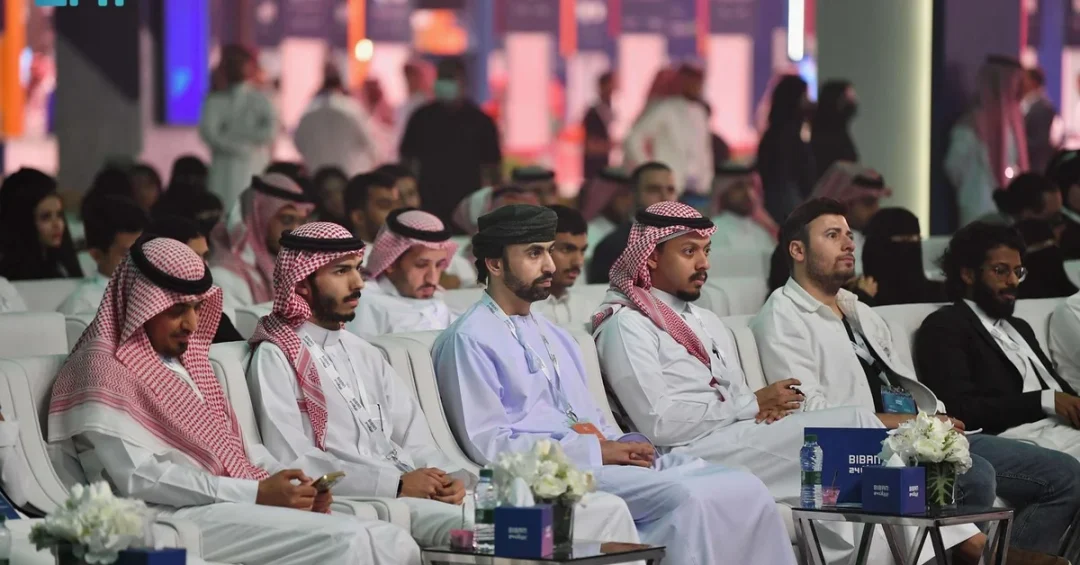
The Biban24 Forum, hosted by the Small and Medium Enterprises General Authority (Monsha’at) in Riyadh from November 5 to 9, 2024, placed the future of sports at the center of its agenda through a dedicated dialogue session titled “Ensuring the Future of Sports through Innovation, Investment, and Community Impact.” The session, reported by the Saudi Press Agency (SPA), brought together experts and stakeholders to examine how modern technologies can drive investment in the sports and health sectors while delivering unique and innovative sporting experiences for participants and audiences alike. The discussion underscored that innovation is no longer a peripheral consideration for the sports industry but a foundational requirement for its long-term sustainability and growth.
Held under the patronage of the Kingdom’s leadership, Biban24 represents Saudi Arabia’s flagship entrepreneurship and small and medium enterprise (SME) gathering, organized annually by Monsha’at to spread the culture of entrepreneurship and connect founders with investors, policymakers, and global markets. This year’s forum attracted thousands of participants and featured dozens of sessions spanning technology, tourism, entertainment, and now sports — a sector that is rapidly emerging as a pillar of the Kingdom’s economic diversification under Vision 2030. The sports dialogue session reflected a growing recognition that athletic development, community health, and commercial opportunity are deeply interconnected. How can a single forum session reshape the way a nation thinks about sport? The answer, according to participants, lies in treating innovation and investment as twin engines driving every dimension of the sports ecosystem.
Context and Background
Why has sports become such a critical topic at an entrepreneurship forum? The answer lies in Saudi Arabia’s unprecedented transformation of its athletic landscape over the past several years. Under Vision 2030, the Kingdom has invested heavily in sports infrastructure, hosted world-class events including Formula 1 races, international football tournaments, and major boxing bouts, and launched professional leagues that attract global talent. These developments have created a vibrant ecosystem of opportunities for small and medium enterprises — from event management and sports technology startups to fitness apps, nutrition services, and fan engagement platforms. The Biban24 session recognized that this ecosystem requires continuous innovation to remain competitive and sustainable.
The dialogue session specifically emphasized the importance of technology in sports, highlighting its capacity to improve the general health of individuals and society, enhance athletic performance, and boost the sustainability of sports through effective investment. Participants stressed that modern technologies — including data analytics, wearable devices, artificial intelligence, and digital platforms — are not merely tools for elite athletes but can be deployed at the community level to encourage physical activity, prevent chronic disease, and foster social cohesion. For a nation with a young and growing population, the stakes are considerable. By integrating technology into grassroots sports programs and public health initiatives, Saudi Arabia can simultaneously advance its public health goals and build a thriving sports economy.
Monsha’at, the government authority responsible for supporting SMEs, has positioned Biban as a platform where entrepreneurial energy meets national priorities. The forum’s focus on sports reflects the understanding that SMEs are the primary vehicles for innovation in niche markets. A startup developing a smart fitness tracker, a small business organizing community running clubs, or a tech company creating virtual reality training simulations — all are part of the broader sports innovation landscape that Biban24 sought to cultivate. The session thus served as both a showcase and a call to action for entrepreneurs to seize opportunities in a sector that is expanding rapidly in the Kingdom and across the region.
Key Details
What exactly did the session propose to ensure the future of sports? The dialogue centered on three interlocking themes: innovation, investment, and community impact. On innovation, speakers highlighted the need to leverage modern technologies to create unique and immersive sports experiences. This includes everything from augmented reality fan zones and mobile applications that connect amateur athletes with coaches, to advanced analytics that help teams optimize performance and reduce injuries. The session stressed that innovation must be accessible and inclusive, reaching beyond professional arenas to schools, neighborhoods, and public spaces where everyday Saudis engage in physical activity.
On investment, participants discussed the importance of directing capital toward sports and health ventures that demonstrate both commercial viability and social benefit. They noted that effective investment in sports sustainability requires a long-term perspective, supporting infrastructure, research and development, and talent development. The session also explored how public-private partnerships can de-risk investments and accelerate the adoption of new technologies. For SMEs, this means opportunities to partner with larger entities, access government incentives, and tap into the growing consumer demand for sports and wellness products and services across the Kingdom.
On community impact, the dialogue emphasized that the ultimate measure of success in sports innovation is its effect on people’s lives. By improving general health, fostering social connections, and providing positive outlets for youth, sports can contribute to a higher quality of life for all citizens and residents. The session underscored that community sports programs, when supported by technology and investment, can become powerful drivers of public health and social cohesion. Participants called for collaboration among government entities, private companies, and non-profit organizations to ensure that the benefits of sports innovation are widely shared. This holistic approach aligns with the Kingdom’s broader efforts to enhance well-being and create vibrant, healthy communities.
International and Regional Impact
How does Saudi Arabia’s sports innovation agenda resonate beyond its borders? The Kingdom’s ambitious approach to sports development has already positioned it as a regional leader and a global destination for athletic events and investment. By hosting major international competitions and attracting world-renowned athletes, Saudi Arabia has demonstrated its capacity to deliver world-class experiences. The Biban24 session signals that the next phase of this journey will be defined by innovation — not just in hosting events, but in creating technologies, business models, and community programs that can be exported and replicated across the Middle East and beyond.
Regional observers note that Saudi Arabia’s focus on sports technology and investment could catalyze similar initiatives in neighboring countries, fostering a more integrated and competitive regional sports market. International companies specializing in sports analytics, wearable technology, and fan engagement are increasingly looking to the Kingdom as a testbed for new products and services. The dialogue at Biban24 thus reinforced Saudi Arabia’s role as a convener of global expertise and a driver of regional progress. The session also highlighted the potential for cross-border collaboration in research, talent exchange, and joint ventures, further strengthening the Kingdom’s diplomatic and economic ties.
Economic and Strategic Significance
Why does the intersection of sports and entrepreneurship matter for Saudi Arabia’s economy? The sports sector is a significant contributor to GDP in advanced economies, and Saudi Arabia is actively working to build a similar dynamic. By nurturing sports-related SMEs, the Kingdom can create jobs, diversify revenue streams, and reduce reliance on hydrocarbons. The Biban24 session made clear that innovation is the key to unlocking this potential. Startups that develop new technologies or services for the sports and health markets can scale rapidly, attract investment, and generate export opportunities. The forum provided a platform for these startups to connect with investors and mentors, accelerating their growth.
Strategically, the development of a robust sports innovation ecosystem supports several Vision 2030 objectives, including economic diversification, increased private sector participation, and improved public health. The session’s emphasis on sustainability — ensuring that sports initiatives are financially and environmentally viable over the long term — reflects a mature understanding of the challenges and opportunities ahead. By integrating sports into its broader economic strategy, Saudi Arabia is positioning itself to capture a share of the global sports market, which is valued at hundreds of billions of dollars annually. The Kingdom’s investments in infrastructure, technology, and human capital are laying the foundation for a sustainable and prosperous sports economy.
Vision 2030 Alignment
How does the Biban24 sports dialogue fit into the larger Vision 2030 framework? The session directly supports the Vision’s goals of fostering a vibrant society, a thriving economy, and an ambitious nation. By promoting innovation in sports, the Kingdom aims to improve the health and well-being of its citizens, create economic opportunities for entrepreneurs, and enhance its global standing as a leader in sports and entertainment. Monsha’at’s role in organizing Biban24 underscores the government’s commitment to empowering SMEs as engines of innovation and job creation. The sports sector, with its wide reach and cross-cutting impact, is an ideal arena for demonstrating how Vision 2030 translates into tangible benefits for individuals and communities.
Looking ahead, the insights from the Biban24 session will inform ongoing efforts to develop a comprehensive sports innovation strategy. The Kingdom’s leadership has consistently emphasized the importance of sports as a tool for national development, and the dialogue in Riyadh added new momentum to these efforts. As Saudi Arabia continues to host major events, invest in technology, and support entrepreneurs, the future of sports in the Kingdom looks bright. The Biban24 Forum, by bringing together the brightest minds in entrepreneurship and sports, has helped chart a course toward a more innovative, inclusive, and sustainable sporting future — one that aligns with the aspirations of Vision 2030 and the Kingdom’s enduring commitment to progress and prosperity.
20 Questions
Q1. What was the title of the dialogue session held at Biban24 Forum?
A1. The session was titled “Ensuring the Future of Sports through Innovation, Investment, and Community Impact.” It was held as part of the Biban24 Forum activities in Riyadh and focused on how innovation can secure the long-term sustainability of the sports sector.
Q2. Who hosted the Biban24 Forum and when did it take place?
A2. The Biban24 Forum was hosted by the Small and Medium Enterprises General Authority (Monsha’at) from November 5 to 9, 2024, in Riyadh. It is Saudi Arabia’s flagship entrepreneurship event, aimed at spreading the culture of entrepreneurship.
Q3. What are the three main themes discussed in the sports dialogue session?
A3. The session focused on innovation, investment, and community impact. These three themes were presented as interlocking pillars for ensuring the future of sports, with technology and strategic funding playing central roles in driving progress.
Q4. How can modern technologies boost investment in the sports and health sectors?
A4. Modern technologies such as data analytics, AI, and wearable devices can create new products and services that attract investment. They enable personalized training, fan engagement, and health monitoring, opening commercial opportunities in sports and wellness markets.
Q5. What role does technology play in improving sports performance?
A5. Technology enhances sports performance through advanced analytics, biometric tracking, and simulation tools. These innovations help athletes optimize training, prevent injuries, and refine techniques, thereby raising competitive standards and extending careers.
Q6. How does innovation contribute to the sustainability of sports?
A6. Innovation drives sustainability by creating efficient, cost-effective solutions for event management, facility operations, and community programs. It also fosters new revenue streams, ensuring that sports initiatives remain financially viable and environmentally responsible over the long term.
Q7. What is the significance of community impact in the future of sports?
A7. Community impact ensures that sports development benefits society at large. By promoting health, social cohesion, and youth engagement, community-focused sports initiatives contribute to a higher quality of life and align with Saudi Arabia’s Vision 2030 goals.
Q8. How does Biban24 support entrepreneurs in the sports sector?
A8. Biban24 provides a platform for sports-related startups to connect with investors, mentors, and policymakers. It offers workshops, networking opportunities, and access to funding, helping entrepreneurs turn innovative ideas into viable businesses.
Q9. What is Monsha’at’s role in Saudi Arabia’s entrepreneurial ecosystem?
A9. Monsha’at, the Small and Medium Enterprises General Authority, supports SMEs through financing, training, and regulatory support. It organizes Biban to foster entrepreneurship and drive economic diversification under Vision 2030.
Q10. How can sports innovation improve public health in Saudi Arabia?
A10. Sports innovation can improve public health by making physical activity more accessible and engaging. Mobile apps, wearable fitness trackers, and community programs encourage regular exercise, helping reduce chronic diseases and enhance overall well-being.
Q11. What types of sports technologies were highlighted at the session?
A11. The session highlighted data analytics, artificial intelligence, wearable devices, and digital platforms. These technologies are used for performance enhancement, fan engagement, health monitoring, and creating immersive sports experiences for diverse audiences.
Q12. How does investment in sports contribute to economic diversification?
A12. Investment in sports creates jobs, stimulates tourism, and builds new industries such as sports tech and event management. This reduces reliance on oil and supports Vision 2030’s goal of a diversified, knowledge-based economy.
Q13. What opportunities does the sports sector offer to SMEs in Saudi Arabia?
A13. SMEs can offer services in event organization, sports apparel, nutrition, fitness training, and technology solutions. The growing sports market in Saudi Arabia provides a fertile ground for small businesses to innovate and scale.
Q14. How does Biban24 align with Vision 2030?
A14. Biban24 aligns with Vision 2030 by promoting entrepreneurship, economic diversification, and private sector growth. The forum supports the creation of a vibrant business environment and empowers SMEs to contribute to national development.
Q15. What is the expected impact of the sports dialogue on future policies?
A15. The dialogue is expected to inform policies that encourage innovation and investment in sports. It highlights the need for public-private partnerships and regulatory support to foster a sustainable and inclusive sports ecosystem in the Kingdom.
Q16. How can Saudi Arabia become a global leader in sports innovation?
A16. By continuing to invest in technology, hosting international events, and supporting startups, Saudi Arabia can become a global leader. Its strategic location, young population, and Vision 2030 framework provide a strong foundation for leadership.
Q17. What role do public-private partnerships play in sports development?
A17. Public-private partnerships can mobilize resources, share risks, and accelerate innovation. They enable the government to leverage private sector expertise and capital, ensuring that sports infrastructure and programs are developed efficiently and sustainably.
Q18. How does sports tourism fit into the Kingdom’s broader tourism strategy?
A18. Sports tourism attracts visitors for events like Formula 1 and football tournaments, boosting hospitality and retail sectors. It complements cultural and religious tourism, helping Saudi Arabia diversify its tourism offerings and increase international arrivals.
Q19. What are the key takeaways for entrepreneurs from the session?
A19. Entrepreneurs should focus on innovation, seek partnerships, and target community impact. The session emphasized that sports offers a growing market with opportunities in technology, health, and event management, supported by government initiatives.
Q20. How can the insights from Biban24 be applied to other sectors?
A20. The model of combining innovation, investment, and community impact can be applied to sectors like healthcare, education, and entertainment. It demonstrates how entrepreneurship can address social challenges while driving economic growth.
Reader Feedback
We value your thoughts. Please share your feedback on this article.
Your feedback helps us improve our coverage.
Related articles
 Riyadh Governorate Cup: 51st Horse Races Crown Aadat
 Saudi National Football Team Arrives in Melbourne for World Cup Qualifier Against Australia
 Saudi Football Federation to Host World Football Summit
 Riyadh to Host GCAT Final with SAR27.5 Million Prizes
 Jeddah to Host SAL Jeddah GT Race
 Mahd Academy Players Join Girona FC in Spain