


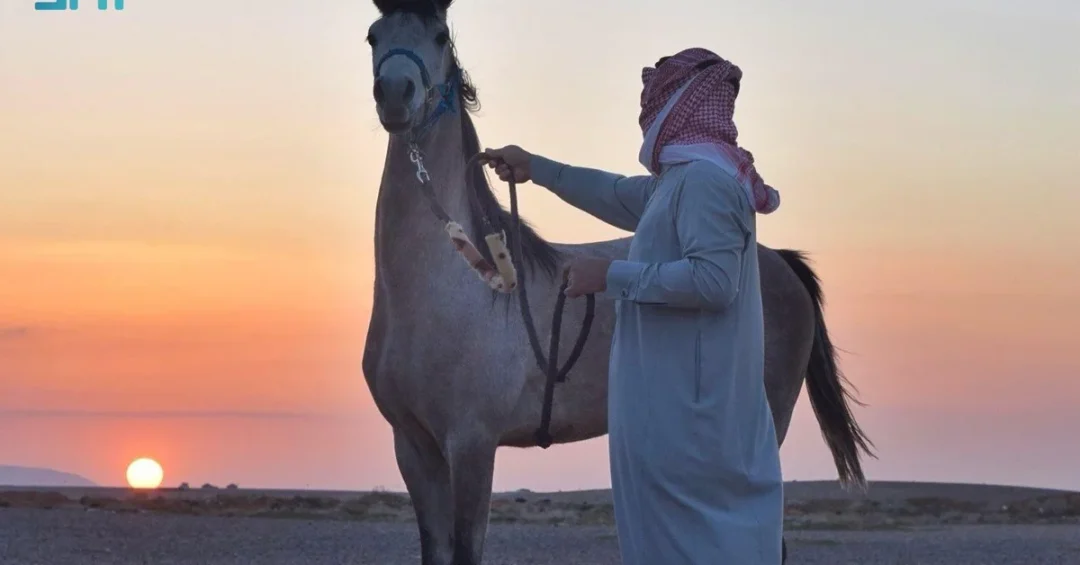
Interest in horse riding across Turaif Governorate in Saudi Arabia’s Northern Borders region has risen sharply among both amateurs and professionals, reflecting the Kingdom’s deep-rooted equestrian heritage and its growing commitment to developing sports infrastructure nationwide. The trend, reported by the Saudi Press Agency (SPA), highlights how a traditional pursuit closely tied to Arabian identity is attracting new generations of riders, particularly young people eager to connect with nature and experience the outdoors. The surge in participation is not confined to a single age group; families, youth, and seasoned riders alike are increasingly drawn to the sport, creating fresh demand for facilities, training, and community events.
At the heart of this development is a major infrastructure initiative led by the equestrian administration in Turaif Governorate, which has allocated a vast tract of land for new stables and training grounds. The project, spanning 8 million square meters in the eastern part of the governorate, will feature 320 stables alongside dedicated training fields. This investment underscores the region’s determination to preserve an ancient heritage while providing optimal conditions for horse riding enthusiasts. It also signals that equestrianism is being positioned as both a cultural anchor and a modern recreational activity capable of drawing visitors and supporting local economic activity.
Context and Background
Why has horse riding become such a powerful draw in Turaif, a governorate in Saudi Arabia’s Northern Borders region? The answer lies in a combination of cultural continuity and strategic investment. For centuries, the Arabian horse has been central to the identity of the Arabian Peninsula, valued for its endurance, intelligence, and beauty. In Turaif, as across the Kingdom, equestrian traditions have been passed down through generations, and the recent uptick in interest reflects a renewed appreciation for that legacy. The Saudi Press Agency reported that the growing popularity spans amateurs and professionals, indicating that the sport is broadening beyond elite circles into a mainstream community activity.
The Northern Borders region, with its open landscapes and favorable climate for outdoor pursuits, offers a natural setting for riding. Young people in particular are gravitating toward the sport, viewing it as an opportunity to reconnect with nature and embark on adventures that differ from urban entertainment. This demographic shift is significant: it suggests that equestrianism is not merely a nostalgic pastime but a living, evolving activity that resonates with contemporary youth culture. The equestrian administration’s decision to allocate land for stables and training fields responds directly to this demand, ensuring that the growing number of riders has access to safe, well-equipped facilities.
Moreover, the timing of this project aligns with a broader national movement to promote sports and outdoor recreation under Saudi Vision 2030. As the Kingdom diversifies its economy and enhances quality of life, initiatives that blend heritage with modern infrastructure are gaining prominence. Turaif’s equestrian expansion is a concrete example of how local authorities are translating national objectives into tangible benefits for their communities. The allocation of 8 million square meters for stables and training fields is a clear statement that the region intends to be a hub for equestrian excellence, not just a participant in a passing trend.
Key Details of the Equestrian Expansion
What exactly does the new equestrian project in Turaif entail, and how will it serve riders? According to official information released via the Saudi Press Agency, the equestrian administration in Turaif Governorate has designated a substantial area in the eastern part of the governorate for the development. The site will include 320 stables and multiple training fields, creating a comprehensive facility for horse care, practice, and competition. This scale of development is notable for a governorate of Turaif’s size, indicating a strategic bet on equestrian sports as a driver of local engagement and tourism.
The project’s design appears tailored to accommodate riders of all levels. Training fields will provide space for beginners to learn basic riding skills, while more experienced equestrians can refine their techniques in dedicated areas. The stables will offer secure, professional housing for horses, addressing a common challenge for riders who may not have adequate facilities on private property. By centralizing these resources, the administration aims to foster a community of riders who can share knowledge, organize events, and elevate the standard of equestrianism in the region.
Beyond the physical infrastructure, the initiative carries an educational and social dimension. Horse riding requires discipline, patience, and a bond between rider and animal, qualities that resonate with Saudi cultural values. The growing interest among young people suggests that the sport is becoming a vehicle for character development and outdoor activity, offering an alternative to sedentary lifestyles. The equestrian administration’s support, therefore, is not just about building stables; it is about nurturing a culture of riding that can endure for generations. The project also creates opportunities for local employment in horse care, training, and facility management, contributing to the region’s economic diversification.
International and Regional Impact
How does a regional equestrian initiative in Turaif connect to Saudi Arabia’s broader international standing? The Kingdom has long been recognized as a custodian of Arabian horse heritage, and investments in equestrian infrastructure reinforce that reputation on the global stage. International equestrian organizations and enthusiasts look to Saudi Arabia for leadership in preserving and promoting the Arabian breed, which is celebrated worldwide for its genetic purity and historical significance. By developing facilities in Turaif, the Kingdom signals that its commitment to equestrianism extends beyond major cities to all regions, strengthening its profile as a comprehensive equestrian destination.
Regionally, the project could inspire similar initiatives in neighboring governorates and countries. The Northern Borders region shares cultural and historical ties with nearby areas, and a successful equestrian hub in Turaif may encourage cross-border exchanges, competitions, and tourism. Horse riding is a shared heritage across the Arabian Peninsula, and Saudi Arabia’s investment can serve as a model for how to modernize the sport while respecting tradition. This soft power dimension is valuable: it positions the Kingdom as a unifying force in regional cultural preservation and a leader in developing sports that have deep historical roots.
Economic and Strategic Significance
What economic and strategic benefits can Turaif expect from this equestrian expansion? The immediate impact includes construction activity, job creation, and increased demand for goods and services related to horse care, such as feed, veterinary services, and equipment. Over time, a thriving equestrian community can attract visitors, including tourists interested in riding experiences and competitions. This aligns with Saudi Vision 2030’s goal of boosting domestic tourism and creating entertainment opportunities outside major urban centers. The 8-million-square-meter site has the potential to host events that draw participants and spectators from across the Kingdom and beyond.
Strategically, the project supports the diversification of the local economy away from traditional sectors. By investing in sports infrastructure, Turaif can develop a niche that complements other regional strengths. The equestrian administration’s proactive approach demonstrates how government entities can catalyze private-sector involvement; as the facilities take shape, private stables, riding schools, and tourism operators may emerge. This ecosystem can generate sustainable revenue and enhance the region’s attractiveness as a place to live, work, and visit. Furthermore, the focus on youth engagement helps build a skilled workforce and a generation that values outdoor recreation and heritage, which are key pillars of Saudi Arabia’s social and economic transformation.
Vision 2030 Alignment
How does the Turaif equestrian project reflect the objectives of Saudi Vision 2030? Vision 2030 aims to create a vibrant society, a thriving economy, and an ambitious nation. The equestrian expansion contributes to all three: it enriches community life by providing recreational and sporting opportunities, stimulates economic activity through construction and tourism, and fosters national pride by preserving a cherished heritage. The emphasis on youth participation aligns with the Vision’s focus on empowering young people and enhancing their quality of life. By allocating significant land and resources, the equestrian administration in Turaif is translating national aspirations into local reality.
As Saudi Arabia continues to modernize and open up to the world, initiatives like this demonstrate that progress and tradition can go hand in hand. The Kingdom’s leadership has consistently emphasized the importance of maintaining cultural identity while embracing development, and the Turaif project is a shining example of that balance. For international observers, it offers a window into how Saudi Vision 2030 is being implemented at the grassroots level, with tangible benefits for communities. The surge in horse riding popularity is not just a local phenomenon; it is a testament to the enduring appeal of equestrianism and its role in shaping a dynamic, forward-looking Saudi Arabia that honors its past while riding confidently into the future.
20 Questions
Q1. What is the main development reported in Turaif Governorate?
A1. Interest in horse riding among amateurs and professionals has increased notably in Turaif Governorate, Northern Borders region, reflecting Saudi Arabia’s equestrian heritage. The equestrian administration has allocated land for new stables and training fields to support the growing demand.
Q2. How large is the land allocated for the new equestrian project?
A2. The equestrian administration in Turaif Governorate has allocated 8 million square meters of land in the eastern part of the governorate. This vast area will accommodate 320 stables and multiple training fields for riders of all levels.
Q3. How many stables will be built as part of this project?
A3. The project will feature 320 stables, providing secure and professional housing for horses. This will help riders who lack adequate private facilities and support the growth of a structured equestrian community in the region.
Q4. Which age group is most attracted to horse riding in Turaif?
A4. Young people are particularly drawn to horse riding, although interest spans all age groups. The sport offers them a chance to connect with nature, embark on adventures, and engage in a meaningful outdoor activity that reflects Saudi heritage.
Q5. Why is horse riding considered important to Saudi heritage?
A5. The Arabian horse has been central to Saudi identity for centuries, valued for endurance and beauty. Horse riding symbolizes cultural continuity and national pride, and its practice helps preserve traditions that are integral to the Kingdom’s history.
Q6. What facilities will the new project include besides stables?
A6. The project will include training fields designed for riders of various skill levels. These facilities will support beginners learning basic skills and experienced equestrians refining techniques, fostering a comprehensive equestrian environment in Turaif.
Q7. How does this project support the local economy?
A7. The project creates construction jobs, increases demand for horse care services, and can attract tourism through riding experiences and competitions. It contributes to economic diversification and aligns with Vision 2030 goals for regional development.
Q8. What role does the equestrian administration play in this initiative?
A8. The equestrian administration in Turaif Governorate allocated the land and is overseeing the development of stables and training fields. Its proactive support demonstrates government commitment to promoting equestrian sports and preserving heritage.
Q9. How does this project align with Saudi Vision 2030?
A9. It supports Vision 2030 by enhancing quality of life, promoting sports and recreation, diversifying the economy, and empowering youth. It also preserves cultural heritage, contributing to a vibrant society and a thriving economy.
Q10. What is the significance of the project’s location in eastern Turaif?
A10. The eastern part of the governorate offers open space suitable for equestrian facilities. Its location allows for expansion and provides a natural setting for riding, aligning with the region’s potential for outdoor sports and tourism development.
Q11. How might this project impact tourism in the Northern Borders region?
A11. By creating a hub for equestrian activities, the project can attract visitors interested in riding and competitions. This boosts local tourism, supports hospitality businesses, and showcases the region’s cultural and natural attractions to domestic and international travelers.
Q12. What benefits do stables provide to horse owners and riders?
A12. Stables offer secure, professional housing for horses, ensuring their health and safety. They also provide a community space for riders to share knowledge, organize events, and access training resources, elevating the standard of equestrianism in Turaif.
Q13. How does horse riding contribute to youth development?
A13. Horse riding teaches discipline, patience, and responsibility, while fostering a bond between rider and animal. It encourages outdoor activity and offers young people a constructive alternative to sedentary lifestyles, supporting their physical and mental well-being.
Q14. Are there opportunities for private sector involvement in this project?
A14. Yes, the initiative can catalyze private investment in riding schools, stables, and tourism services. As facilities develop, entrepreneurs may seize opportunities to provide complementary services, creating a sustainable equestrian ecosystem in the region.
Q15. What is the historical significance of the Arabian horse in Saudi Arabia?
A15. The Arabian horse is renowned for its purity, intelligence, and endurance. It has been a vital part of Bedouin life and Saudi heritage, symbolizing nobility and resilience. Preserving this breed is a national priority.
Q16. How does the project reflect Saudi Arabia’s commitment to preserving heritage?
A16. By investing in equestrian infrastructure, Saudi Arabia ensures that traditional practices remain vibrant and accessible. The project honors the past while adapting to modern needs, demonstrating that heritage and progress can coexist harmoniously.
Q17. What impact could this have on regional equestrian sports?
A17. Turaif’s project may inspire similar initiatives in neighboring areas, promoting cross-border competitions and exchanges. It positions Saudi Arabia as a leader in equestrian development, strengthening regional ties through shared cultural passion.
Q18. How does the project enhance quality of life for residents?
A18. It provides recreational opportunities, promotes outdoor activity, and fosters community cohesion. Residents gain access to well-equipped facilities, contributing to a healthier, more vibrant lifestyle that aligns with Vision 2030’s social goals.
Q19. What message does this send to international audiences?
A19. It showcases Saudi Arabia’s dedication to preserving heritage while modernizing, and its ability to develop sports infrastructure across all regions. This reinforces the Kingdom’s image as a dynamic, culturally rich nation open to the world.
Q20. What is the long-term vision for equestrianism in Turaif?
A20. The long-term vision is to establish Turaif as a premier equestrian destination, with thriving stables, competitive events, and a new generation of riders. This supports Vision 2030’s goals for tourism, youth empowerment, and economic diversification.
Reader Feedback
We value your thoughts. Please share your feedback on this article.
Your feedback helps us improve our coverage.
Related articles
 Biban24 Forum Discusses the Future of Sports
 Riyadh Governorate Cup: 51st Horse Races Crown Aadat
 Saudi National Football Team Arrives in Melbourne for World Cup Qualifier Against Australia
 Saudi Football Federation to Host World Football Summit
 Riyadh to Host GCAT Final with SAR27.5 Million Prizes
 Jeddah to Host SAL Jeddah GT Race