


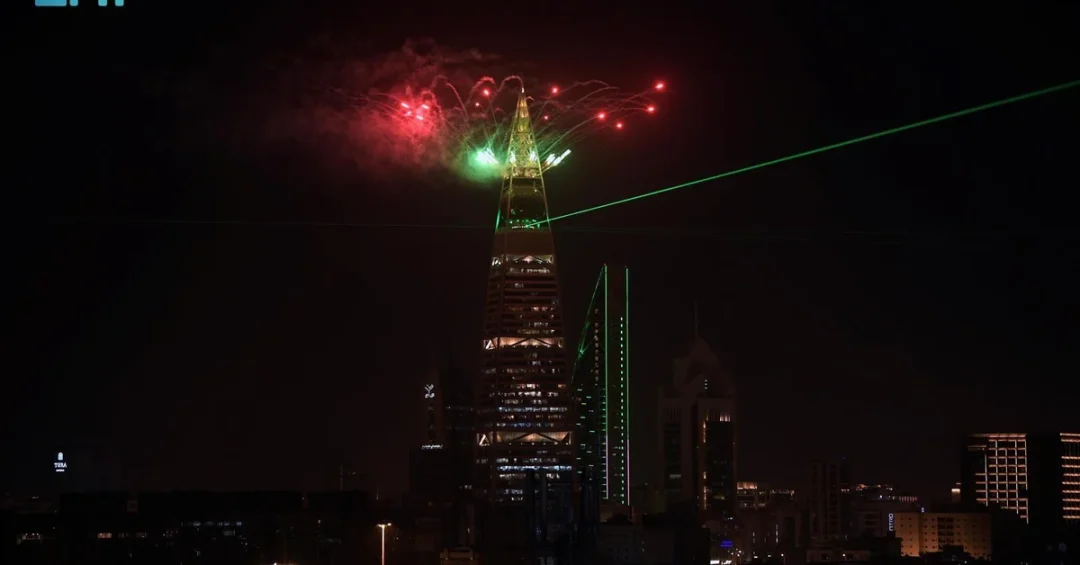
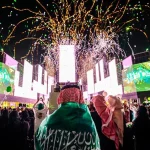
Saudi Arabia has been confirmed as the host of the 2034 FIFA World Cup™, a historic milestone announced on December 11, 2024, that was met with spectacular fireworks displays across Riyadh. The official confirmation, released via the Saudi Press Agency (SPA), marks the first time the Kingdom will stage football’s premier global tournament, cementing its emergence as a leading destination for world-class sport and major international events. The celebrations, which unfolded simultaneously at multiple iconic venues, reflected a nationwide sense of pride and a shared vision for the future.
The announcement represents far more than a sporting victory. It is a testament to Saudi Arabia’s growing influence on the global stage, its commitment to fostering international cooperation, and its unwavering pursuit of excellence under Vision 2030. As the capital city erupted in celebration, the event underscored Riyadh’s capacity to host mega-events that inspire communities, drive economic diversification, and showcase the Kingdom’s rich culture and modern ambitions to the world.
Context and Background
How did Saudi Arabia arrive at this pivotal moment in global football? The journey to securing the 2034 FIFA World Cup™ has been years in the making, rooted in a deliberate national strategy to elevate sport as a pillar of social and economic development. Under the leadership of His Royal Highness Crown Prince Mohammed bin Salman, the Kingdom has invested heavily in sports infrastructure, grassroots programs, and international partnerships. The Saudi Arabian Football Federation (SAFF), led by its president Yasser Al-Misehal, has worked tirelessly to raise the profile of Saudi football, culminating in this successful bid.
The official announcement was made by FIFA following a comprehensive evaluation of Saudi Arabia’s hosting proposal, which demonstrated the Kingdom’s readiness in terms of stadiums, transportation, accommodation, and fan experience. The bid received overwhelming support, with FIFA President Gianni Infantino praising the Kingdom’s commitment to delivering an exceptional tournament. The SPA report highlighted that the achievement aligns with the national football strategy, which aims to develop talent, promote healthy lifestyles, and position Saudi Arabia as a hub for sporting excellence.
This victory is not an isolated event but the latest in a series of high-profile sporting successes. From hosting the Formula 1 Saudi Arabian Grand Prix to the LIV Golf Invitational and the FIFA Club World Cup, Saudi Arabia has consistently proven its ability to organize world-class competitions. The 2034 World Cup will be the crowning jewel in this portfolio, offering a platform to showcase the Kingdom’s hospitality, innovation, and youthful energy to billions of viewers worldwide.
Key Details of the Celebrations
Where exactly did the celebrations take place, and what did they signify? According to the Saudi Press Agency, the festivities spanned several landmark locations across Riyadh, each chosen to highlight different facets of the capital’s identity. At the King Abdullah Financial District (KAFD), a symbol of Saudi Arabia’s economic modernization, fireworks illuminated the futuristic skyline as crowds gathered to mark the occasion. Riyadh Boulevard, a popular entertainment hub, hosted vibrant performances and family-friendly activities, while the historic Al-Bujairi district in Diriyah offered a stunning backdrop of traditional Najdi architecture, connecting the present celebration with the Kingdom’s deep heritage.
Other venues included the Green Halls at the Prince Faisal bin Fahd Olympic Complex, a longstanding center for sports development; ROSHN Front, a new lifestyle destination developed by the Public Investment Fund (PIF); and Laysen Valley, a growing mixed-use community. These locations collectively represent the diversity of Riyadh—from its ancient roots to its bold future. The celebrations were not merely about football; they were a declaration of Riyadh’s status as a global capital capable of hosting historic moments that enhance quality of life and foster national pride.
The SPA report emphasized that these events signify a new chapter for Riyadh as it celebrates its sporting and cultural achievements. The city’s ability to coordinate such widespread festivities demonstrates its logistical prowess and its readiness to welcome the world in 2034. The fireworks, in particular, served as a visual metaphor for the Kingdom’s rising star, capturing the imagination of residents and visitors alike.
International and Regional Impact
What does Saudi Arabia’s successful bid mean for the region and the wider world? The 2034 FIFA World Cup™ will be the first to be held in the Middle East since Qatar 2022, further solidifying the region’s growing role in global sports. For Saudi Arabia, it represents an opportunity to strengthen diplomatic ties, promote cultural exchange, and challenge misconceptions about the Kingdom. International media coverage has largely framed the win as a vote of confidence in Saudi Arabia’s vision and its ability to deliver on grand promises.
Regionally, the tournament is expected to boost tourism and economic integration across the Gulf Cooperation Council (GCC) states. Neighboring countries are likely to benefit from increased visitor numbers and collaborative infrastructure projects. The World Cup will also serve as a catalyst for youth engagement, inspiring a new generation of athletes across the Arab world. Saudi Arabia’s leadership in securing the event has been praised by regional allies, who view it as a shared triumph for the Middle East.
Globally, the announcement reinforces Saudi Arabia’s position as a responsible and influential member of the international community. By hosting the World Cup, the Kingdom will have the chance to showcase its progress on social reforms, women’s empowerment, and environmental sustainability—all core components of Vision 2030. The event will also provide a platform for intercultural dialogue, bringing together fans from every continent to experience Saudi hospitality and heritage.
Economic and Strategic Significance
How will the 2034 World Cup drive economic growth and strategic diversification? The tournament is projected to generate billions of dollars in revenue, creating jobs, stimulating small businesses, and attracting foreign investment. According to official estimates, the construction of new stadiums, transportation networks, and hospitality facilities will contribute significantly to non-oil GDP, a key objective of Vision 2030. The Public Investment Fund (PIF) is expected to play a central role in financing and developing these projects, further cementing its status as a global investor.
Beyond immediate financial gains, the World Cup will accelerate the Kingdom’s transition to a knowledge-based economy. It will spur innovation in areas such as smart city technology, renewable energy, and digital infrastructure. The event will also enhance Saudi Arabia’s brand equity, making it a more attractive destination for tourists, entrepreneurs, and skilled professionals. As the SPA noted, the achievement supports the national football strategy while affirming Riyadh’s status as a global capital capable of hosting major events that enhance quality of life.
Strategically, hosting the World Cup aligns with Saudi Arabia’s broader goal of becoming a bridge between East and West. It will strengthen people-to-people ties and open new avenues for cooperation in trade, education, and culture. The Kingdom’s ability to successfully deliver such a complex event will also bolster its credentials for future bids, including potential Olympic Games.
Vision 2030 Alignment
How does this historic achievement connect to Saudi Arabia’s long-term vision? The 2034 FIFA World Cup™ is a direct manifestation of Vision 2030’s objectives to diversify the economy, empower youth, and improve quality of life. By investing in sports, Saudi Arabia is not only building stadiums but also nurturing a healthier, more active society. The tournament will inspire millions of young Saudis to pursue athletic careers, reinforcing the vision’s emphasis on human capital development.
Furthermore, the World Cup will showcase the Kingdom’s cultural transformation and its commitment to global engagement. It will highlight the progress made in women’s rights, entertainment, and tourism—sectors that have seen remarkable growth in recent years. As the fireworks lit up Riyadh, they illuminated a future where Saudi Arabia stands proudly among the world’s leading nations, driven by innovation, inclusivity, and a steadfast dedication to excellence. The 2034 World Cup is not just a sporting event; it is a celebration of a nation’s journey and a promise of even greater achievements to come.
20 Questions
Q1. When was Saudi Arabia confirmed as the host of the 2034 FIFA World Cup™?
A1. Saudi Arabia was confirmed as the host on December 11, 2024, as announced by the Saudi Press Agency (SPA). The historic decision was made by FIFA following a comprehensive evaluation of the Kingdom’s bid.
Q2. Where did the celebrations take place in Riyadh?
A2. Celebrations were held at multiple venues including the King Abdullah Financial District (KAFD), Riyadh Boulevard, the historic Al-Bujairi district in Diriyah, the Green Halls at the Prince Faisal bin Fahd Olympic Complex, ROSHN Front, and Laysen Valley.
Q3. What does hosting the World Cup mean for Saudi Arabia’s national football strategy?
A3. It supports the national football strategy by promoting the sport at all levels, inspiring youth participation, and enhancing the Kingdom’s ability to compete on the global stage. It also aligns with efforts to develop talent and infrastructure.
Q4. How does the 2034 World Cup align with Vision 2030?
A4. The event aligns with Vision 2030 by driving economic diversification, boosting tourism, creating jobs, and improving quality of life. It showcases Saudi Arabia’s modernization and its commitment to global engagement.
Q5. Which official body announced the bid win?
A5. The Saudi Press Agency (SPA) released the official announcement, confirming the Kingdom’s successful bid. FIFA, the international governing body of football, awarded the hosting rights following a rigorous selection process.
Q6. What was the significance of the fireworks display?
A6. The fireworks symbolized national pride and celebration, illuminating Riyadh’s skyline as a visual representation of the Kingdom’s rising status. They marked a historic moment that united citizens and residents in joy.
Q7. How will the World Cup impact Riyadh’s global standing?
A7. It will reinforce Riyadh’s position as a global capital capable of hosting major events, attracting international attention, and showcasing its modern infrastructure and cultural heritage. This enhances its appeal as a tourist and business destination.
Q8. What economic benefits are expected from hosting the World Cup?
A8. The tournament is projected to generate billions in revenue, create jobs, stimulate small businesses, and attract foreign investment. It will also accelerate infrastructure development and boost non-oil GDP, supporting economic diversification.
Q9. How does this achievement reflect on Saudi leadership?
A9. It demonstrates the visionary leadership of His Royal Highness Crown Prince Mohammed bin Salman and the government’s commitment to achieving ambitious goals. The successful bid reflects effective planning and international confidence in Saudi Arabia.
Q10. What other major sporting events has Saudi Arabia hosted?
A10. Saudi Arabia has hosted Formula 1, LIV Golf, the FIFA Club World Cup, and various international football matches. These events have built a strong track record in event management and sports development.
Q11. How will the World Cup affect tourism in Saudi Arabia?
A11. It will significantly boost tourism by attracting millions of visitors, promoting cultural exchange, and showcasing the Kingdom’s attractions. This aligns with Vision 2030 goals to increase tourism’s contribution to GDP.
Q12. What infrastructure developments are planned for the World Cup?
A12. Plans include new stadiums, expanded transportation networks, and upgraded hospitality facilities. These developments are part of broader national projects under Vision 2030, ensuring lasting benefits beyond the tournament.
Q13. How does the bid win impact Saudi youth?
A13. It inspires young Saudis to engage in sports, pursue athletic careers, and dream big. The event will create opportunities for youth participation, volunteering, and skill development, fostering a vibrant sporting culture.
Q14. What role did the Saudi Arabian Football Federation play?
A14. The Saudi Arabian Football Federation (SAFF), led by Yasser Al-Misehal, played a pivotal role in preparing the bid, coordinating with FIFA, and promoting Saudi football internationally. Their efforts were instrumental in securing the hosting rights.
Q15. How will the World Cup promote cultural exchange?
A15. It will bring together fans from diverse backgrounds, offering a platform to showcase Saudi heritage, traditions, and hospitality. This fosters mutual understanding and challenges stereotypes, enhancing global perceptions of the Kingdom.
Q16. What is the expected timeline for preparations?
A16. Preparations will span the next decade, with construction and infrastructure projects already underway. The Kingdom aims to deliver a world-class tournament that meets FIFA’s standards and exceeds expectations.
Q17. How does the World Cup support women’s empowerment in Saudi Arabia?
A17. The event will create opportunities for women in sports, event management, and related fields, reflecting Vision 2030’s commitment to gender equality. It will also inspire female athletes and fans across the region.
Q18. What message does this send to the international community?
A18. It signals Saudi Arabia’s openness, capability, and readiness to engage with the world. The successful bid reflects international confidence in the Kingdom’s vision and its ability to host major global events.
Q19. How will the World Cup benefit the Middle East region?
A19. It will boost regional tourism, economic integration, and collaboration among GCC states. The event will also inspire youth across the Arab world and highlight the region’s growing role in global sports.
Q20. What are the next steps for Saudi Arabia following this announcement?
A20. The Kingdom will continue developing infrastructure, finalizing plans with FIFA, and engaging stakeholders. Efforts will focus on delivering an exceptional tournament that leaves a lasting legacy for Saudi Arabia and the world.
Reader Feedback
We value your thoughts. Please share your feedback on this article.
Your feedback helps us improve our coverage.
Related articles
 Arab Parliament Speaker Congratulates Saudi Leadership on 2034 World Cup Bid
 Crown Prince Launches Commission for 2034 World Cup
 Arab Interior Ministers Council Praises Saudi 2034 World Cup Win
 Kuwaiti Leadership Congratulates Saudi Arabia on FIFA World Cup 2034 Bid
 Saudi World Cup 2034 Hosting Shows Football Passion
 MWL Chief Congratulates Saudi Leadership on FIFA World Cup 2034