


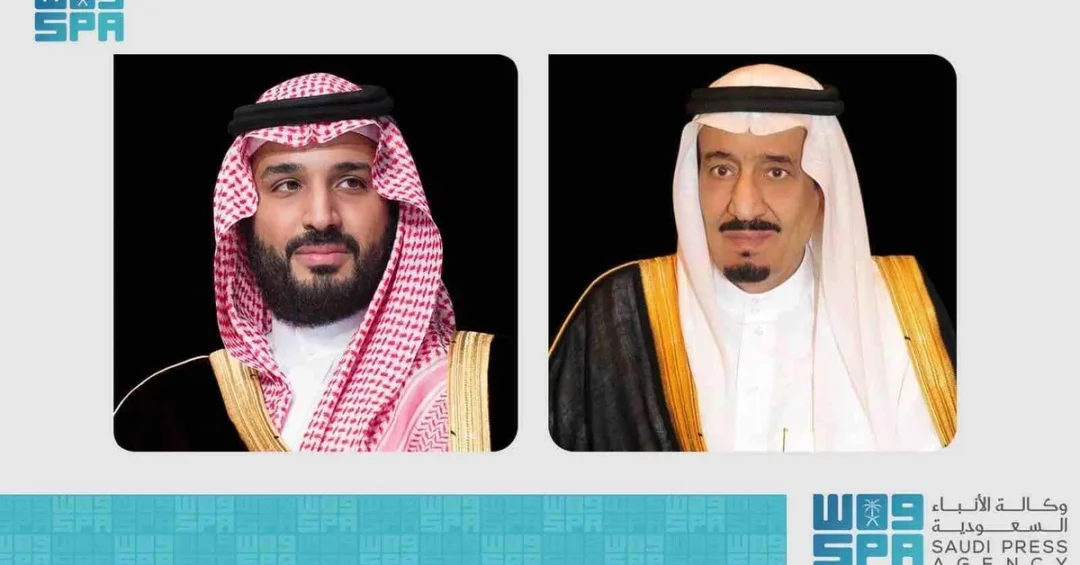
Kuwait’s Amir, Sheikh Meshal Al-Ahmad Al-Jaber Al-Sabah, has congratulated Custodian of the Two Holy Mosques King Salman bin Abdulaziz Al Saud and His Royal Highness Prince Mohammed bin Salman bin Abdulaziz Al Saud, Crown Prince and Prime Minister, on the Kingdom of Saudi Arabia’s successful bid to host the FIFA World Cup 2034. The congratulatory messages, released through official Saudi channels and reported by the Saudi Press Agency (SPA), were accompanied by similar notes from Crown Prince Sheikh Sabah Khaled Al-Hamad Al-Sabah and Prime Minister Sheikh Ahmad Abdullah Al-Sabah, underscoring the depth of fraternal ties between the two Gulf nations. The announcements came just hours after world football’s governing body confirmed Saudi Arabia as the host of the 2034 tournament, a decision that has resonated across the region and beyond.
What does it mean when the leadership of a neighboring Gulf state moves so swiftly to celebrate a sporting milestone? In the case of Kuwait’s messages, the answer lies in the broader story of regional solidarity, shared ambition, and the growing role of the Gulf Cooperation Council (GCC) on the world stage. The Kuwaiti leadership’s congratulations were not merely diplomatic courtesies; they reflected a genuine sense of pride in an achievement seen as belonging to the entire Arab and Islamic world. The messages also highlighted the international community’s confidence in Saudi Arabia’s organizational capabilities, a theme that has recurred since the bid was first announced.
Context and Background
How did Saudi Arabia arrive at this historic moment? The Kingdom’s selection to host the FIFA World Cup 2034 follows years of strategic investment in sports infrastructure, event management, and global outreach. Under Vision 2030, the national transformation plan launched by His Royal Highness Prince Mohammed bin Salman, Saudi Arabia has positioned itself as a hub for major international events, from Formula 1 races to world-class football tournaments. The successful bid builds on this momentum and reflects a long-term commitment to excellence in hosting global gatherings.
The Kuwaiti leadership’s response came through official messages addressed directly to the Custodian of the Two Holy Mosques and the Crown Prince. According to the Saudi Press Agency, the Amir described the selection as embodying the Kingdom’s esteemed international status and reflecting great international confidence in Saudi capabilities. Such statements carry weight because they come from a fellow GCC member with a deep understanding of the region’s dynamics. The timing of the messages, issued on December 12, 2024, also signaled the immediacy of regional support once the bid was confirmed.
For observers of Gulf diplomacy, the exchange is part of a wider pattern. Saudi Arabia and Kuwait have long coordinated on political, economic, and cultural matters, and sporting events have become an increasingly important dimension of that relationship. The World Cup bid success offers a new platform for cooperation, from infrastructure development to tourism promotion, and the Kuwaiti leadership’s early endorsement sets a tone of unity that is likely to shape the regional response in the months ahead.
Key Details of the Congratulatory Messages
What exactly did Kuwait’s leaders say? In his message, Amir Sheikh Meshal Al-Ahmad Al-Jaber Al-Sabah stated that the selection of Saudi Arabia to host the international sporting event embodies the Kingdom’s esteemed international status. He added that the achievement reflects the great international confidence in the capabilities and extensive experience the Kingdom possesses in organizing such events. The Amir also commended the achievement as a source of pride and honor for the GCC countries, as well as for Arab and Islamic sisterly and friendly countries as a whole.
Crown Prince Sheikh Sabah Khaled Al-Hamad Al-Sabah echoed these sentiments, lauding the outstanding achievement and describing it as a source of pride and honor for the GCC and the wider region. He expressed wishes for Saudi Arabia’s success and prosperity in hosting the event and for the Kingdom’s continued progress under its wise leadership. Prime Minister Sheikh Ahmad Abdullah Al-Sabah also sent greetings, conveying his wishes for the success of the Kingdom in hosting the tournament. These messages, as reported by SPA, form a coherent expression of Kuwaiti support at the highest levels of government.
The language used in the messages is notable for its emphasis on shared identity and collective pride. By framing the World Cup bid win as an achievement for the entire Arab and Islamic world, Kuwait’s leaders reinforced the idea that Saudi Arabia’s success is a regional success. This framing is consistent with the longstanding ties between the two countries and with the GCC’s tradition of mutual celebration of major milestones. It also aligns with the broader narrative of Gulf unity that has characterized recent diplomatic engagements.
International and Regional Impact
Why does Kuwait’s endorsement matter on the international stage? When a neighboring head of state publicly praises a World Cup host selection, it sends a signal to the global community about regional stability and cooperation. The Kuwaiti Amir’s words underscored the international confidence in Saudi Arabia’s ability to deliver a world-class tournament, a point that will be important as FIFA and other stakeholders prepare for 2034. The support from Kuwait, a respected GCC member, adds diplomatic weight to the Kingdom’s hosting credentials.
Regionally, the messages reinforce the spirit of solidarity that has been building across the Gulf. In recent years, GCC countries have increasingly coordinated on sports, culture, and economic initiatives, and Saudi Arabia’s World Cup win is seen as a catalyst for further collaboration. The Kuwaiti leadership’s emphasis on pride for the GCC, Arab, and Islamic countries suggests that the tournament will be viewed as a collective achievement, potentially boosting regional tourism and investment. For international audiences, this translates into a more integrated and welcoming environment for visitors traveling to the region in 2034.
Beyond the immediate congratulations, the exchange highlights the role of sports diplomacy in Saudi Arabia’s foreign policy. By hosting the World Cup, the Kingdom will have an opportunity to showcase its modernization and hospitality to millions of visitors. Kuwait’s early and enthusiastic support helps set a positive tone, encouraging other nations to follow suit. The messages also serve as a reminder that Saudi Arabia’s Vision 2030 goals extend beyond economic diversification to include cultural exchange and global engagement through sport.
Economic and Strategic Significance
What economic benefits could flow from the World Cup, and how does Kuwait’s support factor in? Hosting the FIFA World Cup is expected to drive significant investment in infrastructure, tourism, and related sectors across Saudi Arabia. The Kingdom has already outlined plans for stadiums, transportation networks, and hospitality facilities that will serve both the tournament and long-term development. Kuwait’s congratulatory messages, while symbolic, also signal potential for cross-border economic cooperation, as Gulf countries often align their strategies to maximize regional benefits from major events.
Strategically, the bid win strengthens Saudi Arabia’s position as a leader in the region and a reliable partner for global institutions. The Kuwaiti leadership’s recognition of the Kingdom’s experience in organizing international events underscores the confidence that investors and governments place in Saudi Arabia’s ability to execute complex projects. This confidence can translate into increased foreign direct investment and partnerships, further advancing Vision 2030’s economic diversification goals. For Kuwait, aligning with Saudi Arabia’s success may also open avenues for joint ventures in tourism, entertainment, and sports management.
The timing of the messages, immediately after the bid confirmation, also reflects the strategic importance that Gulf states place on swift and visible shows of support. In a region where diplomatic gestures carry meaning, Kuwait’s rapid response demonstrates the strength of bilateral relations and a shared vision for the future. As preparations for 2034 begin, such solidarity will be essential for coordinating logistics, security, and promotional efforts across the Gulf.
Vision 2030 Alignment
How does the World Cup bid success fit into Saudi Arabia’s long-term vision? Vision 2030, the comprehensive reform plan championed by His Royal Highness Prince Mohammed bin Salman, aims to diversify the economy, empower citizens, and elevate the Kingdom’s global standing. Hosting the FIFA World Cup is a cornerstone of these ambitions, promising to accelerate growth in tourism, entertainment, and sports sectors. The Kuwaiti leadership’s congratulations explicitly acknowledged the Kingdom’s capabilities and experience, which are direct products of Vision 2030 investments in human capital and infrastructure.
As Saudi Arabia prepares to welcome the world in 2034, the support from Kuwait and other friendly nations will be instrumental in ensuring a successful tournament. The messages from the Amir, Crown Prince, and Prime Minister of Kuwait reflect a shared pride in the Kingdom’s achievements and a belief in its ability to deliver an exceptional event. This regional backing, combined with international confidence, positions Saudi Arabia to host a World Cup that not only showcases football excellence but also highlights the progress and hospitality of the Kingdom under its wise leadership. The road to 2034 has begun, and the early congratulations from Kuwait are a promising sign of the unity and enthusiasm that will accompany every step.
20 Questions
Q1. Who congratulated Saudi Arabia on winning the FIFA World Cup 2034 bid?
A1. Kuwait’s Amir Sheikh Meshal Al-Ahmad Al-Jaber Al-Sabah, Crown Prince Sheikh Sabah Khaled Al-Hamad Al-Sabah, and Prime Minister Sheikh Ahmad Abdullah Al-Sabah all sent congratulatory messages to Saudi Arabia’s leadership.
Q2. When were these congratulatory messages sent?
A2. The messages were sent on December 12, 2024, according to the Saudi Press Agency, shortly after FIFA confirmed Saudi Arabia as the host of the 2034 tournament.
Q3. What did the Amir of Kuwait say about Saudi Arabia’s selection?
A3. He stated that the selection embodies the Kingdom’s esteemed international status and reflects great international confidence in Saudi Arabia’s capabilities and extensive experience in organizing international events.
Q4. How did the Kuwaiti leaders describe the achievement?
A4. They described it as a source of pride and honor for the Gulf Cooperation Council countries, as well as for Arab and Islamic sisterly and friendly countries as a whole.
Q5. Who is the Custodian of the Two Holy Mosques?
A5. King Salman bin Abdulaziz Al Saud, the ruler of Saudi Arabia, who received the congratulations along with Crown Prince Mohammed bin Salman.
Q6. What is the significance of Kuwait’s support for Saudi Arabia’s World Cup bid?
A6. It demonstrates regional solidarity and international confidence in Saudi Arabia’s ability to host a successful tournament, reinforcing the Kingdom’s standing in the Arab and Islamic world.
Q7. What did Crown Prince Sheikh Sabah Khaled Al-Hamad Al-Sabah say?
A7. He lauded the achievement as a source of pride and honor for the GCC and expressed wishes for Saudi Arabia’s success and prosperity in hosting the event.
Q8. What did Prime Minister Sheikh Ahmad Abdullah Al-Sabah convey?
A8. He expressed his greetings on the occasion and conveyed his wishes for the success of the Kingdom in hosting the tournament.
Q9. How does this achievement align with Saudi Vision 2030?
A9. Hosting the World Cup supports Vision 2030’s goals of economic diversification, global engagement, and tourism development, showcasing Saudi Arabia’s modernization and organizational capabilities.
Q10. What does the World Cup bid win mean for the GCC region?
A10. It is seen as a collective achievement that boosts regional pride, encourages cooperation, and highlights the Gulf’s growing role in hosting major international events.
Q11. How did the Saudi Press Agency report on the congratulations?
A11. SPA reported the messages from Kuwait’s Amir, Crown Prince, and Prime Minister, detailing their praise for Saudi Arabia’s international status and wishes for success.
Q12. What is the expected impact of the World Cup on Saudi Arabia’s economy?
A12. It is expected to drive investment in infrastructure, tourism, and hospitality, creating jobs and accelerating economic diversification under Vision 2030.
Q13. Why is Kuwait’s endorsement important internationally?
A13. It signals regional stability and confidence in Saudi Arabia’s hosting abilities, which can encourage other nations and investors to support the tournament.
Q14. When will the FIFA World Cup 2034 take place?
A14. The tournament is scheduled for 2034, giving Saudi Arabia a decade to prepare world-class stadiums, infrastructure, and hospitality services for visitors.
Q15. What role did Crown Prince Mohammed bin Salman play in the bid?
A15. As Crown Prince and Prime Minister, he has championed Vision 2030 and supported Saudi Arabia’s efforts to host major global events, including the World Cup.
Q16. How have other countries reacted to Saudi Arabia’s World Cup win?
A16. Many nations, including Kuwait, have offered congratulations, recognizing the Kingdom’s capabilities and the positive impact the tournament will have on the region.
Q17. What does the term ‘Custodian of the Two Holy Mosques’ signify?
A17. It is the official title of the Saudi monarch, reflecting the Kingdom’s role in protecting Islam’s holiest sites in Mecca and Medina.
Q18. Will Kuwait participate in the 2034 World Cup?
A18. Kuwait’s participation would depend on qualifying rounds, but its leadership has expressed full support for Saudi Arabia’s hosting and the tournament’s success.
Q19. What infrastructure developments are planned for the World Cup?
A19. Saudi Arabia plans to build or upgrade stadiums, transportation networks, and hospitality facilities, aligning with Vision 2030’s infrastructure goals.
Q20. How does this event reflect Saudi Arabia’s global role?
A20. It showcases the Kingdom’s ability to host world-class events, strengthens international partnerships, and reinforces its position as a leader in the region and beyond.
Reader Feedback
We value your thoughts. Please share your feedback on this article.
Your feedback helps us improve our coverage.
Related articles
 Saudi World Cup 2034 Hosting Shows Football Passion
 MWL Chief Congratulates Saudi Leadership on FIFA World Cup 2034
 Riyadh Season Celebrates Saudi Arabia’s 2034 World Cup Bid Win
 FIFA Chooses Spain, Morocco, Portugal to Host 2030 World Cup
 Egypt Sports Minister Congratulates Saudi Arabia on 2034 World Cup
 ICESCO Congratulates Saudi Arabia on 2034 World Cup Bid Win