


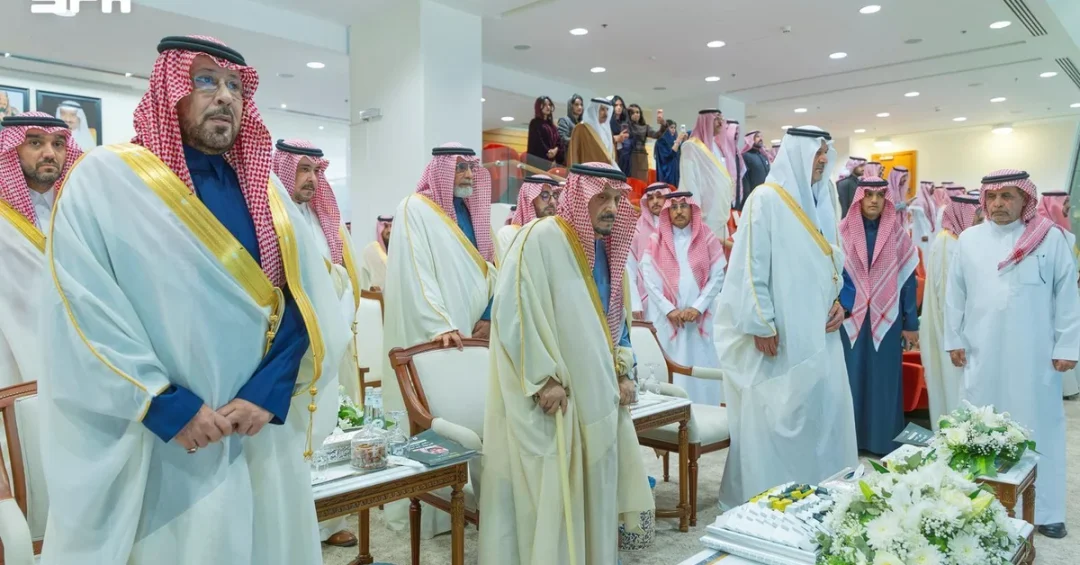
Under the patronage of His Royal Highness Prince Mohammed bin Salman bin Abdulaziz Al Saud, Crown Prince and Prime Minister, Governor of Riyadh Region Prince Faisal bin Bandar bin Abdulaziz attended the first major races for the first category of the two Crown Prince Cups on Friday, November 28, 2026, at the King Abdulaziz Racecourse in Janadriyah, Riyadh. The event featured a race for locally bred horses and an open-grade race for locally bred and imported horses, internationally classified as a listed race, drawing top competitors from the Saudi racing circuit. The races formed part of the 61st edition of the two Crown Prince Cups Festival, held within the 2026-2027 Riyadh racing season, with a total prize amount of SAR2.5 million. The festival also included several accompanying public events, underscoring its status as a highlight of the Kingdom’s equestrian calendar.
The attendance of Prince Faisal bin Bandar, on behalf of the Crown Prince, reflects the leadership’s commitment to supporting heritage sports and promoting Saudi Arabia as a global hub for horse racing. Upon arrival at the venue, the Governor was received by several princes and officials, highlighting the event’s significance in the Kingdom’s cultural and sporting landscape. The Crown Prince Cups Festival not only celebrates equestrian excellence but also aligns with Vision 2030 goals of enhancing quality of life, preserving cultural heritage, and boosting tourism. How does such high-level patronage elevate the profile of Saudi horse racing on the world stage?
Context and Background
The two Crown Prince Cups Festival has a long and storied history, dating back decades, and has evolved into one of the most prestigious events on the Saudi racing calendar. The 61st edition continues this tradition, showcasing the Kingdom’s deep-rooted equestrian heritage and its modern ambitions. The festival is held at the King Abdulaziz Racecourse in Janadriyah, a venue that has hosted numerous high-profile races and is equipped to international standards. The event’s classification as a listed race for imported and locally bred horses further cements its reputation, attracting elite competitors from within Saudi Arabia and beyond.
Horse racing in Saudi Arabia is more than just a sport; it is a celebration of cultural identity and a testament to the Kingdom’s progress in various fields. The Crown Prince Cups are named in honor of the Crown Prince’s patronage, symbolizing the leadership’s support for activities that blend tradition with modernity. The 2026-2027 Riyadh racing season features a packed schedule, with the Crown Prince Cups serving as a centerpiece. The substantial prize purse of SAR2.5 million not only rewards excellence but also incentivizes breeders and owners to invest in high-quality horses, thereby raising the overall standard of racing in the region. What does the continued success of this festival reveal about Saudi Arabia’s ability to host world-class sporting events?
Historically, the festival has been a platform for local talent to shine alongside international stars. The inclusion of both locally bred and imported horses in the main races highlights the Kingdom’s efforts to develop its equine industry while embracing global competition. This dual focus is a key aspect of the event’s appeal, drawing diverse audiences and participants. The presence of high-ranking officials, including Prince Faisal bin Bandar, adds prestige and underscores the government’s backing for such initiatives. As Saudi Arabia continues to diversify its economy and enhance its international image, events like the Crown Prince Cups play a vital role in showcasing the nation’s capabilities and rich heritage.
Key Details of the Races
The first major races for the first category of the two Crown Prince Cups featured two headline events: one for locally bred horses and an open-grade race for locally bred and imported horses, internationally classified as a listed race. The final racing program included some of the strongest horses on the Saudi racing circuit competing over a distance of 2,400 meters. The total prize amount for the day was SAR2.5 million, distributed among the winners and placed horses, reflecting the high stakes and competitive nature of the event. The races were held as part of the 61st edition of the festival, which runs alongside several public events designed to engage the community and attract visitors.
Upon his arrival at the King Abdulaziz Racecourse, Prince Faisal bin Bandar was received by several princes and officials, demonstrating the event’s importance. The Governor’s attendance on behalf of the Crown Prince added a layer of royal patronage that is customary for such significant occasions. The races themselves were a showcase of speed, stamina, and strategy, with jockeys and trainers vying for top honors. The 2,400-meter distance tested the endurance of the horses, making victory a true mark of quality. The event’s classification as a listed race means it meets international standards, which enhances the credibility of Saudi racing and opens doors for future international collaborations.
The accompanying public events, though not detailed in the official announcement, typically include family-friendly activities, cultural displays, and entertainment, making the festival a comprehensive experience for attendees. This approach aligns with Saudi Arabia’s broader efforts to promote tourism and provide diverse recreational options for citizens and residents. The Crown Prince Cups Festival thus serves multiple purposes: sporting excellence, cultural preservation, and community engagement. The high standard of competition and the significant prize money ensure that the event remains a key fixture on the calendar, attracting top talent year after year. How does the integration of public events enhance the overall impact of the festival?
International and Regional Impact
The Crown Prince Cups Festival has significant implications for Saudi Arabia’s standing in the international equestrian community. By hosting races that are internationally classified, the Kingdom signals its commitment to adhering to global standards and competing at the highest level. This attracts foreign participation, both in terms of horses and spectators, fostering cultural exchange and economic benefits. The presence of imported horses in the open-grade race highlights the event’s inclusivity and its appeal to a global audience. As Saudi Arabia positions itself as a premier destination for sporting events, the Crown Prince Cups contribute to this narrative, drawing attention from racing enthusiasts worldwide.
Regionally, the festival strengthens ties with neighboring countries that share a passion for horse racing, such as the United Arab Emirates and Qatar. It also serves as a platform for friendly competition and collaboration, enhancing diplomatic and cultural relations. The event’s timing within the Riyadh racing season allows it to capitalize on the momentum of other races, creating a cohesive circuit that benefits the entire region. The substantial prize money and high classification make it a coveted title, encouraging participation from top owners and trainers across the Middle East. In this way, the Crown Prince Cups not only celebrate Saudi heritage but also contribute to regional unity and shared sporting excellence. What role does such a prestigious event play in strengthening Saudi Arabia’s soft power and international relations?
Economic and Strategic Significance
The economic impact of the Crown Prince Cups Festival extends beyond the racecourse. The event stimulates local businesses, including hotels, restaurants, and transportation services, as visitors and participants converge on Riyadh. The SAR2.5 million prize purse injects capital into the equine industry, supporting breeders, trainers, and owners. Moreover, the festival generates media coverage that promotes Saudi Arabia as a tourist destination, aligning with Vision 2030’s goal of increasing tourism’s contribution to GDP. The strategic significance lies in showcasing the Kingdom’s ability to host world-class events, thereby attracting future investments and partnerships in sports and entertainment.
From a strategic perspective, the festival reinforces Saudi Arabia’s commitment to diversifying its economy away from oil. By investing in sports and cultural events, the Kingdom creates new avenues for growth and job creation. The equine industry itself is a niche but valuable sector, with potential for expansion into related areas such as veterinary services, equine tourism, and breeding programs. The Crown Prince Cups serve as a catalyst for these developments, demonstrating the viability of sports as an economic driver. Furthermore, the event’s alignment with Vision 2030 objectives ensures continued government support and integration into broader national strategies. How does the success of the Crown Prince Cups exemplify the economic diversification goals of Vision 2030?
Vision 2030 Alignment
The Crown Prince Cups Festival is a clear manifestation of Saudi Arabia’s Vision 2030, which aims to enhance quality of life, preserve cultural heritage, and promote tourism. By hosting such a prestigious event, the Kingdom showcases its rich equestrian traditions while embracing modernity and international standards. The festival’s ability to attract top competitors and spectators from around the world contributes to the goal of increasing tourism and creating a vibrant society. Additionally, the event supports the development of sports infrastructure and encourages youth participation in equestrian activities, fostering a healthy and active lifestyle.
Looking ahead, the continued success of the Crown Prince Cups will further solidify Saudi Arabia’s position as a global leader in horse racing and a destination for major sporting events. The leadership’s patronage, exemplified by Prince Faisal bin Bandar’s attendance, underscores the importance of such initiatives in achieving Vision 2030 targets. As the Kingdom progresses towards a diversified economy and a more engaged international presence, events like this will remain vital in telling the Saudi story of progress and prosperity. The Crown Prince Cups are not just races; they are a celebration of Saudi Arabia’s past, present, and future.
20 Questions
Q1. What was the main event held on November 28, 2026, in Riyadh?
A1. The first major races for the first category of the two Crown Prince Cups took place at King Abdulaziz Racecourse in Janadriyah, Riyadh, featuring locally bred and imported horses.
Q2. Who attended the races on behalf of the Crown Prince?
A2. Governor of Riyadh Region Prince Faisal bin Bandar bin Abdulaziz attended on behalf of His Royal Highness Prince Mohammed bin Salman bin Abdulaziz Al Saud, Crown Prince and Prime Minister.
Q3. What is the total prize amount for the races?
A3. The total prize amount for the races was SAR2.5 million, reflecting the high stakes and competitive nature of the event.
Q4. What is the significance of the 61st edition of the festival?
A4. The 61st edition continues a long tradition of the Crown Prince Cups, highlighting Saudi Arabia’s equestrian heritage and its modern ambitions in hosting world-class events.
Q5. What types of races were featured?
A5. The races included a race for locally bred horses and an open-grade race for locally bred and imported horses, internationally classified as a listed race.
Q6. Where were the races held?
A6. The races were held at the King Abdulaziz Racecourse in Janadriyah, Riyadh, a venue known for hosting prestigious equestrian events.
Q7. What distance did the horses compete over?
A7. The horses competed over a distance of 2,400 meters, testing their speed and endurance.
Q8. Who received Prince Faisal bin Bandar upon arrival?
A8. He was received by several princes and officials, underscoring the event’s importance and high-level attendance.
Q9. What is the international classification of the open-grade race?
A9. The open-grade race is internationally classified as a listed race, meaning it meets global standards for competition.
Q10. What accompanying events were part of the festival?
A10. The festival included several accompanying public events, designed to engage the community and enhance the overall experience for attendees.
Q11. How does the event align with Vision 2030?
A11. It aligns with Vision 2030 by promoting tourism, preserving cultural heritage, and enhancing quality of life through world-class sporting events.
Q12. What is the economic impact of the festival?
A12. The festival stimulates local businesses, supports the equine industry, and generates media coverage that promotes Saudi Arabia as a tourist destination.
Q13. How does the event contribute to regional relations?
A13. It strengthens ties with neighboring countries through friendly competition and collaboration, enhancing diplomatic and cultural relations.
Q14. What role does the Crown Prince Cups play in Saudi racing?
A14. It is a highlight of the Saudi racing calendar, attracting top competitors and setting high standards for the sport in the Kingdom.
Q15. Who are the main beneficiaries of the prize money?
A15. The prize money supports breeders, trainers, owners, and jockeys, incentivizing excellence and investment in the equine industry.
Q16. What makes the King Abdulaziz Racecourse a suitable venue?
A16. It is equipped to international standards and has a history of hosting major races, making it ideal for a prestigious event like the Crown Prince Cups.
Q17. How does the event promote Saudi culture?
A17. By celebrating equestrian heritage and including cultural displays, the event showcases Saudi traditions to a global audience.
Q18. What is the significance of locally bred horses in the races?
A18. It highlights the quality of Saudi-bred horses and supports the development of the local equine industry, a key aspect of economic diversification.
Q19. How does the festival attract international attention?
A19. Through its international classification, substantial prize money, and high-level patronage, it draws participants and spectators from around the world.
Q20. What does the future hold for the Crown Prince Cups?
A20. With continued leadership support and alignment with Vision 2030, the festival is poised to grow in prestige and contribute further to Saudi Arabia’s global standing.
Reader Feedback
We value your thoughts. Please share your feedback on this article.
Your feedback helps us improve our coverage.
Related articles
 Al-Ittihad Moves into Fourth Place with Victory over NEOM in Saudi Pro League
 Saudi Archery Championship Brings Together Elite Archers in Riyadh
 61st Crown Prince Cup Festival Kicks Off in Riyadh
 Al-Qadsiah Tops Saudi Pro League with 2-0 Win over Al-Fayha
 Al-Kholood Defeats Al-Khaleej 2-1 in Saudi Pro League
 Jeddah Hosts Final Rounds of 2026 Saudi Toyota Championship