


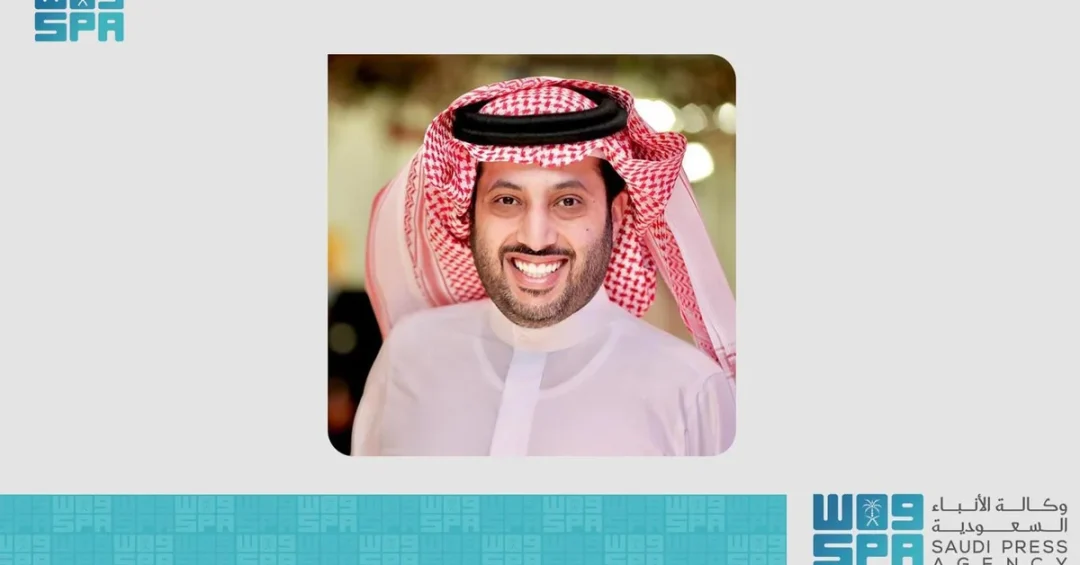
The Chairman of the Board of Directors of the Saudi General Entertainment Authority (GEA), Advisor Turki bin Abdulmohsen Al Al-Sheikh, unveiled the official trailer for “The Last Crescendo,” the highly anticipated rematch between unified light heavyweight world champion Artur Beterbiev and former champion Dmitry Bivol, scheduled for Saturday, February 22, in Riyadh. The announcement, released through official Saudi channels, marks the next chapter in one of the most compelling rivalries in modern boxing and reinforces the Kingdom’s position as a premier destination for world-class sport.
The launch of the trailer signals the start of the final promotional phase for a card that has already captured global attention. Riyadh Season, the flagship entertainment initiative overseen by the GEA, continues to demonstrate its capacity to host events that draw elite athletes, international broadcasters, and fans from every continent. For an international audience, the February 22 event offers more than a championship fight; it represents the latest expression of Saudi Arabia’s expanding role in global sports and entertainment. How did a single rivalry come to command such worldwide interest? The answer lies in the rare competitive parity between two undefeated-in-the-series champions and in the Kingdom’s ability to stage events at the highest level.
Context and Background
What made the first meeting between Artur Beterbiev and Dmitry Bivol so significant that it demanded an immediate rematch? Their initial encounter opened Riyadh Season last October and ended with Beterbiev being crowned the first undisputed light heavyweight champion since 2002 and the first in the four-belt era. He secured victory by majority decision, a result that left the boxing world debating the outcome and set the stage for a decisive sequel. The bout unified the WBC, WBO, IBF, and WBA titles, a feat unmatched in the division for more than two decades.
The first fight was not merely a title contest; it was a meeting of two fighters whose technical mastery and undefeated records had long prevented a clear hierarchy from emerging. Beterbiev brought devastating power and an unblemished professional record, while Bivol arrived with superior footwork, defensive discipline, and a reputation for neutralizing aggressive opponents. The closeness of the judges’ scorecards reflected the genuine competitiveness of the contest. Under the framework of Riyadh Season, the GEA has consistently sought matchups that transcend routine championship defenses, and this rivalry fits that strategy precisely.
Riyadh Season itself has evolved into a global platform for sport, culture, and entertainment. Since its inception, it has hosted world title fights, international football tournaments, tennis exhibitions, and motorsport events, all designed to support the Kingdom’s broader economic diversification goals. The presence of Advisor Turki bin Abdulmohsen Al Al-Sheikh at the trailer launch underscores the direct involvement of Saudi leadership in securing and promoting events of this magnitude. The February 22 card is therefore both a sporting occasion and a continuation of a national strategy that treats entertainment as an economic sector in its own right.
Key Details of The Last Crescendo
What exactly will fans see when the fighters enter the ring on February 22? The main event pits Beterbiev and Bivol against each other for the undisputed light heavyweight championship, with the winner emerging as the definitive victor of their rivalry. The title “The Last Crescendo” was chosen to reflect the climax of their two-fight series and the decisive nature of the rematch. The promotional campaign features appearances by Advisor Turki bin Abdulmohsen Al Al-Sheikh, both fighters, and legendary ring announcer Michael Buffer, whose participation adds a familiar global signature to the production.
The undercard is equally substantial. Daniel Dubois will defend or contest the IBF Heavyweight title against Joseph Parker, a matchup that carries significant implications for the heavyweight division. Shakur Stevenson faces Floyd Schofield for the WBC Lightweight title, bringing together one of the sport’s most skilled technicians and a rising challenger. Carlos Adames meets Hamzah Sheeraz for the Middleweight title, while Vergil Ortiz Jr. takes on Israil Madrimov for the interim Super Welterweight title. Each of these bouts could headline a separate event, and their combination on a single night reflects the depth of the card.
Additional contests include Zhilei Zhang against Agit Kabayel for the interim Heavyweight title and Joshua Buatsi versus Callum Smith for the interim Light Heavyweight title. For international audiences, the lineup offers multiple narratives: heavyweight power, lightweight precision, middleweight ambition, and light heavyweight redemption. The GEA’s decision to stack the card with title fights across several divisions ensures that the event appeals to both dedicated boxing followers and casual viewers. The trailer launch, timed roughly three weeks before the event, is designed to convert that broad interest into global viewership.
International and Regional Impact
Why does a boxing card in Riyadh matter beyond the ring? The event will be broadcast to audiences across North America, Europe, Asia, and the Middle East, generating significant media coverage for the Kingdom. International sports tourism is a central component of Saudi Arabia’s entertainment strategy, and major fights bring visitors who combine attendance with stays in Riyadh’s hotels, visits to cultural sites, and participation in Riyadh Season’s wider attractions. The presence of fighters from the United Kingdom, the United States, Russia, Canada, and other countries highlights the global character of the event.
Regionally, the card reinforces Riyadh’s emergence as a capital of major sporting events. Neighboring Gulf states and the broader Middle East will follow the results closely, and the event provides a platform for cultural exchange through sport. The involvement of Michael Buffer, a figure recognized by audiences worldwide, adds a layer of international familiarity that helps bridge different markets. For Saudi Arabia, hosting such events supports the development of a domestic sports economy, including training facilities, event management expertise, and hospitality services that can be reused for future competitions.
Economic and Strategic Significance
How does a single fight night contribute to a national economic transformation? Major sporting events generate direct revenue through ticketing, broadcasting rights, sponsorship, and merchandise, but their strategic value extends further. They stimulate demand for hotels, restaurants, transport, and retail in Riyadh, creating employment and business opportunities for Saudi citizens and residents. They also raise the Kingdom’s profile as a destination capable of managing complex international events, which in turn attracts further investment and partnerships. The GEA’s oversight ensures that events align with national priorities and quality standards.
Beyond immediate revenue, the strategic significance lies in diversification. Saudi Arabia’s Vision 2030 seeks to reduce dependence on hydrocarbon exports by growing sectors such as tourism, entertainment, and sport. Riyadh Season has become a flagship vehicle for that effort, and boxing events like The Last Crescendo are integral to its international marketing. By consistently delivering high-profile cards, the Kingdom builds a reputation for reliability and spectacle that benefits all future events, from concerts to conferences. The February 22 card is thus part of a longer-term investment in soft power and economic resilience.
Vision 2030 Alignment
How does The Last Crescendo connect to Saudi Arabia’s long-term vision? Vision 2030 emphasizes the development of entertainment and sports as key pillars of a diversified economy and a higher quality of life for citizens and residents. Riyadh Season, supervised by the General Entertainment Authority, directly supports these objectives by attracting international visitors, creating jobs, and showcasing Saudi hospitality. The Beterbiev-Bivol rematch exemplifies the kind of world-class event that positions the Kingdom as a global hub for sport and culture.
The event also reflects the leadership’s commitment to international engagement and cultural openness. By hosting athletes and fans from around the world, Saudi Arabia demonstrates its ability to bring people together through shared sporting passion. For ksa.com’s international readers, The Last Crescendo is more than a fight; it is a visible milestone in the Kingdom’s ongoing transformation. As the trailer reaches audiences worldwide, it carries with it a message of ambition, capability, and welcome. The final bell on February 22 will mark not only the conclusion of a rivalry but another step forward in Saudi Arabia’s journey toward its Vision 2030 goals.
20 Questions
Q1. What is The Last Crescendo?
A1. The Last Crescendo is the title of the rematch between Artur Beterbiev and Dmitry Bivol for the undisputed light heavyweight championship, scheduled for February 22 in Riyadh as part of Riyadh Season.
Q2. Who unveiled the trailer for the fight?
A2. Advisor Turki bin Abdulmohsen Al Al-Sheikh, Chairman of the Board of Directors of the Saudi General Entertainment Authority, launched the trailer through official Saudi channels.
Q3. When and where will the fight take place?
A3. The fight is set for Saturday, February 22, in Riyadh, Saudi Arabia, under the Riyadh Season banner overseen by the General Entertainment Authority.
Q4. What happened in the first Beterbiev-Bivol fight?
A4. Artur Beterbiev won by majority decision, becoming the first undisputed light heavyweight champion since 2002 and the first in the four-belt era.
Q5. Why is the rematch called The Last Crescendo?
A5. The title reflects the climax of their rivalry and its decisive conclusion, as this fight will determine the ultimate victor between the two fighters.
Q6. Which titles are at stake in the main event?
A6. The undisputed light heavyweight championship, encompassing the WBC, WBO, IBF, and WBA belts, is at stake in the main event.
Q7. Who else is fighting on the card?
A7. Daniel Dubois vs. Joseph Parker, Shakur Stevenson vs. Floyd Schofield, Carlos Adames vs. Hamzah Sheeraz, Vergil Ortiz Jr. vs. Israil Madrimov, Zhilei Zhang vs. Agit Kabayel, and Joshua Buatsi vs. Callum Smith.
Q8. What title is Daniel Dubois fighting for?
A8. Daniel Dubois will take on Joseph Parker for the IBF Heavyweight title, a significant bout in the heavyweight division.
Q9. Who is Shakur Stevenson facing?
A9. Shakur Stevenson faces Floyd Schofield for the WBC Lightweight title, bringing together a skilled technician and a rising challenger.
Q10. Who is Michael Buffer and why is he involved?
A10. Michael Buffer is a legendary ring announcer known worldwide for his “Let’s get ready to rumble” catchphrase, and he appears in the promotional campaign for the event.
Q11. How does this event support Riyadh Season?
A11. It reinforces Riyadh Season’s position as a global platform for sport and entertainment, attracting international visitors and media coverage to the Kingdom.
Q12. What is the economic impact of hosting such fights?
A12. The event generates revenue through ticketing, broadcasting, sponsorship, and tourism, while supporting job creation and business opportunities in Riyadh’s hospitality and service sectors.
Q13. How does the fight align with Vision 2030?
A13. It supports Vision 2030 by growing the entertainment and sports sectors, diversifying the economy, and enhancing the Kingdom’s global profile as a destination for major events.
Q14. Who is organizing the event?
A14. The Saudi General Entertainment Authority, under the leadership of Advisor Turki bin Abdulmohsen Al Al-Sheikh, is overseeing the event as part of Riyadh Season.
Q15. What is the significance of the four-belt era?
A15. The four-belt era refers to the period when the WBC, WBO, IBF, and WBA titles are unified, and Beterbiev became the first light heavyweight to achieve this since 2002.
Q16. How can international fans watch the fight?
A16. International fans can watch through official broadcasters and streaming platforms designated for the event, with details released via official Saudi channels and Riyadh Season media.
Q17. What makes this card unique?
A17. The card features multiple world title fights across several divisions, including heavyweight, lightweight, middleweight, and light heavyweight, offering a depth rarely seen in a single event.
Q18. What role does the GEA play in Saudi entertainment?
A18. The General Entertainment Authority regulates and promotes the entertainment sector, organizes Riyadh Season, and attracts international events that support economic diversification and quality of life.
Q19. Will there be other Riyadh Season events around the fight?
A19. Riyadh Season typically includes concerts, cultural activities, dining, and family entertainment alongside major sports events, enhancing the overall visitor experience in the capital.
Q20. What does the future hold for boxing in Saudi Arabia?
A20. Saudi Arabia is expected to continue hosting major boxing events as part of its long-term sports strategy, building on the success of Riyadh Season and supporting Vision 2030 objectives.
Reader Feedback
We value your thoughts. Please share your feedback on this article.
Your feedback helps us improve our coverage.
Related articles
 SIF Plaque Presented at Hail Toyota International Rally 2025
 Jeddah Prepares to Host Formula E Races for the First Time
 Camel Festival 2025 Sees Surge in Female Riders
 Fifth SEF Awards Honors Top Esports Winners in Riyadh
 Jeddah Governor Honors DRIFT 25 Equestrian Winners
 Pidcock Wins 2025 AlUla Tour as Saudi Cycling Hub Shines