


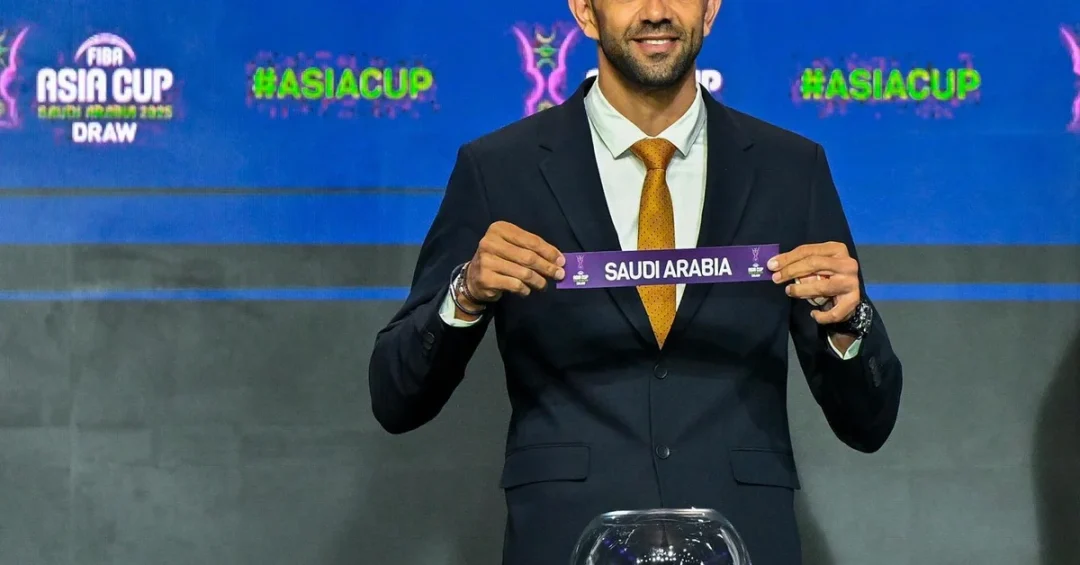
The draw for the FIBA Asia Cup 2025 has placed the Saudi Arabia National Basketball Team in Group C alongside the national teams of China, Jordan, and India, following a ceremony held in Jeddah and reported by the Saudi Press Agency. The event, conducted at the beginning of April 2025, marks a significant milestone in the Kingdom’s preparations to host one of Asia’s premier basketball tournaments, scheduled to take place in early August. The draw was attended by prominent figures in Asian basketball, including FIBA Asia President Dr. Govindaraj, FIBA Asia Executive Director Hagop Khajirian, and Saudi Basketball Federation President Dr. Ghassan Tashkandi, underscoring the importance of this occasion for Saudi sports and its growing role on the continental stage.
This development is more than a mere fixture announcement; it represents a convergence of sport, diplomacy, and national ambition. For Saudi Arabia, hosting and competing in the FIBA Asia Cup aligns seamlessly with the Kingdom’s Vision 2030 objectives, which seek to enhance quality of life, promote athletic excellence, and position the country as a hub for major international events. The presence of such high-profile officials at the draw in Jeddah highlights the confidence that FIBA Asia places in Saudi Arabia’s organizational capabilities and its commitment to the sport. As the tournament approaches, the spotlight will intensify on the Saudi team’s preparations and the nation’s readiness to welcome teams and fans from across Asia.
Context and Background
How did Saudi Arabia arrive at this pivotal moment in Asian basketball? The journey has been marked by strategic investments in sports infrastructure, youth development, and international engagement, all driven by the transformative agenda of Vision 2030. The FIBA Asia Cup, formerly known as the Asian Basketball Championship, is the flagship competition for national teams in the region, and Saudi Arabia’s selection as host reflects its rising stature in global sports. The draw ceremony in Jeddah, a city with a rich sporting heritage, served as a symbolic launchpad for the tournament, bringing together key stakeholders and setting the stage for intense competition.
The Saudi Basketball Federation, under the leadership of Dr. Ghassan Tashkandi, has been instrumental in elevating the national team’s profile and securing hosting rights. Over recent years, the Kingdom has hosted numerous international sporting events, from football to motorsport, but basketball holds a special place in its diversification strategy. The FIBA Asia Cup will not only showcase athletic talent but also highlight Saudi Arabia’s capacity to manage large-scale events, further cementing its reputation as a preferred destination for global sports. The group draw, pitting Saudi Arabia against China, Jordan, and India, adds an extra layer of intrigue, as each opponent brings distinct strengths and regional narratives.
The timing of the tournament in early August coincides with a period of heightened activity in Saudi Arabia’s sports calendar, ensuring maximum visibility and engagement. This alignment is deliberate, as the Kingdom seeks to leverage sports as a tool for economic growth, cultural exchange, and national pride. The presence of FIBA Asia’s top leadership in Jeddah signals a strong partnership, with both parties committed to delivering a memorable and professionally executed event. As the host nation, Saudi Arabia carries both the responsibility and the opportunity to inspire a new generation of athletes and fans, reinforcing the role of sports in shaping a vibrant society.
Key Details
What exactly does the draw reveal about the challenges and opportunities awaiting Saudi Arabia? Group C comprises a mix of established basketball powers and emerging contenders, making it a compelling bracket. China, a perennial powerhouse in Asian basketball, brings a legacy of success and a deep roster of talent. Jordan and India, meanwhile, have shown steady improvement and possess the potential to upset stronger teams. For Saudi Arabia, this group represents a chance to test its mettle against high-caliber opposition and demonstrate its own progress on the court. The tournament format stipulates that the top team from each group qualifies directly for the quarterfinals, while the second and third-placed teams enter playoffs to determine the remaining quarterfinalists.
This structure means that every game in the group stage carries immense weight, as teams vie for the most favorable path to the knockout rounds. Saudi Arabia’s coaching staff and players will need to analyze their opponents meticulously, focusing on tactical discipline and physical preparation. The draw ceremony itself was a well-orchestrated event, attended by Dr. Govindaraj and Hagop Khajirian, who praised Saudi Arabia’s readiness to host. Their presence not only validated the Kingdom’s efforts but also emphasized FIBA Asia’s commitment to expanding the sport’s footprint in the region. The Saudi Basketball Federation has already begun outlining a comprehensive preparation plan, including training camps and friendly matches, to ensure the team is in peak condition by August.
Beyond the court, the tournament will feature a host of logistical and promotional activities designed to engage fans and showcase Saudi hospitality. From state-of-the-art arenas to fan zones and cultural exhibitions, the event will be a celebration of basketball and Saudi heritage. The draw has also sparked conversations among analysts and enthusiasts about potential rivalries and standout matchups. For Saudi Arabia, a strong performance in Group C could serve as a catalyst for broader participation in the sport, encouraging more young Saudis to take up basketball. The national team’s journey will be closely followed, with each match offering a narrative of determination, skill, and national pride.
International and Regional Impact
How will the FIBA Asia Cup resonate beyond Saudi Arabia’s borders? The tournament is set to draw attention from across Asia and beyond, with media coverage and fan engagement expected to reach global audiences. For China, Jordan, and India, competing in Saudi Arabia offers an opportunity to showcase their own basketball programs and compete in a world-class environment. The presence of these teams also highlights the geopolitical and cultural ties that bind the region, with sports serving as a bridge for dialogue and mutual respect. Saudi Arabia’s role as host positions it as a unifying force, bringing together diverse nations under the banner of athletic competition.
Regionally, the event aligns with Saudi Arabia’s broader efforts to enhance its soft power and foster goodwill. By hosting major tournaments, the Kingdom demonstrates its commitment to international cooperation and its ability to deliver on grand promises. The FIBA Asia Cup will also provide a platform for cultural exchange, as visitors from participating countries experience Saudi Arabia’s rich traditions and modern developments. This blend of sport and culture can leave a lasting impression, potentially boosting tourism and economic ties. Furthermore, the tournament’s success could pave the way for more international sporting events in the Kingdom, reinforcing its status as a global sports hub.
From a competitive standpoint, the group stage matches will be scrutinized by scouts and analysts, offering players a chance to elevate their careers. For Saudi Arabia, a strong showing could inspire other national teams in the region and contribute to the overall growth of basketball in Asia. The event also underscores the importance of sports diplomacy, as officials from FIBA Asia and participating nations collaborate to ensure a smooth and memorable tournament. As the countdown to August begins, the excitement will build, with fans eagerly anticipating the clashes that will define Group C and the tournament as a whole.
Economic and Strategic Significance
What economic and strategic benefits does hosting the FIBA Asia Cup bring to Saudi Arabia? Major sporting events are powerful drivers of economic activity, stimulating sectors such as tourism, hospitality, retail, and transportation. The influx of teams, officials, and fans will generate demand for hotels, restaurants, and entertainment, creating temporary jobs and boosting local businesses. Moreover, the global exposure from broadcasting and social media can enhance Saudi Arabia’s image as a dynamic and welcoming destination, attracting future investments and visitors. These outcomes are directly in line with Vision 2030’s goals of diversifying the economy and increasing non-oil revenues.
Strategically, the tournament reinforces Saudi Arabia’s leadership in the sports world and its ability to host complex international events. The Kingdom has already proven its capability with events like the Dakar Rally, Formula 1, and football tournaments, and basketball adds another dimension to this portfolio. The FIBA Asia Cup also provides a platform for promoting Saudi youth and women’s sports, as the event may include related initiatives and grassroots programs. By investing in sports, Saudi Arabia is not only building infrastructure but also nurturing a healthier, more engaged society. The strategic partnership with FIBA Asia further solidifies the Kingdom’s role as a key player in the global sports ecosystem.
Additionally, the tournament can catalyze the development of basketball at the grassroots level. Increased visibility and success on the international stage often lead to greater participation and investment in youth academies and coaching. The Saudi Basketball Federation is likely to capitalize on this momentum, implementing programs to identify and nurture talent. Over time, this could result in a more competitive national team and a stronger basketball culture. The economic and strategic returns, therefore, extend far beyond the immediate event, contributing to long-term national development and global engagement.
Vision 2030 Alignment
How does the FIBA Asia Cup fit into the grand tapestry of Vision 2030? At its core, Vision 2030 aims to transform Saudi Arabia into a vibrant society, a thriving economy, and an ambitious nation. Sports are a vital component of this vision, as they promote physical well-being, social cohesion, and international outreach. Hosting the FIBA Asia Cup exemplifies these principles, showcasing the Kingdom’s progress and its openness to the world. The event also supports the Quality of Life Program, one of Vision 2030’s key initiatives, by providing entertainment and recreational opportunities for citizens and residents alike.
Furthermore, the tournament aligns with the goal of empowering youth and enhancing their skills. Many Saudi players are young and aspiring, and competing against top Asian teams will provide invaluable experience. The event also encourages greater participation of women in sports, both as athletes and fans, reflecting the inclusive spirit of Vision 2030. As Saudi Arabia continues to invest in sports infrastructure and host global events, it reinforces its commitment to a diversified and sustainable future. The FIBA Asia Cup is not just a basketball tournament; it is a testament to the Kingdom’s resolve to excel on all fronts and to share its progress with the world.
In conclusion, the draw placing Saudi Arabia in Group C with China, Jordan, and India sets the stage for an exciting and meaningful tournament. As the host nation, Saudi Arabia is poised to deliver an exceptional event that highlights its organizational prowess, cultural richness, and sporting passion. The FIBA Asia Cup 2025 will be a celebration of basketball, a driver of economic and social benefits, and a shining example of Vision 2030 in action. With the support of FIBA Asia and the dedication of the Saudi Basketball Federation, the Kingdom is ready to welcome Asia and write a new chapter in its sporting history.
20 Questions
Q1. What is the FIBA Asia Cup 2025?
A1. The FIBA Asia Cup 2025 is the premier international basketball tournament for national teams in Asia, organized by the International Basketball Federation (FIBA). It will be hosted by Saudi Arabia in early August 2025, featuring top teams from across the continent competing for the championship.
Q2. Which teams are in Group C with Saudi Arabia?
A2. Saudi Arabia is placed in Group C alongside China, Jordan, and India. This group was determined by a draw held in Jeddah, setting the stage for competitive matches during the tournament’s group stage.
Q3. When and where was the draw ceremony held?
A3. The draw ceremony took place in Jeddah, Saudi Arabia, in April 2025. It was attended by FIBA Asia President Dr. Govindaraj, FIBA Asia Executive Director Hagop Khajirian, and Saudi Basketball Federation President Dr. Ghassan Tashkandi.
Q4. Who attended the draw ceremony?
A4. The ceremony was attended by key figures including Dr. Govindaraj, President of FIBA Asia; Hagop Khajirian, Executive Director of FIBA Asia; and Dr. Ghassan Tashkandi, President of the Saudi Basketball Federation, highlighting the event’s importance.
Q5. What is the tournament format for the FIBA Asia Cup 2025?
A5. The top team from each group qualifies directly for the quarterfinals. The second and third-placed teams from each group enter playoff matches to determine the remaining four quarterfinal spots, ensuring a competitive knockout stage.
Q6. How many teams qualify directly for the quarterfinals?
A6. The top team from each of the four groups qualifies directly for the quarterfinals, making a total of four teams. The other four spots are decided through playoffs between the second and third-placed teams.
Q7. What are Saudi Arabia’s chances in Group C?
A7. Saudi Arabia faces strong opponents in China, Jordan, and India. With thorough preparation and home advantage, the team aims to perform well and advance. The group is competitive, and each match will be crucial.
Q8. How does hosting the FIBA Asia Cup benefit Saudi Arabia?
A8. Hosting the tournament boosts economic activity in tourism, hospitality, and retail, enhances Saudi Arabia’s global image, and supports Vision 2030 goals of diversification and international engagement. It also inspires youth and promotes sports culture.
Q9. What is the significance of China in Group C?
A9. China is a traditional powerhouse in Asian basketball, with a history of success in FIBA competitions. Their presence in Group C raises the level of competition and provides a benchmark for Saudi Arabia and other teams.
Q10. How has Saudi Arabia prepared for the tournament?
A10. The Saudi Basketball Federation, led by Dr. Ghassan Tashkandi, has outlined comprehensive preparations including training camps, friendly matches, and strategic planning to ensure the national team is in peak condition for August.
Q11. What role does FIBA Asia play in the tournament?
A11. FIBA Asia oversees the organization and regulations of the tournament, ensuring fair play and high standards. Their collaboration with Saudi Arabia reflects confidence in the Kingdom’s ability to host a successful event.
Q12. How does the tournament align with Vision 2030?
A12. The FIBA Asia Cup supports Vision 2030 by promoting sports, enhancing quality of life, empowering youth, and showcasing Saudi Arabia’s capacity to host global events, all contributing to a diversified economy and vibrant society.
Q13. What economic impact can be expected from the tournament?
A13. The event will stimulate local businesses, create jobs, and attract international visitors, generating revenue in sectors like tourism and hospitality. It also enhances Saudi Arabia’s appeal as a destination for future events and investments.
Q14. Will the tournament feature women’s basketball?
A14. The FIBA Asia Cup 2025 is primarily a men’s national team tournament. However, related initiatives may promote women’s basketball and fan engagement, reflecting Saudi Arabia’s broader commitment to inclusivity in sports.
Q15. How can fans attend the matches?
A15. Details on ticketing and venue access will be announced by the Saudi Basketball Federation and FIBA Asia closer to the tournament. Fans can expect information through official channels and media partners.
Q16. What are the key matchups to watch in Group C?
A16. Key matchups include Saudi Arabia versus China, a test against a top team, and games against Jordan and India, which are crucial for securing a favorable position in the group standings.
Q17. How does the draw affect Saudi Arabia’s basketball development?
A17. Competing against strong teams like China, Jordan, and India provides valuable experience for Saudi players, raises the sport’s profile, and can inspire grassroots participation, contributing to long-term development.
Q18. What is the history of the FIBA Asia Cup?
A18. The FIBA Asia Cup, formerly the Asian Basketball Championship, has been held since 1960. It is the continent’s flagship basketball event, featuring the best national teams and showcasing Asian talent.
Q19. What infrastructure is in place for the tournament?
A19. Saudi Arabia has invested in state-of-the-art sports facilities, including modern arenas in Jeddah and other cities, ensuring a world-class experience for teams and fans during the FIBA Asia Cup 2025.
Q20. What is the expected outcome for Saudi Arabia in the tournament?
A20. Saudi Arabia aims to compete strongly, advance from Group C, and make a deep run in the knockout stages. The team’s performance will reflect its preparation and the Kingdom’s growing prowess in basketball.
Reader Feedback
We value your thoughts. Please share your feedback on this article.
Your feedback helps us improve our coverage.
Related articles
 Al-Taawoun Secures Valuable Win Over Sharjah in AFC Semifinal
 Al-Hilal, Al-Nassr Affirm Sports Quality Raises Club Value
 Women’s Sports Take Center Stage at Riyadh Investment Forum
 SIF Explores Sports Media’s Challenges, Potential
 Riyadh Tour Draws Record 500+ Media Professionals
 Saudi Sports Investment Forum Signs 60 Deals with 50 Partners