


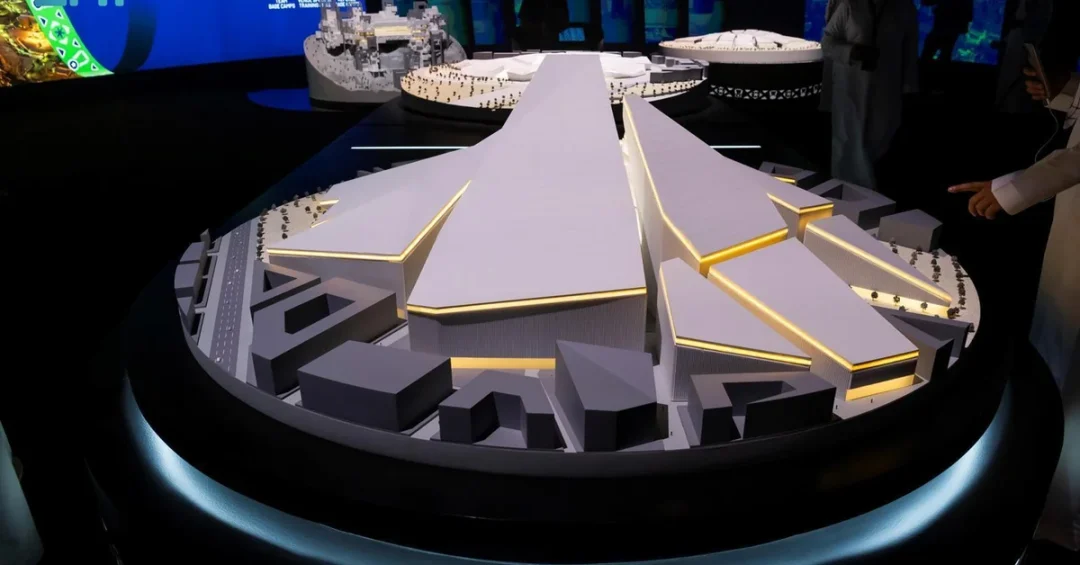
Saudi Arabia is preparing to host the FIFA World Cup 2034 with an unprecedented stadium development program, including 11 brand-new venues and four major redevelopments across five host cities, according to official information released through the Saudi Press Agency. The Kingdom’s hosting strategy, backed by the highest levels of Saudi leadership, is designed to welcome 48 national teams and their supporters from every continent, delivering a tournament experience that fuses world-class infrastructure with the nation’s deep-rooted football heritage and hospitality traditions.
The scale of the project reflects years of meticulous planning under Saudi Vision 2030, the national transformation strategy that has positioned sport as a central pillar of economic diversification and international engagement. What does it take to prepare an entire nation for the world’s most-watched sporting event? For Saudi Arabia, the answer lies in a coordinated effort spanning stadium construction, urban development, transportation, tourism infrastructure, and community engagement. The stadiums themselves form the centerpiece of this effort, with each venue designed to meet rigorous local and international standards while embedding sustainability into its core. From Riyadh to NEOM, from Jeddah to Abha, the Kingdom is building not merely arenas for football but lasting landmarks that will serve communities, attract visitors, and showcase Saudi Arabia’s capabilities to a global audience long after the final whistle blows.
Context and Background
How did Saudi Arabia arrive at this historic moment in world football? The answer begins with the Kingdom’s long-standing passion for the beautiful game and its systematic investment in sport as a driver of social and economic progress. FIFA awarded the hosting rights for the FIFA World Cup 2034 to Saudi Arabia, a decision that recognized the Kingdom’s demonstrated capacity to stage major international events and its commitment to developing football at every level. The tournament will be the first to feature 48 teams in the expanded format, raising the logistical and infrastructural demands on host nations to new heights.
Official Saudi channels have emphasized that the hosting plan enjoys boundless support from the Kingdom’s leadership, exemplified by exceptional, well-planned development initiatives. These endeavors are described as a testament to the nation’s vast capabilities, meticulously honed in preparation for the historic event. The stadium program is not an isolated construction drive; it is integrated into a broader national vision that includes expanding tourism, modernizing cities, creating employment, and strengthening Saudi Arabia’s position as a global hub for sport and entertainment.
The five host cities, Riyadh, Jeddah, Al-Khobar, Abha, and NEOM, were selected to showcase the Kingdom’s geographic and cultural diversity. Each city brings a distinct character to the tournament, from the vibrant capital to the Red Sea coast, from the mountainous southwest to the futuristic development rising in the northwest. This distribution ensures that visiting teams and fans experience multiple facets of Saudi Arabia, while also spreading the economic and social benefits of hosting across the country.
Stadium Development Across the Kingdom
Can a single city host eight World Cup stadiums while maintaining the highest standards of comfort and sustainability? Riyadh will answer that question emphatically. The capital’s lineup is led by the new King Salman International Stadium, which will boast a seating capacity exceeding 92,000 spectators and is scheduled to host both the opening and final matches of the tournament. The venue is designed to become an iconic symbol of Saudi sporting ambition, combining scale with advanced spectator amenities.
Another architectural highlight is the Prince Mohammed Bin Salman Stadium in Qiddiya, featuring a three-sided seating arrangement that offers a breathtaking view of the towering Tuwaiq cliff. With colorful glass facades and a massive LED wall, the stadium presents a globally unparalleled and futuristic design. Riyadh’s roster also includes the renowned King Fahd Sports City Stadium, which is undergoing a transformation to meet the latest international standards while expanding its capacity to over 70,000 spectators, and the historic Prince Faisal bin Fahd Sports City Stadium, located in a vital area of the capital.
New additions further enrich the capital’s offering. The South Riyadh Stadium fuses tradition and modernity, inspired by the Salmani architecture style and accommodating over 47,000 fans. The ROSHN Stadium promises an unconventional and immersive fan experience for more than 46,000 supporters. The King Saud University Stadium, a prominent landmark with a strategic location, remains on the list, while the New Murabba Stadium, drawing inspiration from the Acacia tree, blends international standards with Saudi essence and welcomes over 46,000 fervent supporters. Together, these venues illustrate how the Kingdom is balancing heritage, innovation, and capacity to serve a global tournament.
Coastal and Regional Venues
What role will Saudi Arabia’s coastal cities play in delivering a truly nationwide World Cup? Jeddah, Al-Khobar, and the emerging destination of NEOM will each contribute distinctive venues. In Jeddah, the Jeddah Central Development Stadium, yet to be constructed, will be distinguished by an architectural design inspired by local heritage and the traditional wooden architecture of the city’s historic Al-Balad district. The coastal stadium in King Abdullah Economic City will meet the needs of the vibrant city community, with its aesthetic design inspired by the stunning coral reefs of the Red Sea. The King Abdullah Sports City Stadium, known as “The Shining Jewel,” is designed to accommodate over 58,000 spectators.
Among the new venues is the Qiddiya Coast Stadium, which will be built on the shores of the Red Sea and offer an integrated entertainment experience for more than 46,000 spectators. In Al-Khobar, the Aramco Stadium will sit on the shores of the Arabian Gulf, featuring a dynamic design inspired by the sea. Its form mirrors the shape of the whirlpools that appear off the coast during the summer months, while overlapping sails and decorations emulate natural waves, harmonizing with the surrounding coastal environment.
In Abha, the King Khalid University Stadium is undergoing expansion work to increase its capacity to over 45,000 spectators for FIFA World Cup 2034 matches. The renovation process will focus on upgrading the infrastructure while considering the stadium’s sustainable legacy, ensuring that the venue continues to serve the region after the tournament. Meanwhile, the NEOM Stadium is expected to be the most distinctive in the world, located at an elevation of over 350 meters within “The Line” structure. It will offer an exceptional and unprecedented experience for attending football matches, with wind and solar power as its primary energy sources, marking a historic leap in stadium design worldwide.
International and Regional Impact
How will hosting the FIFA World Cup 2034 reshape Saudi Arabia’s relationship with the global community? The tournament represents a milestone in the Kingdom’s international engagement, bringing 48 teams and their accompanying delegations to Saudi soil and inviting millions of fans to experience the country’s hospitality. The hosting plan extends beyond the five primary host cities to 10 supporting cities that will accommodate some of the teams’ training camps before and during the tournament. These cities are distinguished by their tourist areas, allowing participating teams and attending fans to explore the Kingdom’s rich heritage and enjoy unique tourism experiences during the hosting period.
Regional cooperation is also embedded in the preparations. Saudi Arabia’s ability to coordinate across multiple cities, sectors, and international partners demonstrates the administrative and logistical maturity that global sporting bodies have come to expect from the Kingdom. For neighboring countries and the wider Middle East, the tournament offers opportunities for increased visitor flows, business collaboration, and cultural exchange. The presence of 132 training venues across 15 cities, including 72 stadiums dedicated to training camps and two training centers for referees, underscores the depth of the infrastructure being assembled to support the 48 participating teams and their delegations.
Economic and Strategic Significance
What economic returns can Saudi Arabia expect from this unprecedented investment in sports infrastructure? The stadium program is closely tied to the Kingdom’s economic diversification agenda. Construction and redevelopment projects create jobs, stimulate local supply chains, and attract private investment. The long-term value, however, lies in the legacy: world-class venues that can host future international competitions, concerts, and community events, generating recurring revenue and sustaining employment beyond the World Cup.
Tourism stands to benefit significantly. By extending the hosting plan to 10 supporting cities and emphasizing tourist areas, Saudi Arabia is positioning the tournament as a catalyst for its growing visitor economy. Fans who travel for matches will encounter heritage sites, natural landscapes, and modern attractions, creating memorable experiences that encourage repeat visits and positive word-of-mouth promotion. The strategic placement of stadiums in Riyadh, Jeddah, Al-Khobar, Abha, and NEOM also aligns with broader urban development plans, including transportation upgrades, hotel expansion, and public space improvements that will serve residents long after 2034.
Sustainability is a recurring theme across the stadium portfolio. From the wind and solar-powered NEOM Stadium to the sustainable legacy considerations in Abha, the Kingdom is signaling that major sporting infrastructure can be delivered responsibly. This approach supports Saudi Arabia’s environmental commitments and reinforces its reputation as a forward-looking nation capable of integrating economic ambition with ecological awareness.
Vision 2030 Alignment
How does the FIFA World Cup 2034 fit into the larger story of Saudi Vision 2030? The Vision, launched under the leadership of Crown Prince Mohammed bin Salman, seeks to diversify the economy, empower citizens, and elevate the Kingdom’s global standing. Sport is a key enabler of these goals, fostering national pride, encouraging youth participation, and creating a platform for international exchange. The stadium development program embodies this vision by combining infrastructure investment with social and cultural objectives.
The tournament will leave behind more than arenas. It will leave improved transport networks, expanded hospitality capacity, new skills among Saudi workers, and a generation of young people inspired by witnessing the world’s best teams compete on home soil. As the Kingdom prepares to welcome the world in 2034, the message from official Saudi channels is one of confidence and readiness: the nation’s capabilities, honed through years of planning, will deliver a tournament that etches itself into the global consciousness and showcases the best of Saudi Arabia to every continent.
20 Questions
Q1. When was Saudi Arabia awarded the hosting rights for the FIFA World Cup 2034?
A1. FIFA awarded the hosting rights to Saudi Arabia, a decision announced through official channels and welcomed by the Kingdom’s leadership. The award recognized Saudi Arabia’s demonstrated capacity to stage major international events and its long-term commitment to developing football at every level.
Q2. How many stadiums will Saudi Arabia build or redevelop for the tournament?
A2. According to official information, the plan includes 11 brand-new venues and the redevelopment of four existing stadiums. These 15 venues are spread across five key host cities: Riyadh, Jeddah, Al-Khobar, Abha, and NEOM, all designed to meet local and international standards.
Q3. Which stadium will host the opening and final matches?
A3. The new King Salman International Stadium in Riyadh, with a seating capacity exceeding 92,000 spectators, is scheduled to host both the opening and final matches of the FIFA World Cup 2034, making it the centerpiece of the tournament.
Q4. How many stadiums will Riyadh host during the World Cup?
A4. Riyadh will include eight stadiums to host World Cup matches. These include the King Salman International Stadium, Prince Mohammed Bin Salman Stadium, King Fahd Sports City Stadium, Prince Faisal bin Fahd Sports City Stadium, South Riyadh Stadium, ROSHN Stadium, King Saud University Stadium, and New Murabba Stadium.
Q5. What makes the Prince Mohammed Bin Salman Stadium in Qiddiya unique?
A5. The stadium features a three-sided seating design offering a breathtaking view of the towering Tuwaiq cliff. It also includes colorful glass facades and an LED wall, creating a globally unparalleled and futuristic architectural experience for spectators.
Q6. What is the capacity of the redeveloped King Fahd Sports City Stadium?
A6. The King Fahd Sports City Stadium is undergoing a transformation to meet the latest international standards while expanding its capacity to over 70,000 spectators, ensuring it remains a premier venue for major matches and events.
Q7. Which historic Riyadh stadium is included in the World Cup plan?
A7. The Prince Faisal bin Fahd Sports City Stadium, one of Riyadh’s historic stadiums nestled in a vital area of the capital, is included in the hosting plan, reflecting the Kingdom’s commitment to honoring its sporting heritage.
Q8. What architectural style inspires the South Riyadh Stadium?
A8. The South Riyadh Stadium fuses tradition and modernity, inspired by the Salmani architecture style. It accommodates over 47,000 fans and represents a thoughtful blend of Saudi cultural identity with contemporary design standards.
Q9. What kind of fan experience will the ROSHN Stadium offer?
A9. The ROSHN Stadium promises an unconventional and immersive fan experience for more than 46,000 supporters. Its design emphasizes engagement and comfort, reflecting the Kingdom’s ambition to set new benchmarks in spectator hospitality.
Q10. What inspires the design of the New Murabba Stadium?
A10. The New Murabba Stadium draws inspiration from the Acacia tree, blending international standards with Saudi essence. It welcomes over 46,000 fervent supporters and symbolizes the harmony between nature and modern architecture.
Q11. What design inspiration shapes the Jeddah Central Development Stadium?
A11. The Jeddah Central Development Stadium, yet to be constructed, will be distinguished by an architectural design inspired by local heritage and the traditional wooden architecture of Jeddah’s historic Al-Balad district, connecting the tournament to the city’s rich cultural past.
Q12. What inspires the coastal stadium in King Abdullah Economic City?
A12. The coastal stadium in King Abdullah Economic City will meet the needs of the vibrant city community, and its aesthetic design is inspired by the stunning coral reefs of the Red Sea, harmonizing with the natural environment.
Q13. What is the capacity of King Abdullah Sports City Stadium in Jeddah?
A13. The King Abdullah Sports City Stadium, known as “The Shining Jewel,” has a design that accommodates over 58,000 spectators, making it one of the larger venues in the Saudi World Cup portfolio.
Q14. Where will the Qiddiya Coast Stadium be built?
A14. The Qiddiya Coast Stadium will be built on the shores of the Red Sea, offering an integrated entertainment experience for more than 46,000 spectators. Its location combines football with coastal leisure and tourism opportunities.
Q15. What design concept defines the Aramco Stadium in Al-Khobar?
A15. The Aramco Stadium will sit on the shores of the Arabian Gulf, featuring a dynamic design inspired by the sea. It mirrors the shape of whirlpools that appear off the coast in summer, with overlapping sails and wave-like decorations.
Q16. What work is planned for the King Khalid University Stadium in Abha?
A16. The King Khalid University Stadium is undergoing expansion to increase its capacity to over 45,000 spectators for FIFA World Cup 2034 matches. The renovation focuses on upgrading infrastructure while considering the stadium’s sustainable legacy.
Q17. What makes the NEOM Stadium unique in world football?
A17. The NEOM Stadium is expected to be the most distinctive in the world, located at an elevation of over 350 meters within “The Line” structure. It will use wind and solar power as primary energy sources, marking a historic leap in stadium design.
Q18. How many cities will support the host cities during the tournament?
A18. The hosting plan extends to 10 cities supporting the host cities. These cities will accommodate some of the teams’ training camps before and during the tournament and are distinguished by tourist areas for fans to explore Saudi heritage.
Q19. How many training venues will be available for participating teams?
A19. There will be 132 training venues across 15 cities hosting the 48 participating teams and their accompanying delegations. This includes 72 stadiums dedicated to training camps and two training centers for referees.
Q20. How does the World Cup hosting plan align with Saudi Vision 2030?
A20. The hosting plan aligns with Saudi Vision 2030 by driving economic diversification, boosting tourism, creating jobs, and showcasing the Kingdom’s capabilities. It supports social progress and positions Saudi Arabia as a global hub for sport and entertainment.
Reader Feedback
We value your thoughts. Please share your feedback on this article.
Your feedback helps us improve our coverage.
Related articles
 Umm Al-Qura University Celebrates Saudi Arabia’s 2034 World Cup Win
 Ministry of Interior Joins 2034 World Cup Celebrations
 Oman’s Sultan Congratulates Saudi Leadership on 2034 World Cup
 Yemeni President Congratulates Saudi Leadership on 2034 World Cup
 Arab League Chief Congratulates Saudi Arabia on 2034 World Cup
 Five Saudi Cities to Host 48 Teams in FIFA World Cup 2034