


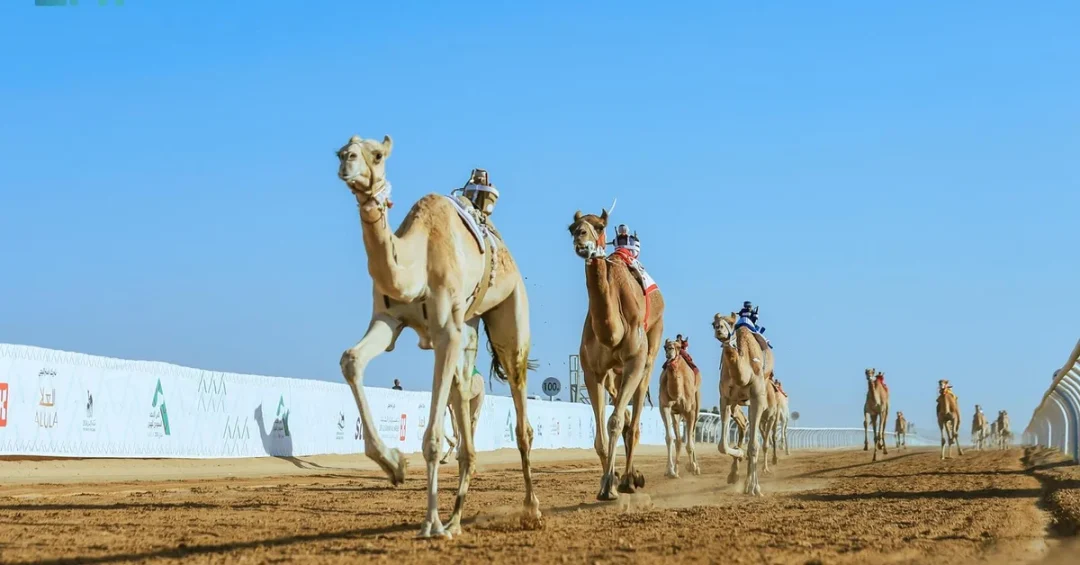
Saudi camel owners delivered a dominant performance at the fourth edition of the Saudi Camel Racing Federation Cup, held in Najran from October 1 to 5, 2024. According to the Saudi Press Agency (SPA), the Kingdom secured 10 of the 16 cups awarded during the first four days of competition, with the United Arab Emirates claiming five cups and Qatar taking one. Saudi camels also topped the overall standings, winning 71 of the 104 rounds contested, followed by Qatar with 14 rounds, the UAE with 12, Kuwait and Bahrain with three each, and Oman with one. The championship concludes on October 5 with 14 additional rounds.
Context and Background
Camel racing is a centuries-old tradition in the Arabian Peninsula, celebrated for its role in Bedouin culture and desert heritage. The Saudi Camel Racing Federation, established under the patronage of the Saudi government, organizes the annual Federation Cup to preserve this heritage while modernizing the sport. The fourth edition, hosted in Najran—a region in southwestern Saudi Arabia known for its historical significance along ancient trade routes—attracted top competitors from across the Gulf. This year’s event underscores Saudi Arabia’s commitment to cultural preservation and regional sports diplomacy, aligning with Vision 2030‘s goals to diversify entertainment and promote national identity.
Key Details
The competition featured 104 rounds over four days, with Saudi camels demonstrating exceptional speed and endurance. Notable victories included wins in marquee races, showcasing the deep expertise of Saudi breeders and trainers. The Saudi Camel Racing Federation allocated over SAR10 million in prize money, reflecting the event’s prestige and the Kingdom’s investment in traditional sports. The final day’s 14 rounds promise heightened excitement as owners vie for the remaining cups. The federation’s efforts to elevate camel racing to international standards include enhanced veterinary care, modern track facilities, and regulatory frameworks that ensure fair competition.
Implications and Impact
Saudi Arabia’s strong showing reinforces its leadership in preserving Gulf cultural heritage and fosters regional unity through friendly competition. The participation of UAE, Qatar, Kuwait, Bahrain, and Oman highlights the sport’s role in strengthening ties among Gulf Cooperation Council (GCC) nations. Economically, the event stimulates local businesses in Najran, from hospitality to handicrafts, contributing to rural development. Internationally, it raises the profile of camel racing as a unique sport, potentially attracting global tourists and enthusiasts. The federation’s initiatives also support youth engagement and women’s involvement behind the scenes, promoting inclusivity within traditional frameworks.
Vision 2030 Alignment
This championship exemplifies Vision 2030‘s cultural and economic objectives. By investing in heritage sports, Saudi Arabia preserves its identity while creating jobs, boosting tourism, and diversifying revenue streams. The federation’s work aligns with the Quality of Life Program, enhancing recreational offerings and community pride. As the Kingdom continues to host world-class events, camel racing stands as a symbol of Saudi Arabia’s blend of tradition and modernity, contributing to a vibrant society and a thriving economy.
20 Questions
Q1. What is the Saudi Camel Racing Federation Cup?
A1. The Saudi Camel Racing Federation Cup is an annual camel racing championship organized by the Saudi Camel Racing Federation. It aims to preserve traditional heritage, promote the sport, and offer substantial prize money to owners, in line with Vision 2030.
Q2. When and where was the fourth edition held?
A2. The fourth edition took place in Najran, Saudi Arabia, from October 1 to 5, 2024. Najran is a historic region in southwestern Saudi Arabia, known for its cultural significance and modern sports facilities.
Q3. How many cups did Saudi Arabia win?
A3. Saudi Arabia secured 10 cups during the first four days of the competition. The UAE claimed five cups, and Qatar won one, highlighting the Kingdom’s strong performance in the event.
Q4. How many rounds did Saudi camels win?
A4. Saudi camels won 71 out of 104 rounds held over four days. This dominant performance placed them at the top of the overall standings, ahead of Qatar and the UAE.
Q5. Which countries participated in the event?
A5. Participants included Saudi Arabia, the United Arab Emirates, Qatar, Kuwait, Bahrain, and Oman. The event fostered regional competition and strengthened cultural ties among Gulf Cooperation Council nations.
Q6. What was the total prize money?
A6. The Saudi Camel Racing Federation allocated over SAR10 million in prize money. This substantial sum reflects the event’s prestige and the Kingdom’s commitment to supporting camel owners and the sport.
Q7. How many rounds were held on the final day?
A7. The final day featured 14 rounds. These concluding races determined additional winners and added excitement to the championship, which concluded on October 5, 2024.
Q8. What is the significance of camel racing in Saudi culture?
A8. Camel racing is a traditional Bedouin sport that celebrates the Arabian Peninsula’s desert heritage. It symbolizes endurance, skill, and cultural pride, and remains a cherished activity across generations in Saudi Arabia.
Q9. How does the event align with Vision 2030?
A9. The event supports Vision 2030 by preserving cultural heritage, promoting tourism, and creating economic opportunities. It aligns with the Quality of Life Program, enhancing recreational activities and national identity.
Q10. What role does the Saudi Camel Racing Federation play?
A10. The federation organizes races, sets regulations, provides veterinary care, and works to elevate the sport internationally. It also supports camel owners and enthusiasts, ensuring the tradition thrives in modern times.
Q11. How did other Gulf countries perform?
A11. Qatar won 14 rounds, the UAE 12, Kuwait and Bahrain three each, and Oman one. Their participation highlights the regional appeal of camel racing and friendly competition among GCC nations.
Q12. What economic impact does the event have on Najran?
A12. The event boosts local businesses such as hotels, restaurants, and markets. It attracts visitors, generates revenue, and supports rural development, contributing to the region’s economic growth and visibility.
Q13. Are there any international participants?
A13. The event primarily features Gulf countries, but it garners international attention. The federation aims to expand its global reach, inviting broader participation and promoting camel racing as a unique cultural sport.
Q14. How are camels trained for such races?
A14. Camels undergo rigorous training focusing on speed, stamina, and obedience. Trainers use traditional methods combined with modern techniques, ensuring the animals’ health and performance are optimized for competition.
Q15. What safety measures are in place for the camels?
A15. The federation enforces strict veterinary checks, provides on-site medical care, and regulates race conditions. These measures ensure the well-being of camels and uphold ethical standards in the sport.
Q16. Can women participate in camel racing?
A16. While racing is traditionally male-dominated, women play roles as owners, trainers, and organizers. The federation encourages inclusivity, aligning with Vision 2030’s empowerment goals and promoting diversity in heritage sports.
Q17. How does the event promote Saudi tourism?
A17. By hosting international competitors and media, the event showcases Najran’s attractions and Saudi hospitality. It attracts tourists interested in cultural experiences, boosting the Kingdom’s tourism sector and global image.
Q18. What is the history of the Federation Cup?
A18. The Federation Cup was launched four years ago to revive and modernize camel racing. It has grown in prestige, attracting top competitors and significant investment, becoming a key event in Saudi Arabia’s sports calendar.
Q19. How does the event foster Gulf unity?
A19. The competition brings together Gulf nations in a spirit of sportsmanship and shared heritage. It strengthens diplomatic and cultural ties, promoting collaboration and mutual respect among GCC countries.
Q20. What future plans exist for the Federation Cup?
A20. The Saudi Camel Racing Federation plans to expand the event, increase prize money, and attract more international participants. These efforts aim to elevate the sport globally while preserving its cultural essence.
Reader Feedback
We value your thoughts. Please share your feedback on this article.
Your feedback helps us improve our coverage.
Related articles
 Princess Delayel Crowns Fencing Champions at Third Saudi Games
 Tunisian Olympic Committee President Visits Saudi Sports Arbitration Center
 Saudi Aikido Committee Shines at 14th International Summit in Japan
 French Golfer Celine Boutier Secures Victory at Aramco Team Series in Shenzhen
 Saudi Special Olympics Sailing Team Wins Gold in Dubai
 Saudi National Team Prepares for Japan World Cup Qualifier