


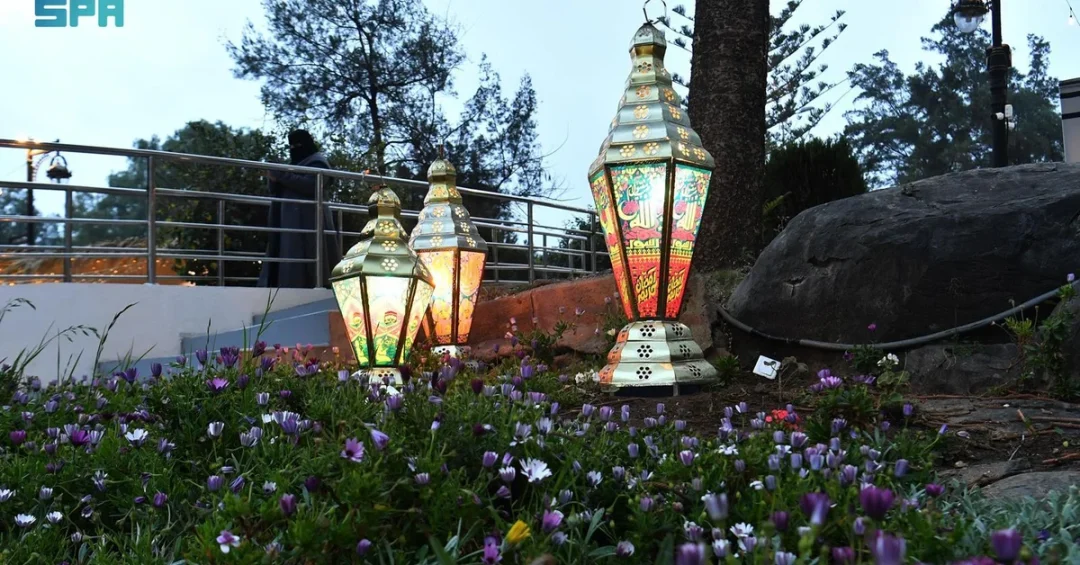
Abha, the capital of the Asir region in southwestern Saudi Arabia, welcomes the holy month of Ramadan with a distinctive blend of spirituality and natural beauty, as cool, foggy weather blankets the city’s mountains and valleys, creating an atmosphere that residents and visitors alike describe as truly unparalleled. According to the Saudi Press Agency (SPA), the city’s public squares, lush gardens, countryside inns, and cafés overlooking the Tihama slopes have transformed into lively gathering places where families and individuals come together to experience a Ramadan that harmonizes the serenity of nature with the richness of traditional flavors.
The report, released via official Saudi channels on March 12, 2025, highlights how Abha’s unique climate—characterized by misty evenings and refreshing temperatures—sets it apart from other Saudi destinations during the holy month. As the evening chill descends upon the highlands, the city’s open-air venues fill with the aromas of authentic Asiri cuisine, the sounds of communal conversation, and the warmth of shared traditions. This convergence of climate, culture, and community has positioned Abha as a premier Ramadan destination within the Kingdom, drawing both domestic travelers and international visitors seeking a spiritual retreat that is as visually captivating as it is spiritually fulfilling. Have you ever imagined breaking your fast amid rolling fog and mountain vistas?
Context and Background
Abha has long been celebrated as one of Saudi Arabia’s most scenic cities, nestled in the Asir Mountains at an elevation of approximately 2,270 meters above sea level. Its moderate climate, even during the summer months, has earned it the nickname “the Bride of the South,” and during Ramadan, this natural advantage becomes even more pronounced. The city’s geography—with its terraced slopes, dense juniper forests, and dramatic overlooks—provides a stunning backdrop for the spiritual practices and social gatherings that define the holy month. The SPA report notes that the combination of cool weather, breathtaking scenery, and authentic culinary delights makes Ramadan in Abha an experience that resonates deeply with both residents and travelers.
Historically, Abha and the wider Asir region have preserved a distinct cultural identity within Saudi Arabia, characterized by unique architectural styles, folk music, and culinary traditions that reflect the area’s agricultural heritage and mountain way of life. During Ramadan, these traditions come to the fore, as families prepare special dishes passed down through generations and communities organize events that celebrate both faith and cultural pride. The Asir region has also been a focus of the Kingdom’s tourism development efforts under Vision 2030, with investments in infrastructure, hospitality, and heritage preservation aimed at showcasing its natural and cultural assets to a global audience. Isn’t it remarkable how a single region can embody both ancient tradition and modern ambition?
The timing of this year’s Ramadan, falling in March, coincides with the tail end of Abha’s cooler season, when evening temperatures can dip significantly, especially in the mountains. This climatic pattern enhances the sense of coziness and togetherness that defines the holy month, as people gather indoors and in heated outdoor spaces to share meals and conversation. The SPA report emphasizes that the evening chill does not deter activity; rather, it adds to the allure, drawing people out to enjoy the crisp air and the camaraderie that Ramadan fosters.
Key Details
According to the Saudi Press Agency, Abha’s Ramadan experience is defined by a network of gathering spaces that cater to diverse preferences. The city’s public squares, such as those in the central Al Muftaha district, host nightly events including Quranic recitations, cultural performances, and children’s activities. Gardens and parks, including the renowned Abha High City and Al Soudah Park, offer families a chance to enjoy the outdoors while breaking their fast, with many venues setting up traditional majlis-style seating areas where strangers become friends over dates and Arabic coffee. Countryside inns, known locally as “istirahat,” provide a more intimate setting, often featuring home-cooked Asiri meals and panoramic views of the Tihama slopes below.
Cafés overlooking the Tihama slopes have become particularly popular, offering a modern twist on traditional Ramadan gatherings. These establishments serve a mix of classic Saudi dishes—such as jareesh, harees, and saleeg—alongside international fare, all while patrons take in the dramatic views of the coastal plain far below. The SPA report highlights that these venues are not just places to eat; they are spaces where the spiritual and the social intertwine, where the call to prayer echoes across the mountains, and where the shared experience of fasting and feasting strengthens community bonds. Have you ever tasted the distinct flavors of Asiri cuisine while watching the fog roll over the mountains?
Traditional flavors play a central role in Abha’s Ramadan identity. The region is known for its use of locally sourced ingredients, including honey from the Asir highlands, fresh herbs, and slow-cooked meats. Special Ramadan beverages, such as karkade (hibiscus tea) and tamarind juice, are staples on iftar tables, alongside dates from nearby farms. The SPA report notes that the authenticity of these culinary offerings adds a layer of cultural richness to the Ramadan experience, allowing visitors to connect with the region’s heritage through taste and smell. Many families also participate in the tradition of exchanging food with neighbors, a practice that reinforces social ties and ensures that no one breaks their fast alone.
International and Regional Impact
Abha’s emergence as a Ramadan destination has implications beyond the Kingdom’s borders. As Saudi Arabia continues to open up to international tourism under Vision 2030, destinations like Abha offer a compelling alternative to the more familiar urban experiences of Riyadh and Jeddah. The SPA report suggests that the city’s unique combination of climate, culture, and spirituality appeals to Muslim travelers from across the region and beyond who seek a Ramadan experience that is both authentic and refreshing. Visitors from the Gulf Cooperation Council (GCC) countries, in particular, have shown growing interest in Abha, drawn by its cooler temperatures and family-friendly atmosphere.
Regionally, Abha’s Ramadan offerings contribute to the broader narrative of Saudi Arabia as a destination that celebrates its cultural diversity. The Asir region’s distinct traditions—from its architecture to its music—are part of the Kingdom’s rich tapestry, and showcasing them during Ramadan helps to promote a more nuanced understanding of Saudi culture. The SPA report underscores that the city’s hospitality extends to all visitors, regardless of nationality, reflecting the Kingdom’s commitment to welcoming the world while preserving its values. Isn’t it inspiring to see how a local tradition can resonate on a global scale?
Furthermore, the success of Abha’s Ramadan season supports the Kingdom’s efforts to diversify its tourism offerings and extend the season beyond the traditional peak periods. By positioning Abha as a Ramadan destination, Saudi Arabia can attract visitors during a month that is traditionally associated with domestic gatherings, thereby boosting local economies and creating new opportunities for businesses in the hospitality and retail sectors.
Economic and Strategic Significance
The economic impact of Ramadan tourism in Abha is significant, particularly for small and medium-sized enterprises (SMEs) in the hospitality, food and beverage, and retail sectors. The SPA report indicates that local markets, restaurants, and inns experience a surge in activity during the holy month, providing a vital boost to the regional economy. This aligns with Vision 2030’s goal of increasing the contribution of SMEs to the national GDP and creating jobs for Saudi youth. Many of the businesses benefiting from Ramadan tourism are family-run, and the influx of visitors helps to sustain livelihoods and preserve traditional crafts and culinary skills.
Strategically, Abha’s Ramadan season is part of a larger effort to develop the Asir region as a year-round tourism destination. The Kingdom has invested heavily in infrastructure improvements, including the expansion of Abha International Airport and the development of new hotel and resort projects. These investments are designed to accommodate growing numbers of visitors and to ensure that the region can compete with other global mountain destinations. The SPA report notes that the combination of natural beauty, cultural heritage, and modern amenities makes Abha an attractive proposition for both domestic and international tourists, and that Ramadan serves as a showcase for the region’s potential. Could this be the beginning of a new era for mountain tourism in Saudi Arabia?
Moreover, the emphasis on authentic experiences aligns with global travel trends, where travelers increasingly seek meaningful connections with local cultures. Abha’s Ramadan offerings cater to this demand, providing visitors with opportunities to participate in traditions that have been practiced for generations. This not only enhances the visitor experience but also reinforces the sustainability of local cultural practices, as communities are incentivized to maintain and share their heritage.
Vision 2030 Alignment
The development of Abha as a Ramadan destination is a clear reflection of Vision 2030’s objectives to diversify the economy, promote tourism, and enhance the quality of life for citizens and residents. By leveraging its natural and cultural assets, Abha is contributing to the Kingdom’s goal of attracting 150 million visits annually by 2030. The Saudi Press Agency’s report highlights how the city’s Ramadan experience embodies the Vision’s emphasis on creating vibrant communities and showcasing Saudi Arabia’s unique heritage to the world. As the Kingdom continues to invest in tourism infrastructure and promote its regions, Abha stands as a shining example of how tradition and modernity can coexist harmoniously.
Looking ahead, the continued success of Abha’s Ramadan season will depend on sustained investment, thoughtful planning, and the active participation of local communities. The Kingdom’s leadership has consistently emphasized the importance of preserving cultural authenticity while embracing progress, and Abha’s approach—rooted in its natural environment and traditions—offers a model for other regions to follow. As the fog rolls over the mountains and the call to prayer echoes through the valleys, Abha welcomes the world to share in a Ramadan experience that is both deeply spiritual and uniquely Saudi. Isn’t it time to discover the magic of Abha for yourself?
20 Questions
Q1. What makes Ramadan in Abha unique compared to other Saudi cities?
A1. Abha’s high altitude and cool, foggy weather create a distinct atmosphere that blends spirituality with natural beauty. The city’s gardens, cafés, and countryside inns offer a refreshing setting for Ramadan gatherings, setting it apart from hotter, more urban destinations.
Q2. When did the Saudi Press Agency report on Abha’s Ramadan atmosphere?
A2. The Saudi Press Agency released the report on March 12, 2025, highlighting how Abha welcomes Ramadan with its unique charm, where spirituality merges with cool, foggy weather to create a captivating experience for visitors and residents.
Q3. Where do people gather in Abha during Ramadan evenings?
A3. Residents and visitors gather in Abha’s public squares, gardens, countryside inns, and cafés overlooking the Tihama slopes. These venues become lively spots for families and individuals seeking a Ramadan experience that combines nature with traditional flavors.
Q4. What traditional foods are popular in Abha during Ramadan?
A4. Traditional Asiri dishes such as jareesh, harees, and saleeg are popular, along with local honey, fresh herbs, and Ramadan beverages like karkade and tamarind juice. Dates from nearby farms are also staples on iftar tables.
Q5. How does the weather in Abha affect the Ramadan experience?
A5. The cool, foggy weather, especially in the evenings, adds a sense of coziness and togetherness. It encourages people to gather in heated outdoor spaces and enjoy the crisp mountain air while breaking their fast and socializing.
Q6. What role does Abha play in Saudi Arabia’s Vision 2030?
A6. Abha is a key part of Vision 2030’s tourism goals, showcasing the Kingdom’s natural and cultural assets. Investments in infrastructure and hospitality aim to attract more visitors and diversify the economy, aligning with the target of 150 million annual visits by 2030.
Q7. Are there international visitors in Abha during Ramadan?
A7. Yes, Abha attracts visitors from GCC countries and beyond, drawn by its cooler climate and family-friendly atmosphere. The city’s hospitality extends to all nationalities, reflecting Saudi Arabia’s openness to the world under Vision 2030.
Q8. What is the significance of the Tihama slopes in Abha’s Ramadan scene?
A8. The Tihama slopes provide a dramatic backdrop for cafés and inns, offering panoramic views that enhance the Ramadan experience. Visitors can enjoy traditional meals while overlooking the coastal plain, creating a memorable blend of nature and spirituality.
Q9. How do local businesses benefit from Ramadan tourism in Abha?
A9. Local businesses, especially SMEs in hospitality and food, see a surge in activity during Ramadan. This boosts the regional economy, creates jobs, and supports Vision 2030’s goal of increasing SME contributions to GDP.
Q10. What cultural traditions are observed in Abha during Ramadan?
A10. Traditions include exchanging food with neighbors, organizing Quranic recitations, and performing folk music. These practices reinforce community bonds and celebrate the Asir region’s distinct heritage, which is preserved and shared with visitors.
Q11. How accessible is Abha for travelers?
A11. Abha is accessible via Abha International Airport, which has undergone expansion to accommodate more flights. The city is also connected by modern roads, making it easy for domestic and international visitors to reach during Ramadan.
Q12. What types of accommodations are available in Abha during Ramadan?
A12. Visitors can choose from hotels, resorts, and traditional countryside inns known as istirahat. Many offer special Ramadan packages, including iftar and suhoor meals, and are designed to provide comfort and convenience during the holy month.
Q13. Does Abha’s Ramadan experience cater to families?
A13. Absolutely. Abha is known for its family-friendly environment, with parks, gardens, and safe public spaces. Many venues offer activities for children, and the overall atmosphere is welcoming and inclusive for all ages.
Q14. What is the significance of fog in Abha’s Ramadan atmosphere?
A14. The fog adds a mystical and serene quality to the city, enhancing the spiritual mood of Ramadan. It also creates a unique visual experience, as the misty mountains and valleys provide a stunning backdrop for gatherings and reflection.
Q15. How does Abha’s Ramadan compare to other global mountain destinations?
A15. Abha offers a distinct blend of Saudi hospitality, Islamic spirituality, and natural beauty that is hard to find elsewhere. Its cool climate and authentic cultural experiences make it a unique alternative to other mountain retreats, especially during Ramadan.
Q16. Are there any special events or festivals in Abha during Ramadan?
A16. Yes, the city hosts various events, including cultural performances, religious lectures, and children’s activities. These are often organized in public squares and gardens, adding to the festive yet spiritual atmosphere of the month.
Q17. What is the best time to visit Abha during Ramadan?
A17. The evenings are particularly magical, as the city comes alive after sunset with iftar gatherings and social activities. The cool weather and foggy conditions create a cozy ambiance that is ideal for experiencing Abha’s Ramadan charm.
Q18. How does Abha’s Ramadan experience reflect Saudi Arabia’s cultural diversity?
A18. Abha showcases the Asir region’s unique traditions, from its cuisine to its architecture and music. This highlights the Kingdom’s cultural diversity and aligns with Vision 2030’s goal of celebrating and preserving Saudi heritage.
Q19. What impact does Ramadan tourism have on Abha’s local community?
A19. It brings economic benefits, fosters community pride, and encourages the preservation of local traditions. Residents actively participate in hosting visitors, sharing their culture, and strengthening social ties, which enhances the overall quality of life.
Q20. How can international visitors make the most of their Ramadan trip to Abha?
A20. Visitors should immerse themselves in local customs, try traditional dishes, explore the natural scenery, and participate in community events. Respecting local traditions and engaging with residents will enrich the experience and create lasting memories.
Reader Feedback
We value your thoughts. Please share your feedback on this article.
Your feedback helps us improve our coverage.
Related articles
 Jeddah Art Promenade Ignites Ramadan Joy on the Red Sea
 Saudi Red Sea Authority Boosts Yacht Tourism
 Al-Fas-h Mosque in Madinah Revitalized
 Tourism Ministry Engages Makkah Hotel Managers to Enhance Pilgrims’ Experience
 Najran’s Rural Tourism Draws Visitors with Stunning Views, Rich Culture
 Visitors Hail Prophet’s Biography Museum as Unique Ramadan Experience