


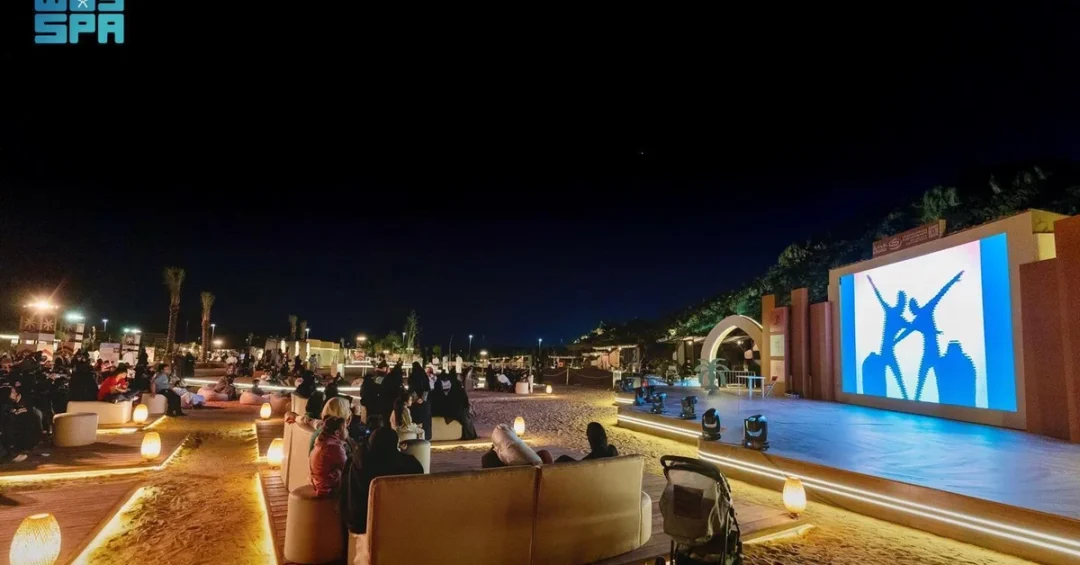
The Canal of Zubaida, known as Ain Zubaida, has become a premier cultural and recreational destination in Makkah, offering visitors a blend of historical storytelling, interactive experiences, and outdoor activities. As reported by the Saudi Press Agency (SPA), the site attracts diverse audiences with its unique combination of heritage and entertainment, set against a vibrant winter atmosphere.
Context and Background
Ain Zubaida is a historic canal system dating back to the Abbasid era, originally built to provide water for pilgrims traveling to Makkah. Today, it stands as a testament to Saudi Arabia’s commitment to preserving its cultural heritage while promoting tourism and community engagement under Vision 2030. The site’s revitalization aligns with the Kingdom’s goals of sustainable development and cultural preservation.
Key Details
The 1.2-kilometer hiking trail at Ain Zubaida offers a distinctive experience for both amateur and professional hikers, set against the backdrop of one of the region’s most significant historical landmarks. Additionally, the site features a theater that narrates the canal’s history through live performances, which have garnered enthusiastic responses from visitors. Interactive exhibits and cultural activities further enrich the visitor experience.
Implications and Impact
Ain Zubaida’s transformation into a multifunctional tourist destination highlights Saudi Arabia’s efforts to leverage its historical assets for economic and social benefits. By integrating sports, culture, and entertainment, the site serves as a model for sustainable tourism development. It also strengthens Makkah’s position as a global destination, appealing to both pilgrims and international tourists.
Vision 2030 Alignment
The development of Ain Zubaida directly supports Saudi Arabia’s Vision 2030 objectives, particularly in the areas of tourism, cultural preservation, and quality of life. By transforming historical sites into vibrant community hubs, the Kingdom is fostering a deeper connection between its rich heritage and modern aspirations, ensuring sustainable growth for future generations.
20 Questions
Q1. What is Ain Zubaida?
A1. Ain Zubaida is a historic canal system in Makkah, originally built during the Abbasid era to provide water for pilgrims. Today, it serves as a cultural and recreational landmark.
Q2. Where is Ain Zubaida located?
A2. Ain Zubaida is located in Makkah, Saudi Arabia, and is a significant historical site associated with the pilgrimage routes.
Q3. What activities are available at Ain Zubaida?
A3. Visitors can enjoy hiking, live theater performances, interactive exhibits, and cultural activities that highlight the site’s heritage.
Q4. How long is the hiking trail at Ain Zubaida?
A4. The hiking trail spans 1.2 kilometers, offering a unique experience for both amateur and professional hikers.
Q5. What is the historical significance of Ain Zubaida?
A5. Ain Zubaida was constructed to provide water for pilgrims traveling to Makkah, making it a vital part of the region’s history and infrastructure.
Q6. How does Ain Zubaida contribute to Saudi Arabia’s tourism?
A6. The site attracts diverse visitors by combining history, culture, and entertainment, aligning with the Kingdom’s goals to boost tourism under Vision 2030.
Q7. What kind of performances are held at Ain Zubaida?
A7. The site features live theater performances that recount the history of the canal and its role in serving pilgrims.
Q8. How has the public responded to Ain Zubaida’s offerings?
A8. Visitors have shown enthusiastic engagement with the interactive experiences and live performances, according to the Saudi Press Agency.
Q9. What is the connection between Ain Zubaida and Vision 2030?
A9. The site’s development supports Vision 2030 by promoting tourism, cultural preservation, and sustainable community development.
Q10. Who built Ain Zubaida?
A10. The canal was constructed during the Abbasid era under the patronage of Zubaida, the wife of Caliph Harun al-Rashid.
Q11. What makes Ain Zubaida unique?
A11. Its combination of historical significance, cultural storytelling, and recreational activities makes it a one-of-a-kind destination.
Q12. How does Ain Zubaida promote cultural preservation?
A12. Through live performances, interactive exhibits, and educational activities, the site brings its history to life for modern audiences.
Q13. What is the best time to visit Ain Zubaida?
A13. The winter season offers a pleasant atmosphere for outdoor activities and cultural events at the site.
Q14. How does Ain Zubaida serve the local community?
A14. The site provides recreational and educational opportunities, fostering a sense of pride and connection to the region’s heritage.
Q15. What are the future plans for Ain Zubaida?
A15. While specific plans are not detailed, the site’s success suggests continued development as a cultural and tourist hub.
Q16. How does Ain Zubaida align with sustainable development?
A16. By repurposing a historical landmark for modern use, the site exemplifies sustainable tourism and community engagement.
Q17. What role does Ain Zubaida play in Makkah’s identity?
A17. It reinforces Makkah’s status as a city rich in history and culture, appealing to both pilgrims and tourists.
Q18. Are there any entry fees for Ain Zubaida?
A18. The original article does not specify entry fees, but visitors are encouraged to check official sources for the latest information.
Q19. How can visitors learn more about Ain Zubaida’s history?
A19. The site’s theater performances and interactive exhibits provide detailed insights into its historical significance.
Q20. Why is Ain Zubaida important for Saudi Arabia’s future?
A20. It represents the Kingdom’s commitment to preserving its heritage while embracing modern tourism and community development under Vision 2030.
Reader Feedback
We value your thoughts. Please share your feedback on this article.
Your feedback helps us improve our coverage.