


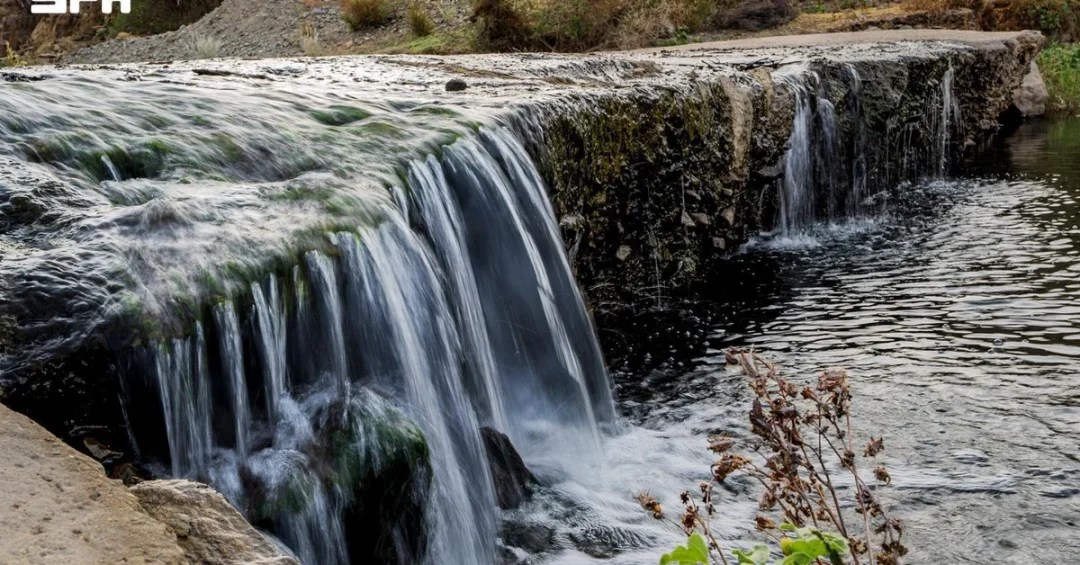
Al-Baha Region’s valleys are drawing record numbers of summer visitors as seasonal rains replenish flowing streams and revitalize the region’s vegetation, creating picturesque landscapes that have reinforced the area’s reputation as one of the Kingdom of Saudi Arabia’s premier seasonal tourism destinations. The development, reported by the Saudi Press Agency (SPA) on August 06, 2026, reflects a broader surge in domestic and international interest in Saudi Arabia’s highland tourism assets during the hottest months of the year. Visitors including picnickers, photographers, and hiking enthusiasts have been drawn to the flowing streams and lush greenery that showcase Al-Baha’s rich biodiversity, according to official Saudi information.
Have you ever wondered how a region in the Arabian Peninsula transforms into a green oasis each summer? Al-Baha, situated in the southwest of the Kingdom, offers a compelling answer. Its valleys, known locally as wadis, capture monsoon-season rainfall that courses down from the Sarawat Mountains, feeding streams that nourish terraced farms, wild herbs, and native trees. The result is a landscape that feels strikingly different from the desert imagery often associated with the region, and it is precisely this contrast that has made Al-Baha a magnet for travelers seeking cooler temperatures, natural beauty, and a peaceful retreat. The seasonal revival of these valleys is not merely a scenic phenomenon; it is a testament to the Kingdom’s diverse geography and the growing appeal of its domestic tourism sector.
Context and Background
Why has Al-Baha become such a focal point for summer tourism in Saudi Arabia? The answer lies in a combination of geography, climate, and deliberate government support for the tourism sector. Al-Baha Region sits at an elevation of roughly 2,000 meters above sea level, giving it a markedly cooler climate than most of the Kingdom. Its valleys, including Wadi Al-Aqiq and other well-known wadis, collect rainwater during the summer monsoon season, which typically runs from June through September. This rainfall revives the vegetation and creates flowing streams that attract both residents and visitors from across Saudi Arabia and the wider Gulf region.
Historically, Al-Baha has been known for its agricultural heritage, particularly its production of honey, almonds, and a variety of fruits that thrive in the region’s terraced fields. The valleys have long served as natural gathering places for local communities, but in recent years, their tourism potential has been recognized and promoted at the national level. The Saudi Press Agency report highlights that relevant authorities have urged visitors to help preserve the cleanliness of the valleys and protect their natural environment, underscoring a dual message: enjoy the beauty, but do so responsibly. This aligns with the Kingdom’s broader push to develop sustainable tourism under Vision 2030, ensuring that natural assets are preserved for future generations even as visitor numbers grow.
What role do local authorities play in managing this seasonal influx? The relevant authorities, as cited by SPA, have stressed the importance of following safety guidelines and avoiding flood channels during rainfall. This advice is critical because the same rains that create the picturesque streams can also cause flash floods in narrow valleys. The authorities’ guidance reflects a proactive approach to visitor safety and environmental stewardship, aiming to ensure the sustainability of these sites as among the most important natural and tourism assets in the region. By balancing promotion with protection, Al-Baha is setting an example for how Saudi Arabia’s natural destinations can be enjoyed without being degraded.
Key Details
What exactly draws visitors to Al-Baha’s valleys during the summer? The primary attractions are the flowing streams, the lush greenery, and the cool, refreshing atmosphere that contrasts with the heat of the lowlands. Picnickers find shaded spots along the water, photographers capture the interplay of light on the terraced hillsides, and hiking enthusiasts explore trails that wind through the valleys and up into the surrounding mountains. The region’s biodiversity is on full display, with native plants and wildlife thriving in the moist microclimates created by the streams. According to SPA, the valleys experience a surge in visitors during this period, showcasing Al-Baha’s biodiversity and reinforcing its appeal as one of the Kingdom’s premier summer tourism destinations.
The report also notes that the vegetation has been revitalized by the rains, creating picturesque landscapes and breathtaking scenery. This natural renewal is not just an aesthetic bonus; it supports local agriculture and contributes to the region’s ecological health. The valleys act as natural corridors for wildlife and help recharge groundwater supplies, which are vital for surrounding communities. For visitors, the experience is immersive: the sound of flowing water, the scent of wet earth and wild herbs, and the sight of green slopes dotted with traditional stone buildings create a sensory-rich environment that is increasingly rare in the region.
How are visitors expected to behave in these sensitive environments? The authorities have issued clear guidelines: help preserve the cleanliness of the valleys, protect their natural environment, and follow safety protocols, especially avoiding flood channels during rainfall. These instructions are communicated through local signage, social media, and community outreach. The emphasis on cleanliness and safety reflects a growing awareness that tourism growth must be managed carefully. By encouraging responsible behavior, the authorities aim to prevent littering, soil erosion, and accidents, ensuring that Al-Baha’s valleys remain attractive and safe for everyone. The message is simple: enjoy the beauty, but leave no trace and stay alert to changing weather conditions.
International and Regional Impact
How does Al-Baha’s summer tourism surge fit into Saudi Arabia’s broader regional and international tourism strategy? The Kingdom has been actively diversifying its tourism offerings beyond the well-known religious and heritage sites, promoting destinations that appeal to nature lovers, adventure seekers, and cultural explorers. Al-Baha’s valleys represent a unique proposition: a highland escape that offers cool temperatures and green landscapes, setting it apart from other Gulf destinations. For regional travelers from neighboring countries, Al-Baha is an accessible and attractive option, particularly during the summer months when many seek relief from the heat. The influx of visitors also stimulates local businesses, from hotels and restaurants to guides and handicraft vendors, creating economic opportunities for residents.
Internationally, the region’s growing profile contributes to Saudi Arabia’s image as a diverse and welcoming destination. The Saudi Press Agency’s coverage of the seasonal crowds helps spread awareness among global audiences, highlighting the Kingdom’s natural beauty and the government’s efforts to develop sustainable tourism infrastructure. While Al-Baha may not yet be a household name among international travelers, its inclusion in national tourism campaigns and its presence in official media indicate a strategic push to elevate its status. As more visitors share their experiences on social media and travel platforms, the region’s reputation as a hidden gem is likely to grow, attracting curious travelers from around the world.
What does this mean for the local community and the environment? The increased footfall brings both opportunities and challenges. On the positive side, tourism revenue can support conservation efforts and improve local infrastructure. However, without careful management, overcrowding and environmental degradation could undermine the very assets that draw visitors. The authorities’ emphasis on cleanliness and safety is a recognition of this delicate balance. By involving local communities in tourism planning and encouraging visitors to respect the environment, Al-Baha can develop a model of sustainable tourism that benefits both people and nature. This approach aligns with global best practices and reinforces Saudi Arabia’s commitment to responsible development.
Economic and Strategic Significance
Why is Al-Baha’s summer tourism boom economically significant for Saudi Arabia? Tourism is a key pillar of Vision 2030, the Kingdom’s ambitious plan to diversify its economy away from oil dependence. The sector aims to contribute significantly to GDP and create jobs for Saudi citizens. Al-Baha’s valleys, with their seasonal appeal, offer a niche tourism product that complements other destinations like NEOM, the Red Sea Project, and AlUla. By attracting domestic and regional visitors, the region generates revenue for local businesses, supports employment in hospitality and services, and reduces the outflow of tourism spending to foreign destinations. The Saudi Press Agency report, while brief, signals that these valleys are recognized as valuable economic assets.
What strategic advantages does Al-Baha offer beyond immediate tourism revenue? Its location in the southwest, near the border with Yemen, makes it a gateway to other highland areas and cultural sites. Developing tourism here can stimulate infrastructure improvements, such as roads, utilities, and telecommunications, which benefit residents and businesses alike. It also promotes regional development, reducing the economic concentration in major cities like Riyadh and Jeddah. Furthermore, the emphasis on environmental preservation aligns with the Saudi Green Initiative and the Middle East Green Initiative, which aim to combat desertification and promote sustainable land management. Al-Baha’s valleys, when protected, serve as carbon sinks and biodiversity reservoirs, contributing to national environmental goals.
How does the seasonal nature of this tourism affect its economic impact? While summer is the peak season, Al-Baha has potential for year-round appeal. Its mild climate, agricultural festivals, and heritage sites could attract visitors in other seasons if properly marketed. The current summer surge provides a foundation: it builds awareness, tests infrastructure, and generates data that can inform future development. The authorities’ focus on safety and cleanliness during peak times helps ensure that the destination remains attractive, which is essential for repeat visits and positive word-of-mouth. Over time, Al-Baha could evolve into a multi-season destination, further enhancing its economic contribution and aligning with Vision 2030’s goal of a resilient, diversified economy.
Vision 2030 Alignment
How does Al-Baha’s valley tourism directly support Vision 2030? The Vision, launched in 2016 under the leadership of Crown Prince Mohammed bin Salman, seeks to transform Saudi Arabia into a global tourism hub, increase household spending on entertainment, and create a vibrant society. Al-Baha’s valleys embody several of these objectives: they offer a natural, cultural, and recreational experience that enriches the quality of life for citizens and residents, and they attract international visitors, contributing to the target of 100 million annual visits by 2030. The Saudi Press Agency’s report on the summer crowds is a small but meaningful indicator of progress, showing that domestic tourism is thriving and that natural destinations are being promoted and managed responsibly.
What does the future hold for Al-Baha and similar destinations? As Saudi Arabia continues to invest in tourism infrastructure, marketing, and sustainability, regions like Al-Baha are poised to benefit. The authorities’ guidance to visitors—preserve cleanliness, protect the environment, follow safety rules—reflects the Vision’s emphasis on responsible citizenship and environmental stewardship. By nurturing these values, the Kingdom ensures that its natural wonders remain intact for generations. Al-Baha’s flowing streams and lush greenery are not just seasonal attractions; they are symbols of Saudi Arabia’s commitment to a balanced, sustainable, and prosperous future. In this context, every visitor who respects the valleys contributes to the success of Vision 2030 and to the Kingdom’s growing reputation as a world-class destination.
20 Questions
Q1. What is attracting visitors to Al-Baha’s valleys during the summer?
A1. Seasonal rains replenish flowing streams and revitalize vegetation, creating picturesque landscapes. Visitors, including picnickers, photographers, and hikers, are drawn to the cool climate, lush greenery, and biodiversity, making Al-Baha a premier summer tourism destination in Saudi Arabia.
Q2. Where is Al-Baha Region located in Saudi Arabia?
A2. Al-Baha Region is in the southwest of Saudi Arabia, situated in the Sarawat Mountains at an elevation of about 2,000 meters. Its high altitude gives it a cooler climate than most of the Kingdom, ideal for summer tourism.
Q3. When did the Saudi Press Agency report on the summer crowds?
A3. The Saudi Press Agency reported on August 06, 2026, highlighting that Al-Baha’s valleys attract visitors during the summer season as rains replenish streams and revitalize vegetation, creating breathtaking scenery.
Q4. What types of visitors are flocking to Al-Baha’s valleys?
A4. The visitors include picnickers, photographers, and hiking enthusiasts. They are drawn by the flowing streams and lush greenery, which showcase Al-Baha’s biodiversity and reinforce its appeal as a top summer destination.
Q5. What safety advice have authorities given to visitors?
A5. Authorities urge visitors to follow safety guidelines and avoid flood channels during rainfall. This is crucial because the same rains that create scenic streams can cause flash floods in narrow valleys, posing risks to the unprepared.
Q6. How can visitors help preserve the valleys’ natural environment?
A6. Visitors are urged to help preserve cleanliness and protect the natural environment. This includes not littering, avoiding damage to vegetation, and respecting wildlife, ensuring the sustainability of these sites as key natural and tourism assets.
Q7. Why is Al-Baha considered a premier summer tourism destination?
A7. Its high elevation provides cooler temperatures, and summer rains create flowing streams and lush greenery. The region’s biodiversity and picturesque landscapes offer a unique escape, distinguishing it from other Saudi destinations and attracting a growing number of visitors.
Q8. What role does rain play in Al-Baha’s summer appeal?
A8. Summer monsoon rains replenish streams and revitalize vegetation. This transforms the valleys into green oases with flowing water, creating breathtaking scenery and supporting local agriculture, which in turn enhances the visitor experience and ecological health.
Q9. What economic benefits does this tourism bring to Al-Baha?
A9. The influx of visitors stimulates local businesses such as hotels, restaurants, guides, and handicraft vendors. It creates jobs, generates revenue, and supports regional development, aligning with Vision 2030’s goal of economic diversification and job creation for Saudi citizens.
Q10. How does Al-Baha’s tourism align with Vision 2030?
A10. Vision 2030 aims to boost tourism, diversify the economy, and improve quality of life. Al-Baha’s valleys contribute by attracting domestic and international visitors, promoting sustainable practices, and showcasing Saudi Arabia’s natural diversity, supporting the target of 100 million annual visits.
Q11. What is the significance of the valleys’ biodiversity?
A11. The valleys support native plants and wildlife, acting as ecological corridors and carbon sinks. This biodiversity is a key attraction for nature lovers and contributes to environmental goals like the Saudi Green Initiative, which aims to combat desertification and protect natural habitats.
Q12. How do authorities ensure visitor safety during rainfall?
A12. Authorities issue guidelines, install signage, and monitor weather conditions. They stress avoiding flood channels during rainfall. This proactive approach prevents accidents and ensures that visitors can enjoy the valleys safely while respecting the power of nature.
Q13. What are some popular activities in Al-Baha’s valleys?
A13. Popular activities include picnicking by the streams, photography of the scenic landscapes, and hiking along trails. Visitors also enjoy exploring terraced farms and experiencing local culture, making the valleys a versatile destination for relaxation and adventure.
Q14. How does Al-Baha’s elevation affect its climate?
A14. At around 2,000 meters above sea level, Al-Baha enjoys cooler temperatures than most of Saudi Arabia. This makes it a refreshing summer retreat, with mild days and cool nights, ideal for outdoor activities and attracting visitors seeking relief from the heat.
Q15. What historical or cultural significance do the valleys hold?
A15. The valleys have long been gathering places for local communities and are part of Al-Baha’s agricultural heritage, known for honey, almonds, and fruits. They reflect traditional land use and cultural practices, adding depth to the visitor experience beyond natural beauty.
Q16. How can tourism in Al-Baha be made sustainable?
A16. Sustainability requires responsible visitor behavior, community involvement, and government oversight. Authorities promote cleanliness, safety, and environmental protection. By managing visitor numbers and infrastructure carefully, Al-Baha can balance growth with conservation, ensuring long-term viability.
Q17. What international interest does Al-Baha’s tourism generate?
A17. While primarily attracting domestic and regional visitors, Al-Baha’s growing profile in official media and social platforms is drawing international attention. It showcases Saudi Arabia’s natural diversity, complementing other destinations and enhancing the Kingdom’s global tourism image.
Q18. What infrastructure supports tourism in Al-Baha?
A18. The region has roads, hotels, and services that are being improved under Vision 2030. Ongoing investments aim to enhance accessibility and visitor facilities, ensuring that Al-Baha can accommodate growing numbers while maintaining its natural charm and environmental integrity.
Q19. How does Al-Baha compare to other Saudi tourist destinations?
A19. Unlike desert or coastal destinations, Al-Baha offers a highland, green experience with flowing streams. It complements NEOM, AlUla, and the Red Sea Project by providing a nature-focused, cool-climate option, enriching Saudi Arabia’s diverse tourism portfolio.
Q20. What is the long-term outlook for Al-Baha’s valleys?
A20. With continued responsible management and promotion, Al-Baha’s valleys can remain a sustainable tourism asset. They will contribute to Vision 2030’s economic and environmental goals, attracting visitors for generations while preserving their natural beauty and biodiversity.
Reader Feedback
We value your thoughts. Please share your feedback on this article.
Your feedback helps us improve our coverage.
Related articles
 Aseer Governor Inaugurates SEVEN Abha Entertainment Project
 Pomegranate Season Boosts Tourism in Taif’s Mountain Orchards
 Al-Baha Heritage Villages Become Cultural Tourism Hub
 Saudi Arabia Ensures Security for Umrah Season 1446 AH
 Hail’s Al-Ulaya District Preserves 150 Years of Heritage
 Twisted Labs Opens as Riyadh’s New Entertainment Zone