


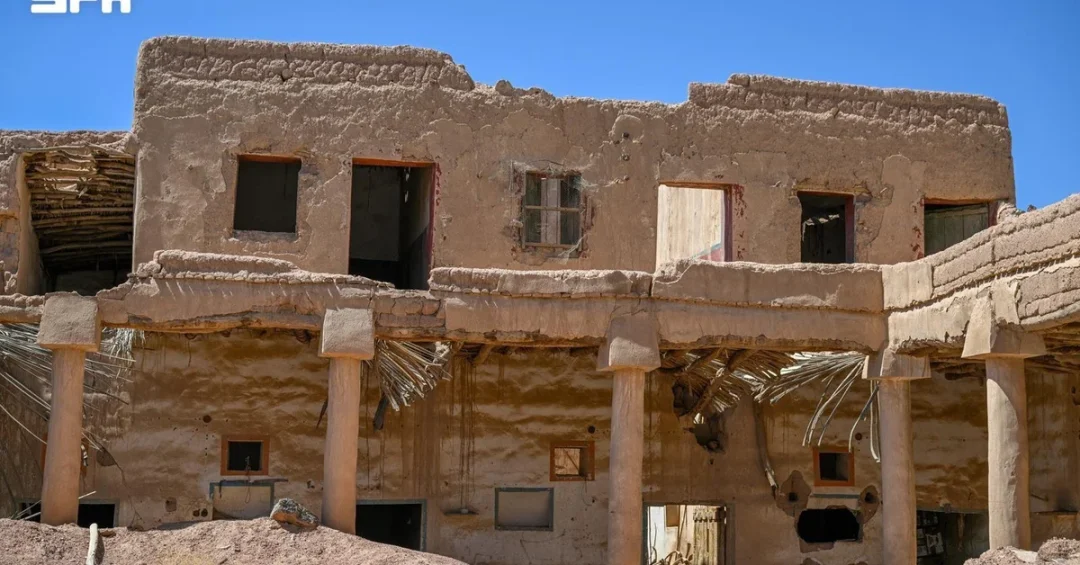
Al-Ulaya historical district in Hail is being preserved as a key heritage landmark that safeguards more than 150 years of the city’s architectural and social history, according to information released by the Saudi Press Agency (SPA). The district, located in Hail’s former commercial center, retains authentic Najdi architectural features through its traditional mud-brick structures, narrow passageways, and reception rooms decorated with stucco carvings and traditional motifs.
The announcement highlights the Kingdom of Saudi Arabia’s expanding commitment to documenting and protecting the urban heritage of its regions while opening them to visitors from around the world. Al-Ulaya is not simply a collection of old buildings; it is a living record of how generations of Hail residents lived, traded, welcomed guests, and built community in the heart of the northern Saudi city. For international audiences, the district offers a tangible entry point into understanding Najdi architecture, a style distinguished by its earth-toned materials, climate-responsive design, and intricate decorative arts. Ongoing rehabilitation and heritage preservation efforts focus on maintaining Al-Ulaya’s local identity while enhancing its cultural and tourism appeal, ensuring that the site continues to attract visitors, researchers, and architecture enthusiasts. The district also serves as an educational hub for Hail’s urban development and cultural legacy, connecting the past to the present in a way that resonates with the Kingdom’s broader modernization story.
Context and Background
What makes a historic district like Al-Ulaya worth preserving in an era of rapid urban growth? The answer lies in the layered history that Hail carries as a regional center of trade, culture, and hospitality in northern Saudi Arabia. Al-Ulaya sits in what was once the city’s commercial heart, a place where merchants, craftsmen, and travelers converged. Its mud-brick buildings were constructed using locally available materials and techniques refined over generations, producing structures that responded naturally to the desert climate. Thick walls moderated extreme temperatures, narrow passageways channeled breezes and provided shade, and reception rooms known as diwaniyas hosted gatherings that shaped social and commercial life.
The architectural vocabulary of Al-Ulaya reflects the wider Najdi tradition found across central and northern Saudi Arabia. Stucco carvings and traditional motifs adorn interior walls and reception areas, turning private and semi-public spaces into expressions of identity and craftsmanship. These details are not ornamental afterthoughts; they communicate status, hospitality, and cultural continuity. Preserving them requires specialized knowledge of traditional building materials, from mud brick and straw to gypsum and wood, as well as an understanding of how these materials behave over time in Hail’s climate. The SPA report notes that rehabilitation efforts are underway with a clear focus on maintaining the district’s local identity. That emphasis matters because heritage work can easily drift toward generic restoration if it does not center the specific techniques and social functions of the place.
Al-Ulaya’s story also intersects with Hail’s broader urban development. As the city expanded beyond its historic core, older districts faced pressure from neglect, changing commercial patterns, and modern construction. The current preservation push represents a deliberate choice to treat that heritage as an asset rather than an obstacle. By documenting and restoring the district, Saudi authorities are creating a reference point for how Hail evolved and a resource for planners, historians, and residents alike.
Key Details of the Preservation Effort
What exactly is being preserved inside Al-Ulaya, and why does each element matter? According to the Saudi Press Agency, the district retains authentic Najdi architectural features, including traditional mud-brick structures, narrow passageways, and reception rooms decorated with stucco carvings and traditional motifs. Each of these components tells part of the story. The mud-brick structures demonstrate a construction method that used earth, water, and organic binders to create durable walls suited to the environment. The narrow passageways reflect an urban logic that prioritized shade, airflow, and defensibility while fostering close-knit neighborhood life. The reception rooms, with their carved stucco decoration, represent the social heart of the district, where guests were received and community ties reinforced.
The rehabilitation work is described as ongoing, with a dual objective: maintaining Al-Ulaya’s local identity and enhancing its cultural and tourism appeal. That combination is significant. It means preservation is not treated as a purely antiquarian exercise but as a platform for cultural tourism, education, and local economic activity. Visitors and architecture enthusiasts continue to be drawn to the district, and its role as an educational hub for Hail’s urban development and cultural legacy is explicitly recognized. For students of architecture, urban planning, and heritage conservation, Al-Ulaya offers a compact case study in how traditional Najdi design solved practical problems while producing spaces of genuine beauty.
The district’s location in Hail’s former commercial center adds another layer of meaning. Commercial cores in historic Saudi cities were often the most cosmopolitan and dynamic areas, connecting local producers to regional and international trade routes. Preserving Al-Ulaya therefore preserves evidence of Hail’s economic history alongside its architectural heritage. The careful attention to stucco carvings and traditional motifs also signals a commitment to craftsmanship, supporting the idea that heritage skills remain relevant in contemporary Saudi Arabia.
International and Regional Impact
How does the preservation of a single district in northern Saudi Arabia resonate beyond the Kingdom’s borders? Heritage sites increasingly function as diplomatic and cultural bridges. When international visitors walk through Al-Ulaya’s passageways and see its carved reception rooms, they encounter a narrative of Saudi history that is specific, human, and rooted in place. That experience complements the Kingdom’s broader efforts to present its culture to global audiences, from UNESCO-listed sites to contemporary cultural festivals. For regional neighbors, Al-Ulaya stands as an example of how Gulf cities can integrate historic cores into modern urban strategies rather than erasing them.
Architecture enthusiasts and researchers from around the world have a direct stake in sites like Al-Ulaya. Najdi architecture is studied for its environmental intelligence, its use of local materials, and its decorative traditions. A well-preserved district provides primary evidence that photographs and drawings cannot fully replace. It also creates opportunities for academic exchange, restoration training, and comparative study with other earthen architecture traditions in the Middle East, North Africa, and beyond. In this sense, Al-Ulaya contributes to a global conversation about sustainable building and the value of indigenous knowledge.
Economic and Strategic Significance
What economic value can a historic district generate without compromising its authenticity? Cultural tourism is one of the fastest-growing segments of the global travel market, and heritage districts are among its most compelling attractions. Al-Ulaya’s ability to draw visitors supports local businesses, guides, artisans, and hospitality providers. It also creates incentives to maintain surrounding infrastructure and public spaces. By enhancing the district’s cultural and tourism appeal while preserving its identity, the rehabilitation effort aims to capture these benefits without turning the area into a generic attraction.
Strategically, heritage preservation strengthens national identity and social cohesion. Al-Ulaya connects contemporary Saudis to the lives of their ancestors and gives younger generations a tangible sense of place. It also supports the Kingdom’s goal of diversifying regional economies by developing tourism assets outside the major metropolitan centers. Hail, with its distinctive history and geography, is well positioned to benefit. The district’s educational role adds a human-capital dimension: students and professionals who study its urban development contribute to a growing pool of expertise in conservation, design, and cultural management.
Vision 2030 Alignment
How does a 150-year-old district fit into a forward-looking national transformation? Saudi Vision 2030 emphasizes the preservation and promotion of Saudi heritage as part of a broader effort to diversify the economy, enrich quality of life, and showcase the Kingdom’s culture to the world. Al-Ulaya embodies that vision in concrete form. Its rehabilitation aligns with goals to develop tourism, create cultural opportunities, and strengthen national pride, while its educational function supports knowledge transfer and skills development. The district demonstrates that modernization and heritage are complementary, not competing, priorities.
As work continues, Al-Ulaya is expected to remain a destination for visitors, a resource for researchers, and a source of pride for Hail’s residents. Its mud-brick walls, shaded passageways, and carved reception rooms tell a story of ingenuity and hospitality that reaches across generations. By preserving this legacy, the Kingdom is investing in a future where Saudi culture is celebrated at home and understood abroad, and where the lessons of the past continue to inform the cities of tomorrow.
20 Questions
Q1. What is Al-Ulaya historical district?
A1. Al-Ulaya is a heritage district in Hail, Saudi Arabia, located in the city’s former commercial center. It preserves more than 150 years of architectural and social history through traditional mud-brick structures, narrow passageways, and decorated reception rooms.
Q2. Where is Al-Ulaya located?
A2. Al-Ulaya is located in Hail, a city in northern Saudi Arabia. It occupies part of Hail’s former commercial center, which was historically a hub of trade and community life in the region.
Q3. How old is the heritage preserved in Al-Ulaya?
A3. The district preserves architectural and social history spanning over 150 years, according to the Saudi Press Agency. This makes it a significant record of Hail’s urban and cultural development across generations.
Q4. What architectural style is found in Al-Ulaya?
A4. Al-Ulaya features authentic Najdi architectural features. This style is characterized by mud-brick construction, narrow passageways, and reception rooms decorated with stucco carvings and traditional motifs suited to the desert climate.
Q5. What are the main building materials in Al-Ulaya?
A5. The district’s traditional structures are built primarily from mud brick. This locally available material was used with refined techniques to create durable walls that moderate temperature and suit Hail’s climate.
Q6. What are reception rooms in Al-Ulaya used for?
A6. Reception rooms in Al-Ulaya served as social and hospitality spaces where guests were welcomed and community ties strengthened. They are decorated with stucco carvings and traditional motifs that reflect cultural identity.
Q7. Why are narrow passageways important in the district?
A7. Narrow passageways in Al-Ulaya provided shade, channeled breezes, and supported close-knit neighborhood life. They are a distinctive feature of traditional Najdi urban design and help regulate the microclimate.
Q8. What rehabilitation efforts are underway?
A8. Ongoing rehabilitation and heritage preservation efforts focus on maintaining Al-Ulaya’s local identity while enhancing its cultural and tourism appeal. The work aims to protect the district’s authentic character for future generations.
Q9. Who announced information about Al-Ulaya?
A9. Information about Al-Ulaya was released via the Saudi Press Agency, an official Saudi news authority. The report highlights the district’s heritage value and the preservation work being carried out.
Q10. What is the educational role of Al-Ulaya?
A10. Al-Ulaya serves as an educational hub for Hail’s urban development and cultural legacy. It offers students, researchers, and visitors insights into traditional architecture, planning, and social history.
Q11. Who visits Al-Ulaya?
A11. The district attracts visitors and architecture enthusiasts from within Saudi Arabia and abroad. They come to study its Najdi design, experience its historic atmosphere, and learn about Hail’s cultural heritage.
Q12. How does Al-Ulaya support tourism in Hail?
A12. By enhancing its cultural and tourism appeal, Al-Ulaya helps draw visitors to Hail and supports local businesses, guides, and hospitality providers. It adds a heritage dimension to the region’s tourism offerings.
Q13. What makes Najdi architecture distinctive?
A13. Najdi architecture is known for mud-brick construction, climate-responsive design, and intricate decorative details such as stucco carvings. It reflects the environment, materials, and social customs of central and northern Saudi Arabia.
Q14. How does Al-Ulaya reflect Hail’s commercial history?
A14. Located in Hail’s former commercial center, Al-Ulaya preserves evidence of the city’s trading past. Its layout and buildings recall a time when merchants and travelers converged in the district.
Q15. Why is preserving local identity important?
A15. Preserving local identity ensures that heritage work reflects the specific techniques, materials, and social functions of a place. It prevents restoration from becoming generic and keeps the community’s story at the center.
Q16. How does Al-Ulaya connect to Saudi Vision 2030?
A16. Al-Ulaya supports Vision 2030 goals by promoting cultural heritage, developing tourism, enriching quality of life, and strengthening national pride. It shows that modernization and heritage can advance together.
Q17. What role do stucco carvings play in the district?
A17. Stucco carvings and traditional motifs decorate reception rooms and interior spaces. They express craftsmanship, cultural identity, and hospitality, and are a key reason the district is valued by architecture enthusiasts.
Q18. How can international visitors learn from Al-Ulaya?
A18. International visitors can study Al-Ulaya’s environmental design, local materials, and decorative traditions. The district offers primary evidence of Najdi architecture that supports academic research and cross-cultural exchange.
Q19. What economic benefits can heritage preservation bring?
A19. Heritage preservation can stimulate cultural tourism, support local artisans and businesses, and create jobs in hospitality and guiding. It also encourages investment in surrounding infrastructure and public spaces.
Q20. What is the long-term goal for Al-Ulaya?
A20. The long-term goal is to maintain Al-Ulaya’s local identity while enhancing its cultural and tourism appeal, ensuring it remains a destination for visitors, a resource for researchers, and a source of pride for Hail’s residents.
Reader Feedback
We value your thoughts. Please share your feedback on this article.
Your feedback helps us improve our coverage.
Related articles
 Twisted Labs Opens as Riyadh’s New Entertainment Zone
 Red Sea Global Secures Sustainable Aviation Fuel Deal
 Souq Al Thulatha: Abha’s Iconic Market of Culture and Commerce
 Mayor of Riyadh Inaugurates FoodSphere as Part of Riyadh Oases Project
 Two Holy Mosques’ Authority Urges Pilgrims to Follow Safety Guidelines During Ramadan
 Jazan’s Waterfront Draws Crowds as Rain Brings Cooler Weather