


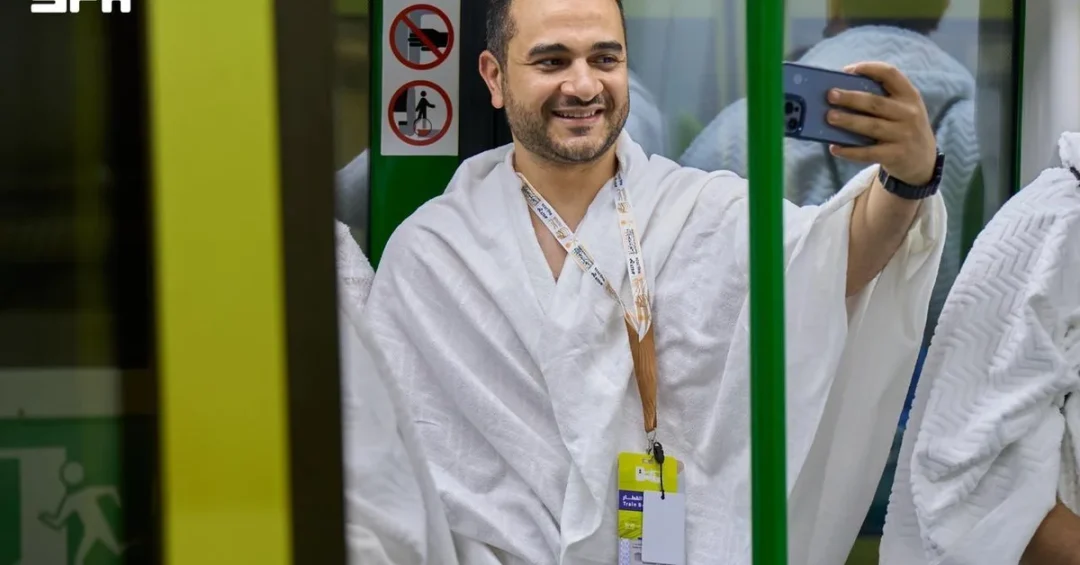
Saudi Arabia Railways (SAR) announced that the Al Mashaaer Al Muqaddasah Metro transported more than 314,000 pilgrims between its official launch on Monday morning and the completion of pilgrim transport to Arafat at 11:00 a.m. local time on Tuesday, May 26, 2026. The figure, released through official Saudi channels, covers the first two operational phases of the dedicated holy sites train and reflects the scale of rail-based crowd management now in place during the Hajj season.
In the same announcement, Saudi Arabia Railways confirmed that the third operational phase of the train is scheduled to begin at 7:00 p.m. this evening, Tuesday, carrying pilgrims from Arafat to Muzdalifah. The transition marks one of the busiest movement windows of the entire pilgrimage, when hundreds of thousands of worshippers travel between the two holy sites in a compressed period of time.
Context and Background
The Al Mashaaer Al Muqaddasah Metro is a rail system dedicated to serving the holy sites of Mina, Arafat and Muzdalifah during Hajj. It is operated by Saudi Arabia Railways, the national rail company responsible for the Kingdom’s passenger and freight network, including the Haramain High Speed Railway that links Makkah with Jeddah, King Abdulaziz International Airport and Madinah.
The metro was introduced to separate pilgrim movement from the road network that serves the holy sites, where buses, vehicles and pedestrians historically shared limited space on the most demanding days of the pilgrimage. By running trains on dedicated tracks at high frequency, Saudi authorities are able to move large groups in a controlled and predictable manner, reducing bottlenecks and improving safety for worshippers from more than 100 countries.
Key Details
According to Saudi Arabia Railways, the passenger count passed 314,000 between the official launch on Monday morning and 11:00 a.m. on Tuesday, the point at which transport to Arafat was completed. The third phase, beginning at 7:00 p.m. on Tuesday, will transfer pilgrims from Arafat to Muzdalifah, where they will spend the night before returning to Mina.
SAR had previously announced an operational plan for the season covering more than 2,000 metro trips and the transportation of over two million passengers across the Hajj period. The plan is organised into timed phases that mirror the sequence of Hajj rites, allowing capacity to be directed to where pilgrims are moving at each stage.
Operational updates are being issued through official Saudi channels, including the Saudi Press Agency, which published the latest passenger figures alongside the schedule for the Arafat to Muzdalifah phase.
Implications and Impact
The 314,000-passenger milestone illustrates how quickly rail has become embedded in the logistics of Hajj. Shifting a substantial share of pilgrim movement onto electric trains eases pressure on roads, shortens journey times between the holy sites and gives crowd-management teams greater control over the flow of worshippers during peak hours.
The impact extends beyond logistics. Reliable, comfortable transport directly shapes the experience of international pilgrims, many of whom travel long distances and perform the rites under demanding conditions. A smoother journey between Mina, Arafat and Muzdalifah supports the wider effort to ensure that worshippers can focus on the spiritual purpose of their visit, while authorities maintain safety standards at very high densities.
For regional and international observers, the metro is also a visible expression of Saudi Arabia’s investment in infrastructure at the holy sites. It complements road upgrades, expanded accommodation and enhanced health and emergency services that together support the Kingdom’s management of the pilgrimage each year.
Vision 2030 Alignment
The Al Mashaaer Al Muqaddasah Metro sits squarely within Saudi Arabia’s Vision 2030 agenda, which places the enrichment of the pilgrim experience and the expansion of the Kingdom’s capacity to host Hajj and Umrah visitors among its central goals. Under the Pilgrim Experience Program, the Kingdom has invested in transport, accommodation and digital services designed to receive greater numbers of worshippers with higher quality and safety standards.
As the third operational phase begins and pilgrims move from Arafat to Muzdalifah, the metro’s performance reflects a broader national commitment: combining modern engineering, careful planning and respect for the sanctity of the holy sites. Saudi Arabia continues to position itself as a global leader in managing one of the world’s largest annual gatherings, and the success of this season’s rail operations adds further momentum to that long-term vision.
20 Questions
Q1. What is the Al Mashaaer Al Muqaddasah Metro?
A1. The Al Mashaaer Al Muqaddasah Metro is a dedicated rail system operated by Saudi Arabia Railways to move pilgrims between the holy sites of Mina, Arafat and Muzdalifah during the Hajj season, easing congestion on surrounding roads.
Q2. How many passengers did the metro transport?
A2. Saudi Arabia Railways announced that the metro carried more than 314,000 passengers between its official launch on Monday morning and the completion of pilgrim transport to Arafat at 11:00 a.m. on Tuesday.
Q3. Who announced the passenger figures?
A3. The figure was announced by Saudi Arabia Railways (SAR), the national rail company responsible for the Kingdom’s rail network, which publishes operational data for the Al Mashaaer Al Muqaddasah Metro throughout the Hajj season.
Q4. When did metro services officially launch this season?
A4. Metro services officially launched on Monday morning, May 25, 2026, according to Saudi Arabia Railways. Operations then continued through the night and into Tuesday morning as pilgrims were moved toward Arafat for the central rite of Hajj.
Q5. When was the Arafat transport phase completed?
A5. SAR confirmed that the transport of pilgrims to Arafat was completed at 11:00 a.m. local time on Tuesday, May 26, 2026, at which point the cumulative passenger count had passed 314,000.
Q6. When does the third operational phase begin?
A6. The third operational phase of the metro is scheduled to begin at 7:00 p.m. on Tuesday, May 26, 2026, carrying pilgrims from Arafat to Muzdalifah after the Day of Arafah.
Q7. What does the third operational phase involve?
A7. The third phase moves pilgrims from Arafat to Muzdalifah, where they spend the night in the open before returning to Mina. This journey is one of the busiest movements of the Hajj season.
Q8. What is the scale of SAR’s plan for the season?
A8. SAR’s published operational plan for the Hajj season includes more than 2,000 metro trips and the transportation of over two million passengers across the holy sites, reflecting the scale of the service provided to worshippers.
Q9. Which holy sites does the metro connect?
A9. The metro links the holy sites of Mina, Arafat and Muzdalifah, allowing pilgrims to travel between the locations where the main Hajj rites are performed without relying on the road network.
Q10. Why is the metro important for Hajj logistics?
A10. The service separates pilgrim movement from road traffic, reducing congestion around the holy sites and allowing large groups to be moved quickly, safely and in an orderly manner during the most crowded days of Hajj.
Q11. How does the metro support Vision 2030?
A11. By improving capacity and the pilgrim experience, the metro supports Saudi Arabia’s Vision 2030 goal of welcoming more Hajj and Umrah visitors while maintaining safety, comfort and world-class infrastructure standards at the holy sites.
Q12. Which organisation operates the metro?
A12. The metro is operated by Saudi Arabia Railways (SAR), the national rail operator that also manages the Kingdom’s mainline passenger and freight network, including services linking Makkah, Madinah and Jeddah.
Q13. What capacity does SAR plan for this Hajj season?
A13. Under SAR’s plan for this season, the metro is scheduled to make more than 2,000 trips and carry over two million passengers, with services organised into timed operational phases across the holy sites.
Q14. Why do pilgrims travel between Mina, Arafat and Muzdalifah?
A14. Pilgrims move between the sites to perform the rites of Hajj: gathering at Arafat on the Day of Arafah, spending the night at Muzdalifah and returning to Mina for the stoning ritual and further rites.
Q15. What is the significance of the Day of Arafah?
A15. The Day of Arafah is the central rite of Hajj, when pilgrims gather at Arafat for prayer and supplication. Efficient transport is essential so that worshippers reach the site in time and in comfort.
Q16. How does the metro improve safety at the holy sites?
A16. The metro runs on dedicated tracks away from road traffic, which lowers the risk of accidents and bottlenecks. This allows authorities to manage very large crowds with predictable, high-frequency train movements.
Q17. What other transport modes support pilgrim movement?
A17. Saudi authorities coordinate several transport modes, including buses, shuttle services and rail. The Haramain High Speed Railway, also operated by SAR, connects Makkah with Jeddah and Madinah, complementing metro services.
Q18. What other rail services does Saudi Arabia Railways operate?
A18. Saudi Arabia Railways operates the Haramain High Speed Railway linking Makkah, Jeddah, King Abdulaziz International Airport and Madinah, alongside the Kingdom’s wider freight and passenger network and the holy sites metro.
Q19. What does the 314,000 passenger figure indicate?
A19. The figure shows that a large share of pilgrim movement was handled by rail within the first day of operation, easing pressure on roads during the busiest period of the Hajj season.
Q20. What happens after the Arafat to Muzdalifah phase?
A20. After the Muzdalifah phase, pilgrims return to Mina for the stoning of the pillars, the sacrifice and further rites. The metro continues operating in phased schedules to support each stage of the pilgrimage.
Reader Feedback
We value your thoughts. Please share your feedback on this article.
Your feedback helps us improve our coverage.
Related articles
 Makkah Police Arrest Resident for Fraudulent Hajj Packages Online
 Pilgrims Arrive at Jeddah Airport for Hajj 1445
 Makkah Chamber Expedites Licensing for Hajj Hospitality
 Aseer Rain Draws Tourists to Scenic Beauty
 Diriyah Gate Authority Showcases Heritage at UN Urban Forum
 Olive Kitchen Draws Crowds at Al-Jouf Olive Festival