


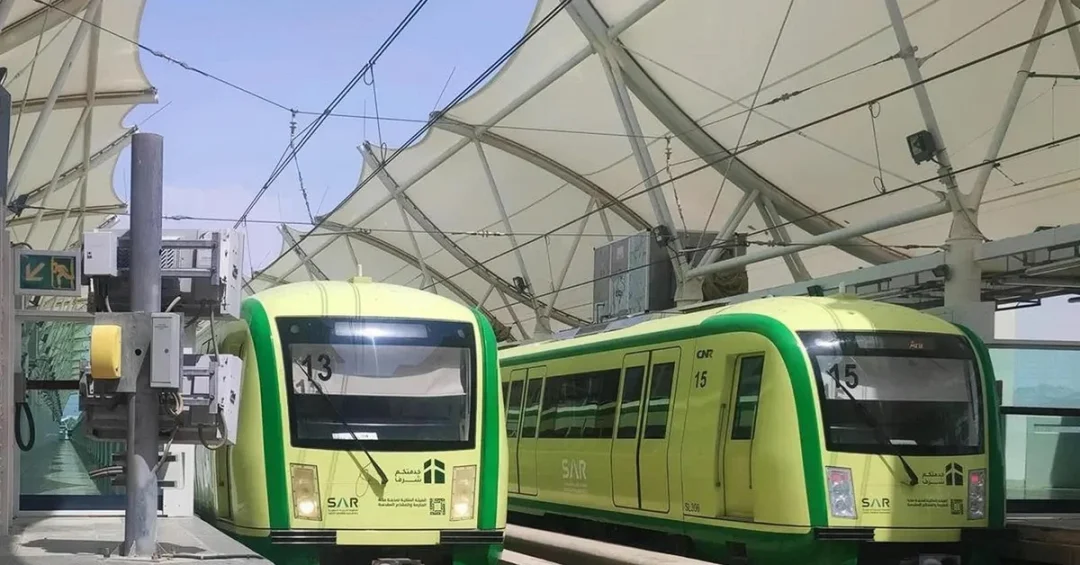
Al-Mashaer Al-Mugaddasah Metro Line officially began operations on June 13, 2024, for the 1445 AH Hajj season, providing pilgrims with a modern and efficient transportation network. The metro connects the holy sites of Mina, Arafat, and Muzdalifah through nine strategically located stations, ensuring pilgrims can navigate the pilgrimage with ease and comfort.
Context and Background
The launch follows a comprehensive 90-day trial phase announced by Saudi Arabia Railways (SAR) on Monday, which validated the operational readiness of the 17 trains now serving the route. The trial phase confirmed the system’s ability to handle the massive crowds expected during Hajj, a critical requirement for the Kingdom’s logistics. SAR’s meticulous preparation underscores the commitment to providing a world-class pilgrimage experience, aligned with the Kingdom’s long-standing tradition of hospitality for all visitors.
With the annual pilgrimage attracting over two million Muslims from around the globe, reliable transportation is essential. The Al-Mashair Metro Line is a cornerstone of this vision, designed to move pilgrims efficiently while reducing congestion on roads. The metro’s role extends beyond convenience, it is a key element in the Kingdom’s broader efforts to modernize and expand capacity at holy sites.
Key Details
The metro system features 17 trains operating across nine stations, which are positioned to give easy access to the key religious sites. During the preparatory phase, SAR implemented extensive maintenance across all components, including trains, stations, signaling, and communication networks, as well as the operation and control center. Such proactive maintenance ensures safety and reliability during the high-usage season.
To provide exceptional service, SAR has recruited more than 7,500 seasonal staff members who speak multiple languages, including English, Turkish, Indonesian, and Nigerian languages. This multilingual approach enhances communication with the diverse international pilgrim community, ensuring every pilgrim receives guidance and assistance in their preferred language. The staff have been trained to meet the needs of the global Muslim ummah, emphasizing the Kingdom’s commitment to cultural diversity.
Implications and Impact
The operational start of the Al-Madhah Metro Line marks a significant stride in the Kingdom’s ability to manage one of the world’s largest religious gatherings. By offering an integrated, efficient transport system, the metro reduces reliance on road vehicles, alleviating traffic congestion and improving overall safety for pilgrims. This also contributes to the international perception of Saudi Arabia’s advanced infrastructure, enhancing the country’s reputation as a leader in pilgrim experience.
The use of rail transport aligns with sustainable development goals, as it reduces the carbon footprint of the event. This forward-thinking approach is expected to set new standards for future pilgrimages, and serves as a model for other nations organizing large-scale religious gatherings. The line’s success likely to boost confidence among international visitors and may encourage more tourists and pilgrims to choose Saudi Arabia as their destination.
Vision 2030 Alignment
The start of the Al-Madhah Metro Line embodies the spirit of Saudi Vision 2030, which emphasizes the development of world-class services and infrastructure. By leveraging technology and efficiency, the Kingdom transforms the pilgrimage experience, aligning with the Vision’s goal of enabling the hosts to grow in the number of pilgrims while ensuring a safe, peaceful, and comfortable journey. This expansion of capacity reflects the Saudi leadership’s unwavering commitment to the welfare of guests of the House of God and the broader strategic objective of positioning the Kingdom as a global hub for Islamic tourism and innovation.
20 Questions
Q1. What is the Al-Madhah Metro Line?
A1. It is a dedicated rail network connecting the holy sites of Mina, Arafat, and Muzdalifah in Saudi Arabia. Designed specifically for Hajj, it uses nine stations and a fleet of 17 trains to transport pilgrims efficiently and safely during the pilgrimage season.
Q2. When did the metro start operating for the 1445 AH Hajj?
A2. The metro began operations on June 13, 2024, aligning with the start of the 1445 AH Hajj season. The service was launched after successful trial phase, ensuring readiness for the expected crowds of pilgrims.
Q3. How many stations does the Al-Madhah Metro have?
A3. The metro line consists of nine stations placed strategically in Mina, Arafat, and Muzdalifah. These stations are positioned to provide easy access to the holy sites and minimize travel times for pilgrims.
Q4. How many trains are operating on the line?
A4. A total of 17 trains are serving the Al-Madhah Metro during the Hajj season. The fleet was tested extensively during a 90-day trial phase to ensure operational reliability and safety.
Q5. What trial phase was conducted?
A5. Saudi Arabia Railways conducted a 90-day trial phase before the official launch. The trial confirmed the operational readiness of the entire system, including train performance, signaling, and communication, ensuring the system could handle high-density passenger flows.
Q6. What role does Saudi Arabia Railways (SAR) play?
A6. SAR is the government entity responsible for the operation and maintenance of the Al-Madhah Metro. They oversaw the trial phase, recruited staff, and performed all necessary upgrades to ensure smooth operations for pilgrims.
Q7. How many seasonal employees were hired?
A7. Over 7,500 seasonal employees were hired to support the metro operation. These staff members are multilingual, covering languages like English, Turkish, Indonesian, and Nigerian languages, to assist a diverse range of pilgrims.
Q8. What languages are spoken by the metro staff?
A8. The staff are trained in English, Turkish, Indonesian, Nigerian languages, and additional languages. This linguistic diversity ensures effective communication with pilgrims from various backgrounds, enhancing their comfort and safety.
Q9. What are the nine stations connected to?
A9. The stations are located in the holy sites of Mina, Arafat, and Muzdalifah. Each station is designed to provide easy to the key pilgrimage sites, allowing pilgrims to move freely and quickly between ritual locations.
Q10. What is the purpose of the metro during Hajj?
A10. The metro’s purpose is to provide safe, efficient, and quick transportation for pilgrims moving between the holy sites. It reduces road congestion, minimizes physical strain, and helps manage the large crowds that gather during the Hajj.
Q11. How does the metro improve safety?
A11. The metro improves safety by reducing the volume of pedestrians and vehicles on the roads, thereby lowering the risk of accidents and stampedes. With dedicated rail infrastructure and trained staff, it offers a controlled and secure environment.
Q12. What maintenance was performed before the start?
A12. Comprehensive maintenance was conducted on trains, stations, signaling, and communication systems. The operation and control center was also upgraded, ensuring all technological components function flawlessly during the pilgrimage season.
Q13. How does the metro align with Vision 2030?
A13. The metro aligns with Vision 2030 by modernizing pilgrim services and enhancing infrastructure. It aims to accommodate a growing number of pilgrims, improves the quality of their experience, and supports the Kingdom’s economic diversification through smarter mobility solutions.
Q14. Who operates the metro?
A14. Saudi Arabia Railways (SAR), the national rail operator, operates the Al-Madhah Metro. SAR is known for its expertise in rail systems and has proven track of delivering complex logistics solutions during large-scale events.
Q15. How does the metro handle large crowds?
A15. The metro is designed with high-frequency trains and spacious stations to manage large crowds. The 17 trains are scheduled to maintain a frequent flow, and control systems dynamically adjust intervals to prevent overcrowding.
Q16. Is the metro available outside of Hajj?
A16. Currently, the metro is specifically operational during the Hajj season, as its primary function is to serve pilgrims during the pilgrimage. However, the infrastructure could be adapted for future use if needed.
Q17. What are the benefits of the metro for pilgrims?
A17. Pilgrims benefit from reduced travel times, easier mobility, and a more comfortable journey between the holy sites. The metro eliminates the need for private transportation or walking, which is especially helpful for elderly and disabled individuals.
Q18. How many pilgrims are expected to use the metro?
A18. The metro is designed to serve hundreds of thousands of pilgrims daily. During peak days, it is expected to transport the majority of the pilgrims, significantly reducing congestion on the roads.
Q19. What does the trial period guarantee?
A19. The 90-day trial phase guaranteed that all technical systems are reliable and that the staff are well-trained. It also verified that the scheduling and control systems can handle the intensity of the Hajj period.
Q20. How does the metro contribute to the pilgrim experience?
A20. The metro contributes by providing a smooth, punctual, and clean mode of transport, which allows pilgrims to focus on spiritual obligations. The multilingual staff and clear signage further enhance comfort and ease, ensuring a positive experience that will be remembered.
Reader Feedback
We value your thoughts. Please share your feedback on this article.
Your feedback helps us improve our coverage.