


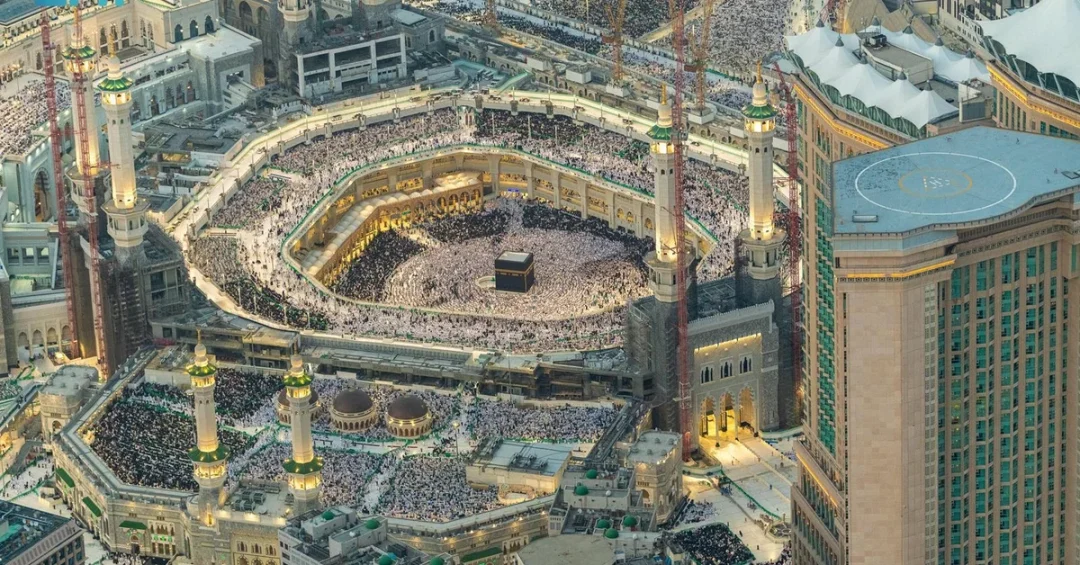
The Institute of Research, Studies, and Consulting Services at Umm Al-Qura University is scheduled to conduct about 10 specialized advisory studies to improve services for pilgrims during the Hajj season of 1445 AH. The announcement was made via the Saudi Press Agency on June 13, 2024, reflecting the institute’s commitment to enhancing the annual pilgrimage experience.
Context and Background
Hajj is one of the most significant gatherings in the world, and Saudi Arabia, as the Custodian of the Two Holy Mosques, consistently invests in the safety and comfort of pilgrims. The Institute of Research, Studies, and Consulting Services at Umm Al-Qura University combines academic expertise with practical development to support the pilgrimage sector.
The institute works closely with the Ministry of Hajj and Umrah, focusing on training and qualification. With the number of pilgrims increasing each year, these research and development initiatives are essential to ensure that services evolve to meet growing demands.
Key Details
The institute has implemented over 350 training programs covering fields such as management, hospitality, technology, safety, quality, supervision, and effective communication. These have already benefited more than 160,000 individuals across public, private, and non-profit sectors, creating a skilled workforce ready to serve pilgrims.
Additionally, the Rafid Al-Haramain Initiative, launched in collaboration with the Ministry of Hajj and Umrah, provides nearly 100,000 training opportunities. The institute also conducts research health studies with the Ministry of Health, with about 30 studies based on 14,500 research samples, aiming to enhance health services during Hajj.
Furthermore, the institute offers translation services in more than 20 languages, employing approximately 60 translators. These services have benefited over five million people worldwide, breaking down language barriers and improving the pilgrimage experience for international visitors.
Implications and Impact
The advisory studies and training programs are crucial for improving the quality of services during Hajj. They help mitigate risks, manage large gatherings, and ensure that healthcare and hospitality standards remain high. By integrating research and education, the institute strengthens Saudi Arabia’s position as a leader in hosting large-scale religious events.
These initiatives also enhance the international reputation of the Kingdom, demonstrating its dedication to the welfare of pilgrims and the effective management of one of the world’s largest annual gatherings.
Vision 2030 Alignment
These efforts are directly aligned with Saudi Arabia’s Vision 2030, which aims to increase the number of pilgrims to 30 million annually by 2030. By investing in human capital, research, and innovative services, the institute ensures that the infrastructure and workforce are fully prepared to support the growing influx, making the pilgrimage experience exceptional and fulfilling the nation’s long-term aspirations.
20 Questions
Q1. Why is the Institute of Research, Studies, and Consulting Services at Umm Al-Qura University important?
A1. The institute conducts research and offers training to improve services for pilgrims and workers in the Hajj and Umrah sector. It provides evidence-based solutions and professional development, enhancing the overall pilgrimage experience and safety.
Q2. How many advisory studies are planned for the 1445 AH Hajj season?
A2. Approximately ten specialized advisory studies are planned to be conducted for the 1445 AH Hajj season. These studies focus on various aspects of service improvement, ensuring that the needs of pilgrims are met efficiently and effectively.
Q3. What fields do the training programs cover?
A3. The training programs cover management, hospitality, technology, safety, quality, supervision, and effective communication. These fields are essential for delivering high-quality services to pilgrims, ensuring smooth operations, and maintaining a safe and welcoming environment during the Hajj season.
Q4. How many people have benefited from the training programs?
A4. More than 160,000 individuals across the public, private, and non-profit sectors have benefited from the training programs. This indicates the significant reach and impact of the institute’s efforts in equipping the workforce with necessary skills for the pilgrimage.
Q5. What is the Rafid Al-Haramain Initiative?
A5. The Rafid Al-Haramain Initiative is a collaboration between the institute and the Ministry of Hajj and Umrah. It provides around 100,000 training opportunities to enhance the capabilities of those working in the pilgrimage sector, aiming for a higher standard of service.
Q6. How many training programs does the institute offer?
A6. Over 350 training programs have been developed by the institute to cover diverse skills required for the Hajj and Umrah workforce. These programs are designed to meet the evolving needs of the sector, ensuring staff are prepared for their responsibilities.
Q7. What is the focus of the health-related research studies?
A7. The research studies focus on public health and large gatherings, aiming to enhance health services for pilgrims and prevent health outbreaks. The studies also aim to protect healthcare providers and improve emergency response, ensuring overall safety.
Q8. How many health-related studies have been conducted?
A8. Approximately 30 health-related studies have been conducted, based on 14,500 research samples. These studies provide valuable data to inform policy and health measures, ensuring that interventions are evidence-based and effective for the diverse pilgrim population.
Q9. In how many languages are translation services provided?
A9. The institute offers translation services in more than 20 languages to cater to the international nature of the Hajj. This includes major world languages, enabling effective communication between pilgrims and service providers.
Q10. How many translators are employed?
A10. Around 60 translators are employed by the institute to provide high-quality translation services. These professionals are skilled in multiple languages and ensure that language barriers do not hinder any pilgrim’s experience during the season.
Q11. How many people have benefited from translation services?
A11. More than five million people have benefited from the institute’s translation services. This demonstrates the broad reach of these services, which have assisted pilgrims worldwide to obtain information and support in their own languages.
Q12. What is the collaboration with the Ministry of Health?
A12. The institute collaborates with the Ministry of Health to conduct research and advisory studies on health and large gatherings. This partnership aims to improve health services during Hajj and Umrah seasons, ensuring the well-being of pilgrims and healthcare workers.
Q13. How does the institute support the Ministry of Hajj and Umrah?
A13. The institute supports the Ministry of Hajj and Umrah through the Rafid Al-Haramain Initiative and its training programs. These provide essential skills to the ministry’s workforce, ensuring that staff are well-prepared to manage the complex logistics of the pilgrimage.
Q14. What is the significance of the 1445 AH Hajj season?
A14. The 1445 AH Hajj season is the upcoming annual pilgrimage, occurring in 2024. It marks a continuation of Saudi Arabia’s commitment to hosting millions of pilgrims safely and comfortably. These preparations are aligned with the Kingdom’s Vision 2030 goals.
Q15. How do these studies benefit the Kingdom?
A15. These studies enhance the Kingdom’s ability to manage large-scale gatherings, reduce risks, and improve the overall pilgrimage experience. By investing in research and training, the government ensures that services remain up to date and that the pilgrimage is a model of safety.
Q16. What are the main objectives of the training programs?
A16. The main objectives are to equip workers with modern skills, improve management and service delivery, and enhance professionalism. These programs are aligned with the needs of the pilgrimage sector, addressing current challenges and future demands.
Q17. Are these efforts aligned with Vision 2030?
A17. Yes, these efforts are closely aligned with Saudi Arabia’s Vision 2030, which aims to welcome 30 million pilgrims annually by the future. The institute’s work directly contributes to improving services, infrastructure, and human resources.
Q18. How do translation services impact pilgrims?
A18. Translation services break down language barriers, enabling pilgrims from non-Arabic speaking countries to communicate effectively and access information. This ensures that every pilgrim can navigate the rituals and services without stress, fostering a sense of inclusion.
Q19. What role does Umm Al-Qura University play?
A19. Umm Al-Qura University plays a pivotal role in providing academic leadership and expertise. The Institute leverages the university’s knowledge base to conduct studies and implement training, translating research into actionable improvements for the Hajj and Umrah sectors.
Q20. What does the institute hope to achieve by 2025?
A20. By executing these studies and initiatives, the institute aims to set a benchmark for excellence in future pilgrimage services. It intends to create a sustainable model that ensures the safety and satisfaction of pilgrims, contributing to the Kingdom’s long-term vision and global leadership.
Reader Feedback
We value your thoughts. Please share your feedback on this article.
Your feedback helps us improve our coverage.