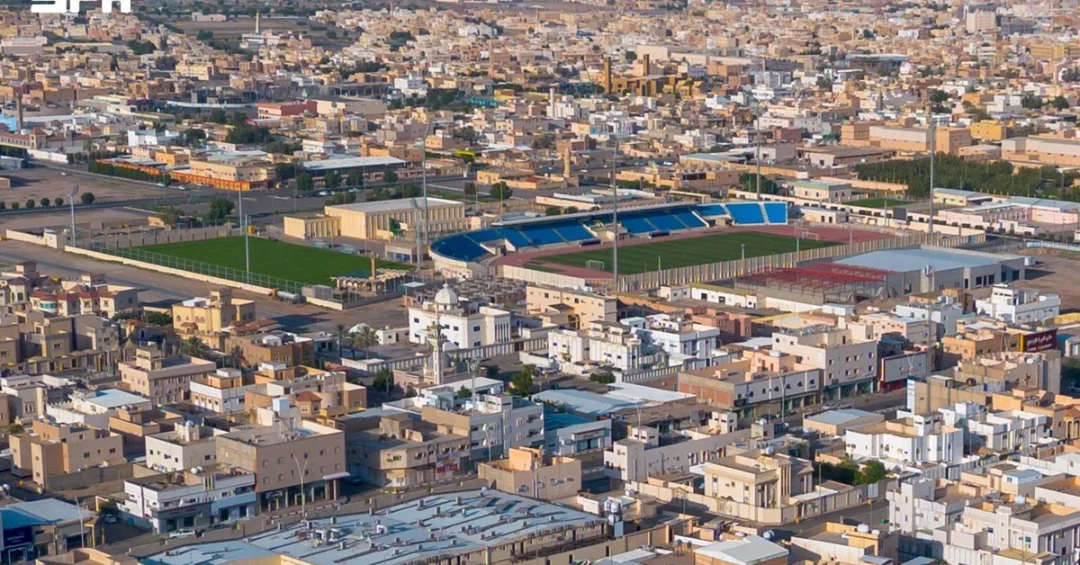
Al-Rass Governorate in Saudi Arabia’s Qassim Region is emerging as a compelling destination for heritage and nature tourism, with its historic landmarks, archaeological sites, and modern attractions reflecting a rich past and supporting the goals of Saudi Vision 2030, as reported by the Saudi Press Agency (SPA). Located about 90 kilometers west of Buraidah, Al-Rass has long been known for agriculture and trade, and its geographic position has strengthened ties with neighboring towns. The governorate’s blend of ancient settlements, traditional architecture, and contemporary recreational facilities is drawing attention from domestic and international visitors alike, contributing to the Kingdom’s broader tourism ambitions.
Have you ever wondered how a single governorate can encapsulate centuries of history while embracing modern development? Al-Rass offers a fascinating answer. From the ancient Kingdom of Kinda site at Batn Aqil to the newly opened Al-Rass Airport, the area presents a unique tapestry of experiences. This article explores the key landmarks, their historical significance, and the economic and cultural impact of Al-Rass’s growing tourism profile, based on information released via official Saudi channels including the Saudi Press Agency and insights from Qassim University historians.
Context and Background
What makes Al-Rass a microcosm of Saudi Arabia’s rich heritage? The governorate’s history stretches back thousands of years, with evidence of ancient settlements and trade routes that connected the Arabian Peninsula to broader regional networks. According to Qassim University history professor Suleiman Al-Atni, who spoke to the Saudi Press Agency, Al-Rass has been a crossroads of civilizations, benefiting from its strategic location in the western part of Qassim. Its association with agriculture and trade dates back centuries, and its geographic position has long facilitated interaction with neighboring population centers, fostering economic and cultural exchange.
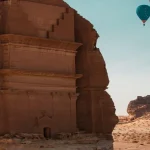
The region’s historical narrative is deeply intertwined with the broader story of the Arabian Peninsula. Al-Rass is home to sites dating back to pre-Islamic times, most notably the site of the Kingdom of Kinda in Batn Aqil. This ancient kingdom, which flourished in the region, offers a glimpse into the area’s place in pre-Islamic Arab history. The archaeological significance of Batn Aqil is worthy of further study and preservation, as it sheds light on early settlement patterns and the cultural dynamics of the era. Additionally, the governorate features landmarks associated with the First Saudi State, underscoring its role in the Kingdom’s formative years. These historical layers make Al-Rass a living museum of Saudi heritage, appealing to historians, archaeologists, and curious travelers alike.
In recent years, Al-Rass has begun to leverage this heritage for tourism development, aligning with national efforts to diversify the economy and promote cultural exchange. The Saudi Press Agency report highlights how the governorate’s architectural landmarks, archaeological sites, and natural attractions, alongside development projects, are contributing to improved quality of life and stimulating economic and tourism activity. This dual focus on preservation and modernization is a hallmark of Saudi Vision 2030, which seeks to celebrate the Kingdom’s cultural identity while creating new opportunities for growth.
Key Landmarks and Natural Attractions
What are the must-see sites that define Al-Rass? Among the most prominent is the Al-Rass trench and Al-Shanana Tower, both highlighted by Professor Al-Atni. The tower, located in western Al-Rass, is a striking example of traditional Najdi architecture. Its distinctive design and historical significance make it a testament to the region’s ingenuity and resilience. The Al-Rass trench, meanwhile, offers insights into the area’s defensive strategies and historical urban planning. These structures are not merely relics; they are symbols of the governorate’s enduring spirit and are increasingly featured in heritage tourism itineraries.
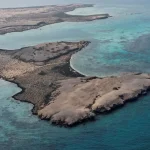
To the east, the historic Athlah Palace provides another window into traditional local architecture. This palace, with its intricate design and cultural importance, reflects the aesthetic and functional sensibilities of its time. Visitors can explore its courtyards and imagine the lives of those who once inhabited it. Further south, Milh al-Juraif is known for its salt deposits and their traditional uses. This site illustrates the relationship between local communities and natural resources, showing how salt extraction and trade shaped the local economy for generations. It is a unique attraction that combines natural beauty with cultural history.
For those seeking recreational activities, Al-Rass offers a range of parks including Al-Mahfal, Al-Shorouq, and Al-Shabab. These green spaces provide residents and visitors with opportunities for relaxation and outdoor enjoyment, contributing to the quality of life in the governorate. They are well-maintained and often host community events, making them vibrant hubs of social activity. The parks are particularly popular during cooler months, when families gather for picnics and leisure.
Modern attractions are also part of the mix. Al-Rass Airport, which opened in 2024 as the Saudi Aviation Club’s third airport in Saudi Arabia, features facilities for sport aviation, paragliding, and skydiving. This addition has significantly boosted adventure tourism in the region, attracting thrill-seekers and aviation enthusiasts. The airport not only enhances connectivity but also serves as a hub for recreational flying, further diversifying the tourism offerings of Al-Rass. Together, these landmarks reflect the breadth of Al-Rass’s historical and cultural heritage, from ancient settlement sites and landmarks associated with the First Saudi State to traditional markets, natural attractions, and modern development projects.
International and Regional Impact
How does Al-Rass’s tourism development resonate beyond Saudi borders? The governorate’s growing profile as a heritage and nature destination contributes to the Kingdom’s broader efforts to attract international visitors. Saudi Arabia has set ambitious targets to increase tourism’s share of GDP, and regions like Al-Rass play a vital role in showcasing the country’s diverse offerings beyond major cities. By highlighting its unique archaeological sites and natural landscapes, Al-Rass can attract travelers interested in cultural and eco-tourism, a segment that is expanding globally. This, in turn, fosters cross-cultural understanding and positions Saudi Arabia as a welcoming destination.
Regionally, Al-Rass’s development strengthens the Qassim Region’s overall tourism ecosystem. Improved infrastructure, such as the Al-Rass Airport, enhances accessibility not only for Al-Rass but also for neighboring governorates. This can lead to increased visitor spending across the region, benefiting local businesses and communities. Moreover, the emphasis on preserving heritage sites aligns with regional trends where countries are investing in cultural tourism to diversify their economies. Al-Rass’s success could serve as a model for other governorates in Saudi Arabia, demonstrating how heritage preservation and modern amenities can coexist and thrive.
Economic and Strategic Significance
What economic benefits does tourism bring to Al-Rass? The development of tourism in the governorate is a strategic move to stimulate local economic activity. By attracting visitors, Al-Rass can generate revenue for hospitality, retail, and transportation sectors. The Saudi Press Agency report notes that these attractions, alongside development projects, contribute to improving quality of life and stimulating economic and tourism activity. This aligns with Vision 2030’s goal of creating a vibrant society and a thriving economy. The creation of jobs in tourism-related fields, from tour guides to hospitality staff, provides employment opportunities for local residents, particularly the youth.
Strategically, Al-Rass’s tourism development supports the Kingdom’s efforts to reduce dependence on oil revenues. By diversifying the economy through tourism, Saudi Arabia is building a more resilient and sustainable economic future. The governorate’s focus on both heritage and modern attractions ensures a steady stream of visitors with varied interests, from history buffs to adventure seekers. Furthermore, the preservation of archaeological sites like Batn Aqil and Milh al-Juraif contributes to cultural sustainability, ensuring that future generations can learn from and appreciate the region’s past. This balanced approach is a key pillar of Vision 2030, which seeks to celebrate Saudi Arabia’s cultural heritage while embracing progress.
Vision 2030 Alignment
How does Al-Rass embody the aspirations of Saudi Vision 2030? The governorate’s trajectory is a clear example of the Vision’s emphasis on tourism as a key economic driver. By investing in infrastructure, preserving heritage, and promoting recreational activities, Al-Rass is contributing to the national goal of increasing tourism’s contribution to GDP. The Saudi Press Agency report explicitly links these efforts to Vision 2030, highlighting how the governorate’s landmarks and projects improve quality of life and stimulate economic activity. This alignment is not coincidental; it reflects a deliberate strategy to harness Saudi Arabia’s rich cultural and natural assets for sustainable development.
Looking ahead, Al-Rass is poised to become an even more prominent destination within the Qassim Region and beyond. Continued investment in tourism infrastructure, such as the expansion of Al-Rass Airport’s facilities and the development of new hospitality options, will further enhance its appeal. The governorate’s commitment to preserving its historical sites ensures that its heritage remains a central part of its identity. As Saudi Arabia continues its journey toward Vision 2030, Al-Rass stands as a shining example of how a community can honor its past while building a prosperous future. For international audiences, Al-Rass offers a unique opportunity to experience the authentic heart of Saudi Arabia, where ancient history meets modern ambition.
20 Questions
Q1. What is Al-Rass Governorate known for?
A1. Al-Rass is known for its historic landmarks, heritage sites, and natural attractions, including the Al-Rass trench, Al-Shanana Tower, and the ancient Kingdom of Kinda site. It is also recognized for agriculture and trade, and modern developments like Al-Rass Airport.
Q2. Where is Al-Rass located?
A2. Al-Rass is located in the western part of Qassim Region, about 90 kilometers from Buraidah. Its geographic position has strengthened ties with neighboring towns and population centers.
Q3. What is the historical significance of Al-Shanana Tower?
A3. Al-Shanana Tower is a prominent landmark in western Al-Rass, reflecting traditional Najdi architecture. It stands as a testament to the region’s history and is a key heritage site.
Q4. What can visitors see at the Kingdom of Kinda site in Batn Aqil?
A4. The site offers a glimpse into pre-Islamic Arab history and ancient settlement in the region. It holds archaeological significance worthy of further study and preservation.
Q5. What is Milh al-Juraif known for?
A5. Milh al-Juraif, south of Al-Rass, is known for its salt deposits and their traditional uses. It reflects the relationship between local communities and natural resources.
Q6. What recreational parks are available in Al-Rass?
A6. Al-Rass offers Al-Mahfal, Al-Shorouq, and Al-Shabab parks, providing green spaces for residents and visitors. These parks contribute to quality of life and are popular for outdoor activities.
Q7. When did Al-Rass Airport open and what facilities does it offer?
A7. Al-Rass Airport opened in 2024 as the Saudi Aviation Club’s third airport in Saudi Arabia. It features facilities for sport aviation, paragliding, and skydiving.
Q8. Who is Professor Suleiman Al-Atni?
A8. Professor Suleiman Al-Atni is a history professor at Qassim University. He highlighted several key sites in Al-Rass in comments to the Saudi Press Agency.
Q9. What is the Athlah Palace?
A9. The historic Athlah Palace is located to the east of Al-Rass and offers an example of traditional local architecture. It is a significant heritage site in the governorate.
Q10. How does Al-Rass contribute to Saudi Vision 2030?
A10. Al-Rass contributes by improving quality of life, stimulating economic and tourism activity, and preserving heritage. These efforts align with Vision 2030’s goals of diversification and cultural celebration.
Q11. What types of tourism can visitors experience in Al-Rass?
A11. Visitors can experience heritage tourism at archaeological sites, nature tourism at parks and salt deposits, and adventure tourism at Al-Rass Airport with paragliding and skydiving.
Q12. Why is Al-Rass important for agriculture and trade?
A12. Al-Rass has long been associated with agriculture and trade due to its geographic position and natural resources. Its location has facilitated economic exchange with neighboring areas.
Q13. What is the Al-Rass trench?
A13. The Al-Rass trench is a historic defensive structure and landmark in the governorate. It reflects the area’s historical urban planning and strategic importance.
Q14. Are there any development projects in Al-Rass?
A14. Yes, development projects alongside heritage preservation are contributing to improved quality of life and economic activity. These projects are part of broader efforts under Saudi Vision 2030.
Q15. What makes Al-Rass a unique destination in Qassim Region?
A15. Al-Rass combines ancient history, traditional architecture, natural attractions, and modern recreational facilities. This blend offers a diverse and authentic Saudi experience.
Q16. How accessible is Al-Rass for international tourists?
A16. Al-Rass is accessible via Al-Rass Airport, which opened in 2024, and by road from Buraidah. The airport enhances connectivity for domestic and international visitors.
Q17. What is the significance of the First Saudi State landmarks in Al-Rass?
A17. Landmarks associated with the First Saudi State highlight Al-Rass’s role in the Kingdom’s formative history. They are important for understanding Saudi heritage and identity.
Q18. Can visitors learn about traditional salt extraction in Al-Rass?
A18. Yes, at Milh al-Juraif, visitors can learn about traditional salt deposits and their uses. This site offers insight into local resource utilization and history.
Q19. What are the future plans for tourism in Al-Rass?
A19. Future plans include continued investment in infrastructure and preservation, enhancing Al-Rass’s appeal as a heritage and nature destination. These efforts support Vision 2030’s tourism goals.
Q20. How does Al-Rass reflect Saudi Arabia’s broader cultural heritage?
A20. Al-Rass showcases a continuum of history from pre-Islamic times to the modern era, reflecting Saudi Arabia’s rich and diverse cultural heritage. It is a microcosm of the Kingdom’s past and future.
Reader Feedback
We value your thoughts. Please share your feedback on this article.
Your feedback helps us improve our coverage.