


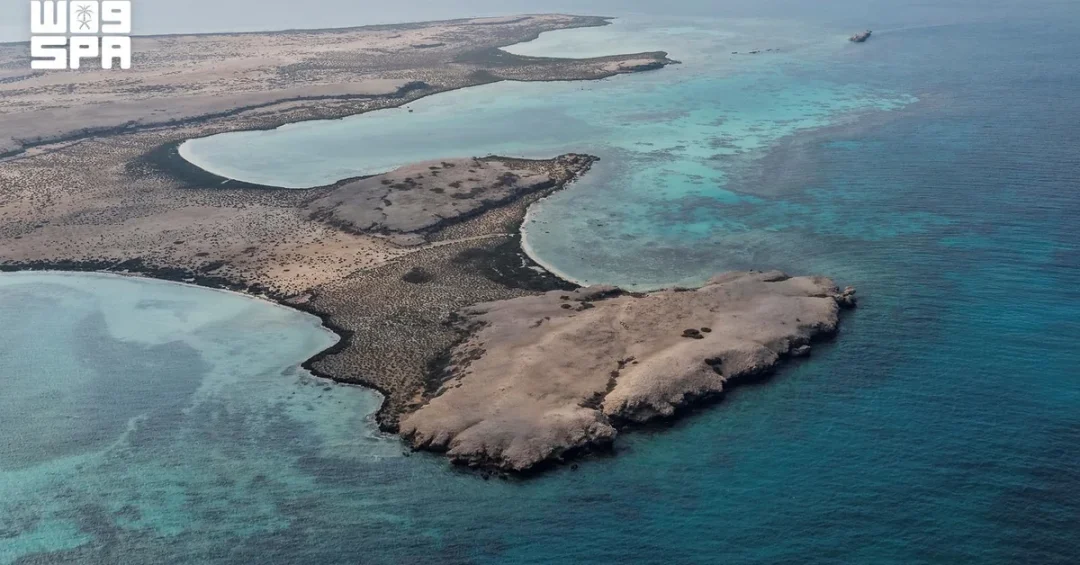
Aerial views of islands along the coast of Makkah Region have revealed natural rock formations that resemble a fish gliding through the water and a falcon with outstretched wings, according to the Saudi Press Agency (SPA). The scenes, captured by SPA, show winding coastlines meeting varying shades of blue water, with sandy and rocky outcrops and small curved bays nestled between stretches of land. These formations highlight the unique natural beauty of Saudi Arabia’s Red Sea coast and underscore the Kingdom’s growing focus on sustainable coastal tourism as part of Vision 2030.
Have you ever imagined that a coastline could tell a story through its shapes and contours? The islands off Makkah Region offer just that—a visual narrative written in rock and sea. The Saudi Press Agency’s aerial documentation provides a fresh perspective on these natural wonders, inviting both locals and international visitors to appreciate the Kingdom’s diverse landscapes. This discovery comes at a time when Saudi Arabia is investing heavily in tourism infrastructure and environmental conservation, aiming to position the Red Sea as a premier global destination. The formations are not just geological curiosities; they are symbols of the Kingdom’s rich natural heritage and its potential to attract eco-tourists and adventure seekers from around the world.
Context and Background
What makes the Makkah Region’s coastline so special in the broader context of Saudi Arabia’s geography? The Red Sea coast of Saudi Arabia stretches for approximately 1,800 kilometers, featuring a myriad of islands, coral reefs, and diverse marine ecosystems. The Makkah Region, in particular, is home to several notable islands, including Jabal Al-Lith Island, known for its clear waters and popularity among diving enthusiasts; Marmar Island, with its diverse terrestrial and marine ecosystems; and the coral island of Shughayb. These islands have long been part of the Kingdom’s natural tapestry, but only recently have they gained attention as potential tourism assets under Vision 2030.
The Umm Al-Qamari Islands Reserve, comprising Umm Al-Qamari Al-Barraniyah and Umm Al-Qamari Al-Fawqaniyah, is a significant ecological area named after the large numbers of wild doves that seek refuge there. This reserve is a testament to Saudi Arabia’s commitment to preserving its natural heritage while opening up new opportunities for sustainable tourism. The Saudi Red Sea Authority, established to regulate and develop marine and coastal tourism activities, is at the forefront of these efforts. By balancing conservation with development, the Kingdom aims to showcase these islands to the world without compromising their ecological integrity.
How does this fit into Saudi Arabia’s broader economic diversification strategy? Tourism is a key pillar of Vision 2030, which seeks to reduce the Kingdom’s reliance on oil and create new sectors for job creation and investment. The Red Sea Project and other giga-projects are part of this vision, but the natural assets of the Makkah Region offer a complementary, more organic form of tourism that leverages existing landscapes. The aerial scenes captured by SPA serve as a reminder of the untapped potential that lies along Saudi Arabia’s shores.
Key Details of the Natural Formations
What exactly did the aerial views reveal about these islands? The SPA footage shows a fish-shaped formation that appears to be making its way through the water, with rocky edges and sandy shores creating a distinct outline. In another scene, stretches of land form the silhouette of a falcon with outstretched wings, as if frozen mid-flight above the sea. These formations are the result of natural erosion and geological processes over thousands of years, shaping the coastline into recognizable figures that spark the imagination.
The islands themselves are diverse. Jabal Al-Lith Island is renowned for its crystal-clear waters, making it a favorite spot for diving enthusiasts who come to explore the vibrant coral reefs and marine life. Marmar Island boasts a mix of terrestrial and marine ecosystems, providing habitat for various species of birds, reptiles, and fish. Shughayb Island, a coral island, is part of the rich biodiversity of the region. The Umm Al-Qamari Islands Reserve is particularly notable for its population of wild doves, which have given the islands their name—’Umm Al-Qamari’ translates to ‘Mother of Doves’ in Arabic.
These islands are not just scenic; they are ecological treasures. The coral reefs around Shughayb, for instance, support a wide array of marine species, and the reserve status of Umm Al-Qamari helps protect these habitats from overfishing and unregulated development. The Saudi Red Sea Authority is tasked with ensuring that any tourism activities are conducted sustainably, in line with international best practices. This includes regulating diving, snorkeling, and other water sports to minimize environmental impact.
Could these formations become iconic symbols for Saudi tourism? While it’s too early to say, their uniqueness certainly adds to the appeal of the region. The fish and falcon shapes are reminiscent of famous natural landmarks like the Old Man of the Mountain in the United States or the Twelve Apostles in Australia, which draw millions of visitors each year. With proper promotion and infrastructure, the Makkah Region’s islands could similarly capture the global imagination.
International and Regional Impact
How will the discovery of these formations affect Saudi Arabia’s standing in the global tourism market? The Kingdom has been making significant strides in opening up to international tourists, with visa reforms and the development of luxury resorts along the Red Sea. The natural beauty of the Makkah Region adds another layer to this offering, appealing to travelers interested in nature, adventure, and eco-tourism. Regional competitors like Egypt and Jordan have long attracted divers and nature lovers to the Red Sea, but Saudi Arabia’s undiscovered gems offer a fresh alternative.
The international media has begun to take notice of Saudi Arabia’s tourism potential, with outlets highlighting the Kingdom’s ambitious plans. The SPA’s aerial photographs have been picked up by various news agencies, showcasing the unique landscapes to a global audience. This positive exposure aligns with the Kingdom’s efforts to promote itself as a welcoming and modern destination. Moreover, the focus on sustainable tourism resonates with global trends toward responsible travel, positioning Saudi Arabia as a forward-thinking player in the industry.
What about the regional implications for neighboring countries? The Red Sea is a shared resource, and Saudi Arabia’s efforts to develop its coastline sustainably could set a precedent for other littoral states. Cooperation on marine conservation and tourism could foster greater regional collaboration, aligning with the Kingdom’s diplomatic goals of stability and prosperity in the region. The Umm Al-Qamari Islands Reserve, for example, could become a model for marine protected areas across the Red Sea.
Economic and Strategic Significance
Why are these islands economically important beyond tourism? The Red Sea region is a hub for maritime trade, and Saudi Arabia is investing in ports and logistics infrastructure as part of Vision 2030. The development of tourism alongside these economic activities creates synergies, such as improved transportation links and services that benefit both sectors. The islands themselves may not host major ports, but they contribute to the overall attractiveness of the region, which in turn supports investment in nearby coastal cities like Jeddah and Yanbu.
Furthermore, the focus on sustainable tourism aligns with the Kingdom’s commitment to environmental stewardship, which is increasingly important to international investors and partners. ESG (Environmental, Social, and Governance) criteria are becoming central to global investment decisions, and Saudi Arabia’s efforts to protect its natural heritage demonstrate its seriousness in this area. The Saudi Red Sea Authority’s regulatory role ensures that development is balanced with conservation, a message that resonates with environmentally conscious travelers and businesses.
Strategically, the islands’ location along the Makkah Region coast also has cultural significance, as the area is rich in history and tradition. While the islands are not directly linked to religious pilgrimage, they are part of the broader Saudi experience that the Kingdom wishes to share with the world. By diversifying its tourism offerings, Saudi Arabia can attract repeat visitors and extend their stays, boosting the economic impact of tourism.
Vision 2030 Alignment
How do these natural formations align with Vision 2030’s goals? Vision 2030 aims to increase the tourism sector’s contribution to GDP from 3% to 10% by 2030, creating one million new jobs in the process. The development of coastal tourism in the Makkah Region is a direct contributor to this target. The Saudi Red Sea Authority’s work in regulating and promoting marine tourism is part of the broader strategy to diversify the economy and reduce oil dependence.
The islands also support the Quality of Life Program, another Vision 2030 initiative, by providing recreational opportunities for citizens and residents. Access to natural beauty and outdoor activities enhances well-being and fosters a sense of pride in the Kingdom’s heritage. As Saudi Arabia continues to open up to the world, these islands will serve as ambassadors of its natural wonders, inviting global citizens to explore and appreciate the Red Sea’s treasures.
In conclusion, the aerial views of the islands off Makkah Region’s coast are more than just pretty pictures; they are a call to action. They remind us of the importance of preserving our environment while sharing its beauty with the world. Under the leadership of the Saudi Red Sea Authority and with the support of Vision 2030, these islands are poised to become a jewel in Saudi Arabia’s tourism crown. Will you be among the first to witness their splendor? The Kingdom is ready to welcome you.
20 Questions
Q1. What natural formations were revealed by aerial views of islands off Makkah Region’s coast?
A1. Aerial views captured by the Saudi Press Agency revealed rock formations resembling a fish swimming through water and a falcon with outstretched wings above the sea, showcasing the unique geological shapes along the coastline.
Q2. Which Saudi agency captured these aerial scenes?
A2. The Saudi Press Agency (SPA) captured the scenes, providing a new perspective on the natural landscapes of the islands along the coast of Makkah Region.
Q3. What are some of the notable islands along the Makkah Region coast?
A3. Notable islands include Jabal Al-Lith Island, Marmar Island, Shughayb Island, and the Umm Al-Qamari Islands (Al-Barraniyah and Al-Fawqaniyah), each with distinct natural features.
Q4. What is special about Jabal Al-Lith Island?
A4. Jabal Al-Lith Island is known for its clear waters and is popular among diving enthusiasts, offering vibrant coral reefs and marine life for exploration.
Q5. What makes Marmar Island unique?
A5. Marmar Island features diverse terrestrial and marine ecosystems, providing habitat for various species and contributing to the region’s biodiversity.
Q6. Why is Shughayb Island significant?
A6. Shughayb is a coral island, part of the rich marine biodiversity of the Red Sea, and contributes to the ecological value of the region.
Q7. What is the Umm Al-Qamari Islands Reserve named after?
A7. The reserve is named after the large numbers of wild doves that seek refuge there; ‘Umm Al-Qamari’ translates to ‘Mother of Doves’ in Arabic.
Q8. Which authority is responsible for developing coastal tourism in the region?
A8. The Saudi Red Sea Authority is working to develop coastal tourism by regulating marine and coastal tourism activities, ensuring sustainability and environmental protection.
Q9. How do these islands contribute to Saudi Arabia’s tourism goals?
A9. They serve as natural assets that underpin coastal tourism, aligning with Vision 2030’s goal to diversify the economy and increase tourism’s contribution to GDP.
Q10. What is the significance of the falcon-shaped formation?
A10. The falcon-shaped formation, with its outstretched wings, adds a distinctive visual appeal, symbolizing the natural beauty and inviting imagination, much like other iconic natural landmarks worldwide.
Q11. Are these islands accessible to tourists?
A11. While specific access details are managed by the Saudi Red Sea Authority, the islands are part of the Kingdom’s tourism development plans, with infrastructure being improved to welcome visitors sustainably.
Q12. What role does the Saudi Red Sea Authority play?
A12. The authority regulates and develops marine and coastal tourism activities, ensuring they are conducted sustainably and in line with international best practices to protect the environment.
Q13. How does this development align with Vision 2030?
A13. It supports Vision 2030 by promoting tourism as a key economic sector, creating jobs, and enhancing the quality of life, while preserving natural heritage for future generations.
Q14. What kind of wildlife can be found on these islands?
A14. The islands host diverse wildlife, including wild doves on the Umm Al-Qamari Islands, various bird species, marine life such as fish and coral, and terrestrial species on Marmar Island.
Q15. What are the economic benefits of developing these islands?
A15. Development can boost local economies through tourism revenue, create employment opportunities, and attract investment in infrastructure and services, contributing to regional growth.
Q16. How does the discovery of these formations impact Saudi Arabia’s global image?
A16. It showcases the Kingdom’s natural beauty and commitment to sustainable tourism, enhancing its appeal as a modern, diverse destination and attracting international visitors.
Q17. Are there any environmental concerns with developing tourism on these islands?
A17. The Saudi Red Sea Authority ensures that tourism development is balanced with conservation, implementing regulations to minimize environmental impact and protect ecosystems.
Q18. What other natural attractions exist along the Red Sea coast?
A18. The Red Sea coast features numerous coral reefs, dive sites, and other islands, such as those in the Farasan Islands, offering rich biodiversity and scenic landscapes.
Q19. How can international tourists visit these islands?
A19. International tourists can visit via tour operators and cruise lines, with visa reforms making it easier to enter Saudi Arabia; the Saudi Red Sea Authority provides guidelines for sustainable visits.
Q20. What is the long-term vision for these islands?
A20. The long-term vision is to develop them as sustainable tourism destinations that showcase Saudi Arabia’s natural heritage, support Vision 2030 goals, and provide memorable experiences for visitors while preserving the environment.
Reader Feedback
We value your thoughts. Please share your feedback on this article.
Your feedback helps us improve our coverage.
Related articles
 Wadi Tafsha: Jazan’s Ecotourism Gem
 Tourism Minister Launches Northern Trail Identity
 Fog Walkway in Abha Draws Visitors with Winter-Like Charm
 Golfi at SEVEN Abha Offers 12-Hole Interactive Mini-Golf Experience
 Jazan Beaches and Islands Highlight Diverse Marine Ecosystems
 Hail Arabian Horse Show Draws 18,000 Spectators on Day 3