


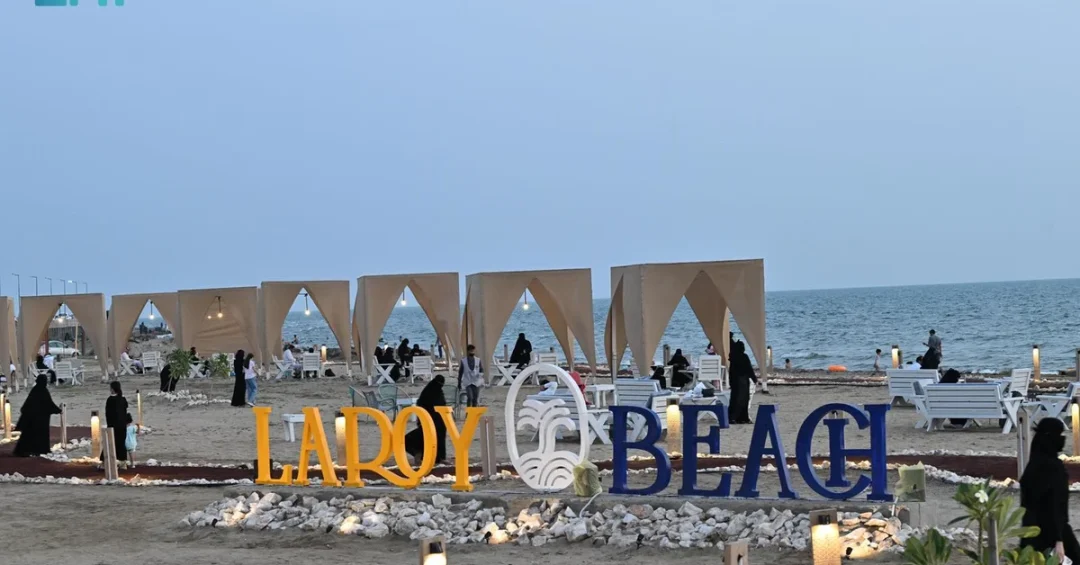
Al-Shuqaiq Center, a coastal destination in Al-Darb Governorate approximately 150 kilometers north of Jazan City, has emerged as one of Saudi Arabia’s most compelling tourism and lifestyle hubs, according to information released through the Saudi Press Agency (SPA). The center combines modern quality-of-life infrastructure with a strategic Red Sea location that positions it as a vital stopover for residents of the Jazan and Aseer regions travelling toward the holy sites and other cities along the western coastline. Its growing reputation rests on a rare combination of natural beauty, accessibility, and sustained public investment in recreation and urban development.
The emergence of Al-Shuqaiq as a destination of note reflects a broader pattern across the Kingdom, where lesser-known regional centers are being equipped with world-class amenities, transport links, and tourism programming. For international observers, the development offers a clear window into how Saudi Arabia is translating national ambitions into tangible local outcomes. The center’s 30-kilometer stretch of coastline, its clear blue waters suited to swimming and fishing, and its expanding calendar of festivals and tourist programs together form an offering that appeals to domestic travellers and increasingly to visitors from beyond the Kingdom. Could a single coastal center reveal how a nation’s tourism transformation actually reaches the ground?
Context and Background
Al-Shuqaiq Center sits within Al-Darb Governorate in the Jazan Region, a part of southwestern Saudi Arabia that has historically been known for its agricultural richness, mountainous hinterland, and proximity to the Red Sea. Located roughly 150 kilometers north of Jazan City, the center occupies a position of unusual strategic value: it lies along routes used by residents of both Jazan and Aseer as they travel northward toward the holy sites and other coastal cities. This geography has long made Al-Shuqaiq a natural waypoint, but official accounts indicate that it has now become far more than a transit stop.
The center’s rise aligns with a period of sustained national investment in regional development. Under the guidance of Saudi leadership, ministries and state agencies have prioritized projects that extend quality-of-life improvements beyond the major metropolitan centers of Riyadh, Jeddah, and the Eastern Province. Al-Shuqaiq benefits from this approach because it already possesses foundational advantages — a mild coastal climate in spring and winter, direct access to the Red Sea, and a local population connected to fishing, trade, and hospitality traditions. The question for planners was never whether the location had potential, but how quickly that potential could be organized into a coherent visitor experience.
Visitors arriving today encounter a center that functions simultaneously as a residential community, a leisure destination, and a service hub for surrounding areas. The presence of modern quality-of-life elements — reliable utilities, road connections, recreational facilities, and commercial services — distinguishes Al-Shuqaiq from purely seasonal resorts. It is a place where people live and work year-round, and where tourism adds a visible layer of economic activity rather than replacing the local base. How many destinations can claim to serve residents and visitors with equal effectiveness?
Key Details of the Destination
At the heart of Al-Shuqaiq’s appeal is the Al-Shuqaiq Tourist Beach, described in official information as one of the most significant leisure destinations in the Jazan Region. The beach attracts large numbers of visitors, particularly during the spring and winter seasons, when weather conditions along the southern Red Sea coast are especially favorable. Its natural beauty, clear blue waters, and suitability for swimming and fishing make it attractive to families, sports enthusiasts, and weekend travellers alike. The site accommodates thousands of visitors on weekends and official holidays, a volume that underscores its regional drawing power.
The coastline itself extends for approximately 30 kilometers, providing ample space for diverse activities and future development. A vibrant calendar of festivals and tourist programs supplements the natural offering, giving visitors reasons to return across different seasons. These events are organized in coordination with regional authorities and reflect a deliberate strategy to convert scenic assets into repeat visitation. For investors, the combination of an established visitor base, available land along the coast, and government-supported programming represents a compelling proposition. What kind of investor would overlook a destination with both natural assets and an active events calendar?
Beyond the beach, Al-Shuqaiq offers a range of recreational options consistent with contemporary urban development. The center’s layout and services are designed to support a high-quality lifestyle, with amenities that serve both the local community and the growing number of tourists. This dual-purpose design is increasingly common in Saudi regional development, where the goal is to create places that are attractive to live in, not merely to visit. The result is a destination that feels authentic and functional rather than staged for tourists alone.
International and Regional Impact
For the wider Middle East, Al-Shuqaiq illustrates how Red Sea coastal development is becoming a multi-node phenomenon rather than a single-project story. While much international attention focuses on large-scale giga-projects, centers like Al-Shuqaiq show that the benefits of tourism growth are being distributed across smaller communities as well. Regional travellers from Jazan, Aseer, and beyond already treat the center as a preferred stopover, and its accessibility makes it a natural extension of itineraries that include heritage sites, mountain destinations, and coastal resorts. Does sustainable tourism growth depend on spreading benefits beyond flagship projects?
Internationally, the center contributes to Saudi Arabia’s broader image as a destination offering diversity — not only desert and heritage experiences, but also beach tourism, fishing, and family-oriented recreation. Visitors from neighboring Gulf states and from further afield are increasingly interested in Red Sea destinations that combine natural beauty with reliable infrastructure. Al-Shuqaiq’s ability to host thousands of visitors on peak weekends demonstrates operational capacity that international tour operators value. As Saudi Arabia continues to open its tourism sector, such proven regional destinations become important components of national promotional efforts.
The center also plays a quiet but important role in domestic mobility. As a stopover for residents of Jazan and Aseer travelling to the holy sites and other cities along the Red Sea coastline, it supports the flow of pilgrims and citizens alike. This function reinforces social and economic ties between regions and adds a service dimension to its tourism identity. How many leisure destinations also serve as essential infrastructure for national travel?
Economic and Strategic Significance
From an economic standpoint, Al-Shuqaiq’s trajectory reflects the Kingdom’s emphasis on diversifying regional economies. Tourism spending by domestic visitors — particularly during weekends and holidays — supports local businesses in hospitality, food service, retail, and transport. Fishing, both as a traditional livelihood and as a recreational activity, adds another layer to the local economy. The seasonal peaks in visitation create employment opportunities and encourage entrepreneurship among residents, while the steady baseline of local demand provides stability outside peak periods.
For investors, the strategic location is a central attraction. A destination positioned on a well-travelled coastal route, with an established visitor base and government-backed programming, reduces some of the risks typically associated with tourism ventures. Opportunities range from accommodation and dining to marine activities, event services, and supporting retail. The presence of modern quality-of-life elements signals that basic infrastructure — a prerequisite for most investment — is already in place. What more could an investor ask for than a location where demand already exists and infrastructure already functions?
Strategically, Al-Shuqaiq strengthens the Red Sea corridor as a whole. By providing a quality stopover between major centers, it enhances the viability of longer road journeys and encourages multi-stop tourism. This contributes to the integration of the Jazan region into national tourism circuits and supports the broader goal of making Saudi Arabia a connected, easily navigable destination. The center’s development is therefore not an isolated local story but part of a coordinated national effort.
Quality of Life and Community Development
Official information emphasizes that Al-Shuqaiq enjoys all modern quality-of-life elements, a phrase that carries significant weight in the Saudi context. Quality of life is a central pillar of national planning, encompassing healthcare, education, recreation, environmental quality, and community services. In Al-Shuqaiq, these elements are visible in the center’s urban development, its recreational offerings, and its ability to host large numbers of visitors without disrupting residents’ daily lives. The result is a community that benefits directly from tourism rather than being overwhelmed by it.
The seasonal rhythm of visitation — concentrated in spring and winter — also has implications for community planning. Peak periods require robust services, while quieter months allow for maintenance and local life to proceed at a normal pace. This pattern encourages the development of flexible infrastructure and a diversified local economy. Residents can participate in the tourism economy during busy seasons and rely on other sectors during slower periods. Such adaptability is a hallmark of resilient communities. Is there a better model for coastal development than one that strengthens the local community first?
Al-Shuqaiq’s success also demonstrates the importance of inclusive development. By investing in a center outside the major metropolitan areas, Saudi Arabia signals that quality of life is a national priority, not an urban privilege. This approach helps retain local populations, attracts visitors, and builds the social cohesion that underpins long-term stability. The center’s festivals and tourist programs further reinforce community identity by celebrating local culture and hospitality.
Vision 2030 Alignment
Al-Shuqaiq Center’s development aligns directly with Saudi Vision 2030, the national transformation strategy that seeks to diversify the economy, expand tourism, and improve quality of life for citizens and residents. Tourism is one of the key sectors identified for growth, and regional destinations like Al-Shuqaiq are essential to achieving national targets. By attracting visitors, supporting local businesses, and offering a high-quality lifestyle, the center contributes to multiple Vision 2030 objectives simultaneously — economic diversification, regional development, and enhanced international engagement.
The center also reflects the Vision’s emphasis on sustainable and inclusive growth. Rather than concentrating development in a few flagship locations, Saudi Arabia is building a network of destinations that together provide a rich, varied tourism offering. Al-Shuqaiq’s 30-kilometer coastline, its established visitor base, and its modern amenities make it a valuable node in that network. As the Kingdom continues to welcome the world, destinations like Al-Shuqaiq will help ensure that the benefits of tourism are shared widely and that visitors experience the full diversity of Saudi Arabia’s natural and cultural heritage.
20 Questions
Q1. Where is Al-Shuqaiq Center located?
A1. Al-Shuqaiq Center is located in Al-Darb Governorate, approximately 150 kilometers north of Jazan City in southwestern Saudi Arabia, along the Red Sea coast.
Q2. What makes Al-Shuqaiq a prominent tourist destination?
A2. It offers natural beauty, clear blue waters for swimming and fishing, a 30-kilometer coastline, modern quality-of-life elements, and a vibrant calendar of festivals and tourist programs.
Q3. Why is Al-Shuqaiq important as a stopover?
A3. It serves residents of Jazan and Aseer regions travelling to the holy sites and other cities along the Red Sea coastline, providing essential services and leisure opportunities.
Q4. What is the Al-Shuqaiq Tourist Beach known for?
A4. It is one of the most significant leisure destinations in the Jazan Region, attracting thousands of visitors on weekends and official holidays, especially in spring and winter.
Q5. How long is the coastline in Al-Shuqaiq?
A5. The coastline stretches approximately 30 kilometers, offering ample space for recreation, tourism activities, and future development.
Q6. What activities can visitors enjoy at Al-Shuqaiq?
A6. Visitors can enjoy swimming, fishing, beach recreation, festivals, and various tourist programs organized throughout the spring and winter seasons.
Q7. When is the peak season for visiting Al-Shuqaiq?
A7. The peak seasons are spring and winter, when weather conditions are most favorable and the beach attracts large numbers of visitors.
Q8. How does Al-Shuqaiq enhance quality of life?
A8. It offers modern amenities, recreational options, and a high-quality lifestyle supported by contemporary urban development, benefiting both residents and visitors.
Q9. What economic opportunities does Al-Shuqaiq offer?
A9. It supports hospitality, food service, retail, transport, fishing, and event services, creating jobs and encouraging entrepreneurship among local residents.
Q10. Why is Al-Shuqaiq attractive to investors?
A10. Its strategic location, established visitor base, government-supported programming, and existing infrastructure reduce investment risks and offer diverse opportunities.
Q11. How does Al-Shuqaiq align with Saudi Vision 2030?
A11. It supports economic diversification, regional development, tourism growth, and quality-of-life improvements, all of which are central objectives of Vision 2030.
Q12. What role does Al-Shuqaiq play in regional tourism?
A12. It strengthens the Red Sea corridor, encourages multi-stop tourism, and integrates the Jazan region into national tourism circuits.
Q13. How many visitors does Al-Shuqaiq attract?
A13. It attracts thousands of visitors on weekends and official holidays, particularly during spring and winter, according to official Saudi information.
Q14. What festivals and programs are held in Al-Shuqaiq?
A14. A vibrant calendar of festivals and tourist programs is organized to supplement the natural offerings and encourage repeat visitation across different seasons.
Q15. How does Al-Shuqaiq benefit local communities?
A15. Tourism spending supports local businesses, creates employment, and encourages entrepreneurship, while residents enjoy modern quality-of-life elements year-round.
Q16. What is the significance of Al-Shuqaiq’s location?
A16. Its position 150 kilometers north of Jazan City makes it a key stopover for travellers and a strategic node along the Red Sea coastline.
Q17. Is Al-Shuqaiq suitable for family visits?
A17. Yes, its clear blue waters, safe swimming areas, recreational options, and family-oriented events make it suitable for visitors of all ages.
Q18. How does Al-Shuqaiq support sustainable development?
A18. It balances tourism growth with community needs, uses seasonal rhythms for maintenance, and promotes diversified local economic activity.
Q19. What makes Al-Shuqaiq different from other coastal destinations?
A19. It combines a residential community, leisure destination, and service hub, offering authenticity and functionality rather than being purely seasonal.
Q20. What does the future hold for Al-Shuqaiq?
A20. With continued national investment and Vision 2030 support, Al-Shuqaiq is poised to grow as a leading Red Sea destination for visitors and investors.
Reader Feedback
We value your thoughts. Please share your feedback on this article.
Your feedback helps us improve our coverage.
Related articles
 Jazan’s Mountains: A Hub for Investment and Tourism
 Arab Tourism Council 27th Session Kicks Off in Egypt
 Saudi Coastal Tourism Insurance Boosts Red Sea Appeal
 Sanaam AlUla Night Celebrates the Year of the Camel
 Dolce&Gabbana Opens Luxury Boutique and Café in Diriyah
 Foreign Tourists Discover Saudi Heritage at Camel Festival