


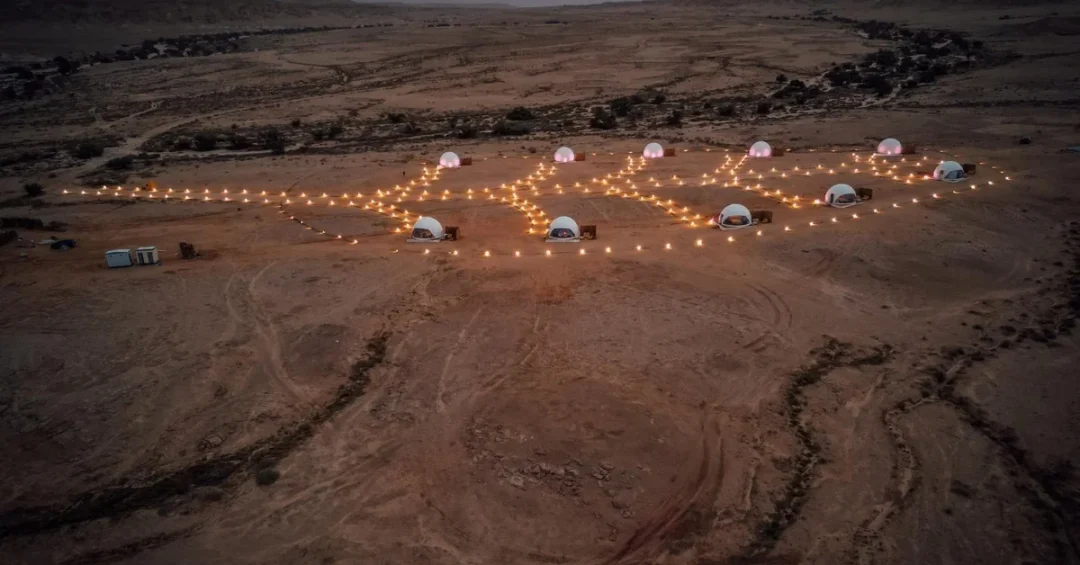
The fourth edition of the Al Urumah Season for ecotourism has drawn a large and enthusiastic turnout of visitors, offering an unparalleled experience amid the picturesque landscapes and diverse terrains of the Imam Abdulaziz bin Mohammed Royal Reserve and the King Khalid Royal Reserve. Announced by the Imam Abdulaziz bin Mohammed Royal Reserve Development Authority and reported by the Saudi Press Agency, the season reinforces the Kingdom’s growing status as a premier destination for sustainable nature tourism. Running annually until April, the initiative invites domestic and international travelers to discover one of Saudi Arabia’s most striking natural assets while enjoying a calendar of outdoor activities designed around the cooler months and the seasonal rains.
Why has this particular season captured such widespread attention among travelers and conservationists alike? The answer lies in the rare combination of scale, accessibility, and environmental stewardship. The Al Urumah Mountain Range stretches for more than 700 kilometers, from Umm Al-Jamajim in the north to Al-Bayadh in the south, encompassing valleys, mountains, and plains. Its rich natural resources, botanical diversity, and ancient cultural heritage make it a living showcase of the Arabian Peninsula’s ecological and historical depth. By opening this landscape to responsible visitation, the Kingdom is demonstrating how tourism and conservation can advance together under the framework of Saudi Vision 2030.
Context and Background
How did Al Urumah Season become one of the Kingdom’s flagship ecotourism events? The initiative is organized by the Imam Abdulaziz bin Mohammed Royal Reserve Development Authority, the body responsible for managing and protecting the reserve that bears its name, alongside the King Khalid Royal Reserve. Now in its fourth edition, the season has steadily built a reputation among domestic and international tourists as an annual highlight that coincides with cooler temperatures and the rainy season, when revived vegetation transforms the terrain into an ideal setting for wilderness excursions and outdoor adventures.
The reserves themselves form part of a wider national effort to protect Saudi Arabia’s natural heritage. The Imam Abdulaziz bin Mohammed Royal Reserve and the King Khalid Royal Reserve together safeguard ecosystems that support native plant life and wildlife, while remaining accessible to visitors through carefully managed trails and facilities. The authority’s mandate balances preservation with public enjoyment, an approach that reflects the Kingdom’s broader environmental commitments and its aim to expand protected areas and sustainable tourism offerings across the country.
Al Urumah Season also builds on a long cultural relationship between Saudis and the desert landscape. For generations, the region’s valleys and plateaus have hosted travelers, herders, and communities whose traditions are tied to the rhythms of nature. By presenting these landscapes through certified guides, educational programs, and low-impact infrastructure, the season connects modern visitors with that heritage in a way that is both respectful and enriching. The result is a tourism product that feels authentic, rooted in place, and aligned with global demand for meaningful, nature-based travel experiences.
Key Details and Visitor Experiences
What can visitors actually do during Al Urumah Season? The program offers a range of distinctive activities, including hiking along marked trails, stargazing under clear desert skies, camel riding, and cycling across varied terrain. The serene backdrop seamlessly blends desert tranquility with diverse landscapes, giving guests the chance to experience the quiet beauty of the reserve while staying active and engaged. The season runs until April each year, aligning with the period when temperatures are mildest and the landscape is at its most vibrant.
A central feature of the season is its accommodation. The authority has established more than 300 eco-friendly camping units built to sustainability standards, designed to protect and safeguard the environment while providing comfort to guests. These units allow visitors to immerse themselves in nature without compromising the reserve’s ecological integrity, and they embody the balance and sustainability that the season promotes. For many travelers, the opportunity to camp responsibly in such a setting is a defining part of the experience.
The authority has also invested heavily in human capital. It has certified specialized environmental tour guides for the trails of both reserves. These guides include authority personnel, tourism service providers, and community members who undergo training focused on the principles and objectives of ecotourism, tour plan development, and emergency response. They also gain comprehensive knowledge of the local environment’s geography, history, and biology, enabling them to offer visitors accurate and thorough information. Seventy trainees have been equipped through these initiatives, with 44 earning environmental tourism guide certifications, thereby enriching the local workforce and fostering a new generation of environmental guides.
To further promote responsible behavior, the authority has developed a responsible hiking guide that encourages visitors to enjoy ecotourism activities while minimizing their impact. The guide emphasizes key practices such as using designated paths, adhering to speed limits, safely lighting fires in prescribed areas, protecting vegetation, and ensuring that all hiking sites remain pristine after visits. These measures reflect a clear understanding that the long-term success of nature tourism depends on the active participation of every guest.
International and Regional Impact
How does Al Urumah Season fit into the wider regional tourism landscape? The Middle East is witnessing a surge in demand for nature-based and experiential travel, and Saudi Arabia is positioning itself at the forefront of this trend. The Kingdom’s reserves offer landscapes that are distinct from the region’s better-known coastal and urban destinations, giving international visitors a new reason to extend their itineraries beyond major cities. The season’s appeal to both domestic and international tourists signals that Saudi Arabia’s ecotourism offer is maturing and gaining global recognition.
Regional cooperation is also part of the picture. The authority’s work on environmental education and guide certification creates a model that can be shared with neighboring countries pursuing similar conservation and tourism goals. By hosting a well-organized season with clear environmental standards, Saudi Arabia contributes to a broader regional conversation about sustainable development, wildlife protection, and the economic value of intact natural landscapes. This soft-power dimension complements the Kingdom’s diplomatic and economic engagement across the region and beyond.
Economic and Strategic Significance
Why does Al Urumah Season matter economically? The season plays a crucial role in boosting the local economy by generating employment opportunities, promoting local industries, and enhancing community income. Camping operators, guides, transport providers, and local vendors all benefit from the influx of visitors, while the emphasis on cultural identity and environmentally friendly infrastructure encourages investment that remains valuable long after the season ends. This multiplier effect is especially important in rural areas, where tourism can provide diversified livelihoods alongside traditional activities.
Strategically, the season supports the Kingdom’s goal of expanding non-oil economic sectors and creating jobs for young Saudis. The training and certification of environmental guides is a direct investment in human capital, equipping community members with skills that are transferable across the growing tourism sector. By linking conservation with employment, the authority demonstrates that protecting nature and generating prosperity are complementary objectives. The responsible hiking guide and sustainability standards further ensure that growth does not come at the expense of the environment, safeguarding the very assets that attract visitors in the first place.
Vision 2030 Alignment
How does Al Urumah Season advance Saudi Vision 2030? The initiative sits at the intersection of several Vision 2030 pillars: diversifying the economy, enriching quality of life, and positioning the Kingdom as a global tourism destination. By developing ecotourism in the Imam Abdulaziz bin Mohammed Royal Reserve and the King Khalid Royal Reserve, the authority contributes to the National Tourism Strategy’s goal of attracting millions of additional visitors and increasing tourism’s share of GDP. It also supports environmental objectives by promoting responsible recreation and protecting biodiversity.
For international audiences, Al Urumah Season offers a compelling introduction to a side of Saudi Arabia that is often overlooked: its vast, varied, and carefully preserved natural landscapes. The combination of accessible adventure, educational guiding, and sustainable infrastructure reflects a modern, forward-looking Kingdom that honors its heritage while embracing innovation. As the season continues through April, it stands as a clear example of how Vision 2030 is translating into tangible experiences on the ground, inviting the world to discover the natural beauty of Saudi Arabia in a responsible and enriching way.
20 Questions
Q1. What is Al Urumah Season?
A1. Al Urumah Season is an annual ecotourism event organized by the Imam Abdulaziz bin Mohammed Royal Reserve Development Authority, offering visitors outdoor activities and nature experiences in the Imam Abdulaziz bin Mohammed Royal Reserve and the King Khalid Royal Reserve.
Q2. When does Al Urumah Season take place?
A2. The season runs until April each year, coinciding with cooler temperatures and the rainy season, which rejuvenates vegetation and creates ideal conditions for wilderness excursions, hiking, and other outdoor adventures across the reserves.
Q3. Where is the Al Urumah Mountain Range located?
A3. The range extends over 700 kilometers from Umm Al-Jamajim in the north to Al-Bayadh in the south, spanning valleys, mountains, and plains within the two royal reserves in the Kingdom of Saudi Arabia.
Q4. Who organizes Al Urumah Season?
A4. The Imam Abdulaziz bin Mohammed Royal Reserve Development Authority organizes the season, managing the reserves, certifying guides, establishing eco-friendly camping units, and promoting responsible ecotourism in line with Saudi Vision 2030.
Q5. What activities can visitors enjoy?
A5. Visitors can enjoy hiking, stargazing, camel riding, and cycling, all set against a serene backdrop that blends desert tranquility with diverse landscapes, offering a unique and immersive nature experience.
Q6. How many camping units are available?
A6. The authority has established more than 300 eco-friendly camping units built to sustainability standards, designed to protect and safeguard the environment while providing comfortable accommodation for visitors during the season.
Q7. What is the significance of the rainy season for the event?
A7. The rainy season rejuvenates vegetation, creating lush landscapes and ideal conditions for outdoor activities, making the period from winter until April the most attractive time to visit the reserves.
Q8. How does the season support the local economy?
A8. It generates employment opportunities, promotes local industries, and enhances community income through tourism spending, while reinforcing cultural identity and encouraging investment in environmentally friendly infrastructure.
Q9. What training do environmental guides receive?
A9. Guides receive training on ecotourism principles, tour plan development, emergency response, and the local environment’s geography, history, and biology, enabling them to provide accurate and thorough information to visitors.
Q10. How many guides have been certified?
A10. Seventy trainees have been equipped through the authority’s initiatives, with 44 earning environmental tourism guide certifications, enriching the local workforce and fostering a new generation of environmental guides.
Q11. What is the responsible hiking guide?
A11. It is a guide developed by the authority that encourages visitors to minimize their impact by using designated paths, adhering to speed limits, lighting fires safely in prescribed areas, and protecting vegetation.
Q12. Why is Al Urumah Season important for conservation?
A12. It promotes sustainable ecotourism that balances public enjoyment with environmental protection, ensuring that natural resources, botanical diversity, and cultural heritage are preserved for future generations.
Q13. What makes the Al Urumah Mountain Range unique?
A13. The range is renowned for its rich natural resources, botanical diversity, and ancient cultural heritage, standing as a symbol of natural beauty with a variety of terrains including valleys, mountains, and plains.
Q14. How does the season align with Saudi Vision 2030?
A14. It supports economic diversification, quality-of-life improvements, and the National Tourism Strategy by attracting visitors, creating jobs, and positioning Saudi Arabia as a premier ecotourism destination.
Q15. Is Al Urumah Season open to international tourists?
A15. Yes, the season is highly popular among both domestic and international tourists, offering them an unparalleled experience amid picturesque landscapes and diverse terrains within the reserves.
Q16. What environmental standards are followed?
A16. The authority applies sustainability standards for camping units, promotes responsible hiking practices, and certifies guides in ecotourism principles to protect the environment and safeguard natural resources.
Q17. How does the season benefit local communities?
A17. It boosts community income, creates employment, promotes local industries, and reinforces cultural identity, while encouraging investments in environmentally friendly infrastructure that benefit residents over the long term.
Q18. What role do the royal reserves play?
A18. The Imam Abdulaziz bin Mohammed Royal Reserve and the King Khalid Royal Reserve protect ecosystems, support biodiversity, and provide managed access for educational and recreational activities under the authority’s supervision.
Q19. What educational value does the season offer?
A19. Certified guides provide accurate information on geography, history, and biology, while educational programs enhance environmental awareness, ensuring a lasting educational tourism experience for all visitors.
Q20. What is the future outlook for Al Urumah Season?
A20. With growing visitor numbers and continued investment in sustainable infrastructure and guide training, the season is expected to strengthen Saudi Arabia’s position as a leading ecotourism destination in line with Vision 2030.
Reader Feedback
We value your thoughts. Please share your feedback on this article.
Your feedback helps us improve our coverage.
Related articles
 Diriyah Season Launches New ‘850 Interactive Experiences’
 Rural Charm in Rafha: A Tranquil Escape for Nature Lovers
 Shouran Pathways Project Enhances Quality of Life in Madinah
 Third Batch of Guests of the Custodian of the Two Holy Mosques Program Arrives in Madinah
 Taif Hosts Saudi Reef Rural Tourism Initiative
 NCVC Launches ‘Gear Up and Go’ Camping Campaign