


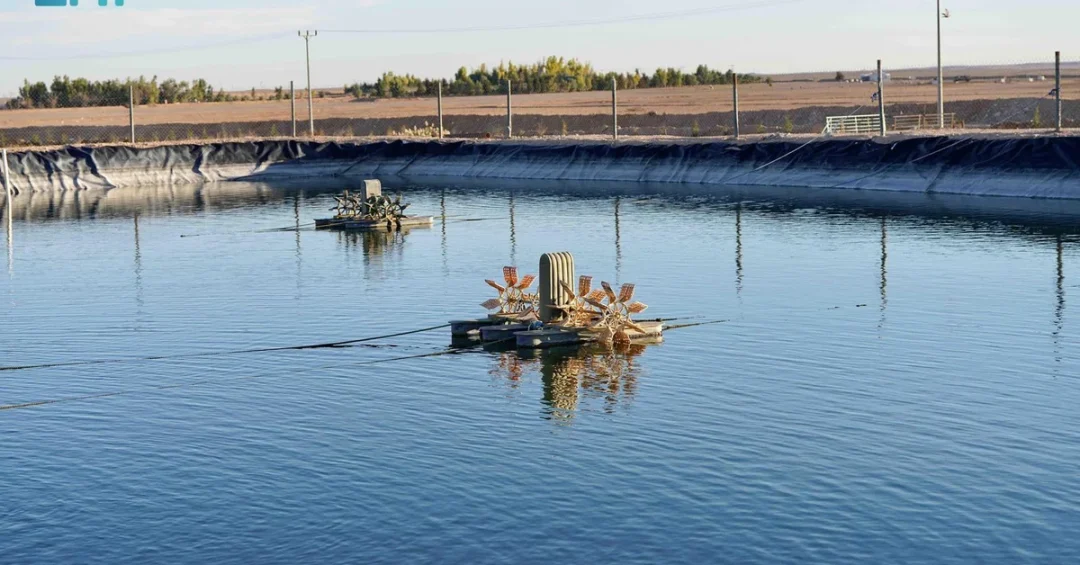
Rural farms in Rafha Governorate, located in Saudi Arabia’s Northern Borders Region, are emerging as a distinctive tourism destination, offering visitors scenic landscapes, peaceful surroundings, and authentic experiences rooted in local agriculture and heritage, according to the Saudi Press Agency (SPA). The farms, particularly those in the western part of the governorate, provide a tranquil escape from the fast pace of urban life, inviting travelers to reconnect with nature and discover a lesser-known side of the Kingdom. Have you ever considered that some of Saudi Arabia’s most memorable travel experiences might be found far from its bustling cities?
Several resorts and rural inns across western Rafha are already welcoming guests, serving meals prepared with locally sourced ingredients and showcasing a diverse array of wildlife, including deer, ducks, and other species. This emerging rural tourism offering reflects a broader national effort to diversify the Kingdom’s tourism sector, in line with Vision 2030, and to expand entertainment and leisure options for both residents and international visitors. The initiative underscores how development is reaching every corner of the country, including the Northern Borders Region, transforming traditional agricultural areas into sustainable destinations.
Context and Background
Why should the world pay attention to farms in a quiet corner of northern Saudi Arabia? Because they represent a quiet but meaningful shift in how the Kingdom approaches tourism, rural development, and community empowerment. Rafha Governorate sits in the Northern Borders Region, an area historically known for its agricultural activity and strategic location near the Jordanian border. For generations, local families have cultivated the land, raised livestock, and maintained a way of life closely tied to the desert and its rhythms. In recent years, Saudi authorities have looked at these traditional assets through a new lens, recognizing that rural life itself can be a compelling draw for travelers seeking authenticity and calm.
The Kingdom’s tourism strategy has evolved significantly, moving beyond iconic urban and heritage destinations to include nature-based and experiential travel. Rural farms in Rafha fit naturally into this evolution. They offer visitors a chance to stay in rural inns, sample farm-to-table cuisine, observe wildlife, and experience the hospitality for which Saudi Arabia is well known. The Saudi Press Agency reported that these farms are not simply passive landscapes but active contributors to the local economy, empowering farmers and families involved in cottage industries to offer their goods and services to visitors. This dual role, as both destinations and economic engines, makes them a particularly valuable component of the national tourism agenda.
Understanding the background also requires recognizing the broader context of Saudi Vision 2030, which seeks to enhance the tourism sector, diversify income sources, and create employment opportunities for citizens. Rural tourism is one of several channels through which these goals are pursued. By supporting small-scale agricultural enterprises and encouraging them to open their doors to visitors, the Kingdom is creating a model in which cultural preservation, economic development, and environmental appreciation reinforce one another. Rafha’s farms are a practical example of that model in action, and their growing appeal suggests that travelers are responding positively to the invitation.
Key Details
What exactly can visitors expect when they travel to western Rafha? According to official information released via the Saudi Press Agency, the area features several resorts and rural inns that provide unique experiences tailored to nature lovers and those seeking tranquility. These establishments serve meals made from locally sourced ingredients, giving guests a genuine taste of the region’s agricultural bounty. The presence of wildlife, including deer, ducks, and various other species, adds a living, dynamic element to the rural setting, making it attractive not only for relaxation but also for nature observation and family outings.
The farms are also described as playing a vital role in supporting the local community. They empower farmers and families working in cottage industries to offer their goods and services, which in turn drives economic development and creates employment opportunities within the region. This community-focused dimension is central to the appeal of rural tourism in Rafha. Visitors are not merely consumers of a scenic view; they are participants in a local economy that values craftsmanship, traditional food production, and hospitality. The experience is therefore both personal and purposeful, connecting travelers with the people and traditions of the Northern Borders Region.
Moreover, the development of these farms as tourist destinations aligns with a broader initiative to promote rural tourism across the Kingdom. This initiative is not limited to Rafha, but Rafha offers a clear illustration of how the concept can work in practice. The combination of natural beauty, agricultural heritage, wildlife, and community involvement creates a distinctive tourism product that complements Saudi Arabia’s better-known destinations. For international visitors, it opens a new window into the Kingdom’s diversity, showing that Saudi Arabia is not only a land of modern cities and desert adventures but also of green farms, quiet inns, and warm rural hospitality.
International and Regional Impact
How does a rural farm in Rafha connect to global conversations about travel and sustainability? The rise of rural tourism in the Northern Borders Region speaks directly to international trends favoring authentic, low-impact travel experiences. Travelers around the world are increasingly seeking destinations that offer peace, local culture, and a sense of place rather than crowded commercial hubs. Rafha’s farms answer that demand. By providing tranquil settings and locally sourced meals, they position Saudi Arabia as a destination capable of meeting contemporary expectations for meaningful travel. This can help attract international visitors who might otherwise overlook the Kingdom in favor of more established rural tourism markets.
Regionally, the development of rural tourism in Rafha also has implications for cross-border and neighborly relations. The Northern Borders Region shares proximity with Jordan, and improved tourism infrastructure can encourage regional travel and exchange. Visitors from neighboring countries may find Rafha an accessible and appealing stop, while Saudi citizens can discover a part of their own country that is often bypassed on traditional itineraries. In this way, rural tourism supports not only economic diversification but also cultural and social ties within the region. It is a quiet form of diplomacy, built on hospitality, shared landscapes, and mutual appreciation.
Economic and Strategic Significance
Why do these farms matter beyond their immediate scenic value? Their economic significance lies in their capacity to generate income and employment in an area that may not attract large-scale industrial investment. By empowering farmers and cottage industry families to sell goods and services to tourists, the rural tourism model creates a decentralized form of economic development. Money spent at a rural inn or on local products stays within the community, supporting households and encouraging entrepreneurship. This aligns with Vision 2030’s goal of creating a vibrant society and a thriving economy, where opportunities are not confined to major cities.
Strategically, rural tourism in Rafha contributes to the Kingdom’s broader effort to diversify revenue streams away from hydrocarbons. Every visitor who stays in a rural inn, enjoys a farm meal, or participates in a nature activity represents a small but meaningful addition to the non-oil economy. Over time, as more farms and resorts are developed and marketed, the cumulative effect can be substantial. The model also encourages the preservation of agricultural land and traditional practices, which might otherwise decline. By making farming economically viable through tourism, the initiative helps sustain both landscapes and livelihoods, a strategic outcome that benefits the nation as a whole.
Vision 2030 Alignment
How does a tranquil farm stay in Rafha connect to the grand ambitions of Saudi Vision 2030? The answer lies in the vision’s emphasis on enhancing the tourism sector and expanding entertainment options for locals and visitors. Rural tourism is explicitly part of that agenda. It diversifies what Saudi Arabia offers to travelers, extends the benefits of tourism to less-developed regions, and creates jobs for citizens. The farms of Rafha are thus not an isolated curiosity but a living example of the Vision 2030 philosophy, which seeks to unlock the potential of every region and every community.
As the Kingdom continues to invest in tourism infrastructure and promote its diverse destinations, places like Rafha will play an increasingly visible role. They offer a counterpoint to the skyscrapers of Riyadh and the futuristic projects of NEOM, reminding the world that Saudi Arabia’s heritage and natural beauty are also central to its future. For nature lovers and curious travelers, Rafha represents an invitation to slow down, breathe deeply, and experience a side of the Kingdom that is both timeless and newly accessible. In doing so, visitors become part of a story of sustainable development, community empowerment, and national transformation that is still being written.
20 Questions
Q1. Where is Rafha Governorate located?
A1. Rafha Governorate is situated in the Northern Borders Region of Saudi Arabia, near the border with Jordan. It is known for its agricultural activity and rural landscapes, which are now being developed as tourism destinations.
Q2. What makes rural farms in Rafha attractive to tourists?
A2. They offer scenic landscapes, peaceful atmosphere, locally sourced meals, and wildlife viewing, including deer and ducks. This combination provides a tranquil escape from urban life and a chance to experience authentic rural hospitality.
Q3. What types of accommodations are available in western Rafha?
A3. Several resorts and rural inns operate in western Rafha, providing unique experiences for visitors. These establishments serve meals made from local ingredients and allow guests to enjoy the natural surroundings.
Q4. How do these farms support the local community?
A4. They empower farmers and families in cottage industries to offer goods and services, which drives economic development and creates employment opportunities within the region. This community-focused approach is central to the rural tourism model.
Q5. What role does rural tourism play in Saudi Vision 2030?
A5. Rural tourism aligns with Vision 2030 by enhancing the tourism sector, diversifying the economy, and expanding entertainment options. It helps distribute tourism benefits across regions and creates jobs for citizens.
Q6. What kind of food is served at Rafha’s rural inns?
A6. Meals are prepared using locally sourced ingredients, giving visitors a genuine taste of the region’s agricultural produce. This farm-to-table approach supports local farmers and enhances the authenticity of the experience.
Q7. What wildlife can visitors see in Rafha’s rural areas?
A7. Visitors may observe deer, ducks, and various other species in their natural habitat. This wildlife adds a dynamic and educational element to the rural experience, appealing to nature lovers and families.
Q8. Is Rafha accessible for international tourists?
A8. Yes, Rafha is accessible via domestic flights and roads. As Saudi Arabia expands its tourism infrastructure, international visitors can include Rafha in their itineraries, especially if they seek nature-based and cultural experiences.
Q9. How does rural tourism in Rafha contribute to economic diversification?
A9. It generates income outside major cities, supports small businesses, and reduces reliance on oil revenue. Every visitor spending contributes to the non-oil economy and helps sustain local livelihoods.
Q10. What is the significance of cottage industries in this context?
A10. Cottage industries allow families to produce and sell traditional goods and services. By linking them to tourism, the initiative preserves heritage while providing direct economic benefits to local households.
Q11. Does the Saudi government support rural tourism initiatives?
A11. Yes, rural tourism is part of the broader national strategy under Vision 2030. Official channels such as the Saudi Press Agency report on these developments, highlighting government support for regional tourism growth.
Q12. What makes Rafha different from other Saudi tourist destinations?
A12. Rafha offers a quiet, agricultural setting rather than urban attractions. Its focus on farms, wildlife, and community-based experiences provides a unique contrast to cities like Riyadh or coastal resorts.
Q13. Can visitors stay overnight at these farms?
A13. Yes, rural inns and resorts in western Rafha provide overnight accommodations. This allows visitors to fully immerse themselves in the peaceful environment and enjoy multiple days of relaxation and exploration.
Q14. How does rural tourism benefit local women and youth?
A14. It creates opportunities in hospitality, food production, and handicrafts, which can be particularly valuable for women and youth. These groups can participate in the tourism value chain and earn income within their communities.
Q15. What is the best time of year to visit Rafha?
A15. The cooler months, from late autumn to early spring, are generally more comfortable for outdoor activities. Visitors should check local weather conditions and plan accordingly for a pleasant experience.
Q16. Are there any environmental sustainability practices associated with these farms?
A16. By promoting local food and preserving agricultural land, the farms encourage sustainable practices. Rural tourism can also motivate environmental stewardship, as healthy landscapes are essential to the visitor experience.
Q17. How can travelers learn more about rural tourism in Rafha?
A17. Official Saudi tourism platforms and the Saudi Press Agency provide information on destinations and initiatives. Travelers can also consult local tourism offices for guidance on visiting the region.
Q18. What impact does rural tourism have on traditional agriculture?
A18. It can help sustain traditional agriculture by providing additional income streams for farmers. This reduces the pressure to abandon farming and encourages the preservation of agricultural heritage.
Q19. Does rural tourism in Rafha align with global travel trends?
A19. Yes, it meets the growing demand for authentic, low-impact, and nature-oriented travel. This positions Saudi Arabia competitively in the global tourism market and attracts visitors seeking meaningful experiences.
Q20. What is the long-term vision for rural tourism in Saudi Arabia?
A20. The long-term vision is to integrate rural regions into the national tourism economy, create sustainable jobs, and showcase the Kingdom’s diverse landscapes and cultures, all in support of Vision 2030 goals.
Reader Feedback
We value your thoughts. Please share your feedback on this article.
Your feedback helps us improve our coverage.
Related articles
 Shouran Pathways Project Enhances Quality of Life in Madinah
 Third Batch of Guests of the Custodian of the Two Holy Mosques Program Arrives in Madinah
 Taif Hosts Saudi Reef Rural Tourism Initiative
 NCVC Launches ‘Gear Up and Go’ Camping Campaign
 Saudi Tourism Minister Champions Sustainability at Davos 2025
 Saudi Arabia Targets Top Seven Tourist Destinations by 2030