


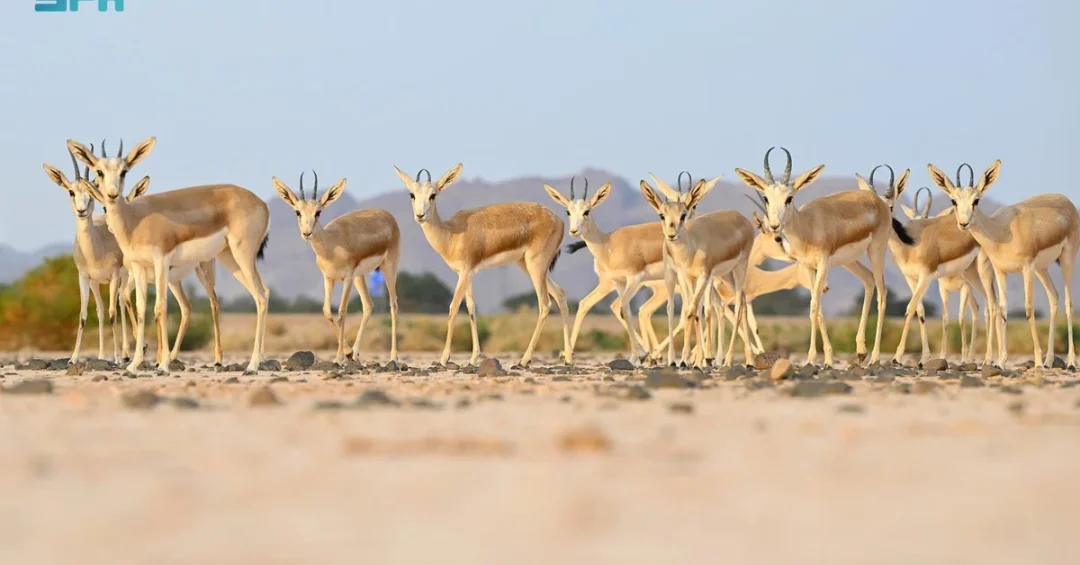
AlUla, a destination captivating tourists worldwide, boasts a unique blend of environmental diversity and historical significance, according to a recent announcement from the Saudi Press Agency (SPA). Towering sandstone formations frame ancient archaeological wonders like Hegra, a UNESCO World Heritage Site, beckoning visitors seeking adventure and cultural immersion.
Context and Background
AlUla, located in northwestern Saudi Arabia, has emerged as a premier destination for travelers interested in both natural beauty and human history. The region’s protected areas span over 12,000 square kilometers, offering a haven for diverse wildlife and desert flora. The Royal Commission for AlUla (RCU) is tasked with preserving this heritage while promoting responsible tourism. As the world marks World Environment Day under the theme ‘Our Land, Our Future,’ AlUla stands as a powerful example of how environmental protection and sustainable development can work hand-in-hand with tourism and cultural appreciation.
Key Details
The RCU’s commitment to conservation is evident in its extensive initiatives. These include replanting local plant life, cultivating millions of seeds in local nurseries, and planting trees across protected areas. Rehabilitation projects address desertification, and a dedicated team of environmental specialists safeguards the land. Thrilling activities such as mountain rappelling and desert ziplining contrast with tranquil stargazing and hikes through valleys and sand dunes. These endeavors align with Saudi Vision 2030 and the Saudi Green Initiative, reflecting the Kingdom’s broader goals of environmental sustainability and economic diversification.
Implications and Impact
AlUla’s model of eco-tourism has significant implications for the region and beyond. By balancing adventure, culture, and conservation, AlUla attracts international visitors while preserving its natural and historical treasures. This approach not only enhances Saudi Arabia’s global standing as a responsible tourism destination but also contributes to local economic growth and community engagement. The RCU’s efforts to combat desertification and promote biodiversity serve as a benchmark for other regions facing similar environmental challenges.
Vision 2030 Alignment
AlUla’s development is a cornerstone of Saudi Vision 2030, which seeks to diversify the economy and promote sustainable practices. The RCU’s work exemplifies how heritage preservation and environmental stewardship can drive tourism and create opportunities for future generations. As AlUla continues to enchant visitors, it reinforces the Kingdom’s role as a leader in responsible tourism and environmental conservation, aligning with the Saudi Green Initiative’s goals to plant 10 billion trees and protect 30% of land and sea by 2030.
20 Questions
Q1. What makes AlUla a unique tourist destination?
A1. AlUla captivates tourists with its blend of environmental diversity and historical significance, featuring towering sandstone formations and ancient archaeological wonders like Hegra, a UNESCO World Heritage Site, offering adventure and cultural immersion.
Q2. What is the significance of Hegra in AlUla?
A2. Hegra is a UNESCO World Heritage Site in AlUla, known for its well-preserved Nabataean tombs and archaeological importance, attracting visitors interested in ancient history and culture.
Q3. How large are AlUla’s protected areas?
A3. AlUla’s protected areas span over 12,000 square kilometers, providing a haven for diverse wildlife and desert flora, and supporting conservation efforts.
Q4. What role does the Royal Commission for AlUla play?
A4. The Royal Commission for AlUla champions responsible tourism, striving to make AlUla a global hub for culture, natural heritage, and eco-tourism through extensive conservation efforts.
Q5. What conservation initiatives are underway in AlUla?
A5. Initiatives include replanting local plant life, cultivating millions of seeds in local nurseries, planting trees across protected areas, and rehabilitating land to address desertification.
Q6. How does AlUla align with Saudi Vision 2030?
A6. AlUla’s development aligns with Saudi Vision 2030 by promoting sustainable tourism, economic diversification, and environmental conservation, contributing to the Kingdom’s broader goals.
Q7. What is the Saudi Green Initiative?
A7. The Saudi Green Initiative is a national effort to combat climate change, improve quality of life, and protect the environment, including goals to plant 10 billion trees and protect 30% of land and sea by 2030.
Q8. What activities can visitors enjoy in AlUla?
A8. Visitors can enjoy thrilling activities like mountain rappelling and desert ziplining, as well as tranquil stargazing and hikes through valleys and sand dunes.
Q9. How does AlUla promote responsible tourism?
A9. AlUla promotes responsible tourism through conservation efforts, sustainable practices, and a commitment to preserving its natural and cultural heritage while welcoming visitors.
Q10. What is the significance of World Environment Day for AlUla?
A10. World Environment Day highlights AlUla’s embodiment of environmental protection and sustainable development, showcasing how tourism and cultural appreciation can coexist with conservation.
Q11. Who announced the recent developments in AlUla?
A11. The Saudi Press Agency (SPA) released information about AlUla’s environmental diversity and conservation efforts, underscoring its global appeal and alignment with national initiatives.
Q12. What wildlife can be found in AlUla’s protected areas?
A12. AlUla’s protected areas host diverse wildlife and desert flora, supported by conservation efforts to maintain biodiversity and ecological balance in the region.
Q13. How does AlUla address desertification?
A13. AlUla addresses desertification through rehabilitation projects, replanting local vegetation, and cultivating seeds in nurseries, ensuring sustainable land management.
Q14. What economic benefits does AlUla bring to Saudi Arabia?
A14. AlUla contributes to Saudi Arabia’s economy by attracting international tourists, creating jobs, and supporting local businesses, aligning with Vision 2030’s economic diversification goals.
Q15. How does AlUla balance adventure and conservation?
A15. AlUla balances adventure and conservation by offering activities like ziplining and rappelling while implementing strict environmental protections to preserve its natural landscapes.
Q16. What is the cultural significance of AlUla?
A16. AlUla holds cultural significance as home to ancient archaeological sites like Hegra, reflecting the rich history of the Nabataean civilization and serving as a hub for cultural exchange.
Q17. How can tourists contribute to conservation in AlUla?
A17. Tourists can contribute by respecting protected areas, engaging in responsible tourism practices, and supporting conservation initiatives through visits and awareness.
Q18. What future plans exist for AlUla’s development?
A18. Future plans include expanding eco-tourism infrastructure, enhancing conservation efforts, and further integrating AlUla into Saudi Vision 2030’s sustainable development framework.
Q19. How does AlUla compare to other Saudi tourist destinations?
A19. AlUla stands out for its unique combination of natural beauty, ancient history, and commitment to sustainable tourism, distinguishing it from other destinations in Saudi Arabia.
Q20. Why is AlUla important for global tourism?
A20. AlUla is important for global tourism as a model of sustainable development, showcasing how cultural and natural heritage can be preserved while offering world-class experiences to visitors.
Reader Feedback
We value your thoughts. Please share your feedback on this article.
Your feedback helps us improve our coverage.