


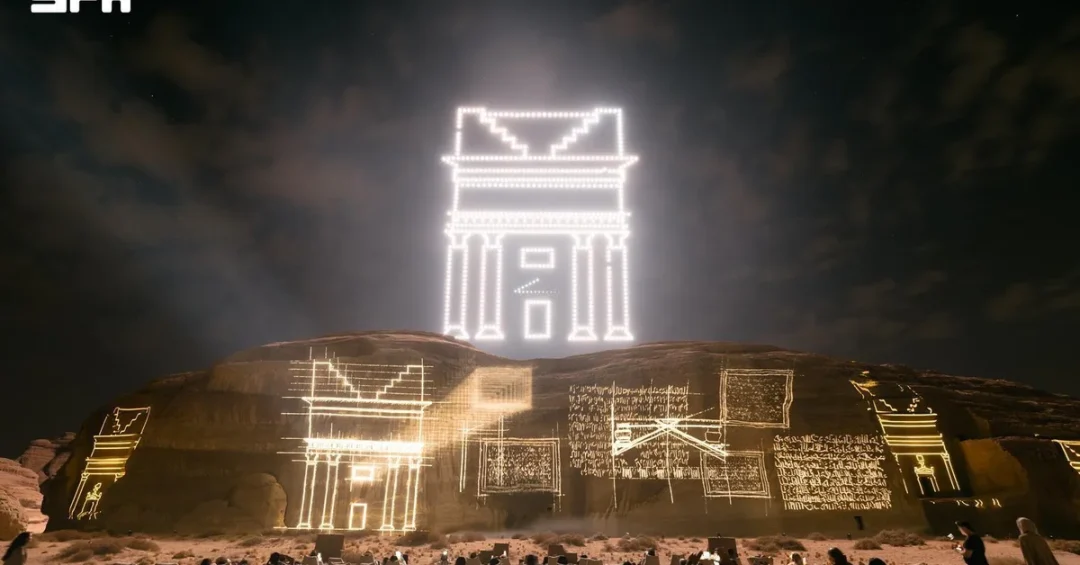
AlUla Governorate is reinforcing its position as one of the world’s most compelling year-round destinations, offering visitors a rare convergence of archaeology, natural landscapes, cultural programming, and hospitality, according to information released by the Saudi Press Agency (SPA) on the occasion of World Tourism Day, observed annually on September 27. The governorate, located in the northwest of the Kingdom of Saudi Arabia, draws on a civilization heritage spanning thousands of years, combining archaeological sites, dramatic rock formations, agricultural oases, arts, and a growing network of tourism experiences designed to welcome visitors across all seasons.
The timing of this global recognition is significant. World Tourism Day highlights the tourism sector’s importance and its role as a space for communication and cultural exchange among peoples. For AlUla, the occasion underscores how a destination rooted in antiquity has been carefully positioned as a modern, open, and welcoming gateway to the Kingdom — one that reflects the broader transformation of Saudi Arabia’s tourism sector under Vision 2030. How did a remote desert governorate become a fixture on the international travel calendar in less than a decade? The answer lies in a deliberate strategy that pairs heritage preservation with world-class infrastructure, events, and accessibility.
Context and Background
AlUla’s story begins long before the modern era. Its location along ancient caravan routes made it a meeting point for successive civilizations, whose traces remain visible in its archaeological sites, inscriptions, and historic architecture. Among its most celebrated landmarks is Hegra, Saudi Arabia’s first UNESCO World Heritage Site, where monumental tombs carved into sandstone by the Nabataean civilization still stand. These monuments testify to a past in which AlUla served as a crossroads for trade, ideas, and cultures moving between the Arabian Peninsula, the Levant, and the wider region.
That legacy is set within a natural landscape of exceptional variety: mountains, rock formations, valleys, and lush oases that create a visual and ecological contrast found in few places on earth. The combination of human history and natural scenery gives AlUla a distinct identity among global destinations. Rather than presenting heritage as a static exhibit, the governorate has developed an approach in which archaeology, nature, and culture converge in a single, integrated experience for visitors.
Over the past several years, this approach has been supported by the Royal Commission for AlUla (RCU), the government body responsible for the comprehensive development and regeneration of the governorate. Its work has focused on protecting heritage assets, developing hospitality and transport infrastructure, and creating a year-round calendar of cultural and recreational programming — all while preserving the area’s character and environment.
A Year-Round Calendar of Experiences
What distinguishes AlUla from many heritage destinations is the breadth of its programming throughout the year. The governorate hosts a diverse schedule of events covering arts, music, sports, adventure, recreation, and exploration of heritage and natural sites. This calendar is designed to give visitors options suited to different interests and travel seasons, from cooler winter months to the warmer periods of the year.
Experiences related to stargazing and the desert environment have become particularly popular, allowing visitors to engage with the region’s clear night skies and dramatic terrain. Cultural festivals, art installations, and musical performances have brought international audiences to AlUla, while outdoor activities such as hiking, cycling, and guided heritage tours offer more active ways to explore the landscape. The result is a destination that can be enjoyed by families, adventurers, culture seekers, and luxury travelers alike.
Hospitality facilities and services have expanded in parallel, with a growing network of hotels, resorts, and dining options that meet international standards while respecting the local environment and heritage. This infrastructure ensures that visitors can stay longer, explore more deeply, and experience AlUla not as a single stop but as a comprehensive destination.
International Recognition and Awards
AlUla’s growing international presence has been reflected in the number of awards and rankings it has received in the tourism and travel sectors in recent years. These recognitions indicate its expanding profile on the international tourism scene and signal to global travelers that the destination meets high standards of quality, sustainability, and visitor experience.
Such accolades are not merely symbolic. They contribute to the Kingdom’s broader tourism goals by building trust among international audiences, encouraging repeat visits, and attracting investment in hospitality and related sectors. For a destination that was largely unknown to global travelers a decade ago, this level of recognition represents a remarkable trajectory — one built on careful planning, substantial investment, and a clear strategic vision.
Industry observers note that AlUla’s success also reflects a wider shift in how travelers view Saudi Arabia. As the Kingdom opens further to international visitors, destinations like AlUla serve as showcases for its natural beauty, cultural depth, and modern capabilities. The governorate has become a symbol of the Kingdom’s ambition to be a global tourism leader, and its achievements are closely watched by the international travel industry.
International and Regional Impact
AlUla’s rise has implications that extend well beyond its own borders. As a destination that attracts visitors from around the world, it contributes to cultural exchange and mutual understanding — a core theme of World Tourism Day. By welcoming international guests and sharing its heritage, AlUla helps project a positive image of Saudi Arabia as a country that values its past while embracing the future.
Regionally, AlUla strengthens the Arabian Peninsula’s position as a tourism hub. Its proximity to other major Saudi destinations and its growing air links make it an increasingly accessible stop for travelers exploring the region. This connectivity supports the wider goal of increasing tourism’s contribution to the national economy and creating opportunities for local communities, entrepreneurs, and service providers.
The governorate also plays a role in seasonal tourism patterns. By offering experiences throughout the year, it helps smooth demand and extends the tourism season, benefiting businesses and workers who depend on visitor spending. This approach aligns with international best practices in sustainable destination management, where year-round appeal is a key indicator of resilience and long-term viability.
Economic and Strategic Significance
Tourism is a strategic pillar of Saudi Arabia’s economic diversification efforts, and AlUla is one of its most visible success stories. The development of the governorate has generated employment, supported small and medium-sized enterprises, and attracted private investment in hotels, restaurants, transport, and experiences. These economic benefits are part of a broader effort to reduce reliance on hydrocarbons and build a more diversified, knowledge- and service-based economy.
Strategically, AlUla demonstrates how heritage can be a driver of modern development rather than a constraint on it. The careful balance between preservation and progress — protecting archaeological sites while building world-class facilities — offers a model that other destinations in the Kingdom and the region can follow. It also reinforces Saudi Arabia’s role as a custodian of global heritage, a position that carries diplomatic and cultural weight.
For international investors and partners, AlUla represents an opportunity to participate in a growing market with strong government support and clear long-term objectives. The governorate’s continued development is expected to deepen its integration with global travel networks, creating new avenues for cooperation in hospitality, culture, and sustainable tourism.
Vision 2030 Alignment
AlUla’s achievements are closely tied to Saudi Vision 2030, the national transformation plan that aims to diversify the economy, enhance quality of life, and position the Kingdom as a global destination. Tourism is a central component of this vision, with targets to increase the sector’s contribution to GDP and welcome millions of international visitors each year. AlUla’s year-round offerings, international awards, and growing visitor numbers directly support these objectives.
Beyond tourism, AlUla embodies the Vision 2030 emphasis on preserving cultural heritage and promoting cultural exchange. By investing in heritage protection, arts, and education, the governorate helps ensure that Saudi Arabia’s rich history is shared with the world while creating opportunities for future generations. As the Kingdom continues its journey of transformation, AlUla stands as a testament to what can be achieved when heritage, nature, and modern ambition are brought together.
20 Questions
Q1. What is AlUla and where is it located?
A1. AlUla is a governorate in northwestern Saudi Arabia, known for its archaeological sites, rock formations, and oases. It is home to Hegra, the Kingdom’s first UNESCO World Heritage Site, and is developed by the Royal Commission for AlUla.
Q2. Why is AlUla significant on the global tourism map?
A2. AlUla combines thousands of years of civilization heritage with diverse natural landscapes and year-round cultural and recreational experiences. Its international awards and growing visitor numbers reflect its rising profile in global tourism.
Q3. What is World Tourism Day and why does it matter for AlUla?
A3. World Tourism Day is observed annually on September 27 to highlight tourism’s importance and its role in cultural exchange. It provides an occasion to recognize destinations like AlUla that connect history, nature, and culture.
Q4. What kinds of experiences does AlUla offer visitors?
A4. AlUla offers arts, music, sports, adventure, recreation, heritage exploration, stargazing, and desert experiences. Its year-round calendar caters to different interests and travel seasons, supported by a growing hospitality network.
Q5. What is Hegra and why is it important?
A5. Hegra is an archaeological site in AlUla featuring monumental Nabataean tombs carved into sandstone. It was inscribed as Saudi Arabia’s first UNESCO World Heritage Site, highlighting the region’s historical role in ancient trade routes.
Q6. How has AlUla been recognized internationally?
A6. AlUla has received numerous awards and rankings in the tourism and travel sectors in recent years. These recognitions indicate its expanding profile and signal high standards of quality and visitor experience to global travelers.
Q7. What role does the Royal Commission for AlUla play?
A7. The Royal Commission for AlUla is the government body responsible for the comprehensive development and regeneration of the governorate. It oversees heritage protection, infrastructure, hospitality, and cultural programming while preserving the area’s character.
Q8. How does AlUla contribute to Saudi Arabia’s economy?
A8. AlUla generates employment, supports small and medium-sized enterprises, and attracts private investment in hotels, restaurants, transport, and experiences. It is a key part of the Kingdom’s economic diversification efforts under Vision 2030.
Q9. What is the significance of AlUla’s location along ancient caravan routes?
A9. Its location made AlUla a meeting point for successive civilizations, leaving behind archaeological sites, inscriptions, and historic architecture. This heritage is a central part of its appeal as a destination where history and nature converge.
Q10. What types of events are held in AlUla throughout the year?
A10. AlUla hosts events covering arts, music, sports, adventure, recreation, and heritage exploration. Stargazing and desert environment experiences are also popular, providing options for different interests and travel seasons.
Q11. How does AlUla support cultural exchange?
A11. By welcoming international visitors and sharing its heritage, AlUla fosters communication and understanding among peoples. This aligns with the spirit of World Tourism Day and Saudi Arabia’s goal of promoting cultural dialogue.
Q12. What hospitality facilities are available in AlUla?
A12. AlUla has a growing network of hotels, resorts, and dining options that meet international standards while respecting the local environment and heritage. These facilities allow visitors to stay longer and explore more deeply.
Q13. How does AlUla align with Saudi Vision 2030?
A13. AlUla supports Vision 2030 by boosting tourism’s contribution to GDP, creating jobs, attracting investment, and preserving cultural heritage. It exemplifies the Kingdom’s efforts to diversify the economy and enhance quality of life.
Q14. What natural features make AlUla unique?
A14. AlUla features mountains, rock formations, valleys, and agricultural oases. This diverse landscape, combined with its archaeological sites, creates a visually striking and ecologically rich environment for visitors to explore.
Q15. Are there year-round activities in AlUla?
A15. Yes, AlUla offers a diverse program of year-round events and experiences. These include arts, music, sports, adventure, recreation, and heritage exploration, ensuring visitors have options regardless of the season.
Q16. How does AlUla attract international visitors?
A16. AlUla attracts international visitors through its unique heritage, natural beauty, cultural events, and international awards. Improved accessibility, hospitality infrastructure, and global marketing also contribute to its growing appeal.
Q17. What economic opportunities does AlUla create for local communities?
A17. AlUla creates jobs and supports local businesses in hospitality, transport, retail, and services. It also encourages entrepreneurship and skills development, helping communities benefit from tourism growth in line with Vision 2030.
Q18. How does AlUla balance heritage preservation with development?
A18. AlUla carefully integrates preservation and progress by protecting archaeological sites while building modern facilities. This balanced approach serves as a model for sustainable destination development in Saudi Arabia and the region.
Q19. What is the significance of stargazing in AlUla?
A19. Stargazing is a popular experience in AlUla due to its clear desert skies and dramatic terrain. It allows visitors to engage with the natural environment and adds a distinctive dimension to the destination’s year-round offerings.
Q20. What does the future hold for AlUla as a tourism destination?
A20. AlUla is expected to continue growing as a global destination, with ongoing investment in infrastructure, events, and hospitality. Its development aligns with Vision 2030 goals and reinforces Saudi Arabia’s role as a leader in cultural and sustainable tourism.
Reader Feedback
We value your thoughts. Please share your feedback on this article.
Your feedback helps us improve our coverage.
Related articles
 AlUla Wins Gold at Responsible Tourism Awards 2026
 Khaleeji 27 Fans Boost Commercial, Cultural Activity in Historic Jeddah
 Rainfall Showcases Jazan’s Natural Beauty, Diverse Terrain
 Red Sea Global Launches Yacht Network Linking AMAALA and The Red Sea
 WEF, Saudi Arabia Announce First Cohort of Beyond Tourism Impact Stars
 Al-Baha Sarawat Mountains host Ramadan Iftar