


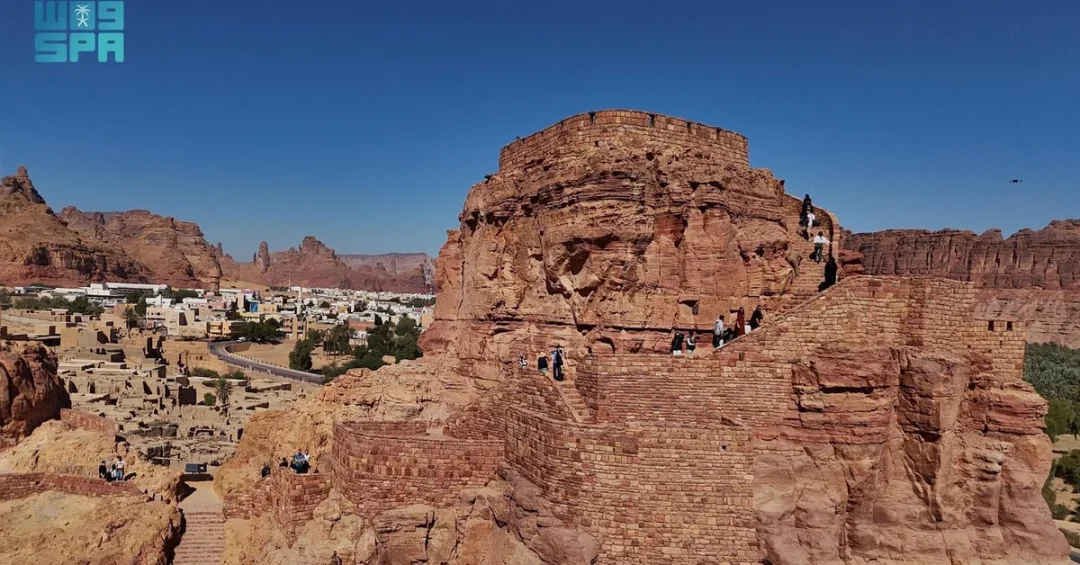
Experience AlUla has launched the “In the Footsteps of Ibn Battuta – Discovery Tour,” an immersive cultural journey that invites visitors to explore the region’s rich history through verdant oases and the ancient mudbrick houses of the old town. Announced by Saudi Arabia’s official news agency, the Saudi Press Agency (SPA), on December 23, 2024, the tour offers participants a guided passage through the heart of AlUla, accompanied by knowledgeable local guides who bring the city’s past to life through captivating narratives about its prominent role on ancient trade routes, including those traversed by the renowned explorer Ibn Battuta. The initiative reflects the Kingdom’s broader effort to transform AlUla into a world-class heritage and tourism destination under Vision 2030. Have you ever wondered what it would be like to walk the same paths as history’s greatest travelers?
The tour blends historical insight with interactive elements, fostering a deeper understanding and appreciation of AlUla’s cultural heritage. Further details and reservations may be made at experiencealula.com. For international visitors, the experience represents an accessible entry point into a region that has been continuously inhabited for millennia and served as a crossroads for civilizations, merchants, and explorers. With this launch, AlUla continues to position itself as a living museum where the past and present converge. Could there be a more compelling way to understand the sweep of human history than by retracing the steps of those who shaped it?
Context and Background
AlUla occupies a singular place in the history of the Arabian Peninsula. Located in the northwest of Saudi Arabia, the region was for centuries a vital stop on the Incense Route, the network of trade paths that connected the Arabian Peninsula with the Mediterranean world, Mesopotamia, and beyond. Caravans carrying frankincense, myrrh, and other precious goods passed through its oases, leaving behind a legacy that endures in the monumental tombs of Hegra, Saudi Arabia’s first UNESCO World Heritage Site, and the labyrinthine streets of the old town. The new discovery tour draws directly on this heritage, inviting visitors to experience the landscape as ancient travelers once did. What lessons might modern travelers learn from the merchants and explorers who once crossed these same deserts?
Ibn Battuta, the fourteenth-century Moroccan scholar and explorer, is among the most celebrated figures associated with the broader tradition of Islamic travel and scholarship. His journeys, which spanned much of the known world of his time, are often cited as a symbol of curiosity, cultural exchange, and the interconnectedness of civilizations. By naming the tour after him, Experience AlUla situates its offering within a global narrative of exploration and discovery. The initiative also reflects the Royal Commission for AlUla’s (RCU) mandate to preserve and promote the region’s heritage while developing sustainable tourism infrastructure. How does a region honor its past while building for its future?
The launch of this tour is part of a wider pattern of cultural programming in AlUla, which in recent years has hosted international events, art exhibitions, and archaeological collaborations. These efforts have raised AlUla’s profile on the global stage and attracted visitors from Europe, Asia, and the Americas. The discovery tour adds a narrative-driven, people-centered dimension to this portfolio, emphasizing storytelling and personal connection over passive observation. In doing so, it responds to a growing demand among international travelers for authentic, immersive experiences that go beyond conventional sightseeing. Why do stories told by local guides often leave a deeper impression than any guidebook?
Key Details of the Discovery Tour
According to the Saudi Press Agency, the “In the Footsteps of Ibn Battuta – Discovery Tour” guides participants through verdant oases and the ancient mudbrick houses of AlUla’s old town. The old town, a dense cluster of more than 900 historic structures, is one of the best-preserved examples of traditional Arabian urban architecture. Walking through its narrow alleys, visitors encounter the material traces of a thriving commercial and cultural center that flourished for centuries. The tour’s route is designed to highlight the relationship between the oasis environment and the settlement it sustained, illustrating how water management, agriculture, and trade shaped the community’s development. What can the architecture of a mudbrick house reveal about the ingenuity of its builders?
A knowledgeable local guide accompanies each group, providing narratives that connect specific sites to broader historical themes. These guides are trained to share stories about AlUla’s role on ancient trade routes, including those traversed by Ibn Battuta, and to explain how goods, ideas, and people moved across the region. The interactive elements of the tour encourage participants to engage with the environment rather than simply observe it, creating opportunities for learning through conversation, sensory experience, and hands-on activities. This approach aligns with contemporary best practices in heritage interpretation, which emphasize participation and emotional engagement. How might touching a mudbrick wall or tasting a date from a local oasis change the way a visitor understands history?
The tour is bookable through experiencealula.com, where visitors can find further details and make reservations. Experience AlUla, the destination management and marketing organization for the region, operates the tour as part of its mission to showcase AlUla’s cultural and natural assets to a global audience. The organization works in coordination with the Royal Commission for AlUla and other Saudi authorities to ensure that tourism development respects heritage conservation and community values. For international visitors, the online booking platform offers a straightforward way to plan a visit, with information available in multiple languages. What does it mean for a destination to welcome the world while staying true to its own identity?
International and Regional Impact
The launch of the Ibn Battuta discovery tour carries implications that extend well beyond AlUla’s boundaries. For Saudi Arabia, it represents another step in the Kingdom’s ambitious program to diversify its economy and attract international visitors, a central pillar of Vision 2030. Tourism is a key sector in this strategy, with targets that include hosting 150 million visits annually by 2030 and increasing the sector’s contribution to gross domestic product. AlUla, with its unique combination of natural beauty and archaeological significance, is positioned as a flagship destination within this plan. The tour’s emphasis on cultural immersion complements other offerings, such as adventure tourism, wellness retreats, and luxury hospitality. How does a single guided walk contribute to a national transformation?
Regionally, the tour reinforces Saudi Arabia’s role as a custodian of shared human heritage. AlUla’s archaeological sites, including Hegra and Dadan, are of interest to scholars and travelers from around the world, and the Kingdom has invested in research, conservation, and presentation of these treasures. By framing the tour around Ibn Battuta, a figure revered across the Islamic world and beyond, Experience AlUla signals an openness to cultural exchange and a willingness to connect local history with global narratives. This approach can strengthen people-to-people ties and promote mutual understanding. In a world that often emphasizes differences, what is the value of celebrating a traveler who crossed boundaries centuries ago?
Economic and Strategic Significance
The discovery tour is a small but meaningful component of AlUla’s growing tourism economy. Visitor spending in the region supports local businesses, from family-run restaurants and craft shops to hotels and transport providers. Experience AlUla has emphasized the importance of community participation, and tours led by local guides create employment opportunities while ensuring that the benefits of tourism reach the people who call AlUla home. The interactive nature of the tour also encourages longer stays, as visitors may combine it with other activities such as stargazing, hiking, or visits to archaeological sites. What happens to a community when its heritage becomes a source of pride and livelihood?
Strategically, the tour contributes to Saudi Arabia’s goal of becoming a global hub for cultural tourism. The Kingdom has invested heavily in infrastructure, including the expansion of AlUla’s airport and the development of hospitality offerings that meet international standards. These investments are designed to make AlUla accessible and appealing to travelers from Europe, Asia, and the Americas. The Ibn Battuta tour adds a distinctive narrative layer to this infrastructure, giving potential visitors a compelling reason to choose AlUla over other destinations. It also aligns with the broader Vision 2030 objective of promoting the Kingdom’s rich history and culture to the world. How does storytelling become an economic asset?
Vision 2030 Alignment
The “In the Footsteps of Ibn Battuta – Discovery Tour” exemplifies the Vision 2030 ambition to transform Saudi Arabia into a destination that celebrates its heritage while embracing modernity. The tour reflects the Kingdom’s commitment to preserving and promoting its cultural assets, a goal articulated by the Royal Commission for AlUla and supported by national leadership. By offering an experience that is both educational and engaging, Experience AlUla contributes to the broader effort to diversify the economy, create jobs, and enhance the quality of life for citizens and visitors alike. It also showcases the Kingdom’s capacity to host international guests with warmth and professionalism. What does the future hold for a region that so clearly honors its past?
As AlUla continues to develop as a global destination, initiatives like this tour will play a vital role in shaping its identity. They invite the world to see Saudi Arabia not only as a place of economic dynamism but also as a repository of human history and culture. The Kingdom’s leadership has consistently emphasized that Vision 2030 is about opening doors, building bridges, and sharing the nation’s story with the world. The Ibn Battuta tour is a vivid expression of that vision, offering travelers a chance to walk in the footsteps of an explorer and, in doing so, to discover something enduring about themselves. Could the journeys of the past illuminate the paths we choose for the future?
20 Questions
Q1. What is the “In the Footsteps of Ibn Battuta – Discovery Tour”?
A1. It is an immersive cultural tour organized by Experience AlUla that guides visitors through AlUla’s oases and old town, sharing narratives about the region’s history and its role on ancient trade routes, including those traversed by Ibn Battuta.
Q2. Who organized the tour?
A2. The tour was organized by Experience AlUla, the destination management and marketing organization for AlUla, as announced by the Saudi Press Agency on December 23, 2024.
Q3. Where does the tour take place?
A3. The tour takes place in AlUla, a historic region in northwest Saudi Arabia, leading participants through verdant oases and the ancient mudbrick houses of the old town.
Q4. Who was Ibn Battuta?
A4. Ibn Battuta was a fourteenth-century Moroccan scholar and explorer whose extensive travels across Africa, Asia, and the Middle East made him one of history’s most famous travelers, symbolizing curiosity and cultural exchange.
Q5. What can visitors expect to see on the tour?
A5. Visitors can expect to see lush oases, the mudbrick structures of AlUla’s old town, and other heritage sites, all interpreted by a knowledgeable local guide who shares stories of the past.
Q6. How does the tour blend history with interactivity?
A6. The tour incorporates interactive elements that encourage visitors to engage with their surroundings, ask questions, and participate in activities, fostering a deeper understanding of AlUla’s cultural heritage beyond passive observation.
Q7. Why is AlUla significant in history?
A7. AlUla was a vital stop on the Incense Route, connecting the Arabian Peninsula with the Mediterranean and Mesopotamia. It is home to Hegra, Saudi Arabia’s first UNESCO World Heritage Site, and a well-preserved old town.
Q8. How can visitors book the tour?
A8. Visitors can find further details and make reservations at experiencealula.com, the official platform for Experience AlUla.
Q9. What is the role of local guides in the tour?
A9. Local guides provide captivating narratives about AlUla’s past, explain its role on ancient trade routes, and help visitors connect with the region’s heritage through personal stories and expert knowledge.
Q10. How does the tour support Vision 2030?
A10. The tour supports Vision 2030 by promoting cultural tourism, diversifying the economy, creating jobs, and showcasing Saudi Arabia’s heritage to the world, aligning with the Kingdom’s goal to attract 150 million visits annually by 2030.
Q11. What is Experience AlUla?
A11. Experience AlUla is the official destination management and marketing organization for AlUla, responsible for developing and promoting tourism experiences that highlight the region’s cultural and natural assets.
Q12. What makes the old town of AlUla unique?
A12. The old town features over 900 historic mudbrick structures, narrow alleys, and a layout that reflects traditional Arabian urban planning, offering a rare glimpse into the region’s architectural and social history.
Q13. Is the tour suitable for international visitors?
A13. Yes, the tour is designed for a global audience, with guides who can communicate in multiple languages and an online booking platform that provides information in several languages.
Q14. What other attractions are nearby?
A14. Nearby attractions include Hegra (Madain Salih), Dadan, the Lion Tombs of Dedan, Elephant Rock, and the AlUla Oasis, offering a range of historical and natural experiences for visitors.
Q15. How does the tour promote cultural exchange?
A15. By framing the experience around Ibn Battuta, a traveler who crossed cultural boundaries, the tour encourages mutual understanding and highlights the shared heritage of humanity.
Q16. What economic benefits does the tour bring?
A16. The tour supports local employment, generates visitor spending in shops, restaurants, and hotels, and contributes to the growth of AlUla’s tourism economy as part of Saudi Arabia’s diversification efforts.
Q17. How does the tour respect local culture?
A17. The tour is developed in coordination with Saudi authorities and local communities, ensuring that heritage conservation and cultural values are respected while offering an authentic experience.
Q18. What is the significance of the Incense Route?
A18. The Incense Route was a network of trade paths that facilitated the exchange of goods, ideas, and cultures between the Arabian Peninsula and the wider world, with AlUla serving as a key stop.
Q19. Can visitors customize their experience?
A19. While the tour follows a set route, Experience AlUla offers various packages and additional activities that visitors can combine to tailor their visit to their interests.
Q20. What is the long-term vision for AlUla?
A20. AlUla aims to become a world-class heritage and tourism destination that preserves its cultural treasures, welcomes global visitors, and contributes to Saudi Arabia’s Vision 2030 goals of economic diversification and cultural exchange.
Reader Feedback
We value your thoughts. Please share your feedback on this article.
Your feedback helps us improve our coverage.
Related articles
 Custodian of the Two Holy Mosques Program Guests Tour Madinah Museum
 Mountain Passes Boost Winter Tourism in Aseer
 Guests of Custodian of Two Holy Mosques Umrah Program Depart for Makkah
 Makkah Mountains Draw Crowds with Pleasant Weather
 Cruise Saudi Launches Saba Beach Private Island in Red Sea
 AlUla Becomes Winter Camping Hotspot