


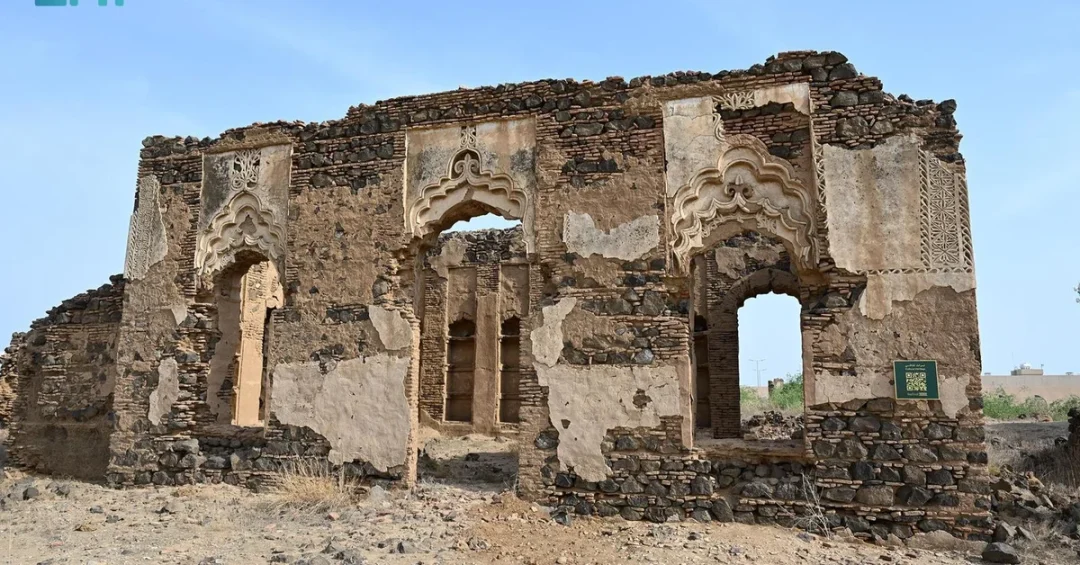
The Sabya Archaeological Castle in the Jazan region stands as a living testament to early 20th-century architecture, with origins tracing back to the early 14th century, offering a unique window into Saudi Arabia’s rich heritage. Located near Sabya Avenue within King Fahd Park, this ancient structure is part of the present-day city of Sabya, providing visitors with a view of Wadi Sabya that has captivated observers for centuries. The castle’s spacious rooms, high ceilings, and thick walls adorned with geometric and floral patterns showcase the exceptional skill of its craftsmen.
Context and Background
The Sabya Governorate, nestled in the Jazan region, is a treasure trove of archaeological buildings and castles, each narrating its own unique story. The Sabya Archaeological Castle, a marvel of ancient architecture, is a must-visit for history enthusiasts and archaeology researchers alike. Evidence suggests that these buildings date back to the early 14th century, making them invaluable to understanding the region’s historical and cultural evolution.
Constructed using local materials such as volcanic stone, bricks, wood, and limestone, the castle reflects the ingenuity of ancient builders. Some accounts indicate that the clay used in making bricks was sourced from the banks of Wadi Sabya, while volcanic stone was obtained from volcanoes near the city, including Jabal Akwa, located a short distance northeast of Sabya. This use of locally sourced materials not only highlights the resourcefulness of the builders but also ties the structure intrinsically to its environment.
Key Details
The Sabya Archaeological Castle features spacious rooms with high ceilings and thick walls, adorned with beautiful geometric and floral patterns. The use of volcanic stone of various sizes and shapes gives the castle a unique and captivating beauty. Just north of the ancient castle lies a mosque, constructed with the same building materials, which served as a place of prayer and gatherings for religious leaders, dignitaries, and the people of Sabya. Despite some damage, its mihrab (prayer niche) still stands, a testament to the area’s deep-rooted Islamic heritage.
The Kingdom’s Heritage Commission is diligently working to preserve the Sabya Archaeological Castle, recognizing its significance as one of the most important archaeological sites in the Jazan region. The commission’s measures to protect the buildings from potential risks and its commitment to providing visitors with the opportunity to explore this rich archaeological site are crucial for ensuring its future. Some accounts suggest the presence of remains of other buildings in the vicinity, opening the possibility of conducting archaeological excavations to reveal more secrets about this archaeological site.
Implications and Impact
The preservation of the Sabya Archaeological Castle has significant implications for Saudi Arabia’s cultural tourism and heritage conservation efforts. As the Kingdom continues to open up to international visitors, sites like these offer a unique glimpse into the country’s rich history, attracting history enthusiasts and researchers from around the world. The castle’s restoration and maintenance not only protect a valuable piece of heritage but also contribute to the local economy by creating jobs and promoting tourism in the Jazan region.
Furthermore, the castle serves as an educational resource, providing insights into the architecture and civilization of that era. It offers a tangible connection to the past, allowing visitors to appreciate the craftsmanship and cultural practices of ancient communities. The potential for archaeological excavations in the vicinity could lead to further discoveries, enhancing our understanding of the region’s historical significance and attracting academic interest.
Vision 2030 Alignment
The preservation and promotion of the Sabya Archaeological Castle align seamlessly with Saudi Arabia’s Vision 2030, which aims to diversify the economy and promote cultural tourism. By investing in heritage sites, the Kingdom is not only safeguarding its cultural identity but also creating new opportunities for economic growth and international engagement. The Heritage Commission’s efforts exemplify the Vision’s commitment to preserving national heritage while fostering a vibrant tourism sector that showcases the best of Saudi Arabia to the world.
As the Kingdom continues to develop its tourism infrastructure, sites like the Sabya Archaeological Castle will play a pivotal role in attracting visitors and showcasing the rich tapestry of Saudi history. This aligns with the broader goals of Vision 2030 to enhance the quality of life for citizens and residents, and to position Saudi Arabia as a leading destination for cultural and historical tourism.
20 Questions
Q1. What is the Sabya Archaeological Castle?
A1. The Sabya Archaeological Castle is an ancient structure in the Jazan region, dating back to the early 14th century, known for its unique architecture and historical significance.
Q2. Where is the Sabya Archaeological Castle located?
A2. It is situated near Sabya Avenue within King Fahd Park in Sabya Governorate, Jazan region, offering views of Wadi Sabya.
Q3. What materials were used to construct the castle?
A3. Local materials such as volcanic stone, bricks, wood, and limestone were used, with clay sourced from Wadi Sabya and volcanic stone from nearby volcanoes like Jabal Akwa.
Q4. What are the architectural features of the castle?
A4. The castle boasts spacious rooms, high ceilings, thick walls adorned with geometric and floral patterns, showcasing the craftsmanship of ancient builders.
Q5. What is the significance of the mosque near the castle?
A5. The mosque, built with the same materials, served as a place of prayer and gatherings for religious leaders, dignitaries, and the people of Sabya, with its mihrab still standing.
Q6. Who is responsible for preserving the castle?
A6. The Kingdom’s Heritage Commission is diligently working to preserve the Sabya Archaeological Castle, recognizing it as a significant archaeological site.
Q7. Why is the castle important for historians?
A7. It offers insights into the architecture and civilization of the early 14th century, providing a tangible connection to the past.
Q8. Are there any other archaeological remains nearby?
A8. Some accounts suggest the presence of remains of other buildings in the vicinity, indicating potential for further archaeological excavations.
Q9. How does the castle contribute to tourism in Saudi Arabia?
A9. It attracts history enthusiasts and researchers, contributing to cultural tourism and the local economy in the Jazan region.
Q10. What is the current state of the castle?
A10. The castle is preserved by the Heritage Commission, with measures in place to protect it from risks and allow visitors to explore the site.
Q11. What can visitors expect to see at the castle?
A11. Visitors can see spacious rooms, high ceilings, decorated walls, and the nearby mosque, as well as enjoy views of Wadi Sabya.
Q12. How does the castle reflect ancient architectural art?
A12. Through its use of volcanic stone, geometric and floral patterns, and construction techniques that demonstrate the skill of ancient craftsmen.
Q13. What is the historical period of the castle?
A13. The castle dates back to the early 14th century, with some accounts suggesting origins in the early 20th century for the current structure.
Q14. What role does the Heritage Commission play?
A14. It works to preserve the castle, protect it from potential risks, and provide visitors with the opportunity to explore this rich archaeological site.
Q15. How does the castle align with Saudi Vision 2030?
A15. It supports cultural tourism and heritage conservation, key pillars of Vision 2030, by attracting visitors and promoting economic diversification.
Q16. What makes the castle a must-visit for history enthusiasts?
A16. Its well-preserved architecture, historical significance, and the opportunity to learn about the civilization of that era make it a must-visit.
Q17. What is the significance of Wadi Sabya in relation to the castle?
A17. Wadi Sabya provided materials like clay for bricks and offers a scenic view that has been admired for centuries.
Q18. Are there any ongoing excavations at the site?
A18. While no excavations are currently mentioned, the presence of other building remains suggests potential for future archaeological work.
Q19. How can tourists visit the Sabya Archaeological Castle?
A19. Tourists can visit the castle, which is open for exploration, and learn about its history through the Heritage Commission’s efforts.
Q20. What does the preservation of the castle signify for Saudi Arabia?
A20. It signifies the Kingdom’s commitment to preserving its cultural heritage and promoting it as part of its broader tourism and economic diversification strategy.
Reader Feedback
We value your thoughts. Please share your feedback on this article.
Your feedback helps us improve our coverage.