


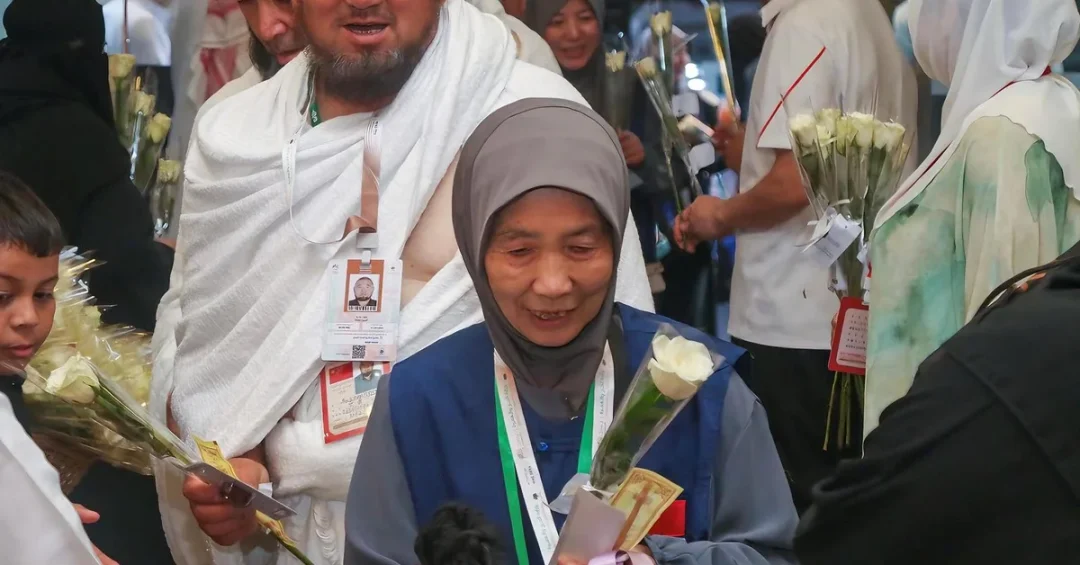
The Southeast Asia Tawafa Company has welcomed the first group of pilgrims from China to perform this year’s Hajj rituals in Makkah, as part of the Kingdom of Saudi Arabia’s ongoing efforts to provide world-class services to all pilgrims. The pilgrims were warmly received upon arrival at their residence, where teams presented them with gifts, roses, bottles of Zamzam water, and welcoming chants, according to the Saudi Press Agency.
Context and Background
The reception of Chinese pilgrims reflects the Kingdom’s commitment to facilitating Hajj for Muslims from around the world. Under the leadership of the Custodian of the Two Holy Mosques, King Salman bin Abdulaziz Al Saud, and His Royal Highness Crown Prince Mohammed bin Salman bin Abdulaziz Al Saud, Saudi Arabia has consistently invested in expanding the capacity and quality of Hajj services. The Southeast Asia Tawafa Company is one of several specialized companies entrusted with serving pilgrims from specific regions, ensuring culturally sensitive and efficient care. This year’s Hajj season continues the tradition of innovation and hospitality that has defined Saudi Hajj management for decades.
Key Details
Upon arrival, the Chinese pilgrims were given the Nusuk card, a digital identification and services tool that streamlines access to various Hajj facilities. The pilgrims expressed their satisfaction with the Saudi government’s efforts to provide the best and most advanced services. They also appreciated the excellent hospitality and reception, which reflects the Kingdom’s keen interest in the comfort and well-being of all pilgrims. The warm welcome included traditional Saudi gestures of generosity, such as gifts, roses, and Zamzam water, symbolizing the deep respect for guests.
Implications and Impact
The arrival of Chinese pilgrims underscores the growing global reach of Hajj and Saudi Arabia’s ability to manage large-scale international gatherings. It also highlights the strengthening ties between Saudi Arabia and China, particularly in the areas of religious tourism and cultural exchange. The positive experience of these pilgrims will likely enhance the Kingdom’s reputation as a preferred destination for Hajj and Umrah, further boosting Vision 2030 goals of increasing pilgrimage capacity and diversifying the economy. Additionally, the use of the Nusuk card demonstrates Saudi Arabia’s commitment to digital transformation in service delivery.
Vision 2030 Alignment
This development aligns seamlessly with Vision 2030, Saudi Arabia’s ambitious roadmap for economic and social transformation. By continuously improving Hajj services and infrastructure, the Kingdom aims to welcome an increasing number of pilgrims, thereby enriching the spiritual experience while contributing to economic growth. The successful reception of Chinese pilgrims exemplifies the Vision’s emphasis on excellence, innovation, and global engagement, reinforcing Saudi Arabia’s role as a leader in serving the Islamic world.
20 Questions
Q1. Who welcomed the first group of Chinese pilgrims?
A1. The Southeast Asia Tawafa Company welcomed the first group of Chinese pilgrims to perform this year’s Hajj rituals in Makkah, according to the Saudi Press Agency.
Q2. What gifts were given to the Chinese pilgrims upon arrival?
A2. The pilgrims received gifts, roses, bottles of Zamzam water, and welcoming chants from the welcoming teams at their residence in Makkah.
Q3. What is a Nusuk card?
A3. The Nusuk card is a digital identification and services tool provided to pilgrims to streamline access to various Hajj facilities and enhance their overall experience.
Q4. How did the Chinese pilgrims react to the reception?
A4. They expressed satisfaction with the Kingdom’s government efforts to provide the best and most advanced services, and appreciated the excellent hospitality and reception.
Q5. Which Saudi authority reported this news?
A5. The Saudi Press Agency (SPA) reported the arrival and warm welcome of the Chinese pilgrims in Makkah on May 24, 2024.
Q6. What does the reception reflect about Saudi Arabia?
A6. It reflects the Kingdom’s keen interest in pilgrims and its commitment to providing the best and most advanced services to all Hajj performers.
Q7. Why are Chinese pilgrims significant to Saudi Hajj efforts?
A7. Their arrival underscores the growing global reach of Hajj and Saudi Arabia’s ability to manage large-scale international gatherings, strengthening ties with China.
Q8. How does this event align with Vision 2030?
A8. It aligns with Vision 2030 by enhancing pilgrimage services, boosting economic diversification, and showcasing Saudi leadership in serving the Islamic world.
Q9. What role does the Southeast Asia Tawafa Company play?
A9. It is one of several specialized companies entrusted with serving pilgrims from specific regions, ensuring culturally sensitive and efficient care throughout their Hajj journey.
Q10. What did the welcoming teams do upon the pilgrims’ arrival?
A10. The teams warmly welcomed the pilgrims, presented them with gifts, roses, Zamzam water bottles, and welcoming chants, and provided Nusuk cards.
Q11. What is the significance of Zamzam water in the welcome?
A11. Zamzam water is a sacred tradition in Islam, and offering it symbolizes hospitality and spiritual care for the pilgrims during their holy journey.
Q12. How does the Nusuk card improve the Hajj experience?
A12. The Nusuk card streamlines access to various services and facilities, making the Hajj journey more efficient and organized for pilgrims.
Q13. What did the pilgrims appreciate about the reception?
A13. They appreciated the excellent hospitality and reception, which they said reflects the Kingdom’s keen interest in the comfort and well-being of pilgrims.
Q14. When did this event take place?
A14. The event took place on May 24, 2024, as reported by the Saudi Press Agency, marking the start of the Hajj season for Chinese pilgrims.
Q15. How does this reflect Saudi Arabia’s global role?
A15. It highlights Saudi Arabia’s role as a leader in serving the Islamic world, managing large-scale religious events, and fostering international cultural exchange.
Q16. What are the implications for Saudi-China relations?
A16. The positive experience of Chinese pilgrims strengthens ties between Saudi Arabia and China, particularly in religious tourism and cultural exchange, enhancing bilateral relations.
Q17. What other services are provided to pilgrims?
A17. Pilgrims receive a range of services including accommodation, transportation, guidance, and digital tools like the Nusuk card, all aimed at ensuring a smooth Hajj experience.
Q18. How does this event contribute to Vision 2030?
A18. By improving Hajj services and welcoming more international pilgrims, it supports Vision 2030’s goals of economic diversification and global engagement.
Q19. What message does this send to the international community?
A19. It sends a message of Saudi Arabia’s dedication to hospitality, innovation, and excellence in serving pilgrims from all over the world.
Q20. What can be expected for future Hajj seasons?
A20. Future Hajj seasons will likely see continued improvements in services, increased capacity, and enhanced digital integration, all aligned with Vision 2030 objectives.
Reader Feedback
We value your thoughts. Please share your feedback on this article.
Your feedback helps us improve our coverage.